
A-Levels – это британская программа высшего уровня старшей школы, двухлетний квалификационный курс, необходимый для получения полного среднего образования и поступления в вуз. Результаты A-Levels exams имеют решающее значение при зачислении в университеты. Несмотря на кажущуюся схожесть с российской программой 10-11 классов и экзаменами ЕГЭ, A-Levels имеет существенные отличия.
A-Levels, программа обучения в старших классах английских школ, многим может показаться специфичной. Необходимость специализации и ограниченный набор предметов для изучения выделяют A-Levels среди других известных программ, включая российскую программу старшей школы, популярный IB (International Baccalaureate), американскую программу High School Diploma и схожую с ней канадскую программу. В отличие от большинства перечисленных программ, предусматривающих обязательное изучение предметов из всех основных групп дисциплин (математика, естественные и социальные науки, иностранные языки, искусство и физкультура), A-Levels предполагает выбор всего 3-4 предметов, но эти предметы изучаются на продвинутом, предуниверситетском уровне.

С вами Mr.Great – британец, живущий с семьей в Москве, и сегодня мы говорим об A-Levels. Для меня, как для человека, закончившего школу в Англии, формат программы A-Levels всегда казался чем-то естественным. В 16-17 лет, а именно в этом возрасте английские школьники переходят на уровень A-Levels, подросток, как правило, уже определился с приоритетами по учебе и планами на будущее. Он имеет представление о том, какие направления профессиональной карьеры могут быть ему интересны, и не должен испытывать затруднений в выборе предметов A-Levels для изучения. Однако, для многих иностранцев, включая россиян, формат A-Levels непривычен: необходимость выбрать всего 3-4 предмета вызывает панику, а страх не справится со сложной программой или понять в разгар учебы, что выбор был сделан неправильно, заставляет и самих ребят и их родителей раз за разом пересматривать списки доступных дисциплин и по несколько раз менять комбинации, выбирая оптимальную. В хороших школах с выбором предметов помогают специальные кураторы. Как правило, с началом обучения стресс остается позади, и ученик может сконцентрироваться на индивидуально выбранных предметах.
СОДЕРЖАНИЕ
- Что такое A-Level?
- Структура программы
- Выбор предметов на A-Levels
- Где можно сдать A-Levels?
- Резюме
Что такое A-Level?
Разберемся с определениями. Полное название A-Levels — General Certificate of Education (GCE) Advanced Level или в переводе Общий Сертификат об Образовании на продвинутом уровне.
Это двухлетний курс предуинверситетской подготовки, предусматривающих углубленное изучение 3-4 дисциплин по выбору.
Экзамены A-Levels были введены в Великобритании в 1951 году, т.е. применяются для оценки знаний старшеклассников уже более 70 лет!

Разработкой программ и проведением экзаменов A-Level в Великобритании занимаются пять основных экзаменационных комиссий:
- AQA (the Assessment and Qualifications Alliance)
- OCR (Oxford, Cambridge and RSA)
- Edexcel (Edexcel Pearson)
- WJEC (Валлийский объединенный комитет по образованию)
- CCEA
Результаты A-Levels – основной критерий академической успешности школы. На основании результатов экзаменов составляются рейтинги школ, так называемые school league tables.

A-Levels на протяжении последних десятилетий была и остается основной программой старшей школы в Великобритании. Модель оказалась настолько успешной, что ряд других стран, таких как, например, Сингапур и Маврикий, полностью скопировали ее в своей образовательной системе и даже сохранили название!
Структура программы
Учебный план программы A-Levels разбит на 2 части. В течение первого года обучения студенты проходят начальный блок учебного материала и сдают экзамены первого уровня – AS (Advanced Subsidary). Второй год обучения завершается финальным экзаменом A2 exam. Считается, что второй год обучения на A-Levels более сложный, программа максимально углубленная.
Распространена практика, когда по окончании первого года A-Levels ученики отказываются от одного из 4 выбранных в начале курса предметов, и сдают только 3 экзамена на уровне A2.
AS (AS-Level) по предмету, которые изучался в течение одного года, выступает в таких случаях как самостоятельная квалификация.
Академическая нагрузка на уровне A-Levels включает 20-25 учебных часов в неделю. Большое внимание уделяется самостоятельной работе и исследовательским проектам.
Система оценивания балльная, используется буквенная шкала от A до E (A, B, C, D, E), где A – наивысший балл. Особые успехи в учебе отмечаются дополнительной звёздочкой в оценке A – баллом A*.
Для поступления в топовые британские вузы, например University of Cambridge, выпускник школы должен иметь комбинацию оценок A*AA или A*A*A по необходимым для выбранной специальности предметам.
Выбор предметов на A-Levels
Выбор предметов для изучения на уровне A-Levels – сложная задача. Для английских школьников или иностранцев, обучающихся по британской программе, необходимость определиться с 3-4 основными предметами на последние 2 года обучения в старших классах может вызывать затруднения. Что уж говорить о подростках, которые не учились ранее по программе GCSE (двухлетний курс для детей 14-16 лет, предшествующий курсу A-Levels).
На данный момент существует более 45 возможных опций A-Levels! Важно отметить, что список доступных для каждой школы предметов может отличаться. Наиболее популярные дисциплины, такие как математика, статистика, английский язык, естественные науки, информатика, искусство, инженерия, география, дизайн и иностранные языки доступны в большинстве школ. Более редкие предметы, например, религиоведение или философия, предлагаются не везде. В престижных частных школах, курс A-Levels по той или иной дисциплине могут проводить даже ради одного ученика, который заявил, что хочет выбрать именно этот предмет, а других желающих не нашлось. В таких случаях преподавателя приглашают для индивидуальных занятий.

При выборе предметов A-Levels стоит отталкиваться от предполагаемой специализации в университете. Так, например, для того чтобы поступить в Оксфорд на медицинский факультет, нужно в обязательном порядке изучать химию и биологию, а в качестве третьего предмета можно выбрать физику, математику или высшую математику. Лишним будет говорить, что оценки по этим предметам должны быть не ниже A, а лучше A со звездочкой! Требования для конкретной специализации можно посмотреть на сайтах университетов, а также на едином портале для подачи заявок в вузы UCAS.
Если понимания по дальнейшей специализации в вузе еще нет, стоит выбрать классические дисциплины или предметы, которые нравятся или легко даются. Полезные рекомендации по выбору предметов дают школьные тьюторы — консультанты, которые, есть в большинстве английских школ.
Где можно сдать A-Levels?
Очевидные преимущества обучения по программе A-Levels заставляют многих родителей задуматься, где можно получить данную квалификацию. Возможность узкой специализации и дальнейшая перспектива поступать в лучшие вузы мира без дополнительной подготовки и сдачи экзаменов – веские основания, чтобы отправить ребенка учиться за рубеж. Английские школы-пансионы ежегодно принимают на обучение тысячи детей из России и других стран. Помимо классических бордингов, A-Levels можно пройти и в международном колледже – это специализированные учебные заведения для студентов из-за рубежа, где предусмотрена дополнительная языковая подготовка.

Однако, получить британское среднее образование можно и не выезжая из России. Английские школы есть не только в Лондоне, но и в Москве. Например, Heritage International School, где учатся мои сыновья, работает по классической кембриджской программе, и по окончанию школы мальчики будут сдавать такие же экзамены, как и их ровесники в Туманном Альбионе (кстати, бонусом они еще получат и российский аттестат!)
Я знаю, что многие родители даже не рассматривают для себя возможность отпустить детей на учебу за рубеж до окончания средней школы, и международное образование в России для таких семей – отличный выход.
Помимо классических очных программ полноценного среднего образования, есть возможность готовиться к A-Levels дистанционно. Онлайн-школы существуют достаточно давно, но особую популярность они получили с началом пандемии. Скажу честно, на мой взгляд, это вариант подойдет исключительно мотивированным и дисциплинированным подросткам. Такие вероятно существуют в природе, но у нас в семье почему-то не встречаются.
Резюме
Итак, делаем выводы. Почему стоит выбрать A-Levels?
- Можно будет сконцентрироваться только на тех предметах, которые интересны и пригодятся подростку в будущем
- Не нужно будет изучать «общие для всех» дисциплины, которые не даются, не нравятся и не будут нужны в дальнейшем
- Необходимость задуматься уже в 15-16 лет о выборе предметов поможет подростку «собраться», осмыслить свои предпочтения и разобраться с ориентирами. Возможно, придется прибегнуть к помощи школьного консультанта или даже профориентолога.
- С результатами A-Levels можно поступать без дополнительной подготовки в любые вузы мира без ограничений (в топовые – только с высокими баллами, разумеется). Сдавать экзамены не придется!
- Программу можно пройти не выезжая из России, британские школы в Москве работают по тем же стандартам, что и английские учебные заведения
A-Levels не зря называют «золотым стандартом британского образования». На мой взгляд, возможность самостоятельного выбора и необходимость принимать «взрослые решения» – это именно то, что нужно подростку, чтобы начать серьезней относиться к учебе и максимально выкладываться в старших классах. Академический материал практически на уровне первого курса университета позволяет получить не поверхностные, а фундаментальные и глубокие знания по каждому из выбранных предметов.
Всегда ваш,
Mr. Great
Поступление в университеты по итогам A-level отличается от привычной многим траектории: если в России, например, выпускник сначала получает баллы ЕГЭ, а потом выбирает вуз, то с A-level все наоборот. «Во время последнего учебного года студент подает документы в высшие учебные заведения через систему UCAS. Можно подать до 5 заявок на разные программы бакалавриата одного или разных вузов. Причем, вузы выбираются исходя из приоритетов, т.е. на первое место вы ставите то учебное заведение и программу, которая является для вас приоритетной, а на последнее – вуз и программу – страховку. Важно также помнить, что подача осуществляется в разные сроки, и если вы не успеете подать заявку в свой дедлайн, то сможете подать уже только во второй заход до 30 июня (дедлайн для подачи заявок, которые будут рассматриваться только в случае вторичного набора в высшие учебные заведения). Так, до 15 октября подаются заявки в Оксбридж, а также на программы медицинского и ветеринарного направлений, до 15 января – во все остальные вузы (исключением являются вузы, специализирующиеся на искусстве и дизайне, – до 24 марта, как правило). Экзамены A-level сдаются гораздо позже, как правило, уже тогда, когда вузы отправят вам свое условное зачисление. Условным называется оффер, который предполагает, что вуз вам предоставит место только при выполнении каких-либо условий (например, сдача предметов на определенные баллы). Если абитуриент не выполняет условия оффера, то его кандидатура снимается с конкурса, если же выполняет — оффер становится безусловным, иначе говоря, происходит зачисление в вуз», – рассказывает Софья Сазыкина, генеральный директор SSA Education. Из-за такой системы еще в начале выпускного класса необходимо соотнести свои возможности с требованиями вузов, иначе есть риск того, что ни на одно из пяти выбранных направлений пройти не удастся.

Математика * Биология * Химия * Физика
Подготовка к A-levels, GCSE, IB
Российские и зарубежные учебные программы по академическим предметам существенно отличаются. Например, в европейском и американском школьном курсе математики встречаются задания из раздела статистики и теории вероятностей, которые в российских школах практически не изучают, а в курсе химии многие понятия представлены вообще по-другому. К тому же, даже если тематика заданий знакома, то сами формулировки могут быть совсем не привычны, а используемая специальная терминология окажется неизвестна.
Образовательный центр Ай Класс предлагает курсы по математике, физике, химии и биологии на английском языке для тех, кому предстоит изучать эти предметы в школе, колледже или университете за рубежом.
Все занятия, как групповые, так и индивидуальные доступны также в онлайн-формате — по скайпу или на платформе Zoom!
Курс расчитаны на следующие категории слушателей:
- Школьники, которые планируют обучение в Великобритании на программах A-level, Foundation или International Baccalaureate (IB) или в средней/ старшей школе США. Ведь без предварительной подготовки языковой барьер и разница в образовательных системах может существенно снизить результативность обучения и не позволить студенту получить желаемые результаты. Поэтому стоит заранее подготовиться к дальнейшему изучению школьных предметов на английском языке по британской системе.
- Школьники средних классов, которым предстоит переезд за границу и дальнейшее обучение в школе на английском языке. Для детей столь кардинальная смена обстановки — это колоссальный стесс, поэтому необходимо заранее подготовить их к переменам и новым жизненным требованиям, в том числе и к обучению в школе на английском языке. Математика, обществознание и природоведение на английском языке поможет ребятам перестроиться на новую систему восприятия материала и адаптироваться к западной системе обучения.
- Абитуриенты, решившие получить высшее образование в европейских университетах за рубежом. Например, при поступлении в большинство академических университетов Голландии необходимо сдавать вступительные экзамены. На специальности в области Бизнеса, Менеджмента и Экономики необходимо сдавать экзамен по математике на английском языке. Также математику и физику или химию необходимо сдавать при поступлении в университеты прикладных наук Финляндии на специальности в области Инжиниринга, IT и Business IT.
- Школьники, которым необходимо сдавать экзамен Subject SAT по математике (Maths 1, Maths 2), физике, химии и биологии для поступления на бакалавриат в университеты США и некоторые европейские университеты.
ПРОГРАММА УЧЕБНЫХ КУРСОВ
 Математика
Курс математики на английском языке адаптирован для каждого возраста и задач студентов. Полный курс состоит из следующих разделов:
- Числа
В этом разделе разбираются всевозможные операции с числами: целые и иррациональные числа, корни, степени, операции с дробями, округление, задачи с процентами, пропорции.
- Алгебра
Раздел рассматривает такие вещи как: алгебраические выражения, линейные и квадратичные уравнения, работа с формулами, тождества, функции, системы уравнений, неравенства, графики функций, работа с анализом графиков, последовательности, геометрическое место точек.
- Фигуры, площади и объемы
Изучаются свойства фигур (треугольников, четырехугольников, окружностей, а также 3-мерные фигуры, например, призмы); тригонометрия, синусы, косинусы, вектора; действия с геометрическими фигурами – отражения, вращения; площадь поверхности.
- Работа с данными
Подразумевается работа с различными данными, диаграммами; анализ и сравнение данных; теория вероятностей.
Физика
Курс включает следующие темы:
- Физические силы и движение
- Теплообмен
- Электричество
- Закон сохранения энергии
- Работа и мощность
- Оптика
- Проводимость и сопротивление
- Волны: электромагнитные, сейсмические, звуковые, ультразвуковые, радиоволны, микроволны, свойства волн
- Инфракрасное и ультрафиолетовое излучение, гамма-лучи, рентген
- Атмосфера и глобальное потепление, парниковый эффект
- Астрономия: видимый свет, электромагнитный спектр, гравитация, вселенная, солнечная система, орбита
Программа курса может быть адаптирована под возраст и задачи каждого школьника.
 Химия
Химия
- Основные химические законы
- Формулы, уравнения, расчет химических величин, энергетика
- Ионные, ковалентные и металлические соединения
- Структура атома
- Виды электронов, связи
- Химические соединения, уравнения химических реакций
- Периодическая система химических элементов
- Органическая и неорганическая химия
- Сплавы, минеральные соли, строение Земли
- Газы, радиация, радиоактивные реакции
Программа курса может быть адаптирована под возраст и задачи каждого школьника.
Биология
- Стандартные блоки клеток, организмы, энергия, простые системы
- Строение человеческого тела, анатомия (пищеварительная, дыхательная, репродуктивная, кровяная и иммунная системы, гормоны)
- Здоровье и болезни, медикаменты, способы поддержания здоровья
- Генетика, эволюция, клонирование, хромосомы, ДНК, изменчивость и наследственность
- Организмы и окружающая среда, воздействие человека на окружающую среду
Программа курса может быть адаптирована под возраст и задачи каждого школьника.
ПРЕПОДАВАТЕЛИ

Edidiong Mfon Iniunam
Образование: Санкт-Петербургский государственный электротехнический университет
Ведет курсы: коммуникативный курс английского языка с носителем, английский язык для школьников с носителем, English Language and Literature Academic Skills, Английский язык для корпоративных клиентов

Бодрова Мария
Образование: УрФУ им. Б.Н.Ельцина по направлениб «Медицинская физика» и «Технология перевода и межкультурная коммуникация».
Ведет курсы: курс по математике и физике на английском языке, подготовка к SAT и вступительным экзаменам в вузы Финляндии на специальности Инжиниринг и IT(раздел математика и физика) и Международный Бизнес (раздел математика), а также M.Sc. in Biomedical Engineering (Technische Hochschule Lübeck, Germany).

Кирилл Львович Масленников
Образование: СПбГУ, физико-математический факультет
Член общественно-просветительского консорциума European Southern Observatory Nerwork, старший научный сотрудник Пулковской астрономической обсерватории Российской академии наук.
Ведет курсы: математика на английском языке, подготовка к GCSE и A-levels по предметам математика и физика на английском языке.

Вячеслав Николаевич Лабунов
Образование: КГУ им. Уалиханова, переводчик, преподаватель английского языка
Переводчик-синхронист, старший преподаватель английского языка в СПбГЭУ Финек в течение 15 лет, старший преподаватель ВШМ СПбГУ
Ведет курсы: академические навыки на английском языке, подготовка к GCSE и A-levels по английскому языку и литературе

Егор Чепрасов
Образование: Бакалавр Московского государственного университета приборостроения и информатики, а также технический реактор-переводчик с английским языком.
Ведет курсы: курс по математике на английском языке, подготовка к GCSE, A-levels по математике, подготовка к SSAT, SAT (математическая часть)
ФОРМАТ ЗАНЯТИЙ
Занятия могут проходить в трех форматах:
- Индивидуально
- В паре
- В мини-группе 3-6 человек
Все занятия доступны также в онлайн-формате по скайпу или на платформе Zoom!
Летом занятия по естествознанию, математике и академическим навыкам на английском языке для школькников 15-17 лет проходят в небольших группах по 3-6 человек. Этот курс расчитан на ребят, которые интересуются естественно-научными дисциплинами, хорошо владеют английским языком и хотят побывать в британской академической среде: почувствовать себя английскими школьниками, при этом развивая не только языковые навыки, но и расширяя свое представление об окружающем мире.
УЧЕБНЫЕ ПОСОБИЯ
На занятиях используются учебные пособия по предметам, изданные в Великобритании, Финляндии и США, а также учебные материалы зарубежных университетов и школ. Все учебные пособия включены в стоимость курса.
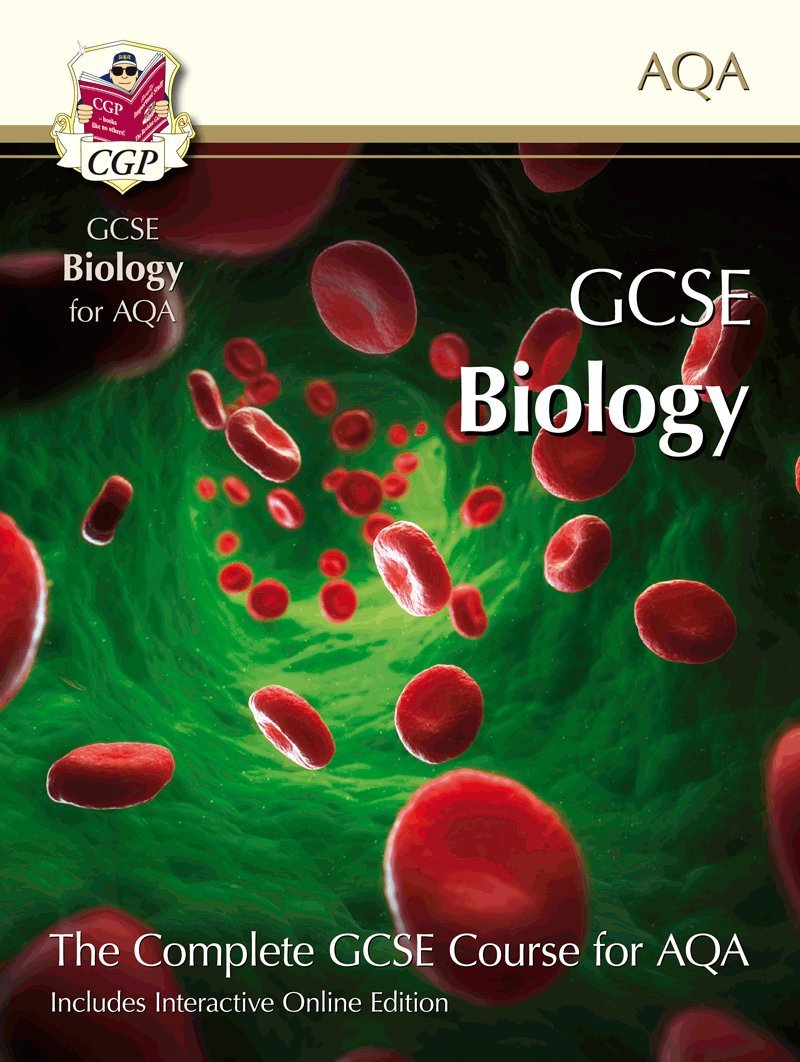
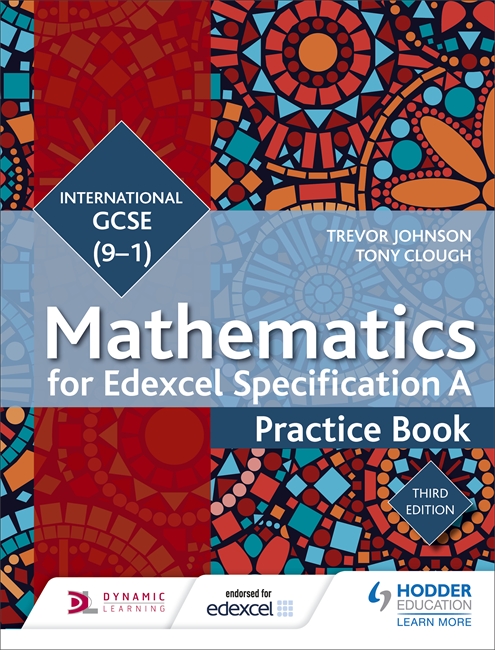
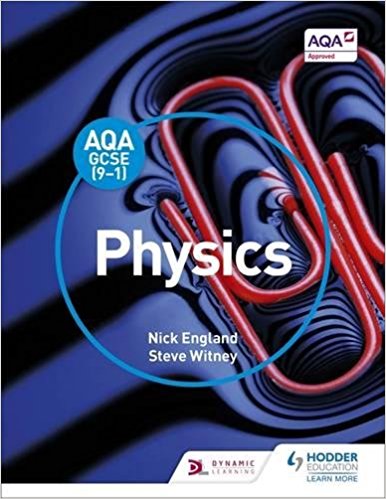
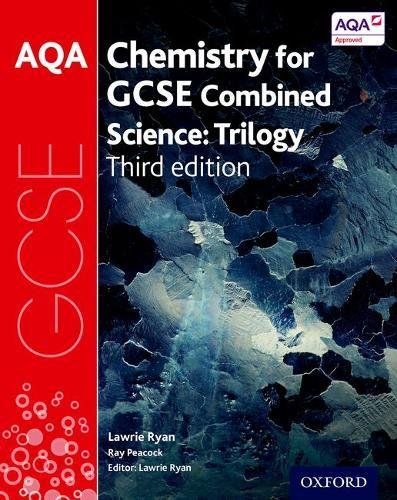
Обучение по курсу «Естественно-научные предметы на английском языке» подразуемевает обязательное посещение всех занятий и выполнение домашних заданий. В курс также включены текущие проверочные работы, которые позволяют отследить успеваемость школьника и зафиксировать достигнутые результаты.
Преподаватели учебных курсов по математике, физике, химии и биологии на английском языке — это квалифицированные преподаватели с высшим профильным образованием по своему предмету и знанием английского языка на высоком уровне, подтверждённом сертификатами или дипломами. Все преподаватели знают требования зарубежных школ и университетов к уровню подготовки школьников и абитуриентов и уже несколько лет успешно готовят российских ребят к обучению за рубежом. Подробнее о преподавателях Ай Класс.
Занятия обычно проходят индивидуально или в мини-группах для достижения максимального результата, а насыщенность и интенсивность учебной программы поможет ребенку получить неоьбходимые знания и подготовиться к обучению за рубежом.
Индивидуальные занятия
Могут проходить по гибкому расписанию и учитывать цели и задачи конкретного студента.
Стоимость индивидуальных занятий — 4800 рублей/ 90 минут
Позвоните нам по телефону (812) 244-99-64 или заполните форму онлайн-заявки, чтобы узнать подробности о программе «Подготовка по школьным предметам на английском языке» и записаться на индивидуальную консультацию и тестирование по английскому языку в офисе «Ай Класс».
Программы A-Level для поступления в Великобританию: школы, вступительные требования и стоимость

Программа предуниверситетской подготовки A-Level популярна среди студентов, которые собираются поступать в университеты Великобритании и других стран по всему миру.
A-Level для иностранцев позволяет получить британский аттестат о полном среднем образовании и подать документы напрямую в бакалавриат британских вузов.
Что такое A-Level?
A-Level – это двухгодичный учебный курс, который входит в обязательную программу общего образования в Великобритании. Программа A-Level ведет к получению аттестата о полном среднем образовании британского образца — General Certificate of Secondary Education (GCSE) Advanced Level. Это значит, что после учебы на A-level можно поступить в университет на программу бакалавриата.
Основная цель A-Level в Англии заключается в подготовке студентов к обучению в университете. По результатам экзаменов, сданных в рамках программы A-Level, приемные комиссии вузов судят о знаниях и навыках студента и выносят решение о зачислении в университет.
Зачем поступать на A-Level?
Вот несколько причин, по которым многие иностранные студенты поступают на программы A-Level:
Доступ в вузы Великобритании и других стран
A-Level — это стандартная учебная программа для иностранных студентов, которые хотят учиться в Великобритании. Прохождение A-Level открывает студенту доступ к лучшим университетам Великобритании и ряда других стран. Результаты A-Level принимают в Ирландии, США, Канаде, Австралии, Новой Зеландии, Индии, Сингапуре, Таиланде, Вьетнаме, Египте, Иордании, ЮАР, Нидерландах, Германии и Испании.
Получение специализации
В зависимости от того, что студент планирует изучать в вузе, на программе A-Level он может выбрать предметы по своей специальности и еще до поступления в университет получить профильные знания по интересующему направлению.
Опыт учебы в Великобритании
Доя иностранца Поступление на программу A-Levels — это отличный способ влиться в британскую академическую среду, привыкнуть к учебе на английском языке и адаптироваться в стране перед поступлением в вуз.
Наличие онлайн-программ
Учиться на A-Level можно не только в очном формате, но и в режиме онлайн. Это прекрасная возможность для иностранцев, которые не могут выехать за границу или хотят сэкономить на проживании в другой стране. С каждым годом все больше британских учебных заведений предлагают программы A-Level онлайн.
Структура программ A-Level
Программа A-Level включает в себя 45 предметов. Каждый студент выбирает 3-6 дисциплин для изучения и сдачи экзаменов по ним. Выбору предметов на A-Level нужно уделить особое внимание, они должны соответствовать будущей университетской специализации. То есть, если вы хотите изучать инженерию, то экзамен по A-Level вы должны сдавать по математике, химии и, например, иностранному языку на выбор.
В список предлагаемых дисциплин по сдаче экзамена A-Level входят такие предметы, как математика, физика, химия, биология, экономика, бухгалтерский учет, высшая математика, бизнес, английская литература, политика, психология и др.
Студентам, которые еще не решили, что хотят изучать в вузе, в рамках A-Level рекомендуется выбрать классические дисциплины или те, что даются лучше всего.
Академическая программа A-Level состоит из двух частей, AS (Advanced Subsidiary) и A2 (AL), каждая из которых длится 1 год. Программа предполагает 20-25 часов занятий в неделю, включая занятия по выбранным предметам и английскому языку. После первого года обучения студенты получают степень AS-Level, после второго года – степень A2-Level. После прохождения программы студенты сдают экзамены A-Level на получение аттестата.
В результате экзаменов по каждому предмету выставляется балл. При этом используется система оценок A-B-C-D-E, где A – это высший балл, а E – низший. Существует также балл A+, который выставляется студентам с самой высокой успеваемостью.
Диплом A-Level и полученные экзаменационные баллы являются важнейшим критерием при зачислении в университеты. Например, студенты, собирающиеся в вузе изучать медицину или юриспруденцию, должны получить высшие баллы по экзаменам. Дипломы A-Level доказывают знания студентов и, как мы уже отметили, признаются не только в Великобритании, но и во многих других странах.
Специфика программ A-Level
Вышеописанная программа A-Level является классической, именно по ней учится большинство студентов. Однако у программ A-Level есть своя специфика.
Например, некоторые учебные заведения предлагают сокращенные программы A-Level, длительность которых составляет 1 год. На такие программы обычно принимаются одаренные студенты, особенно хорошо владеющие английским языком и закончившие школу с отличием.
Есть и другие способы сократить период обучения по A-Level. Так, в некоторые университеты студентов принимают со степенью As-Level, т.е. после 1 года обучения по программе. Правда, это относится не ко всем вузам и возможно только в случае получения высших баллов по экзаменам.
Где учиться на A-Level?
В Великобритании программы A-Level предлагаются в школах, колледжах и при университетах. Среди известных учебных заведений с программами A-Level в Великобритании:
|
Abbey DLD Colleges |
David Game College |
|
Bellerbys College |
Blackburn College |
|
Cambridge Tutors College |
Kings Education |
|
CATS College |
Loughborough College |
|
Chelsea Independent College |
International School of Creative Arts |
Также можно учиться на A-Level в России. На данный момент программы на получение британского аттестата предлагают около 20 учебных заведений в Москве, Санкт-Петербурге, Самаре, Калуге, Перми, Владивостоке, Красноярске и в других городах. Все школы A-Level в России аккредитованы и выдают такую же квалификацию, как в Великобритании.
Программы A-Level в России стоят, в среднем, меньше, чем в Великобритании и позволяют дополнительно сэкономить на проживании за рубежом. Но есть и минусы: во-первых, школ не так много, и они расположены только в крупных городах, во-вторых, учеба на A-Level в России не дает студентам возможности в полной мере окунуться в британскую академическую культуру.
Сколько стоит A-Level?
Стоимость программ A-Level в Великобритании стартует, в среднем, от $15,000 в год и может доходить до $60,000 в год в наиболее престижных учебных заведениях.
Стоимость A-Level в России составляет от $7,000 в год.
Как поступить на программу A-Level?
Программы A-Level предлагаются в различных учебных заведениях, включая школы и колледжи.
Для поступления на программу A-Level студент должен соответствовать следующим требованиям:
1. быть в возрасте 16-18 лет
2. иметь аттестат о школьном образовании с оценками не ниже 4 баллов
3. иметь сертификат IELTS с результатом не ниже 5.0 (может варьироваться в зависимости от учебного заведения) или сертификат TOEFL с результатом не ниже 500
4. иметь рекомендательные письма от школьных преподавателей
Для зачисления на программу заявку и документы необходимо подавать напрямую в учебное заведение.
Что делать после получения диплома A-Level?
Получив диплом A-Level и результаты экзаменов, студент может подать документы в один или несколько университетов.
В зависимости от страны, приняты различные способы подачи документов в вузы. Например, в Англии студенты могут подавать документы напрямую в учебные заведения или через централизованную систему UCAS.
При этом у каждого университета есть свои требования к результатам экзаменов A-Level. На некоторые программы не принимают студентов с баллами ниже A, для других достаточно баллов C и т.д.
Поступление в университеты Англии
Другие подготовительные программы в Великобритании

Вы нашли полезную информацию? Пошаговые инструкции помогут вам поступить в университет Англии
Получить книгу
From Wikipedia, the free encyclopedia

GCE Advanced Level logo by University of Cambridge International Examinations |
|
| Acronym | A-Level |
|---|---|
| Type | General Certificate of Education |
| Duration | 2 years |
| Languages | English language, Welsh language |
| Prerequisites / eligibility criteria | Typically General Certificate of Secondary Education |
The A-Level (Advanced Level) is a subject-based qualification conferred as part of the General Certificate of Education, as well as a school leaving qualification offered by the educational bodies in the United Kingdom and the educational authorities of British Crown dependencies to students completing secondary or pre-university education.[1] They were introduced in England and Wales in 1951 to replace the Higher School Certificate.
A number of Commonwealth countries have developed qualifications with the same name as and a similar format to the British A Levels.[2][3][4] Obtaining an A Level, or equivalent qualifications, is generally required across the board for university entrance, with universities granting offers based on grades achieved.[5] Particularly in Singapore, its A level examinations have been regarded as being much more challenging than the United Kingdom, with most universities offering lower entry qualifications with regard to grades achieved on a Singaporean A level certificate.[6][7]
A Levels are typically worked towards over two years. Normally, students take three or four A Level courses in their first year of sixth form, and most taking four cut back to three in their second year.[8][9][10][5] This is because university offers are normally based on three A Level grades, and taking a fourth can have an impact on grades. Unlike other level-3 qualifications, such as the International Baccalaureate, A Levels have no specific subject requirements, so students have the opportunity to combine any subjects they wish to take. However, students normally pick their courses based on the degree they wish to pursue at university: most degrees require specific A Levels for entry.[11]
In legacy modular courses (last assessment Summer 2019), A Levels are split into two parts, with students within their first year of study pursuing an Advanced Subsidiary qualification, commonly referred to as an AS or AS Level, which can either serve as an independent qualification or contribute 40% of the marks towards a full A Level award. The second part is known as an A2 or A2 Level, which is generally more in-depth and academically rigorous than the AS. The AS and A2 marks are combined for a full A Level award. The A2 Level is not a qualification on its own, and must be accompanied with an AS Level in the same subject for certification.[12]
Current usage[edit]
Several countries use A Levels as a school-leaving qualification. The A Levels taken by students in other countries may differ from the A Levels taken in the United Kingdom.
Bangladesh[edit]
In Bangladesh, the GCE AS and A Level are offered by Cambridge Assessment International Education (CIE) and Pearson Edexcel after completion of GCE O-Level or IGCSE (CIE), and is conducted by the British Council. GCE Advanced Level qualifications are offered by some of the private, public, and international schools as an alternative to HSC (Higher Secondary School Certificate) offered by the Governments Board of Education. It has become a popular choice among students, but due to financial implications, its reach is limited to the middle and upper classes in major cities such as Dhaka and Chittagong.
Brunei[edit]
In Brunei, the A Level qualification is offered, with examinations conducted by Cambridge International Examinations (CIE). Some subjects are unique to Brunei or have a format, curriculum, or syllabus that is unique to Brunei.
Cameroon[edit]
The Advanced level of Cameroon is based on the Cambridge International Examinations and similarly, conducted by the government of Cameroon in collaboration with Cambridge University. All the courses taken are related to what the candidate is willing to pursue a career in university and these courses are on a recognizable international standard for university entrance; as they are major relevant courses. You can select between 3 and 5 courses during your advanced level studies, prior taken your advanced level examination on which.
Hong Kong[edit]
The British A Level qualifications such as GCE A Level and International A Level are widely accepted in Hong Kong as an alternative to the Hong Kong Diploma of Secondary Education for both admission and employment purposes. It is one of the most popular qualifications used for university admission via the non-JUPAS channel. For example, average non-JUPAS offers from the Hong Kong University of Science and Technology require one to three A*s (the mid-50% range). Since the introduction of the high distinction grade (A*) in 2010, the British A Level examination has regained its power to differentiate the very top levels of ability. According to the British Department for Education, in the academic year 2014/15, approximately 7.3%, 2.7%, 1.0%, and 0.3% of all the candidates from the GCSE cohort (548,480) achieved one to four A*s or a better result in the GCE A Level examination. This percentile rank is one important input for equating the levels in both examinations. On the sole basis of percentile ranks and the grade statistics from HKEAA in 2017, a score of 29/35 from the best five subjects in Hong Kong Diploma of Secondary Education is comparable to 1A*2A in the best three British A Levels, 32/35 to 2A*1A, 33/35 to 3A* and 34/35 to 4A*. In deriving inferences from these statistics, it is important to note that slightly more than a third of the GCSE candidates can go on to study in the sixth form before applying to universities via the Universities and Colleges Admissions Service (UCAS) while almost all Hong Kong students can study Form 6 before sitting the HKDSE examination.
Relevant authorities such as the Hong Kong Examination and Assessment Authority (HKEAA) and UCAS also sought to connect the results from both exam systems to open doors for the holders of these qualifications who wish to study locally or overseas. Officially, the top distinction levels, A* in A Level and 5** in HKDSE, are currently recognized as broadly equivalent.[13] In particular, in the light of statistical evidence, the 1% cut-off line is often set by admission offices at 2A*1A as compared to a score of 43/45 in the International Baccalaureate Diploma but the Uniform Mark Scale (UMS) instead of the letter grades would be used in many cases to offer a much more subtle view of the candidate’s academic potential. Typical offers from Cambridge Medical School require 2A*1A and Oxford University Medical School require 1A*2A whereas those from the medical and dentistry schools of the University of Hong Kong and the Chinese University of Hong Kong require 4A* and 3A* respectively in A Level due to fierce competition.
India[edit]
In India, Cambridge International Examinations (CIE) and Learning Resource Network (LRN) GCE Advanced Level qualifications are offered at private and international schools as an alternative to the conventional Higher Secondary Certificate (HSC).
Malaysia[edit]
In Malaysia, the A Level qualification is offered, with examinations conducted by Cambridge International Examinations (CIE). Some subjects are unique to Malaysia or have a format, curriculum, or syllabus that is unique to Malaysia. For instance, there are two types of A Level in Malaysia, Cambridge A Level (administered by Cambridge International Examinations) and Edexcel International Advanced Level (administered by Pearson International).
Mauritius[edit]
In Mauritius, A/AS Level qualifications are taken as part of the Higher School Certificate, awarded upon successful completion of secondary school after passing of examinations jointly administered by the Mauritius Examinations Syndicate and the University of Cambridge Local Examinations Syndicate (UCLES). Some exam papers offered, such as French, are customized to support the national educational standards. Additionally, International A Level qualifications from Edexcel are available, for which exams may be registered through the Mauritius Examinations Syndicate.
Nepal[edit]
In Nepal, A Level offered from Cambridge International Examinations (CIE) is the most popular. And are offered by some of the private, public, and international schools as an alternative to the National Examination Board (Nepal) (HSEB) +2. A level has become a popular choice for many students in Nepal. Besides A Level, International Baccalaureate and Advanced Placement, are some other international qualifications offered for this level. In Nepali, students generally appear for 4 subjects at A level, and 5 at AS level. There are several colleges of A level in Nepal but these are the 30 best A level colleges in Nepal.
Pakistan[edit]
A Levels are offered in Pakistan by non-governmental, private institutions, along with International Baccalaureate and other international examinations like the Advanced Placement. Examinations are handled by international British boards and the program is equivalent to Higher Secondary School Certificate. Cram Schools are established all around the country which prepares the students to take the examinations as private candidates.
Seychelles[edit]
In Seychelles, the A Level qualification is offered, with examinations conducted by Cambridge International Examinations (CIE). Some subjects are unique to Seychelles or have a format, curriculum, or syllabus that is unique to Seychelles.
Singapore[edit]
In Singapore, H1/H2/H3 level qualifications are awarded upon successful completion of examinations jointly administered by Singapore Ministry of Education (MOE), Singapore Examinations and Assessment Board (SEAB) and the University of Cambridge Local Examinations Syndicate (UCLES). Singaporean A levels are notably much more difficult than the British A levels, as part of the country’s wider robust educational policy.[7]
Sri Lanka[edit]
In Sri Lanka, A Level qualifications are offered by governmental and non-governmental schools (Private Schools). The qualifications are awarded upon successful completion of examinations called Local A Levels while most of the private schools award them upon London A Levels. Local GCE Advanced Level qualifications are offered by the Department of Examinations. Private Schools (International Schools) in Sri Lanka provide A/L qualifications which are offered by:
- Cambridge Assessment International Education (CIE)
- Edexcel
Passing A Levels is a major requirement for applying to local universities and for private universities in Sri Lanka. Since the recent past, Universities in Sri Lanka have given the opportunity to apply for their foundation courses which only require O Level (Ordinary Level) results. [14]
Tanzania[edit]
A level is an education structure after the completion of 11 years of Universal Primary Education (UPE). The Universal Primary Education consists of two levels, the primary school level of seven years and ordinarily secondary level, of four years.
Students are then required to sit for the National Examination which is done on specific month in a certain year. The exams are done throughout the country the same date provided by the examination board. Examinations will depend on the cluster and core subjects in which a student shall take. There are three major clusters, namely Science, Business and Liberal arts plus core subjects of which are seven in total or more. Students who will then pass according to the National Examination Standards, shall be selected to join Advanced Secondary Education and are selected according to the subjects they passed the most and by their wills to pursue certain subjects.
There are only three core subjects to study in Advanced Level and one or more optional subjects to sit for the Advanced Certificate of Secondary Education Examination(ACSEE). Then students are awarded Advanced Certificate of Secondary Education only if they have passed. The pass marks are arranged according to grades and the grades will determine whether a student will qualify to join tertiary education.
A level education is a two years education which is offered by the government and non-government schools. It is regulated by ministry of education which assures both qualitative and quantitative of subject matters and there is a special independent council which is responsible in composing the Advanced Certificate of Secondary Education Examination (ACSEE) namely The National Examination Council of Tanzania (NECTA).
Uganda[edit]
In Uganda, a Uganda Advanced certificate of education is awarded to students who have passed their national examinations that are set and marked by Uganda National Examination Board (UNEB). It is among the requirements requirements for one to join a university in Uganda. The advanced level takes two years for one to complete.
United Kingdom[edit]
A Levels are a college or sixth form leaving qualification offered in England, Wales, and Northern Ireland. These are not compulsory, unlike GCSEs. In Scotland, A Levels are also offered by some schools as an alternative school-leaving qualification in place of the Scottish Advanced Higher. The main examination boards which administer British A Levels in the UK are:
- Assessment and Qualifications Alliance (AQA)
- Oxford, Cambridge, and RSA Examinations (OCR)
- Edexcel (Edexcel Pearson – London Examinations)
- Welsh Joint Education Committee (WJEC)
- Council for the Curriculum, Examinations & Assessment (CCEA)
- Cambridge Assessment International Education (CIE)
- Learning Resource Network (LRN)
Oxford AQA, Edexcel, Cambridge International Examinations (CIE), and Learning Resource Network (LRN) also offer international versions of the British A Levels in the United Kingdom and worldwide.
The British variant of A/AS levels is also taken in many Commonwealth and former Commonwealth countries, as well as in examination centers worldwide. British international schools in foreign countries generally offer the British A Levels as offered through Edexcel or Cambridge International Examinations. At select examination centers, the British A Level exams may also be available to private candidates.
Subjects offered[edit]
A wide variety of subjects are offered at A Level by the five exam boards. Although exam boards often alter their curricula, this table shows the majority of subjects that are consistently available for study.
- Accounting[15][16][17]
- Afrikaans[16]
- Ancient History[17]
- Art and Design[15][16][18][19][17][20]
- Applied Science[15][17][19]
- Arabic[16][20]
- Archaeology[15]
- Architecture[15]
- Bengali[15]
- Biblical Hebrew[15][17]
- Biology[15][16][17][20][18][19]
- Business[15][16][17][20][18][19]
- Business Studies[15][17][20][18][19]
- Chemistry[15][16][17][20][18][19]
- Chinese[20]
- Classical Civilisation[15][17]
- Classical Greek[17]
- Classical Studies[16][17]
- Communication and Culture[15]
- Computer Science[15][16][17][19]
- Criminology[15][19]
- Dance[15]
- Design and Technology[15][16][17][19]
- Design and Textiles[16]
- Digital Media and Design[16]
- Digital Technology[18]
- Divinity[16]
- Drama[19]
- Drama and Theatre[15][17][20]
- Dutch[17]
- Economics[15][16][17][20][18][19]
- Economics and Business[20]
- Electronics[15][17][19]
- Engineering[20]
- English Language[15][16][17][20][19]
- English Language and Literature[15][16][17][20][19]
- English Literature[15][16][17][20][18][19]
- Environmental Science[15]
- Environmental Technology[18]
- Fashion and Textiles[15]
- Film Studies[17][19]
- Food Technology[15][20]
- Food Preparation and Nutrition[20]
- French[15][16][17][20][18][19]
- Further Mathematics[15][16][17][18]
- Geography[15][16][17][20][18][19]
- Geology[17][19]
- German[15][16][17][20][18][19]
- Global Development[20]
- Global Perspectives and Research[16]
- Government and Politics[15][17][20][18][19]
- Greek[20]
- Gujarati[17]
- Health and Social Care[15][17][20][18][19]
- Hindi[16]
- Hinduism[16]
- History[15][16][17][20][18][19]
- History of Art[15][20][18]
- Home Economics[17][18]
- Human Biology[15][17][19]
- Humanities[17]
- IT[15][16][17][20][18][19]
- Information Technology[16]
- International Relations[15]
- Irish[18]
- Islamic studies[16]
- Italian[20]
- Japanese[20]
- Journalism in the Media and Communications Industry[18]
- Latin[17]
- Law[15][16][17][19]
- Leisure Studies[17][20]
- Life and Health Sciences[18]
- Marine Science[16]
- Mathematics[15][16][17][20][18][19]
- Media Studies[15][16][17][20][19]
- Modern Hebrew[15]
- Moving Image Arts[18]
- Music[15][16][17][20][18][19]
- Music Technology[20]
- Nutrition and Food Science[18]
- Punjabi[15]
- Performance Studies[17]
- Performing Arts[17][20][18]
- Persian[15][17]
- Philosophy[15]
- Photography
- Physical Education[15][16][17][20][19]
- Physical Science[16]
- Physics[15][16][17][20][18][19]
- Polish[15]
- Politics[15][20]
- Portuguese[16][17]
- Product Design[15][17][20]
- Professional Business Services[18]
- Psychology[15][16][17][20][19]
- Pure Mathematics[15]
- Quantitative Methods[17]
- Religious Studies[15][17][20][18][19]
- Science in Society[15]
- Russian[20]
- Sinhala
- Sociology[15][16][17][19]
- Software Systems Development[18]
- Spanish[15][16][17][20][18][19]
- Sports Science[18]
- Statistics[15][17][20]
- Systems and Control Technology[15]
- Telugu[16]
- Tamil[16]
- Technology and Design[18]
- Thinking Skills[16]
- Travel and Tourism[16][17][20][19]
- Turkish[17]
- Urdu[16][20]
- Welsh[19]
A Level reforms in England[edit]
Between 2015 and 2018 (first assessment Summer 2017), A Levels in England were reformed, transitioning from a modular to linear structure (initially across 13 subjects). This means all A Level exams are taken in one sitting as a set of terminal exams (3 exams for the majority of subjects), and there is no coursework set for many subjects. For A Levels that retain a coursework element, the percentage of the final grade determined by coursework has been reduced. An example of this can be seen in Edexcel’s new English Literature A Level, reformed in 2015, which reduces the amount of coursework to 20% (from 40% in the old modular specification). A Levels are no longer separated into units, and students must resit all of their exams if they wish to resit the qualification. While these reforms were expected to be complete for first teaching in 2017, this was extended to 2018 to include the reforms of less common languages such as Modern Hebrew and Bengali.
The AS Level is now a separate qualification and is not required for an A Level award, although it still encompasses the first year of the full A Level content. However, unlike AS Levels in the old modular courses, they are now worth only 40% as many UCAS points as a full A Level (from 50% in the modular courses), as content from the second year of A Level is considered more academically challenging than that of the first year.[21][22]
As these reforms took place in stages, many students took a combination of modular and linear courses before all reforms were complete, with AS Levels still being part of an A Level in older modular courses.
These reforms look to combat grade inflation, where the proportion of students achieving the highest grades increases year upon year, causing the value of those grades to be eroded. The modular system has also been criticised for nurturing a ‘resit culture’,[23] while new linear courses give no opportunity to resit individual units.
Controversially, some A Level course subjects have been abolished from 2017 as part of these reforms. These include archaeology, anthropology, creative writing, critical thinking, general studies and home economics. Many universities criticized the scrapping of exams taken at the end of AS level, which used to be worth 50% of the overall A level grade. This is because the universities used the grades achieved at AS level (available to universities after a student applies during the second year of A levels) as an indication of a student’s ability and thus whether to give said student an offer.[24][25]
Opposition to these reforms in Wales and Northern Ireland has resulted in maintaining the modular structure of their qualification.
Zimbabwe[edit]
The GCE Advanced Level qualification is offered by the Zimbabwe School Examinations Council (ZIMSEC).[26] Before, this qualification was jointly offered by Cambridge International Examinations and the Council in Zimbabwe.
Former usage[edit]
Caribbean[edit]
In 2002, there has been a move away from the GCE Advanced Level to the CXC CAPE examinations,[27] making them a de facto university entrance examination. Some universities also require applicants to take separate entrance examination. The International Baccalaureate and European Baccalaureate are also accepted.
See also[edit]
- GCSE – General Certificate of Secondary Education (An entry qualification)
- GCE – Ordinary (O) Level (An entry qualification that has been phased out in the United Kingdom)
- Further / Special
- GCE – Special (S) level (last offered 2001)
- Advanced Extension Award (AEA – 2002–2009, 2015 mathematics)
- Sixth Term Examination Paper (STEP – used by the University of Cambridge and the University of Warwick for admissions to study mathematics at undergraduate level)
- International A Levels
- Singapore-Cambridge GCE Advanced Level (harder examination in Singapore)
- Hong Kong Advanced Level Examination (HKALE – now defunct)
- Sri Lankan Advanced Level
- Scotland
- Higher (Scottish) (Scottish university entrance qualification)
- Advanced Higher (Scottish) (Scottish equivalent to A Level)
- Canada
- Ontario Academic Credit
- Vocational
- BTEC Extended Diploma (Is the highest level of the BTEC structure and is taken by people aged 16 or over (Equal to A Levels).)
- T level (level 3)
- NVQ (level 3)
- Advanced Vocational Certificate of Education (AVCE)
- Europe
- Abitur (similar qualification in Germany and Finland)
- Eindexamen (similar qualification in the Netherlands)
- Matura or Maturità (similar qualification in some European countries)
- Baccalaureate
- Baccalauréat (similar qualification in France)
- European Baccalaureate (examination used mainly in the European School system)
- International Baccalaureate (IB) Diploma (alternative examination found across the world)
- International alternatives
- Advanced Placement Program (similar qualification in the United States)
- Bagrut (similar qualification in Israel)
- Leaving Certificate
- Malaysian Higher School Certificate (better known as «STPM», an equivalent examination in Malaysia)
- Matriculation Certificate
- Senior Secondary Certificate of Education (Australia)
References[edit]
- ^ «A level definition and meaning». Collins English Dictionary. Retrieved 10 February 2019.
- ^ «Zimbabwe Health & Education». 15 October 2015. Archived from the original on 15 October 2015. Retrieved 10 February 2019.
- ^ «Zimbabwean students celebrate their outstanding exam performance». cambridgeinternational.org. Retrieved 10 February 2019.
- ^ «Mauritius». cambridgeinternational.org. Retrieved 10 February 2019.
- ^ a b «A levels». UCAS. 21 October 2014. Retrieved 10 February 2019.
- ^ «SEAB – About GCE A-Level». seab.gov.sg. Retrieved 10 February 2019.
- ^ a b Paine, Sam. «How Hard Are The A-Level Exams? Harder Than You Might Expect. – The British Exams». Retrieved 26 January 2022.
- ^ «Schools Parents – AS and A levels». BBC. Retrieved 10 February 2019.
- ^ gversion.com (14 December 2017). «How to Choose the Right A-levels: a Guide for GCSE Students». Oxford Summer School from Oxford Royale Academy. Retrieved 10 February 2019.
- ^ Naden, Gavan (5 September 2014). «After AS levels: which subjects should students drop?». The Guardian. ISSN 0261-3077. Retrieved 10 February 2019.
- ^ «University courses requiring specific A Level subjects or grades». thecompleteuniversityguide.co.uk. Retrieved 10 February 2019.
- ^ «GCSE, AS and A level reforms». GOV.UK. Retrieved 29 September 2021.
- ^ [1]
- ^ «Programmes — Foundation Programmes | NIBM Sri Lanka». NIBM. Retrieved 28 January 2023.
- ^ a b c d e f g h i j k l m n o p q r s t u v w x y z aa ab ac ad ae af ag ah ai aj ak al am an ao ap aq ar as at au av aw ax ay az ba bb bc bd be bf «Qualifications». aqa.org.uk. Retrieved 30 September 2017.
- ^ a b c d e f g h i j k l m n o p q r s t u v w x y z aa ab ac ad ae af ag ah ai aj ak al am an ao ap aq ar as «Cambridge International AS and A Level subjects». cambridgeinternational.org. Retrieved 30 September 2017.
- ^ a b c d e f g h i j k l m n o p q r s t u v w x y z aa ab ac ad ae af ag ah ai aj ak al am an ao ap aq ar as at au av aw ax ay az ba bb bc bd «AS/A Level GCE qualifications – OCR». ocr.org.uk. Retrieved 30 September 2017.
- ^ a b c d e f g h i j k l m n o p q r s t u v w x y z aa ab ac ad ae af ag ah CCEA (6 August 2012). «General Certificate of Education (GCE)». ccea.org.uk. Retrieved 30 September 2017.
- ^ a b c d e f g h i j k l m n o p q r s t u v w x y z aa ab ac ad ae af ag ah ai aj ak «GCE AS/A». wjec.co.uk. Retrieved 30 September 2017.
- ^ a b c d e f g h i j k l m n o p q r s t u v w x y z aa ab ac ad ae af ag ah ai aj ak al am an ao ap aq ar as «Edexcel A levels | Pearson qualifications». qualifications.pearson.com. Retrieved 30 September 2017.
- ^ «Get the facts: AS and A level reform». GOV.UK. Retrieved 11 February 2019.
- ^ «A-levels and AS-levels, explained – Which?». Which? University. Retrieved 11 February 2019.
- ^ «Culture of retakes pushing rise in A level grades». 19 August 2010. Retrieved 2 May 2018 – via www.the times.co.uk.
- ^ Ratcliffe, Rebecca (8 September 2015). «Fears over unfair university admissions as AS-levels disappear». The Guardian. ISSN 0261-3077. Retrieved 11 February 2019.
- ^ Ross, Tim (23 January 2013). «Michael Gove’s A-level reforms condemned by Cambridge». ISSN 0307-1235. Archived from the original on 11 January 2022. Retrieved 11 February 2019.
- ^ «Zimbabwe School Examinations Council About». Zimbabwe School Examinations Council. Archived from the original on 2 August 2014. Retrieved 25 July 2014.
- ^ Caribbean Examinations Council Report Archived 21 February 2009 at the Wayback Machine. Reforming the Examination System. House of Commons, 26 March 2003. Retrieved 12 June 2006.
External links[edit]

Wikibooks has more on the topic of: A-Level
- Qualifications and Curriculum Development Agency: A Level resources
- University of Cambridge: International A & AS levels
- The Guardian 2005 A Level results
- 2005 A Level results
- CIE O level and A level Timetable 2018
From Wikipedia, the free encyclopedia
|
GCE Advanced Level logo by University of Cambridge International Examinations |
|
| Acronym | A-Level |
|---|---|
| Type | General Certificate of Education |
| Duration | 2 years |
| Languages | English language, Welsh language |
| Prerequisites / eligibility criteria | Typically General Certificate of Secondary Education |
The A-Level (Advanced Level) is a subject-based qualification conferred as part of the General Certificate of Education, as well as a school leaving qualification offered by the educational bodies in the United Kingdom and the educational authorities of British Crown dependencies to students completing secondary or pre-university education.[1] They were introduced in England and Wales in 1951 to replace the Higher School Certificate.
A number of Commonwealth countries have developed qualifications with the same name as and a similar format to the British A Levels.[2][3][4] Obtaining an A Level, or equivalent qualifications, is generally required across the board for university entrance, with universities granting offers based on grades achieved.[5] Particularly in Singapore, its A level examinations have been regarded as being much more challenging than the United Kingdom, with most universities offering lower entry qualifications with regard to grades achieved on a Singaporean A level certificate.[6][7]
A Levels are typically worked towards over two years. Normally, students take three or four A Level courses in their first year of sixth form, and most taking four cut back to three in their second year.[8][9][10][5] This is because university offers are normally based on three A Level grades, and taking a fourth can have an impact on grades. Unlike other level-3 qualifications, such as the International Baccalaureate, A Levels have no specific subject requirements, so students have the opportunity to combine any subjects they wish to take. However, students normally pick their courses based on the degree they wish to pursue at university: most degrees require specific A Levels for entry.[11]
In legacy modular courses (last assessment Summer 2019), A Levels are split into two parts, with students within their first year of study pursuing an Advanced Subsidiary qualification, commonly referred to as an AS or AS Level, which can either serve as an independent qualification or contribute 40% of the marks towards a full A Level award. The second part is known as an A2 or A2 Level, which is generally more in-depth and academically rigorous than the AS. The AS and A2 marks are combined for a full A Level award. The A2 Level is not a qualification on its own, and must be accompanied with an AS Level in the same subject for certification.[12]
Current usage[edit]
Several countries use A Levels as a school-leaving qualification. The A Levels taken by students in other countries may differ from the A Levels taken in the United Kingdom.
Bangladesh[edit]
In Bangladesh, the GCE AS and A Level are offered by Cambridge Assessment International Education (CIE) and Pearson Edexcel after completion of GCE O-Level or IGCSE (CIE), and is conducted by the British Council. GCE Advanced Level qualifications are offered by some of the private, public, and international schools as an alternative to HSC (Higher Secondary School Certificate) offered by the Governments Board of Education. It has become a popular choice among students, but due to financial implications, its reach is limited to the middle and upper classes in major cities such as Dhaka and Chittagong.
Brunei[edit]
In Brunei, the A Level qualification is offered, with examinations conducted by Cambridge International Examinations (CIE). Some subjects are unique to Brunei or have a format, curriculum, or syllabus that is unique to Brunei.
Cameroon[edit]
The Advanced level of Cameroon is based on the Cambridge International Examinations and similarly, conducted by the government of Cameroon in collaboration with Cambridge University. All the courses taken are related to what the candidate is willing to pursue a career in university and these courses are on a recognizable international standard for university entrance; as they are major relevant courses. You can select between 3 and 5 courses during your advanced level studies, prior taken your advanced level examination on which.
Hong Kong[edit]
The British A Level qualifications such as GCE A Level and International A Level are widely accepted in Hong Kong as an alternative to the Hong Kong Diploma of Secondary Education for both admission and employment purposes. It is one of the most popular qualifications used for university admission via the non-JUPAS channel. For example, average non-JUPAS offers from the Hong Kong University of Science and Technology require one to three A*s (the mid-50% range). Since the introduction of the high distinction grade (A*) in 2010, the British A Level examination has regained its power to differentiate the very top levels of ability. According to the British Department for Education, in the academic year 2014/15, approximately 7.3%, 2.7%, 1.0%, and 0.3% of all the candidates from the GCSE cohort (548,480) achieved one to four A*s or a better result in the GCE A Level examination. This percentile rank is one important input for equating the levels in both examinations. On the sole basis of percentile ranks and the grade statistics from HKEAA in 2017, a score of 29/35 from the best five subjects in Hong Kong Diploma of Secondary Education is comparable to 1A*2A in the best three British A Levels, 32/35 to 2A*1A, 33/35 to 3A* and 34/35 to 4A*. In deriving inferences from these statistics, it is important to note that slightly more than a third of the GCSE candidates can go on to study in the sixth form before applying to universities via the Universities and Colleges Admissions Service (UCAS) while almost all Hong Kong students can study Form 6 before sitting the HKDSE examination.
Relevant authorities such as the Hong Kong Examination and Assessment Authority (HKEAA) and UCAS also sought to connect the results from both exam systems to open doors for the holders of these qualifications who wish to study locally or overseas. Officially, the top distinction levels, A* in A Level and 5** in HKDSE, are currently recognized as broadly equivalent.[13] In particular, in the light of statistical evidence, the 1% cut-off line is often set by admission offices at 2A*1A as compared to a score of 43/45 in the International Baccalaureate Diploma but the Uniform Mark Scale (UMS) instead of the letter grades would be used in many cases to offer a much more subtle view of the candidate’s academic potential. Typical offers from Cambridge Medical School require 2A*1A and Oxford University Medical School require 1A*2A whereas those from the medical and dentistry schools of the University of Hong Kong and the Chinese University of Hong Kong require 4A* and 3A* respectively in A Level due to fierce competition.
India[edit]
In India, Cambridge International Examinations (CIE) and Learning Resource Network (LRN) GCE Advanced Level qualifications are offered at private and international schools as an alternative to the conventional Higher Secondary Certificate (HSC).
Malaysia[edit]
In Malaysia, the A Level qualification is offered, with examinations conducted by Cambridge International Examinations (CIE). Some subjects are unique to Malaysia or have a format, curriculum, or syllabus that is unique to Malaysia. For instance, there are two types of A Level in Malaysia, Cambridge A Level (administered by Cambridge International Examinations) and Edexcel International Advanced Level (administered by Pearson International).
Mauritius[edit]
In Mauritius, A/AS Level qualifications are taken as part of the Higher School Certificate, awarded upon successful completion of secondary school after passing of examinations jointly administered by the Mauritius Examinations Syndicate and the University of Cambridge Local Examinations Syndicate (UCLES). Some exam papers offered, such as French, are customized to support the national educational standards. Additionally, International A Level qualifications from Edexcel are available, for which exams may be registered through the Mauritius Examinations Syndicate.
Nepal[edit]
In Nepal, A Level offered from Cambridge International Examinations (CIE) is the most popular. And are offered by some of the private, public, and international schools as an alternative to the National Examination Board (Nepal) (HSEB) +2. A level has become a popular choice for many students in Nepal. Besides A Level, International Baccalaureate and Advanced Placement, are some other international qualifications offered for this level. In Nepali, students generally appear for 4 subjects at A level, and 5 at AS level. There are several colleges of A level in Nepal but these are the 30 best A level colleges in Nepal.
Pakistan[edit]
A Levels are offered in Pakistan by non-governmental, private institutions, along with International Baccalaureate and other international examinations like the Advanced Placement. Examinations are handled by international British boards and the program is equivalent to Higher Secondary School Certificate. Cram Schools are established all around the country which prepares the students to take the examinations as private candidates.
Seychelles[edit]
In Seychelles, the A Level qualification is offered, with examinations conducted by Cambridge International Examinations (CIE). Some subjects are unique to Seychelles or have a format, curriculum, or syllabus that is unique to Seychelles.
Singapore[edit]
In Singapore, H1/H2/H3 level qualifications are awarded upon successful completion of examinations jointly administered by Singapore Ministry of Education (MOE), Singapore Examinations and Assessment Board (SEAB) and the University of Cambridge Local Examinations Syndicate (UCLES). Singaporean A levels are notably much more difficult than the British A levels, as part of the country’s wider robust educational policy.[7]
Sri Lanka[edit]
In Sri Lanka, A Level qualifications are offered by governmental and non-governmental schools (Private Schools). The qualifications are awarded upon successful completion of examinations called Local A Levels while most of the private schools award them upon London A Levels. Local GCE Advanced Level qualifications are offered by the Department of Examinations. Private Schools (International Schools) in Sri Lanka provide A/L qualifications which are offered by:
- Cambridge Assessment International Education (CIE)
- Edexcel
Passing A Levels is a major requirement for applying to local universities and for private universities in Sri Lanka. Since the recent past, Universities in Sri Lanka have given the opportunity to apply for their foundation courses which only require O Level (Ordinary Level) results. [14]
Tanzania[edit]
A level is an education structure after the completion of 11 years of Universal Primary Education (UPE). The Universal Primary Education consists of two levels, the primary school level of seven years and ordinarily secondary level, of four years.
Students are then required to sit for the National Examination which is done on specific month in a certain year. The exams are done throughout the country the same date provided by the examination board. Examinations will depend on the cluster and core subjects in which a student shall take. There are three major clusters, namely Science, Business and Liberal arts plus core subjects of which are seven in total or more. Students who will then pass according to the National Examination Standards, shall be selected to join Advanced Secondary Education and are selected according to the subjects they passed the most and by their wills to pursue certain subjects.
There are only three core subjects to study in Advanced Level and one or more optional subjects to sit for the Advanced Certificate of Secondary Education Examination(ACSEE). Then students are awarded Advanced Certificate of Secondary Education only if they have passed. The pass marks are arranged according to grades and the grades will determine whether a student will qualify to join tertiary education.
A level education is a two years education which is offered by the government and non-government schools. It is regulated by ministry of education which assures both qualitative and quantitative of subject matters and there is a special independent council which is responsible in composing the Advanced Certificate of Secondary Education Examination (ACSEE) namely The National Examination Council of Tanzania (NECTA).
Uganda[edit]
In Uganda, a Uganda Advanced certificate of education is awarded to students who have passed their national examinations that are set and marked by Uganda National Examination Board (UNEB). It is among the requirements requirements for one to join a university in Uganda. The advanced level takes two years for one to complete.
United Kingdom[edit]
A Levels are a college or sixth form leaving qualification offered in England, Wales, and Northern Ireland. These are not compulsory, unlike GCSEs. In Scotland, A Levels are also offered by some schools as an alternative school-leaving qualification in place of the Scottish Advanced Higher. The main examination boards which administer British A Levels in the UK are:
- Assessment and Qualifications Alliance (AQA)
- Oxford, Cambridge, and RSA Examinations (OCR)
- Edexcel (Edexcel Pearson – London Examinations)
- Welsh Joint Education Committee (WJEC)
- Council for the Curriculum, Examinations & Assessment (CCEA)
- Cambridge Assessment International Education (CIE)
- Learning Resource Network (LRN)
Oxford AQA, Edexcel, Cambridge International Examinations (CIE), and Learning Resource Network (LRN) also offer international versions of the British A Levels in the United Kingdom and worldwide.
The British variant of A/AS levels is also taken in many Commonwealth and former Commonwealth countries, as well as in examination centers worldwide. British international schools in foreign countries generally offer the British A Levels as offered through Edexcel or Cambridge International Examinations. At select examination centers, the British A Level exams may also be available to private candidates.
Subjects offered[edit]
A wide variety of subjects are offered at A Level by the five exam boards. Although exam boards often alter their curricula, this table shows the majority of subjects that are consistently available for study.
- Accounting[15][16][17]
- Afrikaans[16]
- Ancient History[17]
- Art and Design[15][16][18][19][17][20]
- Applied Science[15][17][19]
- Arabic[16][20]
- Archaeology[15]
- Architecture[15]
- Bengali[15]
- Biblical Hebrew[15][17]
- Biology[15][16][17][20][18][19]
- Business[15][16][17][20][18][19]
- Business Studies[15][17][20][18][19]
- Chemistry[15][16][17][20][18][19]
- Chinese[20]
- Classical Civilisation[15][17]
- Classical Greek[17]
- Classical Studies[16][17]
- Communication and Culture[15]
- Computer Science[15][16][17][19]
- Criminology[15][19]
- Dance[15]
- Design and Technology[15][16][17][19]
- Design and Textiles[16]
- Digital Media and Design[16]
- Digital Technology[18]
- Divinity[16]
- Drama[19]
- Drama and Theatre[15][17][20]
- Dutch[17]
- Economics[15][16][17][20][18][19]
- Economics and Business[20]
- Electronics[15][17][19]
- Engineering[20]
- English Language[15][16][17][20][19]
- English Language and Literature[15][16][17][20][19]
- English Literature[15][16][17][20][18][19]
- Environmental Science[15]
- Environmental Technology[18]
- Fashion and Textiles[15]
- Film Studies[17][19]
- Food Technology[15][20]
- Food Preparation and Nutrition[20]
- French[15][16][17][20][18][19]
- Further Mathematics[15][16][17][18]
- Geography[15][16][17][20][18][19]
- Geology[17][19]
- German[15][16][17][20][18][19]
- Global Development[20]
- Global Perspectives and Research[16]
- Government and Politics[15][17][20][18][19]
- Greek[20]
- Gujarati[17]
- Health and Social Care[15][17][20][18][19]
- Hindi[16]
- Hinduism[16]
- History[15][16][17][20][18][19]
- History of Art[15][20][18]
- Home Economics[17][18]
- Human Biology[15][17][19]
- Humanities[17]
- IT[15][16][17][20][18][19]
- Information Technology[16]
- International Relations[15]
- Irish[18]
- Islamic studies[16]
- Italian[20]
- Japanese[20]
- Journalism in the Media and Communications Industry[18]
- Latin[17]
- Law[15][16][17][19]
- Leisure Studies[17][20]
- Life and Health Sciences[18]
- Marine Science[16]
- Mathematics[15][16][17][20][18][19]
- Media Studies[15][16][17][20][19]
- Modern Hebrew[15]
- Moving Image Arts[18]
- Music[15][16][17][20][18][19]
- Music Technology[20]
- Nutrition and Food Science[18]
- Punjabi[15]
- Performance Studies[17]
- Performing Arts[17][20][18]
- Persian[15][17]
- Philosophy[15]
- Photography
- Physical Education[15][16][17][20][19]
- Physical Science[16]
- Physics[15][16][17][20][18][19]
- Polish[15]
- Politics[15][20]
- Portuguese[16][17]
- Product Design[15][17][20]
- Professional Business Services[18]
- Psychology[15][16][17][20][19]
- Pure Mathematics[15]
- Quantitative Methods[17]
- Religious Studies[15][17][20][18][19]
- Science in Society[15]
- Russian[20]
- Sinhala
- Sociology[15][16][17][19]
- Software Systems Development[18]
- Spanish[15][16][17][20][18][19]
- Sports Science[18]
- Statistics[15][17][20]
- Systems and Control Technology[15]
- Telugu[16]
- Tamil[16]
- Technology and Design[18]
- Thinking Skills[16]
- Travel and Tourism[16][17][20][19]
- Turkish[17]
- Urdu[16][20]
- Welsh[19]
A Level reforms in England[edit]
Between 2015 and 2018 (first assessment Summer 2017), A Levels in England were reformed, transitioning from a modular to linear structure (initially across 13 subjects). This means all A Level exams are taken in one sitting as a set of terminal exams (3 exams for the majority of subjects), and there is no coursework set for many subjects. For A Levels that retain a coursework element, the percentage of the final grade determined by coursework has been reduced. An example of this can be seen in Edexcel’s new English Literature A Level, reformed in 2015, which reduces the amount of coursework to 20% (from 40% in the old modular specification). A Levels are no longer separated into units, and students must resit all of their exams if they wish to resit the qualification. While these reforms were expected to be complete for first teaching in 2017, this was extended to 2018 to include the reforms of less common languages such as Modern Hebrew and Bengali.
The AS Level is now a separate qualification and is not required for an A Level award, although it still encompasses the first year of the full A Level content. However, unlike AS Levels in the old modular courses, they are now worth only 40% as many UCAS points as a full A Level (from 50% in the modular courses), as content from the second year of A Level is considered more academically challenging than that of the first year.[21][22]
As these reforms took place in stages, many students took a combination of modular and linear courses before all reforms were complete, with AS Levels still being part of an A Level in older modular courses.
These reforms look to combat grade inflation, where the proportion of students achieving the highest grades increases year upon year, causing the value of those grades to be eroded. The modular system has also been criticised for nurturing a ‘resit culture’,[23] while new linear courses give no opportunity to resit individual units.
Controversially, some A Level course subjects have been abolished from 2017 as part of these reforms. These include archaeology, anthropology, creative writing, critical thinking, general studies and home economics. Many universities criticized the scrapping of exams taken at the end of AS level, which used to be worth 50% of the overall A level grade. This is because the universities used the grades achieved at AS level (available to universities after a student applies during the second year of A levels) as an indication of a student’s ability and thus whether to give said student an offer.[24][25]
Opposition to these reforms in Wales and Northern Ireland has resulted in maintaining the modular structure of their qualification.
Zimbabwe[edit]
The GCE Advanced Level qualification is offered by the Zimbabwe School Examinations Council (ZIMSEC).[26] Before, this qualification was jointly offered by Cambridge International Examinations and the Council in Zimbabwe.
Former usage[edit]
Caribbean[edit]
In 2002, there has been a move away from the GCE Advanced Level to the CXC CAPE examinations,[27] making them a de facto university entrance examination. Some universities also require applicants to take separate entrance examination. The International Baccalaureate and European Baccalaureate are also accepted.
See also[edit]
- GCSE – General Certificate of Secondary Education (An entry qualification)
- GCE – Ordinary (O) Level (An entry qualification that has been phased out in the United Kingdom)
- Further / Special
- GCE – Special (S) level (last offered 2001)
- Advanced Extension Award (AEA – 2002–2009, 2015 mathematics)
- Sixth Term Examination Paper (STEP – used by the University of Cambridge and the University of Warwick for admissions to study mathematics at undergraduate level)
- International A Levels
- Singapore-Cambridge GCE Advanced Level (harder examination in Singapore)
- Hong Kong Advanced Level Examination (HKALE – now defunct)
- Sri Lankan Advanced Level
- Scotland
- Higher (Scottish) (Scottish university entrance qualification)
- Advanced Higher (Scottish) (Scottish equivalent to A Level)
- Canada
- Ontario Academic Credit
- Vocational
- BTEC Extended Diploma (Is the highest level of the BTEC structure and is taken by people aged 16 or over (Equal to A Levels).)
- T level (level 3)
- NVQ (level 3)
- Advanced Vocational Certificate of Education (AVCE)
- Europe
- Abitur (similar qualification in Germany and Finland)
- Eindexamen (similar qualification in the Netherlands)
- Matura or Maturità (similar qualification in some European countries)
- Baccalaureate
- Baccalauréat (similar qualification in France)
- European Baccalaureate (examination used mainly in the European School system)
- International Baccalaureate (IB) Diploma (alternative examination found across the world)
- International alternatives
- Advanced Placement Program (similar qualification in the United States)
- Bagrut (similar qualification in Israel)
- Leaving Certificate
- Malaysian Higher School Certificate (better known as «STPM», an equivalent examination in Malaysia)
- Matriculation Certificate
- Senior Secondary Certificate of Education (Australia)
References[edit]
- ^ «A level definition and meaning». Collins English Dictionary. Retrieved 10 February 2019.
- ^ «Zimbabwe Health & Education». 15 October 2015. Archived from the original on 15 October 2015. Retrieved 10 February 2019.
- ^ «Zimbabwean students celebrate their outstanding exam performance». cambridgeinternational.org. Retrieved 10 February 2019.
- ^ «Mauritius». cambridgeinternational.org. Retrieved 10 February 2019.
- ^ a b «A levels». UCAS. 21 October 2014. Retrieved 10 February 2019.
- ^ «SEAB – About GCE A-Level». seab.gov.sg. Retrieved 10 February 2019.
- ^ a b Paine, Sam. «How Hard Are The A-Level Exams? Harder Than You Might Expect. – The British Exams». Retrieved 26 January 2022.
- ^ «Schools Parents – AS and A levels». BBC. Retrieved 10 February 2019.
- ^ gversion.com (14 December 2017). «How to Choose the Right A-levels: a Guide for GCSE Students». Oxford Summer School from Oxford Royale Academy. Retrieved 10 February 2019.
- ^ Naden, Gavan (5 September 2014). «After AS levels: which subjects should students drop?». The Guardian. ISSN 0261-3077. Retrieved 10 February 2019.
- ^ «University courses requiring specific A Level subjects or grades». thecompleteuniversityguide.co.uk. Retrieved 10 February 2019.
- ^ «GCSE, AS and A level reforms». GOV.UK. Retrieved 29 September 2021.
- ^ [1]
- ^ «Programmes — Foundation Programmes | NIBM Sri Lanka». NIBM. Retrieved 28 January 2023.
- ^ a b c d e f g h i j k l m n o p q r s t u v w x y z aa ab ac ad ae af ag ah ai aj ak al am an ao ap aq ar as at au av aw ax ay az ba bb bc bd be bf «Qualifications». aqa.org.uk. Retrieved 30 September 2017.
- ^ a b c d e f g h i j k l m n o p q r s t u v w x y z aa ab ac ad ae af ag ah ai aj ak al am an ao ap aq ar as «Cambridge International AS and A Level subjects». cambridgeinternational.org. Retrieved 30 September 2017.
- ^ a b c d e f g h i j k l m n o p q r s t u v w x y z aa ab ac ad ae af ag ah ai aj ak al am an ao ap aq ar as at au av aw ax ay az ba bb bc bd «AS/A Level GCE qualifications – OCR». ocr.org.uk. Retrieved 30 September 2017.
- ^ a b c d e f g h i j k l m n o p q r s t u v w x y z aa ab ac ad ae af ag ah CCEA (6 August 2012). «General Certificate of Education (GCE)». ccea.org.uk. Retrieved 30 September 2017.
- ^ a b c d e f g h i j k l m n o p q r s t u v w x y z aa ab ac ad ae af ag ah ai aj ak «GCE AS/A». wjec.co.uk. Retrieved 30 September 2017.
- ^ a b c d e f g h i j k l m n o p q r s t u v w x y z aa ab ac ad ae af ag ah ai aj ak al am an ao ap aq ar as «Edexcel A levels | Pearson qualifications». qualifications.pearson.com. Retrieved 30 September 2017.
- ^ «Get the facts: AS and A level reform». GOV.UK. Retrieved 11 February 2019.
- ^ «A-levels and AS-levels, explained – Which?». Which? University. Retrieved 11 February 2019.
- ^ «Culture of retakes pushing rise in A level grades». 19 August 2010. Retrieved 2 May 2018 – via www.the times.co.uk.
- ^ Ratcliffe, Rebecca (8 September 2015). «Fears over unfair university admissions as AS-levels disappear». The Guardian. ISSN 0261-3077. Retrieved 11 February 2019.
- ^ Ross, Tim (23 January 2013). «Michael Gove’s A-level reforms condemned by Cambridge». ISSN 0307-1235. Archived from the original on 11 January 2022. Retrieved 11 February 2019.
- ^ «Zimbabwe School Examinations Council About». Zimbabwe School Examinations Council. Archived from the original on 2 August 2014. Retrieved 25 July 2014.
- ^ Caribbean Examinations Council Report Archived 21 February 2009 at the Wayback Machine. Reforming the Examination System. House of Commons, 26 March 2003. Retrieved 12 June 2006.
External links[edit]
Wikibooks has more on the topic of: A-Level
- Qualifications and Curriculum Development Agency: A Level resources
- University of Cambridge: International A & AS levels
- The Guardian 2005 A Level results
- 2005 A Level results
- CIE O level and A level Timetable 2018
География (Geography)
Задания по географии включают как темы строения земли: движения тектонических плит, ледниковый период — так и экологию: сейсмоопасные зоны, влияние человека на окружающую среду, предотвращение экологических катастроф. Кроме того, приготовьтесь отвечать на вопросы на стыке географии, политики, социологии, юриспруденции: права человека и глобальные организации, миграция, идентичность и суверенитет, сверхдержавы и т. п. Современные языки (французский, испанский) (Modern languages (French, Spanish))
По данным The Guardian, в 2019 году впервые в истории количество студентов, изучающих испанский язык на А-Level, обогнало тех, что изучают французский. По сравнению с 2011 годом французский выбрало на 36% меньше старшеклассников. Аналитики видят причины в том, что испанский сравнительно легче и что один из самых распространенных языков мира, конечно, давно заслуживает такой популярности.
Как проходят экзамены A-Level по испанскому или французскому? Письменно и устно. Устная часть проходит отдельно и предполагает пересказ прочитанного текста и ответы на вопросы экзаменатора. Письменная часть предполагает чтение текста и ответы на вопросы по содержанию, аудирование и перевод текста на английский. И, наоборот, нужно будет перевести английский текст на испанский или французский. К чести создателей — задания основаны на общественной жизни и культуре изучаемого языка, так что сдавать экзамен будет сложно, но познавательно.