

Open up! Rather than buying new clothes, check out what you already own. Photo by cokada / Getty Images.
It’s the toxic relationship too many of us can’t quit. An impulse purchase here, a pick-me-up there. A quick scroll, a flirty click, a casual add-to-basket. Who are we hurting?
News linking the budget fashion giant Boohoo (which also owns Coast, Karen Millen, and now Oasis and Warehouse) to claims of “modern slavery” in one of Leicester’s garment factories has served to remind us of the sobering answer to this question. Not only is fashion one of the world’s most wasteful and polluting industries, but it’s also one of the most exploitative. Less than 2% of clothing workers globally earn a fair living wage, with most trapped in systemic poverty at almost every stage of the long and shadowy supply chains. While we enjoy the ease, speed and abundance, it’s they who are paying the price.
Although that word, “enjoy”, is debatable, let’s be honest. The past few months have given us pause to take stock, literally in the case of many overflowing wardrobes, and confront our consumerist urges. Do high street hauls make us happy any more? Did they ever? Life on the neverending treadmill of trends is a tiring one, and there’s nothing like a pandemic to shift your priorities.
But as lockdown eases how do we walk away? There’s no one-size-fits-all solution – we’re each working with different lifestyles, different tastes and different levels of privilege. And while some people would have you believe that the only way to dress ethically is to spend £500 on a linen boilersuit and wear it every single day, there are plenty of other solutions.
As Paul Simon sang, there must be 50 ways to leave your lover. Here are 20 ways to ditch fast fashion for a slower, fairer style.
1. Have a Clearout
This might sound counterintuitive, but nobody can make the most of their clothes if they have to wade through a sea of crumpled polyester each morning. It pays to do a regular audit of everything you have, so you know exactly what you need – and what you don’t. Plus, you’ll find treasures; clothes you’ve forgotten you have and clothes you don’t (hello, post-cocktails Zara trip) remember buying. As the global campaign group Fashion Revolution likes to remind us, the most sustainable garment is the one already in your wardrobe.
2. Play Dress-Up
Who says the makeover montage is just for teen romcoms? A good old-fashioned dressing-up session is one of the best ways to tackle wardrobe ennui, and remind yourself just how many options you have. Most people wear 20% of their wardrobe 80% of the time, and the waste charity Wrap says that extending the active lifespan of a garment just by nine months could reduce its carbon, water and waste footprints by as much as 30%. So dedicate an evening to experimenting with different combinations and mastering new styling tricks. Try dresses over jeans, shirts under dresses, vests over shirts, scarfs as belts. Put a jumper on over that sundress, and congrats! A new skirt.
3. Learn From Your Mistakes
Go through each item in your wardrobe and ask: “How many times have I worn this?” If the answer is in single digits, ask why. Interrogate those unloved garms, and be honest. Is it the colour? The shape? The length? A fabric that has you sweating like old lettuce by lunchtime? Did you buy it for an invitation that never arrived, or a lifestyle you don’t lead? Is it emotional collateral, bought out of insecurity, sadness, hunger or boredom? Learn to identify your most common shopping triggers and it becomes so much easier to resist the lure of the quick-fix purchase.
4. Wear and Repeat With Pride
Wearing the same outfit to two different parties should not be a revolutionary act, and yet a Barnardo’s study found that 33% of women now consider clothes “old” after wearing them three times. In 2019, UK shoppers spent an estimated £2.7bn on clothes we wore only once. We have confused clothes with disposable items. Let’s stage an amnesty and make outfit-repeating a source of celebration, not shame. I like to think of it as “playing our greatest hits”. If Paul McCartney still gets a standing ovation for Hey Jude, then your three-year-old dress deserves a few more nights out.
5. Aim for #30Wears
In the immortal words of Dua Lipa, you need new rules. The #30Wears rule coined by Livia Firth, founder of sustainability consultancy Eco-Age, is a benchmark to help you make savvier choices and give your clothes the lifespan they deserve. Before buying anything, ask: will I wear this at least 30 times? If the answer is no, don’t buy.
6. Order, Order
As Joan Crawford once advised: “Care for your clothes like the good friends they are.” Something’s gone wrong when buying a new outfit in your lunch hour feels like an easier fix than trawling through your floordrobe for something that isn’t covered in creases, food stains or both. So take more time to organise your clothes, hang them up at the end of the day (Crawford also condemned wire hangers), and if ironing is your bete noire, consider investing in a handheld steamer. I also swear by storing winter and summer clothes separately, if you have space. It helps calm the “new season, must shop!” panic and feels exciting every time those old friends reappear.
7. Become a Borrower
If you know you’re unlikely to wear an item more than once, don’t buy it – borrow it, whether that’s from a generous friend or a fashion rental service such as Hurr, ByRotation, My Wardrobe HQ or Rotaro. Some specialise in statement pieces for special occasions, while others, such as Onloan and The Devout, run a subscription model that refreshes your wardrobe with trend items for a month at a time. Ideal for the conscious commitment-phobe.
8. Go #Secondhandfirst
If a total ban on shopping is too big a leap, try this gentler approach. Before buying anything new, endeavour to find it secondhand first. This could mean rummaging in a charity or vintage shop, buying a preloved version from a resale platform, or even just borrowing something similar from a friend. If we all #chooseused more often (there’s no end to the pithy hashtags), it could reduce the demand for new manufacture and landfill.
9. Get Stitching
The best way to understand how much work goes into one garment? Make it yourself. The Great British Sewing Bee has helped to herald a new generation of home-stitchers over the past few years, while John Lewis and Hobbycraft both reported surges in sewing machine sales during lockdown. If you haven’t threaded a bobbin since school, I recommend seeking the tutelage of Tilly Walnes, AKA Tilly and the Buttons. Her online guides are friendly and foolproof, while her book Make It Simple is full of versatile patterns for wardrobe staples, from a jumpsuit to the perfect white tee.
10. Make New and Mend
Even if you’re never going to start making dresses from scratch, you can expand your wardrobe horizons with little more than a YouTube tutorial and a hotel sewing kit. Clothes are sometimes abandoned for the tiniest of reasons, such as an awkward neckline or a scratchy label, so don’t be afraid to get the scissors out. Learn a few basic skills and you can replace buttons and zips, turn up dragging hems, patch up the worn-out crotch of your best-loved jeans and alter secondhand finds to fit you perfectly. It doesn’t even need to be neat – you can join the visible mending movement, which turns your rips and holes into beautiful design features.
11. Give Vintage a Chance
Vintage shopping has had a makeover, with a new generation of cool Instagram traders leading the way. While 1970s Laura Ashley is this summer’s hottest property, anything older than 20 years is considered vintage, which means 90s minimalism and minidresses from 2000 are circling back. Monthly events such as @AVirtualVintageMarket round up the very best sellers, while the Gem app allows you to sift out the best vintage treasures from across the internet – especially those elusive larger sizes.
12. Rescue the Rejects
If you are squeamish about wearing a stranger’s hand-me-downs, deadstock is a sustainable compromise. Usually clothes that were never sold because of small defects or oversupply, searching “deadstock” on sites such as Etsy and eBay will return great items from across the decades that might have been destined for the bin or incinerator. Likewise, end-of-line clothes are an all too common sight in charity shops (you can spot them by the snipped-out labels). Until the brands stop producing too much, it’s better to give excess stock a loving home.
13. Swap, Don’t Shop
Peer-to-peer rental app Nuw launches a new swapping feature this week, allowing subscribers to list clothes in exchange for virtual credit and use it to “buy” items from other people. Swopped.co.uk works on the same principle. Or there’s always the luddite version: gather a group (at a safe social distance) and trade cast-offs. Warning: seeing your old threads on your most stylish friend may induce regret.
14. Call Your Agent
The UK has more than 500 dress agencies – also known as consignment stores – which sell people’s unwanted clothes, shoes and accessories in exchange for 50% of the profit. Stock is usually in pristine condition and only a few seasons old, making it a great way to save money on premium labels and shop the high street at one remove. Meanwhile, luxury resale sites such as Vestiaire Collective are overflowing with worn-once wedding-guest outfits for half the original price. If you buy new without checking online first, you’re a chump.
15. Just Stop Shopping
It’s the cheapest way to downsize your fashion footprint. And yet for many of us, the mere idea of going cold turkey is enough to give us the shakes. I pledged to buy nothing brand-new for 2019, and documented the results in my book How to Break Up With Fast Fashion – but if a whole year is too daunting, start smaller. Challenge yourself to three months, or even just one. It takes time for your brain to break the cycle of positive association, and your fingers to stop twitching for the Asos scroll. But after a few weeks, it gets easier. Promise.
16. Remove Temptation
Just like deleting your ex’s number and blocking their Facebook profile, a fast fashion breakup involves admin. So go through your inbox and unsubscribe from all shopping emails – even those from the golfing supplies outlet you bought your uncle’s Christmas present from in 2012. Then, fillet your social media feeds. Unfollow all the influencers whose pastel-hued grids exist to seduce you into buying things, and replace them with slow fashion advocates such as @ajabarber, @venetialamanna, @theniftythrifter_, @enbrogue and @styleand.sustain. Cute baby animal accounts would work, too.
17. Shop Small
If buying new is the only option, relax – the roll call of great ethical fashion brands is expanding. Where utilitarian hemp once ruled all, there’s now fairly made fashion to suit pretty much every personal style, from slick streetwear to prairie ruffles and maximalist prints. But beware brands that are all mouth and no trousers; the best ones should give details of their factories, suppliers and wage commitments online. Kemi Telford, Sika and Mary Benson are among my favourites, while Gather & See does a great job of curating the bunch.
18. Do Your Homework
As fashion brands cotton on to consumer demand for more ethical production, it’s getting harder to see through the greenwash and work out where we can shop with a clear conscience. Luckily, there’s an app for that. Good On You has rated more than 2,000 brands on their treatment of people, the planet and animals, providing an at-a-glance verdict from “great” to “avoid”. If only Tinder did the same.
19. Switch to Pre-Order
Brands such as Olivia Rose, Birdsong and By Megan Crosby prove that patience is a virtue, and made-to-order fashion is the future. By only making what customers demand, they can minimise waste and manage their labour more effectively – the antidote to fast fashion’s need for speed. Plus, it’s a good way to test your own commitment to a trend. If you can’t wait a few weeks for that new outfit, maybe it wasn’t such a must-have after all.
20. Ask #WhoMadeMyClothes?
Fashion Revolution’s rallying cry since 2013, this simple question can be a powerful weapon in the fight against exploitation. If we’re ever going to trust big brands again, we need answers. Where were our clothes made? In which factories? How much were their workers paid, and how much is lining millionaire pockets as a result? Full transparency is the only look to be wearing this year. Metaphorically, at least.
- Подробности
-
35693
 |
||
| Прочитайте текст. Заполните пропуски в предложениях под номерами В4-В10 соответствующими формами слов, напечатанных заглавными буквами справа от каждого предложения. TEST 16 (part 1) |
A Real Millionaire Next Door
|
B4 |
Kris and I love our neighborhood. One of our favorite neighbors is John. John is a 70-year-old retired school teacher who lives in a modest ranch house. He has had the same house for over forty years. |
HAVE |
|
B5 |
John spends his winters in New Zealand helping friends on a dairy farm. His summers are spent fishing in Alaska. Year-round, he rents his house to boarders. For a couple of months each year, he’s home. He leads a very active retirement. |
SPEND |
|
B6 |
John was working in the yard the other day when I returned from a trip to the book store. |
WORK |
|
B7 |
‘What books have you bought?’ he asked by way of conversation. ‘Nothing much,’ I said. ‘Just a few books on personal finance.’ ‘That’s great,’ he smiled. I’m glad to see that you are interested in investing.’ |
BUY |
|
B8 |
‘let me tell you something,’ he added. ‘I was a school teacher and I did not have a big salary. But I saved what I could, and I invested it. I got a little luck, but mostly I just kept putting the money away. |
NOT HAVE |
|
B9 |
Do You know how much I have now?’ I shook my head. |
KNOW |
|
B10 |
Over a million dollars,’ he said. ‘And if you get started now, in a few years you will save a lot of money.’ (future) |
SAVE |

1) Прочитайте текст и запишите в поле ответа цифру 1, 2, 3 или 4, соответствующую выбранному Вами варианту ответа.
Показать текст. ⇓
According to the author, in her childhood she used to
1) do the shopping with her friends.
2) go to the mall with her family.
3) call her mother every half an hour.
4) watch TV a lot.
2) Прочитайте текст и запишите в поле ответа цифру 1, 2, 3 или 4, соответствующую выбранному Вами варианту ответа.
Показать текст. ⇓
Which of the following does Athena do monthly?
1) Invites friends to her place.
2) Uses the Snapchat.
3) Goes to the mall with her family.
4) Changes her iPhone.
3) Прочитайте текст и запишите в поле ответа цифру 1, 2, 3 или 4, соответствующую выбранному Вами варианту ответа.
Показать текст. ⇓
For Athena’s peers spending time alone in their rooms seems
1) natural.
2) difficult.
3) awkward.
4) soothing.
4) Прочитайте текст и запишите в поле ответа цифру 1, 2, 3 или 4, соответствующую выбранному Вами варианту ответа.
Показать текст. ⇓
Which of the following is NOT true about iGen teenagers, according to the author?
1) They prefer loneliness to company.
2) It is easy to hurt them psychologically.
3) Most of them feel extremely unhappy.
4) They have more physical health problems.
5) Прочитайте текст и запишите в поле ответа цифру 1, 2, 3 или 4, соответствующую выбранному Вами варианту ответа.
Показать текст. ⇓
That in “I know my parents’ generation didn’t do that” (paragraph 5) refers to
1) behaving in a mean way.
2) discussing their problems.
3) listening attentively to friends.
4) being glued to their phones.
6) Прочитайте текст и запишите в поле ответа цифру 1, 2, 3 или 4, соответствующую выбранному Вами варианту ответа.
Показать текст. ⇓
The fact that Athena threw away her friend’s phone proves that
1) her friend thought she was doing the right thing.
2) smartphones make teenagers more aggressive.
3) teenagers know the problems caused by phones.
4) smartphones can cause mental health problems.
7) Прочитайте текст и запишите в поле ответа цифру 1, 2, 3 или 4, соответствующую выбранному Вами варианту ответа.
Показать текст. ⇓
What does the author suggest in her article?
1) Smartphones are not safe.
2) Phone use by young people should be limited.
3) Smartphones cause violent behavior.
4) There are good and bad sides in using smartphones.
It’s hard not to suffer from an eco-anxiety when reading some of the Doomsday headlines from COP26.
ut don’t lose heart — there is plenty we can all do to make a small but significant difference.
“Using a KeepCup is not going to stop climate change,” Geraldine Carton from sustainability resource The Useless Projects says.
“It has to be a societal change but those small steps at a personal level make a real difference… in a way you need to find your gateway drug to sustainability. The thing that makes you engage with it and hopefully that will encourage you to become more sustainable in other areas of your life.”
So start small, know that you will get things wrong, and keep the faith.
1) Get to know your local butcher and eat your crusts
A lot of food waste comes from the weekly ‘big shop’ when we shove two-for-one ‘bargains’ in the trolley or just go into auto-pilot and repeat what we bought last time rather than making a list, and checking it twice.
“Buy less and live more,” says Elaine Butler, writer, researcher and creator of website Lightly Living. “It’s about consuming less on a daily basis.”
Studies have shown that buying less but more often and locally radically reduces food waste. Shoppers are less likely to buy excess meat from a local butcher than at a supermarket. And that is important because the average Irish household throws out between €400 and €1,000 worth of food every year.
Sometimes we don’t consider food waste as damaging as plastic but food sent to landfill does not break down. Instead it releases methane, a greenhouse gas 25 times more potent than carbon dioxide.
“Instead of throwing out crusts of bread try making them into croutons for a salad, or roast vegetable peelings and turn them into crisps,” Geraldine Carton from the Useless Project says. Alternatively get a Golden Retriever to act as a live-in dustbin.
2) Make slug beer traps
Pesticides are filled with truly toxic chemicals. In addition to killing slugs and weeds, they can also contaminate soil and can kill bees, birds, fish and insects who help biodiversity.
Instead of laying down slug pellets, make a slug beer trap. For some reason the molluscs adore beer and if you fill a shallow dish with beer and leave it in your back garden, slugs will slide in, drink beer and then drown (RIP slugs).
3) Swap coconut milk for oat milk
“It’s important to think of the food miles of different produce and the carbon footprint created in their production,” Pauline McDonagh of MyWaste.ie says.
“We all know for example that avocados have a significant carbon food print. But also think of substituting plant-based milk; oat milk is produced in Ireland so it is better for the environment to have oat rather than coconut milk.”
4) Plant air humidifier
The country went through a gardening boom during lockdown and long may it continue as growing shrubs, flowers and vegetation is one of the best things you can go for the planet, and for your sleep.
The snake plant, aka ‘mother-in-law’s tongue’, is a natural air purifier and will circulate clean air around your house and make you sleep better.
Sometimes gardeners can get downhearted when their plants don’t make it. Laura Molloy, spokesperson from Waterford-based Environmental organisation Grow It Yourself, suggests opting for tough and hardy specimens that won’t wilt away.
“It’s really easy to grow peas and tomatoes — we always recommend children start with them when we go to schools,” she says. “So that can be a great place to start.” It also will cut down on your food waste, so win-win.
5) Darn your socks and visit a cobbler
As Joan Crawford once said: “Care for your clothes, like the good friends they are.”
Learning how to get longevity out of your clothes is best for the planet. So invest in quality and take good care of items. “Learn how to mend your clothes — darn socks and sew buttons so they last longer,” Geraldine Carton says.
Unless you’re a nudist, we all wear clothes and we all shop. But the important thing is to stop thinking of clothes as disposable. Organising swap shops, donating your clothes to charity, and selling items on Depop ensures they don’t end up in landfill.
If there are more treasured items that you don’t want to part with then try upcycling. Karen O’Mahony runs Rag Order, an online tailoring, alterations and upcycling service, and says upcycling clothes with sentimental attachment can breathe new life into them. Think Marge Simpson recycling her Pepto-pink vintage Chanel suit.
“Upcycling is not a cheap alternative to shopping but it makes recycling clothes an event and can turn something in the back of their wardrobe into an investment piece.”
Close
Learning to mend your clothes will make them last longer
6) Leave the plastic at the door
Be aware of packaging when shopping. Most large-chain supermarkets have in-store areas where you can dispose of plastic. This is a very handy way to get rid of waste without clogging up your own green bin at home. Also avoid purchasing gimmicky travel-sized packets of beauty products and toiletries. They may look cute but they are terrible for the planet.
7) Practise, don’t preach
It’s important to talk about the planet and how to protect it with your friends and family – but not in a preachy or moralising way. Sharing tips and tricks on where to get great second-hand baby clothes or pre-loved designer threads will help keep environmental issues at the forefront of our minds.
“Social change happens during those conversations,” Geraldine Carton says. “Just look at the marriage referendum, for example, those discussions between families and friends and groups helped make social change. The same can happen when it comes to sustainability. You want to reach everyone from the fast-fashion hunzos to mums.”
 Draught-proof your home
One of the simplest ways to make your home more energy-efficient is to make sure it’s well insulated. There are lots of blind spots where draughts can get in — chimney flues and between floorboards. Conduct a sweep of your house and identify where the cold is getting in and then block it (with mastic sealant, nailing on rubber insulation strips, chimney balloons or heavy curtains). But always take expert advice when it comes to chimneys – blocked flues can cause a build-up of dangerous gases, so make sure you have adeqaute ventilation and your heating systems have been checked by an expert
9) No more cotton balls
While most of us are fairly conscious about sustainability and recycling when it comes to food produce, we can sometimes forget all our good habits when we leave the kitchen.
Beauty and skincare come with lots and lots of pretty packaging — some (serum and cleansers with pumps and spring valves) are harder to recycle and reuse than others. One of the simplest ways to reduce your beauty-care waste is to stop using cotton wool cleansing pads. There are loads of reusable face buffs and cleansers out there — or else use freshly-laundered muslin or cotton face cloths to clean your mug.
Also explore using different eco-friendly products — bars of soap and shampoo are preferable to liquid, for example. And find out what brands are trying to do their part for the environment — many beauty brands, including Irish skincare label Skingredients, come with refillable inserts, which makes it less disposable.
10) Plan ahead
It may sound simple but the best way to stay sustainable is spending time planning how you will spend and dispose of items.
You are more likely to end up with food waste if you race around the aisles supermarket-sweep style, dumping anything you can get your hands on into your trolley.
And take the time to go through your waste and sort it correctly. “Don’t let it build up so that you feel you’re backed into a corner. It’s best to do this when you are calm and can give it the consideration it needs,” advises Pauline McDonagh from MyWaste.ie.
11) Limit the number of city breaks
After lockdown, many of us are chomping at the bit to get away to sunnier climes. Elaine Butler recommends being discerning about your breaks.
“Going for one two-week holiday is better for the planet than doing three short breaks,” she says. “Cutting down on how many flights you take is going to make a real difference.
“If you cannot avoid the flight then it is worth offsetting the carbon emissions… but it does not undo the damage the flight do.”
Read More
-
How to save the planet: ‘Once we start thinking in terms of “What can I do?”, our opportunities are limitless’
When we at Collective Fashion Justice talk about shopping sustainably, what we really mean is shopping with total ethics in mind. Total ethics fashion respects the life of all animals – human and non-human, as well as the planet. We cannot sustain the fast pace of fashion which is destroying our planet, and just the same, we cannot sustain injustice and harm.
So, here’s how we can shop in a way that is caring, not harmful…
The way that we dress matters
When we buy garments, accessories and shoes, we buy into a supply chain. A supply chain is made up of all the different activities and elements required to produce a garment – from farming, to sewing, and so on. This supply chain may be a great one, or it might be one that harms the environment, non-human and human animals.
Fashion brands can’t exist without their customers, so it’s important we consider what brands we fund.

How can we make sure we are dressing to reduce harm?
There are plenty of things we can do to support a total ethics fashion system, and to divest from parts of the fashion industry which cause harm. To start off simply, here are five things that everyone should consider doing before they buy.
ONE: Ask questions – to yourself, and to brands
How are we to know if a fashion brand causes harm or not, if we don’t ask?
Brands doing good are on the whole, very vocal about this. They’re proud to be doing the right thing! Have a look on a brand’s website to learn more about the ethics and sustainability of what they sell, and if there are still more questions, make sure to ask them.
Three simple questions it’s important to know about a brand before buying from them are:
-
Are your garment workers paid a living wage?
-
Are the materials sustainable, and what evidence supports that claim?
-
Is this garment free from any animal-derived materials, glues and dyes?
Of course there are more questions to consider (aren’t there always!), but this is an extremely good and well-rounded place to start, which can help us buy clothes that we can feel proud to wear.
As well as asking brands questions, it’s important to ask yourself questions before making a fashion purchase.
Some of these questions might be:
-
Will I still love this in a year, or two years?
-
Is this something I’ll get to wear often?
-
Do I really need this?

TWO: Choose materials carefully
What our clothing is made of matters. Why? Because to produce some materials, huge amounts of greenhouse gas emissions are released into the atmosphere, massive amounts of water must be used, or enormous amounts of land must be cleared.
What’s more, sometimes materials are made with forced and unjust labour – such as cotton or silk farmed by children. Of course, some materials are also made from slaughtered and exploited animals. There are lots of reasons to consider what your clothes are made of carefully.
Overall, it’s best to look for materials that are transparently, sustainably and ethically farmed or made, that perhaps are recycled, that are animal-free. Avoiding virgin synthetic fibres that shed microfibres is a good idea too, as much as possible.
This may sound complicated, and it can be! But consider what you can, and take a look at our list of total ethics materials that we think are great choices.
THREE: Seek out total ethics clothing, shoes and accessories
If you’re buying new, make sure to buy well. Ask those questions before you buy something, and make sure that to the best of your ability, you are making a choice that does no harm.
If you’re thinking of buying fast fashion, or unethical fashion. Pause for a moment and think about if that’s really the best choice. Maybe even follow this flow chart!

FOUR: Consider pre-loved first
There are already so many beautiful clothes in the world, so we should wear them! Before you buy something new, consider if you can find it second-hand, vintage or pre-loved.
Perhaps you could do a clothing swap with a friend, you could try a second-hand clothing app like Depop, you could look around at a local community or digital marketplace, go to a thrift store, or a store full of curated vintage pieces.
When you shop this way, there are far less questions that need to be asked before buying, and you’re extending the life of a garment, instead of it going to waste.
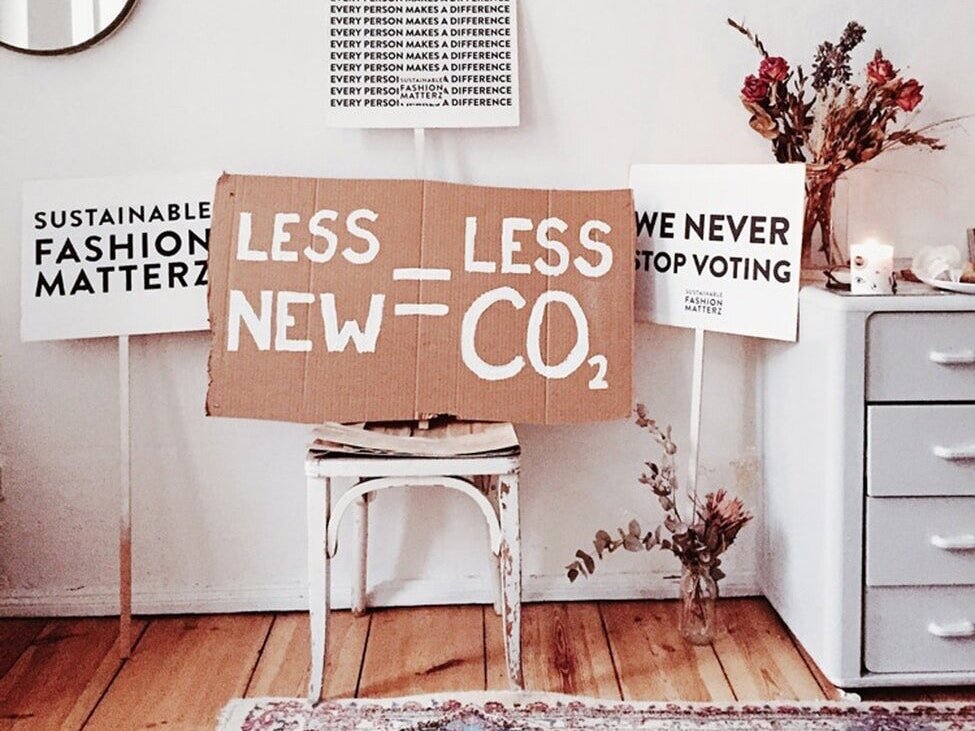
FIVE: Buy less, buy what you love, and make it last
Did you know that globally, the equivalent of a rubbish truck full of textiles and clothing is sent to landfill every second? Or that on average, people only wear 50% of the clothing in their wardrobe anyway?
Fast fashion has sped up the amount of clothing we produce at an alarming rate – with global clothing production doubling in the last 15 years, while on average, garments are being worn less and discarded faster.
One of the best ways to make our wardrobes less impactful on the world around us, is to really consider if we need to make them any bigger. We need to buy less, buy only what we love, and make what we have last. That means washing and storing them carefully, repairing them, and treating them well. Or, as Joan Crawford once said, ‘care for your clothes, like the good friends they are.’
Предлагаем попробовать свои силы и выполнить полное аудирование в формате ЕГЭ. Ответы и полные тексты к аудио даны в спойлерах. Здесь представлен вариант 5.
Задание 1
Вы услышите 6 высказываний. Установите соответствие между высказываниями каждого говорящего А-F и утверждениями, данными в списке 1-7. Используйте каждое утверждение, обозначенное соответствующей цифрой, только один раз. В задании есть одно лишнее утверждение. Вы услышите запись дважды.
Play Задание 1
1. Sadly, many forests are cut down so that homes can be built.
2. In some ways, people can help a forest grow.
3. An unattended fire is a forests worst enemy.
4. We should try to avoid sacrificing forests for farmland.
5. Whatever you bring into the forest must leave with you.
6. A person’s wooden furniture was once an animal’s home.
7. Eco-tourism can raise money to protect forests and the species that live in them.
ответ
A – 5
B – 1
C – 3
D – 4
E – 2
F – 6
Speaker A: My family and I used to go camping when I was a kid. We had such great fun together, sitting by the campfire, roasting marshmallows and telling stories. I didn’t pay much attention to it then> but some of our fellow campers had some bad habits. You would see empty crisp packets and plastic bottles here and there. It wasn’t enough to put you off, but still, the campers should have taken those things with them on their way out.
Speaker B: We’ve all read those terrible stories about the state of the world’s forests, that they’re being cut down or burnt down and little is being done to stop it. It’s disheartening to say the least. I realise that countries grow and need space to accommodate their expanding populations. But still, whenever they clear the woods to build a new residential area, they are destroying wildlife habitat. Where are the birds and the animals going to live?
Speaker С: Camping is a terrific pastime. Still, there are rules to follow when camping in a forest. Breaking some of the rules might not land you in hot water; but one that will is walking away from a campfire while it’s still burning. Even if it’s just on its last smoking embers, all it takes is a few dried leaves to create a raging inferno. You’ll destroy the forest and harm the animals who live there.
Speaker D: Forests are cleared for a number of reasons, and sadly, the progress of mankind has been bad news for our planets trees. As our population continues to grow, more people need food to put on their dinner table. And that means more needs to be grown. Forests have disappeared because land was needed to grow vegetables or herd cattle. It’s too bad we can’t find a way to produce the things we eat without tearing down a forest to do it.
Speaker E: When a fire is ravaging a forest, it’s hard to stop it. The firemen do their job, although their main concern is saving homes. After the fire ends, there’s a mess left to deal with. A forest regenerates over time, but there are organisations that can give it a boost. They gather seeds and plant them in individual containers. When the trees are big enough, they plant them in the forest, giving it a chance to regenerate faster.
Speaker F: On a recent camping trip, my friend spotted a raccoon while we were sitting by the campfire. It quickly ran away when we noticed it, and my friend left the fire to see where it went. She found its whole family in a tree! But I remember her saying, ‘One day, their home could be gone!’ She was right. Many trees are cut down just to end up as someone’s desk. I hope that never happens to that tree.
Задание 2
Вы услышите диалог. Определите, какие из приведённых утверждений A-G соответствуют содержанию текста (1 – True), какие не соответствуют (2 – False) и о чём в тексте не сказано, то есть на основании текста нельзя дать ни положительного, ни отрицательного ответа (3 – Not stated).
Play Задание 2
A) Rob did a lot of walking during his trip to Paris.
В) Jessica didn’t go to Paris with Rob because of her job.
С) Jessica has moved house many times before.
D Rob didn’t have to wait in a queue to climb the stairs.
E) Rob used the lift to get back down from the tower.
F) Rob visited several places the day he visited the Louvre.
G) Jessica will try to convince her parents to take her to Paris.
ответ
A – 1
B – 2
C – 3
D – 1
E – 3
F – 2
G – 1
Jessica: Well, look who’s back from Paris! How was your trip, Rob?
Rob: Hey Jessica, it was really fantastic. I totally loved it. It was a bit tiring, walking round so much, but it was worth it. We definitely had some adventures.
Jessica: I imagine you did! I wanted to go with you but it was very bad timing, what with my family moving house. That was a really big job, you know.
Rob: Right. Well, hopefully you’re all settled in.
Jessica: There are still lots of things to do, unpacking boxes, hanging pictures on the wall, that sort of stuff And I’m not quite used to the new house yet. I’m sure I’ll get used to it in time. So, tell me more about your trip.
Rob: Well, the first day we did the typical tourist things. We walked down the Champs-Elysees, which was remarkable. Then we walked to the Eiffel Tower. The goal was the go to the top, but not in the way we actually did it!
Jessica: Oh, how so?
Rob: The queue for the lift was about two hours long. But the one for the stairs was non-existent! So we decided to climb!
Jessica: Oh, wow. That’s interesting. Good exercise! How long did it take you?
Rob: It took us about forty-five minutes. The view was really spectacular. You can’t take the stairs all the way to the top, though. At some point you have to catch the lift. So we had to wait in the queue for that, although not for very long.
Jessica: Sounds as if you had a great time at the tower. What else did you do?
Rob: The next day we visited the Louvre. Like I said, we did all the touristy stuff Although I have to say, I didn’t feel like a tourist there. It was a very cultural experience. We saw the Mona Lisa and loads of other paintings and statues. The museum is huge as well. That was an all-day event!
Jessica: Oh, I’m so jealous! I’m going to have to beg my parents to take me. It’s all their fault, deciding to move house when my classmates take a trip to Paris!
Rob: Ha! Yeah, that’s a good excuse to get them to take you there. Good luck with that!
Jessica: I’ve got to run, but let’s talk more later, OK?
Rob: Deal. See you later, Jessica.
Задание 3
Вы услышите интервью. В заданиях выберите правильный вариант ответа. Вы услышите запись дважды.
Play Задание 3
1. As a personal shopper, Lisa needs to know …
1) how clothes should be cared for.
2) how much clients spend on clothes.
3) what clothes her clients have bought before.
2. What is Lisa’s job situation like?
1) She works for only one client.
2) She is employed at one shop only.
3) She is in charge of gift buying.
3. For an appointment with a personal shopper, clients have to …
1) pay a set charge for the service.
2) call the shop to book.
3) be available for around 90 minutes.
4. How does Lisa seem to feel about the role of a salesperson?
1) She simply says it’s not her job.
2) She looks down upon the role.
3) She admires the work they do.
5. The majority of Lisa’s recommendations are …
1) based on a person’s body type.
2) for people with high-powered jobs.
3) for people who like going out a lot.
6. How does Lisa convince difficult clients to try new styles?
1) She suggests they get a second opinion from another personal shopper.
2) She recommends that they change their hair colour and make-up.
3) She makes them put new clothes on and have a look.
7. The male personal shopper says that …
1) he has few male clients making appointments.
2) men are easy-going about trying new styles.
3) men often know a lot about the clothes they wear.
ответ
1 – 1
2 – 2
3 – 3
4 – 1
5 – 1
6 – 3
7 – 2
Presenter: Hi folks and welcome to the show, Easy Living. With us today is Lisa Jones. She’s here to talk about her job as a personal shopper. Thanks for joining the programme, Lisa.
Speaker: I’m happy to be here.
Presenter: So tell us what you do as a personal shopper.
Speaker: A personal shopper does a number of things. We’re stylists, so we help people find the right clothes for their lifestyle. We also advise on what type of clothes to buy, which is based on body type as well as personal style, and we advise on how to take care of clothes – whether a type of clothing will shrink in the wash or if it must be drycleaned.
Presenter: How does that work exactly? Can anyone just make an appointment?
Speaker: That’s right. You ring up the shop, or you can visit their website, and you book an appointment. Appointments usually last for about an hour and a half. 7here’s no extra fee for it, actually. I’m paid a percentage of the clothing they buy
Presenter: So you hope they buy a lot of clothes, yes?
Speaker: My number one goal is that they leave the shop satisfied. I don’t want to come over like a salesperson. There are other people in the shop with that role. If I seem that way, I’m not really doing my job. So my focus is on finding the right clothes for the right person.
Presenter: How do you go about doing that?
Speaker: As I said before, a person’s body type is the biggest consideration. Many people buy clothes that don’t fit properly. Because of my experience, I know what styles work best for that. I also try to learn about the client’s lifestyle. Maybe they have a high-level executive position, but also like to socialise in the evenings, so they want clothes that work for both occasions. Others want casual clothes or outfits for different purposes.
Presenter: Do you feel that a lot of people have trouble picking out outfits?
Speaker: Some clients have a good idea of what they want and make sensible choices on their own, but they’d like a second opinion. Others are harder work. I’ve had women who insisted on buying certain colours that didn’t work for their skin type and hair colour. I had to say, “Let’s just try this on and tell me what you think.” Once I’d got them into the right clothes, they were surprised at the difference it made.
Presenter: Do you ever have men booking appointments?
Speaker: More and more often, yes. I don’t do appointments with men myself. We have another personal shopper for that department He’s quite busy and from what I understand, there are easier things about choosing for men, and more difficult things, too. He explains that the men are usually more open to trying new things, but they don’t have a clue about clothes. I think he’s got his work cut out for him!
-
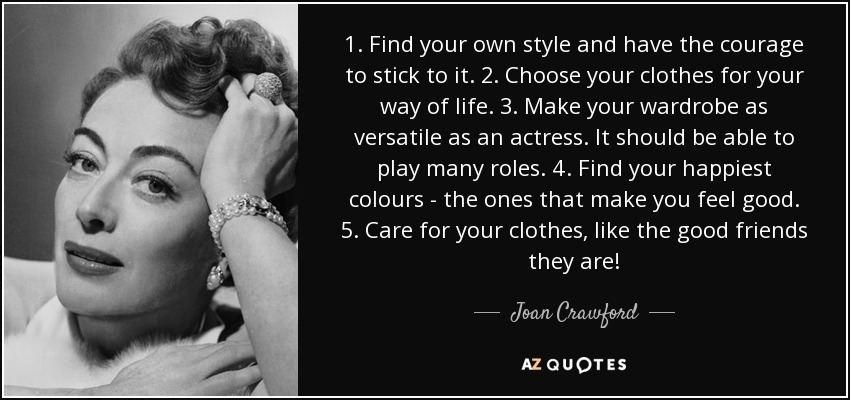
1. Find your own style and have the courage to stick to it. 2. Choose your clothes for your way of life. 3. Make your wardrobe as versatile as an actress. It should be able to play many roles. 4. Find your happiest colours — the ones that make you feel good. 5. Care for your clothes, like the good friends they are!
Joan Crawford (2017). “My Way of Life”, p.79, Graymalkin Media
Topics
- Good Friend
- Feel Good
- Care
- Wardrobe
- Style
- Make You Feel Good
- Fashion
- Able
- Actresses
- Clothes
- Colour
- Feels
- Play
- Roles
- Should
- Sticks
- Way
- Versatile
Embed: