

No one knows exactly how or when coffee was discovered, though there are many legends about its origin.
An Ethiopian Legend
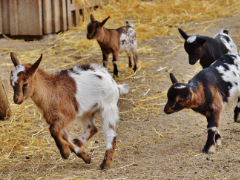 Coffee grown worldwide can trace its heritage back centuries to the ancient coffee forests on the Ethiopian plateau. There, legend says the goat herder Kaldi first discovered the potential of these beloved beans.
The story goes that that Kaldi discovered coffee after he noticed that after eating the berries from a certain tree, his goats became so energetic that they did not want to sleep at night.
Kaldi reported his findings to the abbot of the local monastery, who made a drink with the berries and found that it kept him alert through the long hours of evening prayer. The abbot shared his discovery with the other monks at the monastery, and knowledge of the energizing berries began to spread.
As word moved east and coffee reached the Arabian peninsula, it began a journey which would bring these beans across the globe.
The Arabian Peninsula
Coffee cultivation and trade began on the Arabian Peninsula. By the 15th century, coffee was being grown in the Yemeni district of Arabia and by the 16th century it was known in Persia, Egypt, Syria, and Turkey.
Coffee was not only enjoyed in homes, but also in the many public coffee houses — called qahveh khaneh — which began to appear in cities across the Near East. The popularity of the coffee houses was unequaled and people frequented them for all kinds of social activity.
Not only did the patrons drink coffee and engage in conversation, but they also listened to music, watched performers, played chess and kept current on the news. Coffee houses quickly became such an important center for the exchange of information that they were often referred to as “Schools of the Wise.”
With thousands of pilgrims visiting the holy city of Mecca each year from all over the world, knowledge of this “wine of Araby” began to spread.
Coffee Comes to Europe
European travelers to the Near East brought back stories of an unusual dark black beverage. By the 17th century, coffee had made its way to Europe and was becoming popular across the continent.
Some people reacted to this new beverage with suspicion or fear, calling it the “bitter invention of Satan.” The local clergy condemned coffee when it came to Venice in 1615. The controversy was so great that Pope Clement VIII was asked to intervene. He decided to taste the beverage for himself before making a decision, and found the drink so satisfying that he gave it papal approval.
Despite such controversy, coffee houses were quickly becoming centers of social activity and communication in the major cities of England, Austria, France, Germany and Holland. In England “penny universities” sprang up, so called because for the price of a penny one could purchase a cup of coffee and engage in stimulating conversation.
Coffee began to replace the common breakfast drink beverages of the time — beer and wine. Those who drank coffee instead of alcohol began the day alert and energized, and not surprisingly, the quality of their work was greatly improved. (We like to think of this a precursor to the modern office coffee service.)
By the mid-17th century, there were over 300 coffee houses in London, many of which attracted like-minded patrons, including merchants, shippers, brokers and artists.
Many businesses grew out of these specialized coffee houses. Lloyd’s of London, for example, came into existence at the Edward Lloyd’s Coffee House.
The New World
In the mid-1600’s, coffee was brought to New Amsterdam, later called New York by the British.
Though coffee houses rapidly began to appear, tea continued to be the favored drink in the New World until 1773, when the colonists revolted against a heavy tax on tea imposed by King George III. The revolt, known as the Boston Tea Party, would forever change the American drinking preference to coffee.
«Coffee — the favorite drink of the civilized world.» — Thomas Jefferson
Plantations Around the World
As demand for the beverage continued to spread, there was fierce competition to cultivate coffee outside of Arabia.
The Dutch finally got seedlings in the latter half of the 17th century. Their first attempts to plant them in India failed, but they were successful with their efforts in Batavia, on the island of Java in what is now Indonesia.
The plants thrived and soon the Dutch had a productive and growing trade in coffee. They then expanded the cultivation of coffee trees to the islands of Sumatra and Celebes.
Coming to the Americas
In 1714, the Mayor of Amsterdam presented a gift of a young coffee plant to King Louis XIV of France. The King ordered it to be planted in the Royal Botanical Garden in Paris. In 1723, a young naval officer, Gabriel de Clieu obtained a seedling from the King’s plant. Despite a challenging voyage — complete with horrendous weather, a saboteur who tried to destroy the seedling, and a pirate attack — he managed to transport it safely to Martinique.
Once planted, the seedling not only thrived, but it’s credited with the spread of over 18 million coffee trees on the island of Martinique in the next 50 years. Even more incredible is that this seedling was the parent of all coffee trees throughout the Caribbean, South and Central America.
The famed Brazilian coffee owes its existence to Francisco de Mello Palheta, who was sent by the emperor to French Guiana to get coffee seedlings. The French were not willing to share, but the French Governor’s wife, captivated by his good looks, gave him a large bouquet of flowers before he left— buried inside were enough coffee seeds to begin what is today a billion-dollar industry.
Missionaries and travelers, traders and colonists continued to carry coffee seeds to new lands, and coffee trees were planted worldwide. Plantations were established in magnificent tropical forests and on rugged mountain highlands. Some crops flourished, while others were short-lived. New nations were established on coffee economies. Fortunes were made and lost. By the end of the 18th century, coffee had become one of the world’s most profitable export crops. After crude oil, coffee is the most sought commodity in the world.
HISTORY OF COFFEE
No one knows exactly how or when coffee was discovered, though there are many legends about its origin.
An Ethiopian Legend
Coffee grown worldwide can trace its heritage back centuries to the ancient coffee forests on the Ethiopian plateau. There, legend says the goat herder Kaldi first discovered the potential of these beloved beans.
The story goes that that Kaldi discovered coffee after he noticed that after eating the berries from a certain tree, his goats became so energetic that they did not want to sleep at night.
Kaldi reported his findings to the abbot of the local monastery, who made a drink with the berries and found that it kept him alert through the long hours of evening prayer. The abbot shared his discovery with the other monks at the monastery, and knowledge of the energizing berries began to spread.
As word moved east and coffee reached the Arabian peninsula, it began a journey which would bring these beans across the globe.
Coffee Comes to Europe
By the 17th century, coffee had made its way to Europe and was becoming popular across the continent.
Despite such controversy, coffee houses were quickly becoming centers of social activity and communication in the major cities of England, Austria, France, Germany and Holland.
Coffee began to replace the common breakfast drink beverages of the time — beer and wine.
Asked by: Ms. Ora Rempel
Score: 4.4/5
(9 votes)
The story of tea begins in China. According to legend, in 2737 BC, the Chinese emperor Shen Nung was sitting beneath a tree while his servant boiled drinking water, when some leaves from the tree blew into the water. Shen Nung, a renowned herbalist, decided to try the infusion that his servant had accidentally created.
Who made the first tea in the world?
Ancient China: The Birthplace of Tea
The history of tea dates back to ancient China, almost 5,000 years ago. According to legend, in 2732 B.C. Emperor Shen Nung discovered tea when leaves from a wild tree blew into his pot of boiling water.
What country does tea come from?
Although tea was discovered in China nearly five thousand years ago, it took several thousand years before the plant, botanical name Camellia sinensis, found its way to other parts of the world.
Who invented tea in India?
The credit for creating India’s vast tea empire goes to the British, who discovered tea in India and cultivated and consumed it in enormous quantities between the early 1800s and India’s independence from Great Britain in 1947.
Who invented tea with milk?
The History of Adding Milk to Tea
Tea arrived in Briton in 1660, however in 1655, a Dutch traveler by the name of Jean Nieuhoff experienced tea with milk at a banquet in Canton given by the Chinese Emperor Shunzhi. Tibetans have been using butter to flavor their tea since before the 10th century.
42 related questions found
Why do British put milk in tea?
The answer is that in the 17th and 18th centuries the china cups tea was served in were so delicate they would crack from the heat of the tea. Milk was added to cool the liquid and stop the cups from cracking. This is why, even today, many English people add milk to their cups BEFORE adding the tea!
What tea does Queen Elizabeth drink?
Her Majesty starts each morning in a quintessentially British way with a cup of tea and biscuits, according to former Royal Chef Darren McGrady. She may have a fancy chef but her choice in tea isn’t lavish at all. The Queen drinks Earl Grey, Assam and Darjeeling tea with a splash of milk and no sugar.
Who had tea first China or India?
Not to be outdone, Indians believe that tea originated in India and the leaves were carried to China by Bodhidharma in 6th c. BCE, an Indian Buddhist monk who founded Zen Buddhism.
Which country tea is best in the world?
The top 10 countries that serve the world’s best tea
- 1 MOROCCO. …
- 2 SRI LANKA. …
- 3 INDIA. …
- 4 CHINA. …
- 5 JAPAN. …
- 6 UNITED KINGDOM. …
- 7 TURKEY. …
- 8 KENYA.
What tea means in slang?
Tea. … Spill the tea, according to the first definition published in Urban Dictionary, means “gossip or personal information belonging to someone else; the scoop; the news.” The term, in its purest form, is used for gossip and to indicate that yours is the juiciest of news.
What are the 5 types of tea?
As for types of tea, the five main groups are white, green, oolong, black, and pu’erh.
What country did coffee originate from?
An Ethiopian Legend
Coffee grown worldwide can trace its heritage back centuries to the ancient coffee forests on the Ethiopian plateau. There, legend says the goat herder Kaldi first discovered the potential of these beloved beans.
Which came first coffee or tea?
It is thought to have been first cultivated in China by Emperor Shen Nung in 2700 BCE. On the other hand, coffee was first discovered in Yemen around 900 CE, almost three thousand years later! Tea is also the most popularly consumed beverage in the world, after water.
Why is tea called tea?
As the tea was pronounced “te” in the local Minnan dialect, those Spanish and Dutch colonizers started to use that name. … So then “tea” specifically refers to a drink brewed from raw tea leaves.
Which City is known as City of Lakes?
Picturesque and elegant, Udaipur is known by many names, including “the City of Lakes”. Undoubtedly one of India’s most romantic cities, it nestles between the glassy waters of its famous lakes and the ancient Aravelli Hills.
Which City is famous for tea?
China. China is considered the ‘birthplace’ of tea and Hangzhou in China is famous for its premium green tea called Longjing Tea, literally translated as Dragon Well Tea.
Which City is known as City of Joy?
Kolkata has rightly been called the ‘City of Joy’ by French author Dominique Lapierre. Kolkatans know how to enjoy — be it Durga Puja, Christmas or New Year celebrations.
Which country has the best milk tea?
Best destinations for bubble tea
- Taichung, Taiwan. Try bubble tea in the city it was invented in. …
- Portland, Oregon, USA. Portland’s rainy weather is perfectly suited for a warm bubble tea. …
- Tokyo, Japan. You can try more than 30 flavours at Gong Cha in Harajuku. …
- London, England. …
- Singapore.
Which tea is best?
True teas, including green tea, black tea and oolong tea, are brewed from the leaves of the Camellia sinensis plant.
…
10 Healthy Herbal Teas You Should Try
- Chamomile Tea. Share on Pinterest. …
- Peppermint Tea. …
- Ginger Tea. …
- Hibiscus Tea. …
- Echinacea Tea. …
- Rooibos Tea. …
- Sage Tea. …
- Lemon Balm Tea.
Which is the costliest tea in the world?
Valued around a whopping $1.2 million per kg, Da-Hong Pao tea is the most expensive tea in the world grown in the Wuyi mountains of Fujian province of China and declared a national treasure for its rarity.
What is the Queen’s favorite food?
Following this, it is reported that Queen Elizabeth is fond of some grilled fish or chicken, and tends to stay away from starch for her meal at lunch. It’s clearly the simple things, that Queen Elizabeth prefers when it comes to food! For fish, the Queen loves some Dover Sole with wilted spinach or courgettes.
What tea does Prince Charles drink?
Prince Charles likes his tea prepared a certain way.
For green tea, the water should be heated to 70C degrees Celsius and it should be 100 degrees Celsius for Earl Grey. He also loves organic honey added straight to the teapot and the cups arranged just so with a teaspoon under the handle.
What does the Queen eat everyday?
House and Garden reported that the Queen starts her day with Earl Grey tea – minus milk and sugar – and a side of biscuits alongside her corgis. She then takes her main breakfast in her private dining room in Buckingham Palace; cereal, yoghurt, toast and marmalade are said to be the mother-of-four’s favourites.
by Dr. Adhid Miri
Part I
No one knows exactly how or when coffee was discovered, though there are many legends about its origin.
The study of the history of coffee, the discovery of its origin, and the adventures of its spread constitute an interesting cinematic story, an epic film with tales of love and revenge, shepherds, sheep, kings, magicians, pirates and sailors, sacrifice, seduction, controversy, political and religious persecution, popes, saboteurs, savage rulers, sleepy monks, songs, and pirouetting goats.
This article is the first part of a summary from that colorful history.
Ethiopian coffee forests
Coffee now grown worldwide can trace its heritage back centuries to the ancient coffee forests on the Ethiopian plateau, where legend says a goat herder first discovered the potential of these beloved beans. From its humble beginnings in tribal Ethiopia to its religious use by the Sufis in Yemen, on the back of the Ottoman Empire until its Western foundation, the coffee bean would see an empire rise and fall, cross religious boundaries, and help new nations such as the United States, India, Indonesia, and South America develop into major trading powers.
Above all, thanks to the role of the humble coffee house, the modern world discovered an age of intellectual advancement emphasized by the evolution of the police force, an insurance system, stock exchange, and a multitude of corporate societies.
Not surprisingly, the facts of the story link history geographically between the place of origin of coffee and the beginnings of human evolution. The story is a great mixture of fact and fantasy, contradictions, myths, and tales — just like real life.
Scientific theories and archaeological discoveries such as the mummy scientists named “Lucy” suggest the emergence of Neanderthals in central East Africa. Coincidently, the first discovery of coffee trees and coffee as wild plants was in the Kaffa region, located in south central Ethiopia, where coffee trees are abundantly loaded with their red “olives” under the care of benevolent nature and abundant sun to this very day.
Ethiopian legend of Kaldi
Most agree that coffee had been used as a beverage or food in Ethiopia long before the stories of its “discovery” began circulating. One of the most popular tales of the bean’s discovery concerns a goat-herder named Kaldi. The legend of coffee as a refreshing substance and an amazingly fragrant plant began due to chance, intelligence, prudence, and the enhanced eyes of an Abyssinian shepherd.
One day while the young goat-herder was grazing his flock on the upland plains of Kaffa in western Ethiopia, he noticed his goats were behaving strangely. They became particularly frisky after eating the leaves and berries of a particular shrub. Kaldi observed an old buck had lost his dignity and was cavorting about like a young kid. The once-goatly demeanor of the rest of the herd had vanished as well.
Kaldi noticed that some of his flock’s goats were unusually active, kicking for no reason, jumping in the air without manners, and dancing together with joy after eating the red “olives” from a certain wilderness tree. This prompted Kaldi to try these olives himself. Not surprisingly, he did not like the taste. However, he too experienced a similar feeling of activity and pleasure that pushed him strongly to explore the secret of these cherry olives.
Having recently suffered a lamentable emotional setback, the goat herder looked with envy at the cavorting goats and thought, “Why not me?” He decided to try some, he flung himself upon a bush and gulped berry with abandon. He became the happiest goat-herder for miles around. He danced when the goat danced, ate berries when the goats ate berries and naturally made his parents worried.
Kaldi could have taken his miraculous discovery to the grave with him, but fate was kind to us.
Neither Kaldi nor his goats knew that caffeine, the main ingredient in coffee, was a stimulant and large concentrations in the body would energize a person, giving him a buzz along with excessive energy.
A monk happened to pass by and was astounded to see a beautiful ballet was happening in front of him. As the old buck narcissistically posed, the other goats were pirouetting with remarkable skill and Kaldi danced with wild recklessness. The monk was amazed and asked Kaldi exactly what caused this salubrious madness. Kaldi confessed.
Collecting a handful of the “cherry olives,” Kaldi returned to his village and presented them to the village Chief Abbot for counsel. He was eager to solve the magical mystery of this plant that played with the minds, bodies, and behaviors of his goats.
Seeing the berries as the solution to his problem of falling asleep during prayers, Kaldi took the “magic” berries to his nearby monastery where the Abbot, believing them to be the work of the Devil, threw them into the fire. The heat of the fire released the wonderful aroma of the coffee and the berries were hastily rescued from the flames.
The clan’s Sheikh, Abbot and monks conducted many experiments on the soft red olives. They studied the powder of its green seed inside and experimented with its bitter taste. They concluded that these berries were an abomination and the product of Satan, deciding ultimately to burn them in the fiery furnace. Again, as fate would have it, as was the game of these berries, came the sweet, unfamiliar fragrant scent — the smell of roasted coffee beans. Today known as the nectar of angels, perfume from heaven, they needed rescue.
Amazed, the monks hurried to save the roasted olives from the destruction of the fire. They put the coffee beans in a bowl of water and shared the fragrant liquid with the rest of the monks. All were able to experience and taste the refreshing and invigorating effect of this magical plant.
This event was the beginning of the monks’ addiction to the consumption and use of this blessed “divine olive.” Its effects helped them expel drowsiness during prayer. They hastened to distance the idea of demonization and indeed supported the notion that these berries were a gift from the angels to the people of the earth.
The monks had the foresight of drying and boiling the roasted fruit of Kaldi once they discovered the invigorating and exhilarating effects of the hot black beverage. These ingenious monks had given the world coffee.
Yemen and Arabia
Although the first homeland of coffee is the hills of Ethiopia, the evidence, history, and geography indicate its spread in the country of Yemen.
Everyone seems to agree that coffee began being regularly cultivated in sixth century Yemen, on the southern tip of the Arabian Peninsula. It is also believed by some scholars that the coffee plant reached Yemen during the Abyssinian invasion of Arabia and that the Arabs were first to introduce and develop the beverage. The plant reached that region through the maritime trade line of the Red Sea merchants.
The credit for the development, cultivation and spread of coffee bushes goes back to the Arabs, who turned it from a bitter olive into a refreshing, invigorating drink. They developed the methods of roasting it and knew the benefits of dissolving it in hot water.
Coffee, both white and black, became the preferred drink in the Arab world, quickly becoming a popular beverage throughout the entire Islamic world and in areas under Arab influence. Its popularity was bolstered by the fact that alcoholic drinks are forbidden by the Qur’an.
The Arabs tried their best to monopolize the spread of coffee, legislating laws and setting controls to protect and control it after they discovered its importance and magical medicinal benefits. This short-lived monopoly was cracked through the determination and tricks of a pilgrim, Baba Budan, who in the early seventeenth century smuggled seven “olive” trees from Mecca to the tropical Mysore region in the Indian continent, where he started a new plantation.
The ease of transporting coffee beans and the success of their cultivation in the tropics of countries located on the equator made it very difficult to limit and contain their presence in one geographical spot. They found homes very far from their birthplace, in the tropics of Central and South America, Brazil, Hawaii and Southeast Africa, India, Java, Indonesia and other areas, by the means of sailors, settlers, and colonial conquests.
The Ottomans
The Ottoman Empire inherited this magical substance after its colonization of the Arabian Peninsula and North Africa. The sultans, rulers, and the pious at first considered coffee to be the drink of devils. It was forbidden for consumption in homes, councils, schools of wisdom (the forerunners of today’s coffee shops) and what was called “Qahwa khana” — coffee dens.
The Empire denounced coffee dens, alleging that they kept men away from their homes. With their appreciation of music, enjoyment of playing dice games, chance fortunes, and preoccupation with discussing religion and current affairs of the hour, and the planning of political activities, coffee dens were considered illicit.
The sultans called these schools of wisdom “the stronghold of sins” and worked to abolish their legitimacy. These gathering places of intellectual activity were often perceived by rulers as subversive. Political leaders labeled them “hotbeds of sedition” and declared them illegal and ordered them shut down.
The Ottoman Grand Vizier Kuprili ordered all coffeehouses of the empire closed and punished the undeterred faithful by beating them. A second offence resulted in being sewn into a leather bag and thrown into a river for re-violating the ministerial order. This made it a hard lesson for the drinkers to ignore.
By the 15th century, Turkish law and culture stated that a woman had the freedom to divorce her husband if he did not provide her with enough coffee. That is how important coffee became to them.
Coffee Travels to Europe
Coffee arrived in Europe in small quantities and in various ways at the beginning of the seventeenth century. Despite its limited spread and the scarcity of its drinkers, it was known as “the wine of the Arabs.”
Coffee usage eventually spread, through the Ottoman invasions of the Balkan countries, and Central and North Africa. The Ottoman armies brought it with supplies and foodstuffs such as rice, flour, dates, and fats to support their armies. Coffee was included because of the desirable stimulant effect of helping the military guards stay awake.
The battles and ultimate defeat of the Turks at the gates of the Austrian capital Vienna in 1682 opened the opportunity for coffee to spread throughout Europe, as the Turkish armies left behind all kinds of supplies, including large coffee pots.
The Austrians soon learned to make the aromatic beverage, serving it with a cake called “Kipfel,” a cake shaped like a crescent moon. (This crescent moon shape appeared on the invading force’s flag in celebration of their defeat of the Turks and their victory over the Ottomans.) The crescent shaped cake has evolved to become known today as a croissant.
Coffee found its way to Italy through the Phoenician merchants at the beginning of the sixteenth century through the sea shipping lines between the port Mocha located on the Red Sea in southern Yemen and the Italian city of Venice.
In Italy, coffee found its way with the help of Venetian trade merchants who established the Mocha-Venice route around 1615. The clergy reacted by beseeching Pope Clement VIII to ban the “brew of the Devil.”
His Holiness Pope Clement was among those who boycotted coffee in public and who drank it in secret. He was able, by virtue of his position, will and sanctity, to laugh at the Devil, and he issued a papal bully and exercised his will by baptizing the drink before drinking it, thus turning it “lawful and holy.”
From that day, coffee became the favorite drink of Italians. Cafes of all kinds spread in Europe, where its social and economic importance lay in being a meeting place for great thinkers and a den for incendiary political thought.
In Paris, one of the cafés near the Bastille Prison saw the first spark of the French Revolution on July 14, 1789. The coffee house is said to have been the root of intellectualism that led to the revolt.
Lloyds of London
In the seventeenth century, King Charles II, the King of England, outlawed coffee houses after noticing that they attracted both upper and lower classes. The intellectualizing happening in these houses was considerably different from that going on at the pubs, and he referred to them as “penny universities.”
Charles II abolished the legitimacy of coffeehouses in his country with a royal decree. Because they gathered under one roof aristocratic, working class citizens, and downtrodden classes of society, the debates and conspiracies discussed between their walls were completely different from what was happening in pubs and bars, and therefore, a threat to the Kingdom!
His decree was recanted a few days after it was issued as a result of the furor it created. By the end of the 17th century there were nearly two thousand coffee houses in London. In fact, several great British institutions can trace their roots back to these humble beginnings.
The London Stock Exchange was born in 1698 in Jonathan’s Coffee House, where gentlemen met to set stock and commodity prices. Auctions in salerooms attached to coffee houses were the beginnings of the great auction houses of Sotheby’s and Christies. The famous insurance brokerage Lloyds of London had its origins in Lloyds Coffee House on Lombard Street, run by Edward Lloyd, where merchants, shippers and underwriters of ship insurance met to do business.
Plantations Around the World
Back in 1690, some Dutch men managed to take coffee seeds from Yemen and very carefully planted them in greenhouses of the botanical gardens in Amsterdam. From here, several plants were sent out to the Dutch colonies in the East Indies, most notably to Java and Sumatra in Indonesia.
One of the most romantic episodes in the history of coffee had to do with a plant that was the property of King Louis XIV of France. Very few Europeans had coffee plants and those who did were looked upon with envy. This plant was a treasured gift from the Mayor of Amsterdam, received by the king in 1714 and nursed in the greenhouses of Versailles. It was coveted by all.
The significance of that single plant cannot be overemphasized. Coffee plants are self-propagating. The heritage of most of the coffee plants alive today in the French Colonies, South and Central America, and Mexico can be traced back to the coffee plant of King Louis XIV.
The New World
In I723 Captain Gabriel Mathieu de Clieu arrived at the French island colony Martinique with a plant he had obtained with great difficulty in France. It had been given to him by the royal family doctor M. de Chirac. The captain’s journey was beset with much difficulty, involving pirates, storms, freshwater rationing, and jealous sailors. When the plant finally arrived in Martinique it was placed under 24-hour guard. Fifty years later there were nearly 19 million coffee trees on the island.
Coffee plants in Brazil and most of South America are said to be the consequence of an affair involving the wife of the French governor of Guyana Protectorate and a Brazilian ambassador. A farewell bouquet given to the Brazilian by the governor’s wife contained flowering coffee branches. In Brazil, the plants found the ideal soil and climate. The country produces about third of the world’s supply, according to the International Coffee Organizations, about twice as much as the second-place holder, Vietnam.
From Brazil, the plant continued its journey. In the following years, coffee growing spread to other countries of South and Central America: to Mexico in 1740, to Venezuela in I784, and to Colombia and other tropical countries by the end of the seventeenth century.
Coffee comes to America
Our nation’s 26th president, Theodore Roosevelt, loved coffee so much that one of his son’s described his custom cup as “more in the nature of a bathtub.” On a 1907 visit to Andrew Jackson’s former estate, the commander-in-chief supposedly dubbed a cup of Maxwell House’s coffee “good to the last drop,” a catchphrase still used today.
As for North America, the coffee plant arrived before the French captain de Cliue in 1660, to the city of New Amsterdam. The city changed its name to New York four years later, after its colonization and expulsion of the Dutch by the English.
The new English rulers found the custom of drinking coffee already well established, albeit still the prerogative of the more prosperous classes. The other social classes were still fond of tea, which was cheaper because it was imported from England and its colonies in the Indian continent.
However, this situation did not last long. In 1773, King George imposed a heavy tax on tea. The people rebelled at once and the citizens of Boston attacked the English ships and threw their cargo of tea into Boston’s harbor waters. This episode went down in history as the “Boston Tea Party.” It marked a change in the fortune of coffee in North America. Within a few years it became the national beverage. In the lead up to the Revolutionary War, it became patriotic to sip coffee, with nicknames such as “Java” and “Joe,” in lieu of tea. The Civil War also made the drink more pervasive because it helped energize tired troops.
Coffee in Iraq
Iraqis knew coffee before tea. Cafés were scattered in the cities where the owners offered their customers Arabic coffee, loqum pastry and ginger, in addition to the early morning drink called Qondagh, which is sugar dissolved in hot water.
Despite the introduction of tea to Iraq during the time of the Turkish governor, Medhat Pasha, it did not reach its popularity among Iraqi society until after the British forces entered. In the beginning, drinking tea at home was limited to the evening period and Qondagh remained the preferred drink in the morning. In parts II and III of this story we will cover the evolution of coffee houses, famous cafes, and old coffee houses in Iraq.
{
  ...
  "related_questions": [
    {
      "question": "Who is Michael Faraday and why is he important?",
      "snippet": "Michael Faraday, (born September 22, 1791, Newington, Surrey, England—died August 25, 1867, Hampton Court, Surrey), English physicist and chemist whose many experiments contributed greatly to the understanding of electromagnetism.",
      "title": "Michael Faraday | Biography, Inventions, & Facts | Britannica",
      "link": "https://www.britannica.com/biography/Michael-Faraday",
      "displayed_link": "https://www.britannica.com › ... › Physics › Physicists",
      "thumbnail": "https://encrypted-tbn0.gstatic.com/images?q=tbn:ANd9GcSXvvG7K_xW2Q7gxAu0DI54ODHMyL8Sqto7ooE86AOn&s=36",
      "next_page_token": "eyJvbnMiOiI2MjAiLCJmYyI6IkVxRUJDbUpCUVhSV2JHSkJkRnBXVnpOMWFFZFhTUzB5UVZCVGRtVXliRk5HUkRGQ1pXUTRkRXhLVmxKdGQyMVhaRkJWUzBveFUzaENkbk5aTURCRlppMXZMVnBwTFRsdllYcDJPVXRPZG5SQ05qTmhRMEpyUW01UmRFZzNVRlkxUjJRdGVqaEtaeElYY1U1RVNGbHdUSGxQVDBkWmExQkpVREpaWVRGdlFWa2FJa0ZFVlhsRlIyVkRTVWg1Y1ZGNGNTMWxSelJtWm5sdU1XVXlVRmwxZFRCNGFXYyIsImZjdiI6IjMiLCJlaSI6InFOREhZcEx5T09HWWtQSVAyWWExb0FZIiwicWMiOiJDaFozYUc4Z2FYTWdiV2xqYUdGbGJDQm1ZWEpoWkdGNUVBQjlBUGdSUHciLCJxdWVzdGlvbiI6IldobyBpcyBNaWNoYWVsIEZhcmFkYXkgYW5kIHdoeSBpcyBoZSBpbXBvcnRhbnQ/IiwibGsiOiJHaTUzYUc4Z2FYTWdiV2xqYUdGbGJDQm1ZWEpoWkdGNUlHRnVaQ0IzYUhrZ2FYTWdhR1VnYVcxd2IzSjBZVzUwIiwiYnMiOiJjLU15NGRJUHo4aFh5Q3hXOE0xTXpraE16VkZ3U3l4S1RFbXNWRWpNUzFFb3o2Z0VTV1drS21UbUZ1UVhsU1RtbGRoTFRCRGswdVhTQ005SUxNR21MVGVfdUVRaExURTN2N1JZSVMyX3lGN2lxQ2lYT3BjU1dIbEtaZ3FHLXBUTTR1VDhzbFNnd2dzeFhIcGNtaDc1NVZqVkFYbDU2YWtLSlVDM2xPY1g1YVRZUzB3c0VtQUVBQSJ9",
      "serpapi_link": "https://serpapi.com/search.json?device=desktop&engine=google_related_questions&google_domain=google.com&next_page_token=eyJvbnMiOiI2MjAiLCJmYyI6IkVxRUJDbUpCUVhSV2JHSkJkRnBXVnpOMWFFZFhTUzB5UVZCVGRtVXliRk5HUkRGQ1pXUTRkRXhLVmxKdGQyMVhaRkJWUzBveFUzaENkbk5aTURCRlppMXZMVnBwTFRsdllYcDJPVXRPZG5SQ05qTmhRMEpyUW01UmRFZzNVRlkxUjJRdGVqaEtaeElYY1U1RVNGbHdUSGxQVDBkWmExQkpVREpaWVRGdlFWa2FJa0ZFVlhsRlIyVkRTVWg1Y1ZGNGNTMWxSelJtWm5sdU1XVXlVRmwxZFRCNGFXYyIsImZjdiI6IjMiLCJlaSI6InFOREhZcEx5T09HWWtQSVAyWWExb0FZIiwicWMiOiJDaFozYUc4Z2FYTWdiV2xqYUdGbGJDQm1ZWEpoWkdGNUVBQjlBUGdSUHciLCJxdWVzdGlvbiI6IldobyBpcyBNaWNoYWVsIEZhcmFkYXkgYW5kIHdoeSBpcyBoZSBpbXBvcnRhbnQ%2FIiwibGsiOiJHaTUzYUc4Z2FYTWdiV2xqYUdGbGJDQm1ZWEpoWkdGNUlHRnVaQ0IzYUhrZ2FYTWdhR1VnYVcxd2IzSjBZVzUwIiwiYnMiOiJjLU15NGRJUHo4aFh5Q3hXOE0xTXpraE16VkZ3U3l4S1RFbXNWRWpNUzFFb3o2Z0VTV1drS21UbUZ1UVhsU1RtbGRoTFRCRGswdVhTQ005SUxNR21MVGVfdUVRaExURTN2N1JZSVMyX3lGN2lxQ2lYT3BjU1dIbEtaZ3FHLXBUTTR1VDhzbFNnd2dzeFhIcGNtaDc1NVZqVkFYbDU2YWtLSlVDM2xPY1g1YVRZUzB3c0VtQUVBQSJ9"
    },
    {
      "question": "What did Michael Faraday discover?",
      "snippet": "In 1831, Faraday discovered electromagnetic induction, the principle behind the electric transformer and generator. This discovery was crucial in allowing electricity to be transformed from a curiosity into a powerful new technology.",
      "title": "History - Michael Faraday - BBC",
      "link": "https://www.bbc.co.uk/history/historic_figures/faraday_michael.shtml",
      "displayed_link": "https://www.bbc.co.uk › history › historic_figures › far...",
      "next_page_token": "eyJvbnMiOiI2MjAiLCJmYyI6IkVxRUJDbUpCUVhSV2JHSkJkRnBXVnpOMWFFZFhTUzB5UVZCVGRtVXliRk5HUkRGQ1pXUTRkRXhLVmxKdGQyMVhaRkJWUzBveFUzaENkbk5aTURCRlppMXZMVnBwTFRsdllYcDJPVXRPZG5SQ05qTmhRMEpyUW01UmRFZzNVRlkxUjJRdGVqaEtaeElYY1U1RVNGbHdUSGxQVDBkWmExQkpVREpaWVRGdlFWa2FJa0ZFVlhsRlIyVkRTVWg1Y1ZGNGNTMWxSelJtWm5sdU1XVXlVRmwxZFRCNGFXYyIsImZjdiI6IjMiLCJlaSI6InFOREhZcEx5T09HWWtQSVAyWWExb0FZIiwicWMiOiJDaFozYUc4Z2FYTWdiV2xqYUdGbGJDQm1ZWEpoWkdGNUVBQjlBUGdSUHciLCJxdWVzdGlvbiI6IldoYXQgZGlkIE1pY2hhZWwgRmFyYWRheSBkaXNjb3Zlcj8iLCJsayI6IkdpRjNhR0YwSUdScFpDQnRhV05vWVdWc0lHWmhjbUZrWVhrZ1pHbHpZMjkyWlhJIiwiYnMiOiJjLU15NGRJUHo4aFh5Q3hXOE0xTXpraE16VkZ3U3l4S1RFbXNWRWpNUzFFb3o2Z0VTV1drS21UbUZ1UVhsU1RtbGRoTFRCRGswdVhTQ005SUxNR21MVGVfdUVRaExURTN2N1JZSVMyX3lGN2lxQ2lYT3BjU1dIbEtaZ3FHLXBUTTR1VDhzbFNnd2dzeFhIcGNtaDc1NVZqVkFYbDU2YWtLSlVDM2xPY1g1YVRZUzB3c0VtQUVBQSJ9",
      "serpapi_link": "https://serpapi.com/search.json?device=desktop&engine=google_related_questions&google_domain=google.com&next_page_token=eyJvbnMiOiI2MjAiLCJmYyI6IkVxRUJDbUpCUVhSV2JHSkJkRnBXVnpOMWFFZFhTUzB5UVZCVGRtVXliRk5HUkRGQ1pXUTRkRXhLVmxKdGQyMVhaRkJWUzBveFUzaENkbk5aTURCRlppMXZMVnBwTFRsdllYcDJPVXRPZG5SQ05qTmhRMEpyUW01UmRFZzNVRlkxUjJRdGVqaEtaeElYY1U1RVNGbHdUSGxQVDBkWmExQkpVREpaWVRGdlFWa2FJa0ZFVlhsRlIyVkRTVWg1Y1ZGNGNTMWxSelJtWm5sdU1XVXlVRmwxZFRCNGFXYyIsImZjdiI6IjMiLCJlaSI6InFOREhZcEx5T09HWWtQSVAyWWExb0FZIiwicWMiOiJDaFozYUc4Z2FYTWdiV2xqYUdGbGJDQm1ZWEpoWkdGNUVBQjlBUGdSUHciLCJxdWVzdGlvbiI6IldoYXQgZGlkIE1pY2hhZWwgRmFyYWRheSBkaXNjb3Zlcj8iLCJsayI6IkdpRjNhR0YwSUdScFpDQnRhV05vWVdWc0lHWmhjbUZrWVhrZ1pHbHpZMjkyWlhJIiwiYnMiOiJjLU15NGRJUHo4aFh5Q3hXOE0xTXpraE16VkZ3U3l4S1RFbXNWRWpNUzFFb3o2Z0VTV1drS21UbUZ1UVhsU1RtbGRoTFRCRGswdVhTQ005SUxNR21MVGVfdUVRaExURTN2N1JZSVMyX3lGN2lxQ2lYT3BjU1dIbEtaZ3FHLXBUTTR1VDhzbFNnd2dzeFhIcGNtaDc1NVZqVkFYbDU2YWtLSlVDM2xPY1g1YVRZUzB3c0VtQUVBQSJ9"
    },
    {
      "question": "How did Michael Faraday change the world?",
      "snippet": "He discovered electromagnetic induction Faraday changed all that when he discovered electromagnetic induction in 1831. Through his innovative experiments, he found that by placing a conductor in a changing magnetic field, it would produce voltage across the conductor.Nov 17, 2016",
      "title": "4 Ways Michael Faraday Revolutionized the World",
      "link": "https://flatironschool.com/blog/3-ways-michael-faraday-revolutionized-the-world/",
      "displayed_link": "https://flatironschool.com › blog › 3-ways-michael-farada...",
      "thumbnail": "https://encrypted-tbn0.gstatic.com/images?q=tbn:ANd9GcTRKguCDLnBoyCzNCuAC_dabZoNdGyAtI0LLFFlB5GaUw&s",
      "next_page_token": "eyJvbnMiOiI2MjAiLCJmYyI6IkVxRUJDbUpCUVhSV2JHSkJkRnBXVnpOMWFFZFhTUzB5UVZCVGRtVXliRk5HUkRGQ1pXUTRkRXhLVmxKdGQyMVhaRkJWUzBveFUzaENkbk5aTURCRlppMXZMVnBwTFRsdllYcDJPVXRPZG5SQ05qTmhRMEpyUW01UmRFZzNVRlkxUjJRdGVqaEtaeElYY1U1RVNGbHdUSGxQVDBkWmExQkpVREpaWVRGdlFWa2FJa0ZFVlhsRlIyVkRTVWg1Y1ZGNGNTMWxSelJtWm5sdU1XVXlVRmwxZFRCNGFXYyIsImZjdiI6IjMiLCJlaSI6InFOREhZcEx5T09HWWtQSVAyWWExb0FZIiwicWMiOiJDaFozYUc4Z2FYTWdiV2xqYUdGbGJDQm1ZWEpoWkdGNUVBQjlBUGdSUHciLCJxdWVzdGlvbiI6IkhvdyBkaWQgTWljaGFlbCBGYXJhZGF5IGNoYW5nZSB0aGUgd29ybGQ/IiwibGsiOiJHaWhvYjNjZ1pHbGtJRzFwWTJoaFpXd2dabUZ5WVdSaGVTQmphR0Z1WjJVZ2RHaGxJSGR2Y214ayIsImJzIjoiYy1NeTRkSVB6OGhYeUN4VzhNMU16a2hNelZGd1N5eEtURW1zVkVqTVMxRW96NmdFU1dXa0ttVG1GdVFYbFNUbWxkaExUQkRrMHVYU0NNOUlMTUdtTFRlX3VFUWhMVEUzdjdSWUlTMl95RjdpcUNpWE9wY1NXSGxLWmdxRy1wVE00dVQ4c2xTZ3dnc3hYSHBjbWg3NTVWalZBWGw1NmFrS0pVQzNsT2NYNWFUWVMwd3NFbUFFQUEifQ==",
      "serpapi_link": "https://serpapi.com/search.json?device=desktop&engine=google_related_questions&google_domain=google.com&next_page_token=eyJvbnMiOiI2MjAiLCJmYyI6IkVxRUJDbUpCUVhSV2JHSkJkRnBXVnpOMWFFZFhTUzB5UVZCVGRtVXliRk5HUkRGQ1pXUTRkRXhLVmxKdGQyMVhaRkJWUzBveFUzaENkbk5aTURCRlppMXZMVnBwTFRsdllYcDJPVXRPZG5SQ05qTmhRMEpyUW01UmRFZzNVRlkxUjJRdGVqaEtaeElYY1U1RVNGbHdUSGxQVDBkWmExQkpVREpaWVRGdlFWa2FJa0ZFVlhsRlIyVkRTVWg1Y1ZGNGNTMWxSelJtWm5sdU1XVXlVRmwxZFRCNGFXYyIsImZjdiI6IjMiLCJlaSI6InFOREhZcEx5T09HWWtQSVAyWWExb0FZIiwicWMiOiJDaFozYUc4Z2FYTWdiV2xqYUdGbGJDQm1ZWEpoWkdGNUVBQjlBUGdSUHciLCJxdWVzdGlvbiI6IkhvdyBkaWQgTWljaGFlbCBGYXJhZGF5IGNoYW5nZSB0aGUgd29ybGQ%2FIiwibGsiOiJHaWhvYjNjZ1pHbGtJRzFwWTJoaFpXd2dabUZ5WVdSaGVTQmphR0Z1WjJVZ2RHaGxJSGR2Y214ayIsImJzIjoiYy1NeTRkSVB6OGhYeUN4VzhNMU16a2hNelZGd1N5eEtURW1zVkVqTVMxRW96NmdFU1dXa0ttVG1GdVFYbFNUbWxkaExUQkRrMHVYU0NNOUlMTUdtTFRlX3VFUWhMVEUzdjdSWUlTMl95RjdpcUNpWE9wY1NXSGxLWmdxRy1wVE00dVQ4c2xTZ3dnc3hYSHBjbWg3NTVWalZBWGw1NmFrS0pVQzNsT2NYNWFUWVMwd3NFbUFFQUEifQ%3D%3D"
    }
    ...
  ],
  ...
}
-
Many people enjoy a cup of coffee at their local coffee shop, but few people know the story of coffee and how it is produced. Coffee growing is a global industry. Research shows that as many as a third of the world’s population are coffee drinkers. Some people enjoy drinking coffee for its rich smell and taste. Others like the awakening effect of caffeine, a chemical in coffee.
-
Coffee trees are native to eastern Africa and areas of the Arabian Peninsula. Coffee was first grown and traded in the 15th century. Back then, most coffee came from the country we now know as Yemen. Before long, coffee was in high demand all over the Middle East. By the seventeenth century coffee had been introduced to Europe. European traders started bringing coffee plants to other parts of the world. The Dutch brought coffee to the islands of Indonesia. By the 20th century, most of the world’s production came from Central and South America. Today, Brazil is the largest producer of coffee in the world.
-
Most people know what a coffee bean looks like, but what about the plant? Coffee trees can grow up to nine metres high, but they are cut short for production. These trees have shiny dark green leaves that grow on opposite sides of each other on a stem. The plant produces a fruit that is called a coffee cherry.
-
When the coffee cherries are ripe and ready to pick, they are bright, red and firm. Inside the fruits are the green coffee beans. After these beans are roasted at high temperatures they are ready to be made into a drink.
-
The two most important kinds of coffee plants are arabica and robusta. Arabica coffee makes up around 70% of the world’s production. These trees produce a fine and mild coffee with a rich smell.
-
Robusta has more caffeine than arabica. It is usually mixed with other coffee beans or used for instant coffee. Most of the world’s robusta is grown in Central and Western Africa. It can also be found in parts of Southeast Asia and Brazil. Robusta is less costly to grow because it is more resistant to diseases than the arabica plant. Also, robusta plants can survive in a warmer climate.
-
There may only be two main kinds of coffee plants, but geography and climate differences have a big effect on how coffee tastes. For example, coffee grown in Ethiopia is known for its lively, sharp taste and its flowery smell. Coffee from the island of Sumatra is full bodied, with an earthy and intense taste. Coffee roasters combine beans from different areas to make coffees with different tastes and qualities.
-
One popular story about the discovery of coffee long ago is about Kaldi, a goat keeper. Kaldi was looking after his goats in the highlands of Ethiopia where coffee trees have grown for centuries. He noticed that his goats became very excited and active after eating small fruits from a tree. Kaldi reported this discovery to a group of religious workers. When they made a drink out of the fruit, the religious workers realized they could stay awake for long hours of prayer. This knowledge about coffee soon spread all over the world.
-
In the USA, the number of specialty coffee shops has increased greatly over the years. In 1995 there were around 5000 shops and sellers specializing in coffee. By 2020, there were about 37,000 coffee shops in the United States. It is hard to walk down a street in an American city without coming across a coffee shop.
-
The Specialty Coffee Association of America holds a yearly competition for the people who prepare coffee drinks, known as baristas. The best baristas from different areas of the country gather to make three coffee drinks. A group of coffee experts judges them. The baristas take their job very seriously. They have fifteen minutes to make three kinds of coffee drinks: an espresso, a cappuccino, and a specialty drink of their own invention. The best baristas in the country then compete for the national award.
-
Coffee is the second most heavily traded product in the world after oil. A coffee bean goes from a series of producers, exporters, importers, roasters and sellers. This long chain of production has major social and political effects. For example, some coffee producers and drinkers are concerned about the Fair Trade movement. The aim of this movement is to make sure that coffee farmers around the world get a fair price for their harvest. Poor farmers are organized into groups called cooperatives. They are guaranteed money under this system. Even if the market price for coffee drops, these farmers can earn enough money to live on.
-
Some critics of the Fair Trade movement argue that coffee farmers still do not receive a fair amount of money for their work. And some economists argue that Fair Trade creates too large a supply of coffee.
-
There are also environmental concerns within the coffee industry. Industrial coffee production can have a bad effect on nature. The chemicals used on large coffee farms can hurt soil and water sources. These large farms also cut down many trees to make room for coffee plants. This threatens native plants and birds. Environmental organizations have worked to create rules for producing coffee in environmentally friendly ways. Many coffee drinkers buy this coffee to support their efforts.
-
So, the next time you enjoy your morning coffee, you can think about its rich history and wide popularity. And you can imagine the long distances it travelled to end up in your cup.
Read about the history of coffee
Задание №11846.
Чтение. ОГЭ по английскому
Вы проводите информационный поиск в ходе выполнения проектной работы. Определите, в каком из текстов A — F содержатся ответы на интересующие Вас вопросы 1 — 7. Один из вопросов останется без ответа.
1. What was coffee’s long way to Europe like?
2. How did drinking coffee become a social life activity?
3. How was coffee discovered?
4. Why was coffee prohibited in some countries?
5. What ingredients are used in coffee recipes?
6. Why do some people refuse to drink coffee?
7. What helped coffee to conquer the USA?
A. Coffee was first found in Eastern Africa in the area we know today as Ethiopia. A popular legend says that one day, a man called Kaldi was watching his goats eating grass and leaves. He noticed that after eating berries from a certain bush, the goats became very active. Curious, Kaldi tried the berries himself. He found that these berries gave him additional energy. The story quickly spread throughout the region.
B. The first coffee berries were transported from Ethiopia to Arabian countries and then they were cultivated in Yemen. From there, coffee travelled to Turkey where coffee beans were roasted for the first time over open fires. The roasted beans were crushed and then boiled in water, creating the drink we enjoy today. Finally, in the seventeenth century, coffee arrived in France, Britain and Italy.
C. The first coffeehouses opened in Mecca and quickly became popular centres of social and political activity. The government believed that coffee stimulated radical thinking, and even thought it might unite the opposition. As a result, soon coffee was forbidden in Mecca. The same thing happened in Turkey a century later, when coffee drinkers were severely punished.
D. They say, in 1776, the thirteen American colonies adopted coffee as their national drink instead of tea. When the British tried to raise the tax on tea, Americans refused to buy it and switched to coffee. In fact, by drinking coffee, Americans demonstrated their political views and their dislike for the British – the famous tea-lovers.
E. The Italians drink their espresso with sugar, the Germans and Swiss add an equal part of hot chocolate, the Mexicans prefer it with cinnamon, and the Belgians – with chocolate. Coffee drinkers in the Middle East usually add cardamom and spices. The Egyptians, on the other hand, are extremely fond of pure, strong coffee. They add neither milk nor cream.
F. When the first European coffeehouses opened, they quickly grew into places where people played chess, exchanged gossip, sang and danced. Coffeehouses were very popular. Anyone could go and enjoy a cup of the drink because the price of a cup of coffee was reasonable. European coffeehouses became meeting points for intellectuals, writers and businessmen.
| Текст | A | B | C | D | E | F |
| Вопрос |
Решение:
В тексте A содержится ответ на вопрос 3 (How was coffee discovered? — Как был открыт кофе?): «Coffee was first found in Eastern Africa in the area we know today as Ethiopia.»
В тексте B содержится ответ на вопрос 1 (What was coffee’s long way to Europe like? — Каким был долгий путь кофе в Европу?): «… Finally, in the seventeenth century, coffee arrived in France, Britain and Italy.»
В тексте C содержится ответ на вопрос 4 (Why was coffee prohibited in some countries? — Почему кофе был запрещен в некоторых странах?): «The government believed that coffee stimulated radical thinking, and even thought it might unite the opposition.»
В тексте D содержится ответ на вопрос 7 (What helped coffee to conquer the USA? — Что помогло кофе покорить США?): «They say, in 1776, the thirteen American colonies adopted coffee as their national drink instead of tea.»
В тексте E содержится ответ на вопрос 5 (What ingredients are used in coffee recipes? — Какие ингредиенты используются в рецептах кофе?): «The Italians drink their espresso with sugar, the Germans and Swiss add an equal part of hot chocolate, the Mexicans prefer…»
В тексте F содержится ответ на вопрос 2 (How did drinking coffee become a social life activity? — Как употребление кофе стало общественной деятельностью?): «European coffeehouses became meeting points for intellectuals, writers and businessmen.»
Показать ответ
Источник: ФИПИ. Открытый банк тестовых заданий
Сообщить об ошибке
Тест с похожими заданиями