
Вы услышите интервью. Для каждого вопроса выберите правильный ответ.
ЗаданиеОтвет
Play интервью
1. McEwan says that he selects topics of his books
1) very accurately.
2) in an unpredictable way.
3) on the plane.
2. The author writes about very dark subjects because
1) his books reflect what is happening in the world.
2) it is written in newspapers.
3) literature should examine human nature.
3. Talking about his previous books the author mentions that
1) he would like to change everything.
2) he is satisfied with them.
3) he doesn’t think of rereading his books.
4. For creating the character of the neurosurgeon in his book the author
1) attended classes on medicine.
2) did the research in medicine.
3) took part in a neurosurgeon’s routine.
5. After reading his books McEwan expects his readers
1) to understand the main idea.
2) to set out on a journey.
3) to make their own judgements.
6. According to McEwan there are not many reviews in newspapers nowadays because
1) people prefer publisher’s reviews on the Internet.
2) the Internet prevails over newspapers.
3) readers lack wisdom and necessary skills.
7. The writer’s prognosis for the future of human condition is
1) optimistic.
2) very complicated.
3) hard to predict.
1 – 2
2 – 1
3 – 2
4 – 3
5 – 3
6 – 2
7 – 1
Interviewer: Hello, everyone, and welcome to our show “Celebrities Today”. Tonight in this studio we are happy to welcome the acclaimed British novelist Ian McEwan.
Ian McEwan: Hello! Pleased to be here.
Interviewer: So, my first question. How do you select a topic for a novel?
Ian McEwan: My novels usually start in a very chaotic way. It never feels so clear as selecting a topic. I write my way into them. Though I am keen to make my new novel not anything like my last, so often I am in flight from the last thing I did.
Interviewer: You are known for dark portrayals of humankind. Why is that?
Ian McEwan: Look at the front page of today’s newspaper. We are a lot troubled, and literature is bound to reflect this. Any examination of the human state will take you into some dark places.
Interviewer: I find your more recent work superior to your earlier, perhaps edgier writing. Do you ever reread your writing from years ago and think you would have approached it differently?
Ian McEwan: I have dipped into it from time to time, and I don’t feel any great urge to change anything. I agree that they were certainly darker, but I don’t think they were less complex. I looked at the Innocent about six months ago, and I really enjoyed it.
Interviewer: How much research goes into creating a character like the neurosurgeon in Saturday?
Ian McEwan: That book required a fair bit of research. I met a neurosurgeon who took me under his wing for two years. Eventually I started attending operations and procedures with him. I was even once mistaken for a neurosurgeon during an operation.
Interviewer: When you are writing a book, do you expect it to influence your readers in a certain way?
Ian McEwan: Readers are so different from one another. They are very hard to corral into one place with your writing. I think reading, much like writing, is a sort of a journey. I let them take what they will.
Interviewer: Do you feel that there are fewer literary reviews in newspapers and magazines nowadays?
Ian McEwan: The problem is a small part of a larger one: the decline of newspapers. Publishers seem very keyed up to embrace the Internet, but I don’t have much time for the kind of site where readers do all the reviewing. Reviewing takes expertise, wisdom and judgement. I am not much fond of the notion that anyone’s view is as good as anyone else’s.
Interviewer: You are described as a novelist who has a profound insight into the human condition. What is your prognosis?
Ian McEwan: (Laughs.) I guess the sum of all my novels would be the answer to the question. It is pretty hard to do the human condition in a couple of lines, but I think there is a room for optimism.
Interviewer: Thank you, and we are looking forward to your new books.
Ian McEwan: You are welcome.
Упр. 73 | 74 | 75
- Сколько уроков в курсе?
В курсе 32 урока на 25 часов, плюс 6 авторских рабочих тетрадей и все учебники, а также чат с преподавателем на целый год. - Когда я смогу смотреть уроки?
Вы можете смотреть уроки в любое удобное вам время и с любого устройства. - Смогу ли я пересматривать записи уроков после окончания курса?
Да, записи всех уроков остаются у вас на целый год. - Будут ли домашние задания? Как часто?
После каждого урока вы получаете домашнее задание. Рекомендуем переходить к следующему уроку только после выполнения домашнего задания и полного понимания материала, так как курс построен по принципу постепенности и нарастающей сложности. Если вы чего-то не поняли, вы всегда можете задать вопрос преподавателю в специальном чате. - Почему оплата единоразовая?
Для вашего удобства и свободы в обучении вы получаете доступ ко всем материалам сразу после оплаты, поэтому ее нужно сделать единовременно. - Что лучше: занятия с преподавателем или по курсу?
Лучше всего совмещать занятия по курсу с занятиями с преподавателем. В курсе вы получите четко распланированный план подготовки к экзамену, все материалы и объяснение всех концептов от Елены, опытного VIP-преподавателя, выпускницы MBA, носителя английского языка. Это позволит вам сэкономить деньги на занятиях лично с Еленой. Однако практика всех концептов, описанных в видеокурсе, очень важна для повышения ваших навыков, особенно письма и говорения. Поэтому мы специально отобрали лучших преподавателей Engforme для работы со студентами по курсу ЕГЭ. Совмещая оба способа, вы получите самый высокий результат благодаря выверенной программе, уникальной подаче материала и всем необходимым материалам, дополнительным тренировкам и мотивации от преподавателя. - С какого уровня можно начинать курс?
Курс можно проходить самостоятельно с уровня pre-intemediate. Если Ваш уровень английского ниже, то курс можно начать изучать самостоятельно, но подключить преподавателя, как только будет что-то непонятно. Преподаватель проследить за тем, чтобы Вы все точно поняли. - Как произвести оплату?
Оплатить можно несколькими способами. На странице , переводом Western Union или через сервис PayPal. - Сколько времени понадобится чтобы сдать на 95-97 баллов?
Курс рассчитан на 3 месяца, с учетом начального уровня pre-intermediate и ежедневной работы над курсом по 1-1,5 часа. Этот расчет сделан на основе нашего опыта подготовки студентов, однако это средний показатель. Ваш результат сильно зависит от вашего образа жизни, интеллектуальных способностей и регулярности занятий.
На сегодня, самым популярным языком, при сдачи ЕГЭ, считают английский язык. В ЕГЭ 2017, внесен ряд изменений. Даже если вы уверены в своих силах, необходимо пройти ЕГЭ по английскому языку 2016 Онлайн тесты в этом году имеют четыре раздела состоящих из сорока заданий. Тест ЕГЭ, имеет максимальное время сдачи. В 2017 году — это 3 часа. Для преодоления вступительного барьера, необходимо успешно сдать 17 заданий. Будьте готовы к вопросам с аудирования, чтения, грамматики, лексики и чтения. Подготовка к такому тесту, должна быть колоссальной. С каждым годом, все меньше расчета на везение. Без знаний, в определенной сфере, его сдать невозможно. Данный тест поможет оценить Ваш уровень для сдачи экзамена.
ЕГЭ тест по английскому языку
Вопрос 1
из 20
She thinks she … responsible. She has never got on well with her … friends.
Rebecca was used to … because she was very shy and used to … very awkward sometimes.
Mr. Stone, who seemed … about his breakfast, … to Lima in surprise.
This island is known … by …
It is a chance … , so they must make a list of things …
They … very tired if they sat up … late.
Remember … your tickets and passports before you …
She can»t help … that he helps her so …
Tom says he would rather … socccer … tennis.
Jerry is not … man to give … secret.
I see that … is wrong with you. But you should pull … together.
They found … in the street full of …
She talked to him … and looked very…
Snow is very … in this place, but once … it won»t stop for weeks.
No sooner … on the light, than he saw that the window …
The deepest of all … lakes in the world is Baikal.
… to the law, smoking is forbidden in public places.
… for a short period of time, the family was rather poor.
Italian cuisine … greatly from French cuisine.
This reward is … to obtain.
Продолжить
Чтобы продолжить тест, выберите один из вариантов ответа.
Вы ответили правильно на
18
вопросов из 20
Ваш результат:
Упс!… Два балла(((Скорее начинайте учить английский язык с онлайн самоучителем Lim English. С ним Вы гарантированно получите результат.
“Удовлетоворительно”. Начинайте учить английский язык с онлайн самоучителем Lim English по уникальной методике Олега Лиманского. Результат не заставит себя ждать!
“Хорошо” Поздравляем! Вы не плохо владеете английским языком в рамках выбранного уровня. Начинайте учить английский язык с онлайн самоучителем Lim-English по уникальной методике Олега Лиманского. С ним Вы гарантированно улучшите свои знания.
Поздравляем! Это отличный результат. Вы прекрасно владеете английским языком в рамках выбранного уровня. У Вас появилась отличная возможность поднять свой уровень с онлайн самоучителем Lim-English. Вы получите ежедневную практику.
Превосходный результат! Вы отлично владеете английским языком в рамках выбранного уровня. Нет предела совершенству, используйте онлайн самоучитель Lim-English — это отличный способ всегда быть в форме. Проверьте свои силы на наших курсах для продвинутых.
Неправильные ответы:
Вопрос № {1}
Ваш ответ: {2}
Правильный ответ: {3}
Английский – самый популярный из четырех языков, которые сдают в рамках ЕГЭ. От тестирования в 2015 году нынешнее почти не отличается, за исключением некоторых доработок в формулировке задания устной части и того, что проходной балл за весь экзамен подрос до 22 баллов против прошлогодних 20. Сдавать английский не труднее и не легче, чем немецкий, французский или испанский. Структура ЕГЭ по английскому также не отличается от ЕГЭ по другим иностранным языкам.
Тестирование разнесено на два дня. В первый день учащийся сдает обязательную письменную часть, состоящую из четырех разделов:
- аудирование;
- чтение;
- грамматика и лексика;
- письмо.
Всего в письменной части 40 заданий, и на них отводится 180 минут. По желанию школьники могут прийти на второй день экзамена и сдать устную часть, состоящую из четырех заданий (на проверку навыков говорения). На выполнение устного экзамена отводится 15 минут.
Стоит заметить, что лишь за письменную часть можно получить не более 80 баллов.
Условия прохождения теста в 2019 году не отличаются от условий прошлого года. Но прежде чем приступить к выполнению пробных заданий и онлайн-тестов, изучите общие сведения об экзамене.
Оценивание ЕГЭ
Чтобы пройти экзамен, нужно правильно решить хотя бы 17 заданий из раздела 3 или 2 и 3. Таким образом вы набираете 17 первичных баллов, которые при переводе в тестовые дают 22. Используйте нашу таблицу , чтобы отразить ваши результаты в удобной пятибалльной оценке.
Структура письменного теста ЕГЭ
В 2019 году письменная часть теста состоит из четырех разделов, включающих в себя 40 заданий.
- Раздел 1: Аудирование (1–9), ответами к заданиям являются цифра или последовательность цифр.
- Раздел 2: Чтение (10–18), ответами к заданиям являются цифра или последовательность цифр.
- Раздел 3: Грамматика и лексика (19–38), ответом к заданию является число, слово или несколько слов, записанных без пробелов и знаков препинания.
- Раздел 4: Письмо (39–40), состоит из двух заданий – написание личного письма и высказывание с элементами рассуждения.
Подготовка к ЕГЭ
- Пройдите тесты ЕГЭ онлайн бесплатно без регистрации и СМС. Представленные тесты по своей сложности и структуре идентичны реальным экзаменам, проводившимся в соответствующие годы.
- Скачайте демонстрационные варианты ЕГЭ по английскому языку, которые позволят лучше подготовиться к экзамену и легче его сдать. Все предложенные тесты разработаны и одобрены для подготовки к ЕГЭ Федеральным институтом педагогических измерений (ФИПИ). В этом же ФИПИ разрабатываются все официальные варианты ЕГЭ.
Задания, которые вы увидите, скорее всего, не встретятся на экзамене, но будут задания, аналогичные демонстрационным, по той же тематике.
Общие цифры ЕГЭ
| Год | Миним. балл ЕГЭ | Средний балл | Кол-во сдававших | Не сдали, % | Кол-во 100-балльников |
Длитель- ность экзамена, мин. |
| 2009 | 20 | |||||
| 2010 | 20 | 55,87 | 73 853 | 5 | 2 | 160 |
| 2011 | 20 | 61,19 | 60 615 | 3,1 | 11 | 160 |
| 2012 | 20 | 60,8 | 74 408 | 3,3 | 28 | 160 |
| 2013 | 20 | 72,4 | 74 668 | 1,8 | 581 | 180 |
| 2014 | 20 | 62,8 | 180 | |||
| 2015 | 22 | 64,8 | 180 | |||
| 2016 | 22 | 180 | ||||
| 2017 | 22 | 180 | ||||
| 2018 |
Вы сдаете ЕГЭ по английскому? Значит, вам надо освоить такой непростой раздел, как говорение, или устная часть. Это задания С3, С4, С5 и С6 в варианте ЕГЭ. Больше всего ошибок выпускники делают именно в этих заданиях.
Мы подготовили для вас два реальных теста ЕГЭ по английскому и образцы выполнения этих тестов. В каждом из них – 4 задания. На этой странице — Тест 1
Задание С3 — чтение.
HTML5 audio not supported
Task 1. Imagine that you are preparing a project with your friend. You have found some interesting material for the presentation and you want to read this text to your friend. You have 1.5 minutes to read the text silently, then be ready to read it out aloud. You will not have more than 1.5 minutes to read it.
Many lands that had once been swamps were drained or filled in. There are different reasons why people drained swamplands. Some were drained to fight diseases caused by insects that lived in them. Because swamps were considered unpleasant places in which to live and harmful to health, many people thought that unless they were drained the land was worthless.
Other swamps were drained to make new land. As the population grew and more land was needed, people drained swamps or filled them to make room for more farms and factories, more roads and airports.
Few people thought that it might be harmful to get rid of swamps. As swamps disappeared, other things happened. There were both more floods and more droughts than before. There were also more fires, for swamps had acted as firebreaks. Hunters noticed that there was less wild game. Wild life that once lived in the swamps was dying out, because it had no place to live.
Задание С4 – составить вопросы.
Task 2. Study the advertisement.
You are going to visit Japan this summer and you’d like to have more information about the flights to Japan. In 1.5 minutes you are to ask five questions to find out the following:
1) departure dates
2) travel time
3) return ticket price
4) discounts for students
5) buying the ticket online
You have 20 seconds to ask each question.
HTML5 audio not supported
Пример выполнения задания:
1. What are the days of departures? (What are departure dates?)
2. How long will it take to travel?
3. How much does the return ticket cost? (What is the price of the return ticket?,
How much is the return ticket?)
4. Do you offer any discounts for students? (Are there any discounts for students available?)
5. Is it possible to book the ticket online?
Задание С5 – описание одной картинки.
Task 3. Imagine that you are showing pictures of your pets to your friend. Choose one photo to present to your friend. You will have to start speaking in 1.5 minutes and will speak for not more than 2 minutes. You have to talk continuously. In your talk remember to speak about:
when you took the photo
what/who is in the photo
what is happening
why you took the photo
why you decided to show the picture to your friend
Don’t forget to start with “I have chosen photo number ….”
Пример выполненного задания С5:
HTML5 audio not supported
I have chosen photo number 1.
To begin with, people keep pets for different reasons. They make our lives more exciting and become the members of our family. They can also be our closest friends forever.
I took this photo last summer in our country house. We have got several pets and this dog is among them. All our pets are friendly and cute creatures.
Let me tell you a few words about this photo. In the background you can see a wonderful Russian landscape. In the foreground there is a wonderful lawn framed with lovely birches and bushes. In the centre you can see my elder sister Sveta and our dog Snowflake. We called him so because he is as white and fluffy as snow.
The weather is fine, sunny and warm. Snowflake likes to go for a walk very much. In the photo Sveta is telling him something to keep him calm. You can’t see me as I am taking the photo.
Taking this photo I wanted to start a collection of our pets’ pictures and to display it on the wall in our living room. Besides, the photos will always remind us of our pets.
I decided to show this picture to you because you told me a lot about your dog. Now it’s my turn to give you the first impression of my pet. Isn’t he friendly and cute?
I believe when you come to our place , Snowflake will accept you as his best friend.
That is all I wanted to tell you about this photo.
Задание С6 – сравнение и сопоставление двух фотографий.
Task 4. Study the two photographs. In 1.5 minutes be ready to compare and contrast the photographs:
give a brief description (action, location)
say what the pictures have in common
say in what way the pictures are different
say which kind of life you’d prefer
explain why
You will speak for not more than 2 minutes. You have to talk continuously.
Пример выполненного задания C6:
HTML5 audio not supported
In our modern world some jobs are very important for our society.
Here are two pictures to compare and contrast on the topic. This is a photo of a man doing his job outside and that is a photo of a policeman standing on the side of the road.
These two pictures show jobs and this is the first similarity. The people in both pictures are wearing uniforms , and that is also what these pictures have in common. The weather is rather warm.
However, pictures are somehow different. The main difference is that in picture one we can see a worker , while in picture two there is a traffic policeman. Also, their actions are different: the worker is paving a sidewalk and the policeman is on duty watching the traffic on the road.
As far as I am concerned, the job of a traffic policeman (cop) is more important for the society because people of this profession are responsible for our safety and order on the roads. Besides, they control all drivers to keep and obey traffic rules. It is very important for all drivers and passengers’ lives.
I’ve come to the end of my speaking. Thank you for listening.
Начиная с 2003 года, единый государственный экзамен проводился в качестве эксперимента, а с 2009 года он стал единой формой государственной аттестации абитуриентов. Сейчас, чтобы поступить в ВУЗ, все чаще нужно сдавать ЕГЭ по английскому
.
Что касается подготовки к ЕГЭ по английскому языку, вы должны знать, что к нему нужно готовиться заранее, причем, чем раньше, тем лучше. И даже если у вас хороший уровень владения английским языком, вам все равно нужна хорошая подготовка, а для этого нужно время, хотя бы год.
Чтобы хорошо сдать единый государственный экзамен вам нужно:
- ознакомиться с форматом экзамена;
- иметь хороший уровень владения английским языком;
- владеть стратегиями чтения и аудирования. Подразумевается отличное понимание основного содержания.
- ознакомиться с критериями оценивания заданий.
Если вы хотите хорошо подготовиться к ЕГЭ, вам нужно заниматься с профессиональным преподавателем. Он должен знать формат данного экзамена. Также выбирайте педагога, который уже занимался с детьми в этом направлении. Не думайте, что вам хватит уроков в школе, чтобы успешно сдать ЕГЭ. Помните, что самое главное качество, а не количество, поэтому вам нужно готовиться непосредственно к ЕГЭ, а не учить все подряд
.
ЕГЭ 2010. Структура экзамена.
В единый государственный экзамен входит 4 раздела, которые состоят из 46 заданий.
- 1 раздел — аудирование
. Данный раздел состоит из 15 заданий. 1 задание — на установление соответствия и 14 заданий, в которых нужно выбрать правильные варианты ответов. Времени дается 30 минут. - 2 раздел — чтение
. Состоит из 9 заданий, при этом 2 — на установления соответствия, а 7 заданий- на выбор правильного ответа. Время на выполнение — 30 минут. - 3 раздел — лексика и грамматика
. Включает в себя 20 заданий. 13 — с кратким ответом, 7 заданий- на выбор правильного варианта ответа. Время — 40 минут. - 4 раздел — письменная часть
. Включает в себя два задания. Первое- написать сочинение с рассуждением и второе- написать дружеское письмо. На выполнение дается 60 минут.
Всего на экзамен дается 160 минут
.
Результаты ЕГЭ за прошлые года
Самым сложным для выполнения разделом является «Лексика и грамматика». В целом по работе самый низкий процент выполнения в лексических заданиях. Он составляет А22-А28. Практика показала, что выпускникам сложно применять видоизмененные формы глагола и согласование времен.
А в 2009 году из ЕГЭ убрали «Горовение»
. Наверное, такая ситуация сложилась в результате того, что многие сдававшие ЕГЭ отказывались от данного раздела сразу после того, как начинала отвечать на него.
А теперь немного советов относительно всех разделов ЕГЭ.
Аудирование
- слушайте внимательно! Ведь часто используется такая хитрость, когда сначала говорят один ответ, а затем исправляют по-другому;
- нужно внимательно читать задание;
- просмотрите окончания в том, что вы написали и попробуйте найти возможные мелкие ошибки;
- если вы чего-то не услышали, не стоит паниковать, у вас будет возможность послушать еще раз;
- если вы не знаете, что ответить на какой-либо вопрос, ответьте хоть что-нибудь, но главное ответить;
- если говорят слишком быстро, не расстраивайтесь, постарайтесь расслабиться и тогда вам будет легче воспринимать информацию.
Чтение
- если вы не знакомы с темой, о которой говорится в тексте, не волнуйтесь, ведь, для того, чтобы найти ответы в тексте, вам не нужно специальных знаний;
- если вам даны задания, в которых вместо пропусков нужно вставить слова или фразы, прочитайте предложение до пропусков и после, постарайтесь догадаться, что именно пропущено;
- не зацикливайтесь на одном каком-нибудь вопросе, вы всегда сможете вернуться к нему, а пока займитесь другими;
- всегда нужно читать весь текст, чтобы понять в чем смысл;
- если вы не знаете ответ на вопрос, попробуйте угадать его;
- готовясь к ЕГЭ, читайте как можно больше текстов разных стилей.
Письменное задание
- стоит писать об одном и том же только другими словами;
- не отходите от темы;
- не используйте такую лексику, как в задании. Подбирайте к словам синонимы;
- следите за временем;
- не пишите больше, чем нужно, ведь это может указывать на то, что вы написали много лишнего;
- помните, что вам нужно выделить время, чтобы еще раз прочитать то, что вы написали и, если нужно, исправить найденные ошибки.
Лексика и грамматика
- если вам нужно вставить слово, постарайтесь определить в каком числе и в какой форме оно должно быть;
- если вы не знаете правильный ответ, все равно не оставляйте пропуски, ищите ответ методом от противного;
- проверьте орфографию.
Говорение
Данного раздела не было в ЕГЭ 2010, но все же стоит знать советы к этой части.
- если вам неясно задание, спросите о том, что неясно, у экзаменатора;
- используйте как можно больше слов, покажите свой словарный запас;
- вы должны понимать, что от вас требуется высказать ваша личное мнение, а не обсуждать тему с профессионализмом;
- возможно, вы забудете какое-либо слово, в таком случае не нужно теряться, вы можете заменить его другим словом.;
- вы должны осознавать, что данный раздел предназначен не для того, чтобы вы продемонстрировали, что умеете правильно строить предложения. Вам нужно проявить коммуникативные навыки.
Вариант 2
контрольных измерительных материалов для проведения
пробного основного государственного экзамена по
АНГЛИЙСКОМУ ЯЗЫКУ
Письменная часть
Инструкция по выполнению работы
Письменная часть экзаменационной работы по английскому языку состоит из четырёх разделов, включающих в себя 33 задания.
На выполнение заданий письменной части экзаменационной работы отводится 2 часа (120 минут).
В разделе 1 (задания по аудированию) предлагается прослушать несколько текстов и выполнить 8 заданий на понимание прослушанных текстов. Рекомендуемое время на выполнение заданий данного раздела 30 минут.
Раздел 2 (задания по чтению) содержит 9 заданий на понимание прочитанных текстов. Рекомендуемое время на выполнение заданий раздела 30 минут.
Раздел 3 (задания по грамматике и лексике) состоит из 15 заданий. Рекомендуемое время на выполнение заданий раздела 30 минут.
Ответы к заданиям 1, 2, 9 записываются в виде последовательности цифр. Эту последовательность цифр запишите в поле ответа в тексте работы,
а затем перенесите в бланк ответов № 1.
Ответы к заданиям 3–8 и 10–17 записываются в виде одной цифры, которая соответствует номеру правильного ответа. Эту цифру запишите в поле ответа в тексте работы, а затем перенесите в бланк ответов № 1.
Ответы к заданиям 18–32 записываются в виде слова (нескольких слов). Ответ запишите в поле ответа в тексте работы, а затем перенесите в бланк ответов № 1.
В разделе 4 (задание по письму) дано 1 задание, предлагающее
написать личное письмо. Задание выполняется на бланке ответов № 2. Рекомендуемое время на выполнение задания – 30 минут.
При выполнении заданий можно пользоваться черновиком. Записи в черновике не учитываются при оценивании работы.
Баллы, полученные Вами за выполненные задания, суммируются.
Постарайтесь выполнить как можно больше заданий и набрать наибольшее количество баллов.
Желаем успеха!
__
Английский язык. 9 класс вариант 2 2018 г. — 2 /11
Раздел 1 (задания по аудированию)
1. In an airport
2. On a street
3. At a birthday party
4. In a shop
5. In the cinema
Запишите в таблицу выбранные цифры под соответствующими буквами
Ответ:
1. The speaker talks about his/her favourite subject.
2. The speaker explains how to use the school library.
3. The speaker talks about his/her after-class activities.
4. The speaker explains what his/her friend is angry about.
5. The speaker describes his/her school classroom.
6. The speaker describes a school book exhibition.
Запишите в таблицу выбранные цифры под соответствующими буквами
Why has Thomas come from school earlier than usual?
1) His timetable changed.
2) He failed his mathematics test.
3) He felt unwell in the classroom.
Ответ: What present does Thomas want to get?
1) A bicycle.
2) A snowboard.
3) A pair of skis.
Ответ:
Английский язык. 9 класс вариант 2 2018 г. — 5 /11
Задание В1. Базовый уровень. Пониманиие основного содержания.
Вы услышите 6 высказываний. Установите соответствие между
высказываниями каждого говорящего A–F и утверждениями, данными
в списке 1–7. Используйте каждое утверждение, обозначенное
соответствующей буквой, только один раз. В задании есть одно лишнее
утверждение. Вы услышите запись дважды.
1. The art exhibition
is worth visiting.
2. Those who love ballet will definitely enjoy it.
3. This book fair
is a really popular place.
4. The concert didn’t appeal
to the speaker.
5. This rock group’s new DVD is popular with teenagers.
6. Despite some drawbacks the opera was enjoyable.
7. The play
really took my breath away.
Прослушать текст можно здесь:
Speaker A
Woman: I would definitely recommend it — you find things on every topic under the sun
there, from ancient Greek sculpture to the Japanese art of bonsai. But if you»re planning to
go, don»t leave it too late
in the day. I went in the afternoon
and it was really crowded,
especially round some of the more popular stands.
Speaker B
Man: They kept the curtain open during all the scene changes, which rather spoiled the
illusion for me. And they did it in modern dress, which I found a bit strange,
especially since it»s supposed to be set in ancient Egypt. But apart from those things,
I really enjoyed it. The female lead was superb; she had a wonderful voice of course,
but she was a good actress too
, which isn»t always the case.
Speaker C
Woman: I only went because David persuaded me into it — he»s a big fan — but it wasn»t
really my cup of tea. Of course, they were fantastically fit and did the most amazing
leaps and twirls, and it was all quite pretty to look at.
The music was nice too, bit I
did get a bit bored. In fact, I have to admit I fell asleep for a while in the second
Speaker D
Man: The Swinton retrospective at the Tate
has really been pulling the crowds
, so
get there early if you want to avoid queuing to get in. The irony of this popularity
would not have been lost on Swinton himself — he struggled for thirty years to
make a living from his work and it was only in the last decade of his life that his
cartoon-like images of daily life caught the public»s imagination.
Speaker E
Woman: Of course, it»s always harder to bring something fresh to the classics —
everyone»s got their own preconceived ideas about the right way it should be done.
But I must say, this production was absolutely fantastic. I was completely
spellbound
from the moment the curtain rose and the final speech
at the end of act
three brought tears to my eyes.
Speaker F
Woman The performance was certainly slick
and the guitarist»s fingers as nimble as
ever, but I have to admit that I found the spectacle of a group of men in their fifties
pumping out songs of teenage rebellion more than a little ridiculous.
This did not
seem to bother the audience, however, who had turned up in thousands to see the
heroes of their youth. Predictably, it was the old hits that went down best, while
songs from the new album met with a lukewarm response.
You have 15 seconds to complete the task. (Pause 15 seconds.)
Now you will hear the texts again. (Repeat.)
This is the end of the task. You now have 15 seconds to check your answers.
Vocabulary
amazing leaps and twirls – удивительные прыжки и повороты
queue – очередь
preconceived ideas — предвзятые идеи
slick — гладкий, блестящий
as nimble as ever – такие же шустрые, как всегда
Answers:
Holidays are an essential part of our culture. Yet not all people understand the importance of their celebration. They consider any celebration to be a waste of time, which, in fact, is not true.
In my opinion, we should celebrate holidays because they help to keep up our traditions and to preserve our culture. In addition, it is a good chance to bring the family together and to meet all your friends and relatives. What is more, there is a special atmosphere behind each holiday and it is a good opportunity to make people happy. As for me, I like the spirit of a holiday and always try to follow the traditions connected with it.
Nevertheless, not all people enjoy celebrations. They are not interested in ancient traditions and only regard holidays as additional time off work. They also believe that holidays are just an excuse for spending money or making it.
Actually, such attitude is wrong. I believe it is very important that traditions do survive in the country as they help to define who people are. Although people spend lots of money on presents, it is not only the present that counts, it is not only the present that counts, but also the fact that people greet each other and share the joy of the day.
To conclude, I want to say that holidays help to bring generations together. Personally, I enjoy celebrations. For me, a holiday is not just a day off but a special occasion and I usually prepare for it beforehand.
Раздел 1. Аудирование
Вы услышите 6 высказываний. Установите соответствие между высказываниями каждого говорящего A–F и утверждениями, данными в списке 1–7. Используйте каждое утверждение, обозначенное соответствующей цифрой, только один раз. В задании есть одно лишнее утверждение. Вы услышите запись дважды.
1. I would not return to using chemical cleaners that are bad for my family.
2. I find recycling necessary to keep our planet clean.
3. I would like people to care more about our planet water resources.
4. I am sure our clean and safe future is worth new green habits today.
5. I am concerned about the long-term effects of pollution in big cities.
6. I am trying to stop people from polluting the air.
7. I want people stop and think about the way we treat waste.
Вы услышите диалог. Определите, какие из приведённых утверждений А1–A7 соответствуют содержанию текста (1 – True), какие не соответствуют (2 – False) и о чём в тексте не сказано, то есть на основании текста нельзя дать ни положительного, ни отрицательного ответа (3 – Not stated). Занесите номер выбранного Вами варианта ответа в таблицу. Вы услышите запись дважды.
A1 Tini can’t live a day without reading a book.
A2 Tini can’t wait to leave school.
A3 Tini has got some work experience.
A4 Tini is ready to meet the difficulties of the real world.
A5 John is pleased with his working hours.
A6 Tini disapproves of John choosing a teaching career.
A7 Tini thinks she has the right personality for a career in banking.
John: Tini, you’re a student, aren’t you?
Tini: Yeah, I am.
John: Do you like to study? Do you like your student life?
Tini: Of course. You know, I like studying although I’m not that much of a bookworm, like some of my friends who can’t imagine their lives without reading, but yes, Hike studying. I like spending time with my friends, and I just like my student life.
John: Now, soon, you’re going to graduate, correct?
Tini: Yes, fortunately or unfortunately, yes.
John: Well, why would you say fortunately?
Tini: Fortunately in the sense that, you know, it’s about time to get out into the real world and, you know, earn some money. But unfortunately in the sense that all of these precious memories, like you are putting them all behind.
John: Yeah, soon they are going to be over.
Tini: Right, and then you have more problems and responsibilities as soon as you step into the real world, which is understandable. I don’t mind this but no more spring vacation, no more summer vacation, this is tough.
John: Actually, that’s why I’m a teacher. People always ask me, why are you a teacher, John? And I say because of the time off. You get so much time off, and you don’t have to work a 9-5 schedule.
Tini: Yes, that is a very smart choice, I think.
John: Yeah, but you make no money.
Tini: Well, but you know you can be fresher and that’ll keep you young forever.
John: I don’t know about young forever but it does… you do feel energetic when you’re a teacher. I do agree. Well, you know, you can also become a teacher.
Tini: Well, actually, I’ve given it a bit of thought but right now I’m really into the banking industry.
John: Banking?
Tini: Yeah, the financial services industry, and then probably I might like to give it a go.
John: That’s going to be very stressful.
Tini: It is, but you know, I pretty much like the fast- paced lifestyle and I’m quite quick-thinking and well-organ- ised.
John: Good luck with banking then, you keep on with it.
Tini: Thank you. It’s going to be really tough, I know.
Вы услышите репортаж дважды. В заданиях А8–А14 обведите цифру 1, 2 или 3, соответствующую выбранному Вами варианту ответа. Вы услышите запись дважды.
А8
The idea of becoming a photographer
1) came to Chris after seeing big sculptures.
2) made him lose interest in sculptures.
3) was the result of his work with sculptures.
А9
Chris assisted the photographer who
1) had the latest photographic equipment.
2) used to ask Chris challenging questions.
3) gave Chris valuable professional advice.
А10
According to Chris, working as an assistant is a good way into a career because you can
1) get a better understanding of the profession.
2) make friends with a lot of talented people.
3) learn the basic techniques of taking pictures.
А11
The reason for buying a plastic camera was that it
1) was not very expensive.
2) allowed him to take original pictures.
3) was light to carry around.
А12
Chris uses the phrase “That got the ball rolling” to say that
1) he became known in photography circles.
2) his art became more dance-oriented.
3) he started to sell his first photographs.
А13
Chris goes to the dance performances because
1) he wants to find the links between them and his work.
2) it is always interesting for him to be at the premiere.
3) the choreographer recommends him to see the piece.
А14
Chris thinks that dancers are great to work with because they
1) can work long hours.
2) can cope with any problem.
3) are lively and enthusiastic.
Presenter: Our guest today is Chris Nash who is widely recognized as one of the most creative photographers in his field. He has held over 40 exhibitions of his dance photographs worldwide and has worked with world renowned dance companies and choreographers. And my first question is: What inspired you to become a photographer?
Chris Nash: A kind of it came from an odd angle I was studying fine art at college and as part of the course we spent a week in the darkroom. I found it a bit like magic, watching the pictures develop. At the time, I was making a lot of big pieces of sculpture, and because I didn’t have anywhere to store them, I would have to take photographs of them and then destroy the sculptures. This was a bit heartbreaking really, so I took real pride in the images and gradually began to develop a greater interest in photography.
P.: Did you have any formal training?
C.N.: Not really. I spent more and more time in the darkroom. The tutors were the artists making work that was photographic-based. The darkroom technician at the college was great. He was a professional photographer and introduced me to John, the photographer I assisted when I left college. I wanted to do things, and John would tell me what I would need, what equipment, what books to read. I kind ot taught myself, but he was there to help with any questions I had. The best way of learning is doing.
P.: You just said you worked as an assistant; is this a good way into a career?
C.N.: Yes, absolutely! In fact I think it is the best way. When you see an photographer working on the job, you come to realize, get a clear idea of what photography is about. You have to deal with a lot of talented people: models, performers, make-up artists etc. All of them have their particular habits and eccentricities. You need to be able to draw the best out of them and to be really patient. Ideally when you are at college you are taught all the basic techniques, but when you
come out, there is a whole lot of other important stuff to learn.
P.: What was your first camera? Or the first photo you took?
C.N.: A really cheap plastic camera. I had that when I was twelve and then I bought a single lens camera when I got to college. Then I went back to a plastic camera. I saw this exhibition where a photographer had used a really cheap camera called a Diana. It had a cheap plastic lens on it, which made everything go fuzzy and dreamy. I wanted to get the same effect, so I went to a lot of markets, to try and pick up a second-hand camera. I had two which I would carry around with me.
P.: When did you become interested in dance?
C.N.: It was while I was studying in London. At that time the Dance Centre was attached to our college. So I met a lot of dance students and saw a bit of contemporary dance. I thought this would make a great subject for photography. So, I encouraged one of the dance students to go into the studio and let me take some photographs. I was fascinated by the results and sent the pictures into a competition and I won. I won 50 pounds worth of photographic materials. That got the ball rolling. This was about 1979.
P.: Do you go to dance performances of the people you photograph?
C.N.: Yes, but not very often. The way I work is a bit back-to-front. When I take pictures, it’s usually way in advance of the actual piece being created. Working with the dancers I can only imagine what the future performance will be like. And it is interesting to find out if the work I have done corresponds to the real play. So, sometimes I will go and see the premiere. It is important for me to see if the photographs make any sense and if the piece is how it was originally described to me.
P.: What do you enjoy most about your career?
C.N.: With the exhibitions I’ve done, I’ve got to do lots of travelling. I’ve had trips abroad on shoots, which can be a great thing. Also, I have really enjoyed working with dancers and working with creative people. Dancers always have a lot of energy and are always active. When you ask them to do things, all those little directions, they have absolutely no objections. When you work with other people who don’t have that physical training, it can be difficult to work in the same way. I love going to see dance performances, but it’s different when you work with dancers. It’s right there with you and it’s really exciting. That’s what I love.
Раздел 2. Чтение
Установите соответствие между заголовками 1–8 и текстами A–G. Запишите свои ответы в таблицу. Используйте каждую цифру только один раз. В задании есть один лишний заголовок.
1. Controlling skies 5. Blocked roads
2. Lack of safety 6. Paid roads
3. Bicycle is faster 7. Improving railways
4. Office at home 8. Buses instead of cars
A. The world’s first public passenger railway was built in Great Britain in 1826 and ran between the industrial north-eastern towns of Stockton and Darlington. After 180 years’ experience the British say that their trains still don’t seem to run efficiently or even safely. On average, about 500 accidents with broken rail tracks happen in the country every year.
B. The British government is promising to give £33.5 billion to modernise the railways before 2010. Another £30 billion is to come from the private sector. The main target is to increase safety and speed. For example, new London-to-Scotland high-speed trains significantly reduce journey times and in 2004 a warning system was installed throughout the country.
C. Statistics show that only 12% of all journeys made in Britain are by public transport. The remaining 88% are made by car. Every year British people spend about two weeks travelling to and from work including nine days in their own cars. But anyone will say this isn’t a quick and easy way to travel. In fact, a journey from London to Manchester frequently takes seven hours. A cyclist could get there quicker.
D. Every year there are about half a million traffic jams in Britain. That is nearly 10,000 a week. There are hundreds of big traffic jams every day. According to the forecast, the number of jams will grow by 20 per cent over the next ten years. Nearly a quarter British people find themselves in a jam every day and 55 per cent at least once a week.
E. Nowadays many British people take their children to school by car. Twenty years ago, nearly one in three primary school children made their own way to school. Now only one child in nine makes their own way. During the school year at 08:50 a. m. one car in five on the roads in any British town is taking children to school. The solution could be special school buses widely used in the USA.
F. Many scientists hope that new technologies allowing more people to work at home may help with traffic problems. Fewer people will work from 9 to 5 and travel to and from work during the rush hour. But only 15% of people now want to spend more time working at home. The workplace is, for many people, a place to meet other people and to talk to them, so they would miss it if they worked from home.
G. In 1903, the Wright brothers made the first aeroplane flight. It only lasted 12 seconds but changed the world forever. A century later, air travel is no longer a miracle, it is part of everyday life. One billion air passengers now fly every year — that’s equivalent to a sixth of the world’s population. To make sure everything runs smoothly, there are special air traffic control centres in each country which watch every aeroplane.
Прочитайте текст и заполните пропуски A–F частями предложений, обозначенными цифрами 1–7. Одна из частей в списке 1–7 — лишняя. Занесите цифры, обозначающие соответствующие части предложений, в таблицу.
Scotland Yard
Scotland Yard is the headquarters of the Metropolitan Police in London. To most people, its name immediately brings to mind the picture of a detective — cool, efficient, ready to track down any criminal, or a helmeted police constable — A
___________________ and trusty helper of every traveller from overseas.
Scotland Yard is situated on the Thames Embankment close to the Houses of Parliament and the familiar clock tower of Big Ben, and its jurisdiction extends over 740 square miles with the exception of the ancient City of London, B
_________________.
One of the most successful developments in Scotland Yard’s crime detection and emergency service has been the “999 system”. On receipt of a call the 999 Room operator ascertains by electronic device the position of the nearest available police car, C
__________________. Almost instantly a message is also sent by teleprinter to the police station concerned so that within seconds of a call for assistance being received, a police car is on its way to the scene. An old-established section of the Metropolitan police is the Mounted Branch,
with its strength of about 200 horses stabled at strategic points. These horses are particularly suited to ceremonial occasions, D
__________________.
An interesting branch of Scotland Yard is the branch of Police Dogs, first used as an experiment in 1939. Now these dogs are an important part of the Force.
One dog, for example, can search a warehouse in ten minutes, E
_________. There is also the River Police,
or Thames Division, which deals with all crimes occurring within its river boundaries.There are two other departments of Scotland Yard – the Witness Room (known as the Rogues’ Gallery) where a photographic record of known and suspected criminals is kept, and the Museum, F
_________________.
1. which is contacted by radio
2. that familiar figure of the London scene
3. for they are accustomed to military bands
4. which possesses its own separate police force
5. which contains murder relics and forgery exhibits
6. that this policeman will bring the criminal to justice
7. whereas the same search would take six men an hour
Прочитайте рассказ и выполните задания А15 – А21, отмечая цифру 1, 2, 3 или 4, соответствующую номеру выбранного вами варианта ответа.
The Courtship of Susan Bell
Mrs. Bell invited Aaron Houston, a famous British artist, to paint her younger daughter’s portrait. Aaron wanted to make a few drawings before he started a portrait. On the Thursday evening the drawing was finished. Not a word had been said because the girls were shy to speak in Aaron’s presence and he had gone on working in silence. “There,” said he, “I don’t think that it will be any better if I go on for another hour. I hope you will like it. There, Miss Susan”, and he sent it across the table with his fingers.
Susan’s face got red, she was embarrassed. She took the drawing and said, “Oh, it’s beautiful”. The superb originality of the drawing captivated her. A young girl was represented sitting at a table in a room filled with fresh air and the soft light of a summer day. The greenery of an old overgrown garden could be seen through the window. In front of her on the white tablecloth there was her book. The eyes of the girl looked out at you, dark grey, mysterious, sad, languorous, yet strangely intent. What was the girl thinking about? Who was the girl thinking about? The drawing was more than a portrait. It fact, the artist tackled a far bigger job than that of reproducing a definite person in portraiture and in performing which he imparted another and bigger content.
Susan’s face revealed her feelings. She turned to her mother and said, “Isn’t it beautifully done, mother?” and then her elder sister and her mother got up to look at it, and both admitted that it was beautifully done but Susan felt there was doubt in her mother’s voice.
“We thank you very much,” said Susan after a long pause.
“Oh, it’s nothing”, said he, not quite liking the word “we”.
On the following day he returned from his work to Saratoga about noon. He had never done this before, and therefore no one expected that he would be seen in the house before the evening. On this occasion, however, he went straight there, and by chance both the widow and her elder daughter were out. Susan was there alone in charge of the house.
He walked in and opened the sitting-room door. There she sat, with her knitting and a book forgotten on the table behind her, and Aaron’s drawing, on her lap. She was looking at it closely as he entered.
“Oh, Mr. Dunn,” she said, getting up and holding the picture behind her dress.
“Miss Susan, I have come here to tell your mother that I must start for New York this afternoon and be there for six weeks, or perhaps, longer.”
“Mother is out,” she said. “I am sorry.”
“Is she?” said Aaron.
“And Hetta too. Dear me! And you will want dinner. I’ll go and see about it.”
Aaron began to swear that he could not possibly eat any dinner.
“But you must have something, Mr. Dunn“ she said.
“Miss Susan,” said he, “I’ve been here nearly two months.”
“Yes, sir,” Susan said, hardly knowing what she was saying.
“I’m going away now, and it seems to be such a long time before I’ll come back.” And then he paused, looking into her eyes, to see what he could read there. She leant against the table; but her eyes were turned to the ground, and he could hardly see them.
“Will you help me?” he said. She was keeping silent. “Miss Susan,” he continued, “I am not very good at saying things like this, but will you marry me? I love you dearly with all my heart. I never saw anyone so beautiful, so nice, so good.” And then he stopped. He didn’t ask for any love in return. He simply declared his feelings, leaning against the door. Susan remained silent. Aaron ran out of the room.
A15 The girls kept silent because they
1)didn’t like to speak to Aaron.
2)didn’t know what to say to Aaron.
3)were afraid to speak in their mother’s presence.
4)were too modest to speak in the guest’s presence.A16 It was a remarkable drawing as it managed to reflect
1)some hidden philosophical idea.
2)The light of a summer day.
3)The peculiarity of the environment.
4)all the nuances of the girl’s features
A17 When Susan’s mother saw the drawing, she
1)remained indifferent.
2)showed her disapproval.
3)she wasn’t sure how to react.
4)shared her daughter’s admiration.A18 The phrase “not quite liking the word “we” means that the painter
1)wanted Susan’s sister to admire his work.
2)wanted the mother to thank him personally.
3)expected all the present ladies to say something.
4)was mainly concerned about the girl’s approval.A19 What was unusual about Aaron’s visit on the following day? He came
1)later than usual.
2)earlier than usual.
3)straight from Saragota.
4)without prior arrangement.
A20 Susan was alone at home
1)by pure chance.
2)because Aaron had arranged it.
3)regularly at this time of the day.
4)because she expected Aaron to come
A21 When Aaron asked Susan to marry him he
1)was sure that she loved him.
2)just wanted to open his heart to her.
3)wanted to make sure that she loved him.
4)expected her to go with him to New York
Раздел пока пуст
Подготовка к ОГЭ и ЕГЭ
Среднее общее образование
Линия УМК М. В. Вербицкой. Английский язык «Forward» (10-11) (баз.)
Линия УМК О. В. Афанасьевой, И. В. Михеевой, К. М. Барановой. «Rainbow English» (10-11) (баз.)
Английский язык
Готовимся к ЕГЭ по английскому языку вместе с педагогами. Разбираем задания, ищем решения, объясняем ответы.
Джалолова Светлана Анатольевна
, учитель английского языка Высшей квалификационной категории. Победитель конкурсного отбора на соискание Гранта Москвы в сфере образования 2010г. Старший эксперт ГИА ЕГЭ по английскому языку. Победитель Всероссийской Олимпиады учителей английского языка «Профи-край» 2015 год. Почетная грамота Министерства образования РФ 2014 г., Грамота победителя конкурса лучших учителей РФ 2007г., Диплом победителя конкурса на соискание Гранта Москвы 2010 г.. Стаж работы — 23 года.
 Недашковская Наталья Михайловна
, Учитель английского языка Высшей квалификационной категории. Победитель ПНПО 2007 г. Победитель конкурсного отбора на соискание Гранта Москвы в сфере образования 2010г. Эксперт ГИА ОГЭ по английскому языку. Проводила педагогическую экспертизу учебных изданий при РАО 2015-2016. Почетная грамота Министерства образования РФ 2013 г., Грамота победителя конкурса лучших учителей РФ 2007г., Диплом победителя конкурса на соискание Гранта Москвы 2010 г. Стаж работы — 35 лет. Подвигина Марина Михайловна
, Учитель английского языка Высшей квалификационной категории. Победитель ПНПО 2008 г. Победитель конкурсного отбора на соискание Гранта Москвы в сфере образования 2010г. Старший эксперт ГИА ЕГЭ по английскому языку. Проводила педагогическую экспертизу учебных изданий при РАО 2015-2016. Почетная грамота Министерства образования РФ 2015 г., Грамота победителя конкурса лучших учителей РФ 2008г., Диплом победителя конкурса на соискание Гранта Москвы 2010 г. Стаж работы — 23 года. Трофимова Елена Анатольевна
, Учитель английского языка Высшей квалификационной категории. Старший эксперт ГИА ЕГЭ по английскому языку. Почетная грамота Министерства образования РФ 2013 г. Стаж работы — 15 лет.
Задание 2А – 2G
Задание 2.
Вы услышите диалог. Определите, какие из приведенных утверждений А–G соответствуют содержанию текста (1 — True), какие не соответствуют (2 — False) и о чем в тексте не сказано, то есть на основании текста нельзя дать ни положительного, ни отрицательного ответа (3 —
Not stated). Занесите номер выбранного Вами варианта ответа в таблицу. Вы услышите запись дважды. У Вас есть 20 секунд, чтобы ознакомиться с заданием.
Для успешного выполнения данного задания следует помнить следующее:
- Необходимо извлекать запрашиваемую информацию из реплик каждого говорящего
- Важно понимать разницу между вариантом «Неверно» и вариантом «В тексте не сказано». Неверное предложение содержит информацию, которая противоречит аудиотексту, а вариант «В тексте не сказано» означает, что в аудиотексте ничего не говорится по этому поводу.
Прежде, чем приступать к выполнению данного задания, необходимо внимательно прочитать утверждения и попробовать представить, о чем будет говориться в аудиотексте. В данном задании нельзя предположить правильный ответ до прослушивания. До прослушивания можно представить, какая информация может потребоваться (дата, время, цифры и т.д.), чтобы решить для себя во время прослушивания какое утверждение верное, какое — нет, о каком высказывании ничего не говорится в аудиотексте.
Рассмотрим аудиотекст диалога и утверждения к нему:
1. Joan and Steve begin with settling the date of the party
2. Joan and Steve were satisfied with the last year»s party
3. Steve is not sure how to spell the name of the new Indian restaurant
4. Steve visited the Park View Hotel before
5. Joan will call the restaurants
6. Joan and Steve agree on the price of £12 a head
7. The boss of Joan and Steve is a vegetarian.
Joan:
Steve:
Joan:
First — dates… well. That’s straightforward.
Steve:
The last working day before Christmas… which is…
Joan:
… which is December 21 st .
Steve:
Joan:
Steve:
The Red Lion, wasn’t it?
Joan:
Yeah. We ought to go for something more expensive, ‘cause you… Steve: … you get what you pay for.
Joan:
Steve:
How do you spell that?
Joan:
R-A-J-D-O-O-T.
Steve:
But it’s bound to be packed.
Joan:
Steve:
Joan:
And the London Arms just in case.
Steve:
London Arms…
Joan:
Steve:
No. I’ll do it, Joan. You are really busy. Have you got the numbers? Joan: Not for the Rajdoot, but … right… Park View Hotel: 777193 and … London Arms: 207658.
Steve:
Joan:
Up to £15 a head?
Steve:
Joan:
Steve:
OK. We’ll say £12?
Joan:
OK.
Steve:
Joan:
Steve:
1. Joan and Steve begin with settling the date of the party.
Joan:
Right, Steve…About our party! Let’s try and get it sorted out today so we don’t have it hanging over us. OK?
Steve:
Good idea, Joan. I’ll take notes.
Joan:
First — dates… well. That’s straightforward
Ответ —
1
. Джоан и Стив начинают диалог с того, что собираются определиться с датами своего праздника.
2. Joan and Steve were satisfied with the last year»s party.
Steve:
…which is going to be pretty difficult to book at Christmas so we’d better think of two or three places just to be on the safe side.
Joan:
Well, last year was a disaster.
Steve:
The Red Lion, wasn’t it?
Joan:
Yeah. We ought to go for something more expensive, ‘cause you…
Steve:
… you get what you pay for.
Ответ —
2
. Стив и Джоан отнюдь не были удовлетворены вечеринкой (were satisfied), оба собеседника считают, что поздний заказ ресторана, невозможность выбора ресторана в канун праздника было катастрофой (was a disaster) для вечеринки в прошлом году.
3. Steve is not sure how to spell the name of the new Indian restaurant.
Joan:
That new Indian restaurant in Wetherfield is supposed to be excellent… the Rajdoot.
Steve:
How do you spell that?
Joan:
R-A-J-D-O-O-T.
Ответ —
1
. Стив просит произнести название ресторана по буквам.
4. Steve visited the Park View Hotel before.
Joan:
Well, let’s put that down as the first choice and have some back-ups. What about the Park View Hotel as the second choice?
Steve:
Yes, that’s always reliable. Park View Hotel…
Joan:
And the London Arms just in case.
Ответ —
3
. Стив в диалоге всего лишь говорит, что the Park View Hotel (ресторан) — надежен. Никаких указаний на то, что Стив там был ранее нет.
5. Joan will call the restaurants.
Joan:
I’ll call them now if you want.
Steve:
No. I’ll do it, Joan. You are really busy. Have you got the numbers?
Ответ —
2
, так как Джоан вызывается обзвонить рестораны, но Стив против и собирается сделать это сам.
6. Joan and Steve agree on the price of £12 a head.
Steve:
Great. Before I ring, we’d better just make sure they are within the price range.
Joan:
Up to £15 a head?
Steve:
I think you’ll find some people won’t be able to go that high.
Joan:
Well, you can’t get anything decent under £10.
Steve:
OK. We’ll say £12?
Joan:
OK.
Ответ —
1. Джоан и Стив согласны на сумму 12 долларов с человека.
7. The boss of Joan and Steve is a vegetarian.
Steve:
And we’d better make sure there’s good vegetarian food.
Joan:
Yes, you know what the boss is like.
Steve:
Don’t remind me. I’ll let you know as soon as I find out anything.
Ответ —
1. Стив и Джоан стремятся убедиться в наличии хорошего вегетарианского меню для начальника.
Задания 3-9 Множественный выбор.
Вы услышите интервью. В заданиях 3–9 запишите в поле ответа цифру 1, 2 или 3, соответствующую выбранному Вами варианту ответа. Вы услышите запись дважды
Прежде чем выполнять данное задание, необходимо внимательно прочитать вопросы в задании, найти в них ключевые слова и подчеркнуть их, постараться подобрать синонимы к ключевым словам. Обращайте внимание не столько на слова, сколько на контекст. Большое значение в этом задании имеет контекст, так как и правильные, и неправильные варианты могут содержать слова и выражения из аудиотекста. В этом задании, как и в предыдущем, необходимо следить за репликами каждого участника диалога, так как запрашиваемая информация может быть в репликах любого участника интервью.
Рассмотрим аудиотекст интервью и утверждения к нему:
Presenter:
Dr Strait:
Presenter:
You mean we have to put ourselves into the role of the manager or supervisor?
Dr Strait:
Yes. And then we are going to imagine how different applicants would fit into the team or group they have to work with. So, we’ll look at some examples later.
Presenter:
It’s just theoretical at the moment…
Dr Strait:
Presenter:
Dr Strait:
Presenter:
Dr Strait:
Presenter:
But it doesn’t tell you anything. It doesn’t tell you if they are easygoing or hate smokers or whatever.
Dr Strait:
Well, arguably it does give you information about an applicant’s character, but also … more and more employers around the world are making use of what is called ‘a personality questionnaire’ to help them select new staff and…
Presenter:
Sorry, what’s it called?
Dr Straight:
Presenter:
Which makes you think that there (fade out)
1) Which of the following is emphasised in the introduction?
1. Interviews
2. Staff selection
3. Question techniques
Presenter:
Tonight we continue talking with Dr Strait. So far we’ve looked at various aspects of staff selection and I think by now you should all be beginning to see how much more there is to it than just putting the applicants through a short interview or asking the ‘right’ questions. So I think you should be ready for today’s talk on ‘matching the person to the job’.
Dr Strait:
We’re going to talk today about the importance of choosing that all- round ‘right’ person.
Ответ: 2
— Staff selection
2) Dr Strait plans to discuss …
- the value of team work.
- basic managerial skills.
- how an applicant would fit in a team.
Dr Strait:
Yes. And then we are going to imagine how different applicants would fit into the team or group they have to work with. So, we’ll look at some examples later
Dr Strait:
Yes. The point is you can select someone – even a friend – who has all the right qualifications… degrees… certificates, whatever. You can also check that they have a lot of experience… that they’ve done the sort of tasks that you want them to do in your office already, in a similar environment.
Ответ: 3
— how an applicant would fit in a team.
3) Dr Strait underlines the importance of an applicant’s…
- qualifications.
- experience.
- group work skills.
Dr Strait:
Yes. The point is you can select someone – even a friend – who has all the right qualifications… degrees… certificates, whatever. You can also check that they have a lot of experience… that they’ve done the sort of tasks that you want them to do in your office already, in a similar environment. But if they start work and you realize that they just don’t get along with everybody else, that… say they’ve got sharply contrasting views on how something will work… well, with the best intentions you may be backing a loser.
|
Dr Strait underlines the importance of an applicant’s / Доктор Стрейт подчеркивает, что соискателю важны |
|
|
3.group work skills. |
they start work and they just don’t get along with everybody else, that… say they’ve got sharply contrasting views on how something will work… well, with the best intentions you may be backing a loser. |
|
1.qualifications, |
упоминаются в тексте, но судя по контексту всего отрывка, по значимости образование и опыт уступают умению работать в команде (см начало отрывка) |
Ответ: 3
— group work skills.
4) According to Dr Strait, an important part of teamwork is having trust in your…
- colleague’s ability.
- employer»s directions.
- company training.
Presenter:
Wouldn’t it be just a question of company training though?
Dr Strait:
Not always. Particularly in a team situation and I think it’s important to think in terms of that type of working environment. People have to have faith in each other’s ability to carry out the task their boss has set them. They have to trust that everyone will do their part of the job, and you can’t necessarily train people for this.
Ответ: 1
— colleague’s ability
5) The presenter doubts the effectiveness of…
- company training.
- job interviews.
- question techniques.
Presenter:
But it’s like trying to find out what someone’s personality is like in a job interview… I mean you can’t just do that. Even if you try, you won’t find out what they are really like until they actually start work.
|
The presenter doubts the effectiveness of / Журналист сомневается в эффективности собеседований (2. job interviews). Им произносится следующая фраза: …it’s like trying to find out what someone’s personality is like in a job interview… I mean you can’t just do that |
|
|
1. company training 3. question techniques |
А следующие фразы: «you can’t necessarily train people for this», « in most interviews you usually ask candidates questions about their hobbies and what they like doing in their spare time… that sort of thing…», которые можно посчитать за синонимичные выражения данных вопросов, звучат в аудиозаписи совсем в других контекстах и ВНИМАНИЕ! принадлежат не журналисту, а доктору Стрейт. 1) Dr Strait: They have to trust that everyone will do their part of the job, and you can’t necessarily train people for this. 2) Dr Strait: Well, in most interviews you usually ask candidates questions about their hobbies and what they like doing in their spare time… that sort of thing… so employers are already involved in the practice of… well, doing part of the task. |
Ответ: 2
— job interviews.
6) Dr Strait claims that finding out personal information is…
- a skill that requires practice.
- avoided by most interviewers.
- already a part of job interviews.
Dr Strait:
Well, in most interviews you usually ask candidates questions about their hobbies and what they like doing in their spare time… that sort of thing… so employers are already involved in the practice of… well, doing part of the task.
Presenter
:
But it doesn’t tell you anything. It doesn’t tell you if they are easygoing or hate smokers or whatever
Dr Strait:
Well, arguably it does give you information about an applicant’s character,
Ответ: 3
— already a part of job interviews.
7) According to Dr Strait, Personality Questionnaires…
- have a very long history.
- were first used by the military.
- were invented by large employers.
Dr Straight:
A Personality Questionnaire. They have to be filled out by the candidates sometime during the selection procedure, often just before an interview. The idea is actually quite old. Apparently they were used by the ancient Chinese for picking out clerks and civil servants, and then later they were used by the military to put people in appropriate areas of work. They’ve gained a lot of ground since then and there are about 80,000 different tests available now and almost two thirds of the large employers use them.
Ответ: 1
— have a very long history.
По окончании выполнения зданий необходимо перенести ответы в бланк ответов.
Подготовка к ОГЭ и ЕГЭ
Среднее общее образование
Линия УМК М. В. Вербицкой. Английский язык «Forward» (10-11) (баз.)
Линия УМК О. В. Афанасьевой, И. В. Михеевой, К. М. Барановой. «Rainbow English» (10-11) (баз.)
Английский язык
Готовимся к ЕГЭ по английскому языку вместе с педагогами. Разбираем задания, ищем решения, объясняем ответы.
Джалолова Светлана Анатольевна
, учитель английского языка Высшей квалификационной категории. Победитель конкурсного отбора на соискание Гранта Москвы в сфере образования 2010г. Старший эксперт ГИА ЕГЭ по английскому языку. Победитель Всероссийской Олимпиады учителей английского языка «Профи-край» 2015 год. Почетная грамота Министерства образования РФ 2014 г., Грамота победителя конкурса лучших учителей РФ 2007г., Диплом победителя конкурса на соискание Гранта Москвы 2010 г.. Стаж работы — 23 года.
 Недашковская Наталья Михайловна
, Учитель английского языка Высшей квалификационной категории. Победитель ПНПО 2007 г. Победитель конкурсного отбора на соискание Гранта Москвы в сфере образования 2010г. Эксперт ГИА ОГЭ по английскому языку. Проводила педагогическую экспертизу учебных изданий при РАО 2015-2016. Почетная грамота Министерства образования РФ 2013 г., Грамота победителя конкурса лучших учителей РФ 2007г., Диплом победителя конкурса на соискание Гранта Москвы 2010 г. Стаж работы — 35 лет.Подвигина Марина Михайловна
, Учитель английского языка Высшей квалификационной категории. Победитель ПНПО 2008 г. Победитель конкурсного отбора на соискание Гранта Москвы в сфере образования 2010г. Старший эксперт ГИА ЕГЭ по английскому языку. Проводила педагогическую экспертизу учебных изданий при РАО 2015-2016. Почетная грамота Министерства образования РФ 2015 г., Грамота победителя конкурса лучших учителей РФ 2008г., Диплом победителя конкурса на соискание Гранта Москвы 2010 г. Стаж работы — 23 года. Трофимова Елена Анатольевна
, Учитель английского языка Высшей квалификационной категории. Старший эксперт ГИА ЕГЭ по английскому языку. Почетная грамота Министерства образования РФ 2013 г. Стаж работы — 15 лет.
Задание 2А – 2G
Задание 2.
Вы услышите диалог. Определите, какие из приведенных утверждений А–G соответствуют содержанию текста (1 — True), какие не соответствуют (2 — False) и о чем в тексте не сказано, то есть на основании текста нельзя дать ни положительного, ни отрицательного ответа (3 —
Not stated). Занесите номер выбранного Вами варианта ответа в таблицу. Вы услышите запись дважды. У Вас есть 20 секунд, чтобы ознакомиться с заданием.
Для успешного выполнения данного задания следует помнить следующее:
- Необходимо извлекать запрашиваемую информацию из реплик каждого говорящего
- Важно понимать разницу между вариантом «Неверно» и вариантом «В тексте не сказано». Неверное предложение содержит информацию, которая противоречит аудиотексту, а вариант «В тексте не сказано» означает, что в аудиотексте ничего не говорится по этому поводу.
Прежде, чем приступать к выполнению данного задания, необходимо внимательно прочитать утверждения и попробовать представить, о чем будет говориться в аудиотексте. В данном задании нельзя предположить правильный ответ до прослушивания. До прослушивания можно представить, какая информация может потребоваться (дата, время, цифры и т.д.), чтобы решить для себя во время прослушивания какое утверждение верное, какое — нет, о каком высказывании ничего не говорится в аудиотексте.
Рассмотрим аудиотекст диалога и утверждения к нему:
1. Joan and Steve begin with settling the date of the party
2. Joan and Steve were satisfied with the last year»s party
3. Steve is not sure how to spell the name of the new Indian restaurant
4. Steve visited the Park View Hotel before
5. Joan will call the restaurants
6. Joan and Steve agree on the price of £12 a head
7. The boss of Joan and Steve is a vegetarian.
Joan:
Steve:
Joan:
First — dates… well. That’s straightforward.
Steve:
The last working day before Christmas… which is…
Joan:
… which is December 21 st .
Steve:
Joan:
Steve:
The Red Lion, wasn’t it?
Joan:
Yeah. We ought to go for something more expensive, ‘cause you… Steve: … you get what you pay for.
Joan:
Steve:
How do you spell that?
Joan:
R-A-J-D-O-O-T.
Steve:
But it’s bound to be packed.
Joan:
Steve:
Joan:
And the London Arms just in case.
Steve:
London Arms…
Joan:
Steve:
No. I’ll do it, Joan. You are really busy. Have you got the numbers? Joan: Not for the Rajdoot, but … right… Park View Hotel: 777193 and … London Arms: 207658.
Steve:
Joan:
Up to £15 a head?
Steve:
Joan:
Steve:
OK. We’ll say £12?
Joan:
OK.
Steve:
Joan:
Steve:
1. Joan and Steve begin with settling the date of the party.
Joan:
Right, Steve…About our party! Let’s try and get it sorted out today so we don’t have it hanging over us. OK?
Steve:
Good idea, Joan. I’ll take notes.
Joan:
First — dates… well. That’s straightforward
Ответ —
1
. Джоан и Стив начинают диалог с того, что собираются определиться с датами своего праздника.
2. Joan and Steve were satisfied with the last year»s party.
Steve:
…which is going to be pretty difficult to book at Christmas so we’d better think of two or three places just to be on the safe side.
Joan:
Well, last year was a disaster.
Steve:
The Red Lion, wasn’t it?
Joan:
Yeah. We ought to go for something more expensive, ‘cause you…
Steve:
… you get what you pay for.
Ответ —
2
. Стив и Джоан отнюдь не были удовлетворены вечеринкой (were satisfied), оба собеседника считают, что поздний заказ ресторана, невозможность выбора ресторана в канун праздника было катастрофой (was a disaster) для вечеринки в прошлом году.
3. Steve is not sure how to spell the name of the new Indian restaurant.
Joan:
That new Indian restaurant in Wetherfield is supposed to be excellent… the Rajdoot.
Steve:
How do you spell that?
Joan:
R-A-J-D-O-O-T.
Ответ —
1
. Стив просит произнести название ресторана по буквам.
4. Steve visited the Park View Hotel before.
Joan:
Well, let’s put that down as the first choice and have some back-ups. What about the Park View Hotel as the second choice?
Steve:
Yes, that’s always reliable. Park View Hotel…
Joan:
And the London Arms just in case.
Ответ —
3
. Стив в диалоге всего лишь говорит, что the Park View Hotel (ресторан) — надежен. Никаких указаний на то, что Стив там был ранее нет.
5. Joan will call the restaurants.
Joan:
I’ll call them now if you want.
Steve:
No. I’ll do it, Joan. You are really busy. Have you got the numbers?
Ответ —
2
, так как Джоан вызывается обзвонить рестораны, но Стив против и собирается сделать это сам.
6. Joan and Steve agree on the price of £12 a head.
Steve:
Great. Before I ring, we’d better just make sure they are within the price range.
Joan:
Up to £15 a head?
Steve:
I think you’ll find some people won’t be able to go that high.
Joan:
Well, you can’t get anything decent under £10.
Steve:
OK. We’ll say £12?
Joan:
OK.
Ответ —
1. Джоан и Стив согласны на сумму 12 долларов с человека.
7. The boss of Joan and Steve is a vegetarian.
Steve:
And we’d better make sure there’s good vegetarian food.
Joan:
Yes, you know what the boss is like.
Steve:
Don’t remind me. I’ll let you know as soon as I find out anything.
Ответ —
1. Стив и Джоан стремятся убедиться в наличии хорошего вегетарианского меню для начальника.
Задания 3-9 Множественный выбор.
Вы услышите интервью. В заданиях 3–9 запишите в поле ответа цифру 1, 2 или 3, соответствующую выбранному Вами варианту ответа. Вы услышите запись дважды
Прежде чем выполнять данное задание, необходимо внимательно прочитать вопросы в задании, найти в них ключевые слова и подчеркнуть их, постараться подобрать синонимы к ключевым словам. Обращайте внимание не столько на слова, сколько на контекст. Большое значение в этом задании имеет контекст, так как и правильные, и неправильные варианты могут содержать слова и выражения из аудиотекста. В этом задании, как и в предыдущем, необходимо следить за репликами каждого участника диалога, так как запрашиваемая информация может быть в репликах любого участника интервью.
Рассмотрим аудиотекст интервью и утверждения к нему:
Presenter:
Dr Strait:
Presenter:
You mean we have to put ourselves into the role of the manager or supervisor?
Dr Strait:
Yes. And then we are going to imagine how different applicants would fit into the team or group they have to work with. So, we’ll look at some examples later.
Presenter:
It’s just theoretical at the moment…
Dr Strait:
Presenter:
Dr Strait:
Presenter:
Dr Strait:
Presenter:
But it doesn’t tell you anything. It doesn’t tell you if they are easygoing or hate smokers or whatever.
Dr Strait:
Well, arguably it does give you information about an applicant’s character, but also … more and more employers around the world are making use of what is called ‘a personality questionnaire’ to help them select new staff and…
Presenter:
Sorry, what’s it called?
Dr Straight:
Presenter:
Which makes you think that there (fade out)
1) Which of the following is emphasised in the introduction?
1. Interviews
2. Staff selection
3. Question techniques
Presenter:
Tonight we continue talking with Dr Strait. So far we’ve looked at various aspects of staff selection and I think by now you should all be beginning to see how much more there is to it than just putting the applicants through a short interview or asking the ‘right’ questions. So I think you should be ready for today’s talk on ‘matching the person to the job’.
Dr Strait:
We’re going to talk today about the importance of choosing that all- round ‘right’ person.
Ответ: 2
— Staff selection
2) Dr Strait plans to discuss …
- the value of team work.
- basic managerial skills.
- how an applicant would fit in a team.
Dr Strait:
Yes. And then we are going to imagine how different applicants would fit into the team or group they have to work with. So, we’ll look at some examples later
Dr Strait:
Yes. The point is you can select someone – even a friend – who has all the right qualifications… degrees… certificates, whatever. You can also check that they have a lot of experience… that they’ve done the sort of tasks that you want them to do in your office already, in a similar environment.
Ответ: 3
— how an applicant would fit in a team.
3) Dr Strait underlines the importance of an applicant’s…
- qualifications.
- experience.
- group work skills.
Dr Strait:
Yes. The point is you can select someone – even a friend – who has all the right qualifications… degrees… certificates, whatever. You can also check that they have a lot of experience… that they’ve done the sort of tasks that you want them to do in your office already, in a similar environment. But if they start work and you realize that they just don’t get along with everybody else, that… say they’ve got sharply contrasting views on how something will work… well, with the best intentions you may be backing a loser.
|
Dr Strait underlines the importance of an applicant’s / Доктор Стрейт подчеркивает, что соискателю важны |
|
|
3.group work skills. |
they start work and they just don’t get along with everybody else, that… say they’ve got sharply contrasting views on how something will work… well, with the best intentions you may be backing a loser. |
|
1.qualifications, |
упоминаются в тексте, но судя по контексту всего отрывка, по значимости образование и опыт уступают умению работать в команде (см начало отрывка) |
Ответ: 3
— group work skills.
4) According to Dr Strait, an important part of teamwork is having trust in your…
- colleague’s ability.
- employer»s directions.
- company training.
Presenter:
Wouldn’t it be just a question of company training though?
Dr Strait:
Not always. Particularly in a team situation and I think it’s important to think in terms of that type of working environment. People have to have faith in each other’s ability to carry out the task their boss has set them. They have to trust that everyone will do their part of the job, and you can’t necessarily train people for this.
Ответ: 1
— colleague’s ability
5) The presenter doubts the effectiveness of…
- company training.
- job interviews.
- question techniques.
Presenter:
But it’s like trying to find out what someone’s personality is like in a job interview… I mean you can’t just do that. Even if you try, you won’t find out what they are really like until they actually start work.
|
The presenter doubts the effectiveness of / Журналист сомневается в эффективности собеседований (2. job interviews). Им произносится следующая фраза: …it’s like trying to find out what someone’s personality is like in a job interview… I mean you can’t just do that |
|
|
1. company training 3. question techniques |
А следующие фразы: «you can’t necessarily train people for this», « in most interviews you usually ask candidates questions about their hobbies and what they like doing in their spare time… that sort of thing…», которые можно посчитать за синонимичные выражения данных вопросов, звучат в аудиозаписи совсем в других контекстах и ВНИМАНИЕ! принадлежат не журналисту, а доктору Стрейт. 1) Dr Strait: They have to trust that everyone will do their part of the job, and you can’t necessarily train people for this. 2) Dr Strait: Well, in most interviews you usually ask candidates questions about their hobbies and what they like doing in their spare time… that sort of thing… so employers are already involved in the practice of… well, doing part of the task. |
Ответ: 2
— job interviews.
6) Dr Strait claims that finding out personal information is…
- a skill that requires practice.
- avoided by most interviewers.
- already a part of job interviews.
Dr Strait:
Well, in most interviews you usually ask candidates questions about their hobbies and what they like doing in their spare time… that sort of thing… so employers are already involved in the practice of… well, doing part of the task.
Presenter
:
But it doesn’t tell you anything. It doesn’t tell you if they are easygoing or hate smokers or whatever
Dr Strait:
Well, arguably it does give you information about an applicant’s character,
Ответ: 3
— already a part of job interviews.
7) According to Dr Strait, Personality Questionnaires…
- have a very long history.
- were first used by the military.
- were invented by large employers.
Dr Straight:
A Personality Questionnaire. They have to be filled out by the candidates sometime during the selection procedure, often just before an interview. The idea is actually quite old. Apparently they were used by the ancient Chinese for picking out clerks and civil servants, and then later they were used by the military to put people in appropriate areas of work. They’ve gained a lot of ground since then and there are about 80,000 different tests available now and almost two thirds of the large employers use them.
Ответ: 1
— have a very long history.
По окончании выполнения зданий необходимо перенести ответы в бланк ответов.
Аудирование является самым первым аспектом письменного этапа единого государственного экзамена по английскому языку. Максимальное количество баллов, которое можно заработать за этот аспект – 20. Здесь мы разберемся в типах заданий на аудирование и в том, как успешно их решить.
Аудирование по английскому языку включает три задания. В первом задании вы услышите шесть кратких высказываний и получите семь утверждений (тезисов). Ваша задача состоит в том, что вы должны подобрать к каждому высказыванию подходящее утверждение (тезис). Одно утверждение (тезис) лишний. Во втором задании вы услышите диалог и опять же получите семь утверждений. На это раз вы должны определить степень достоверности каждого утверждения, т.е. сказать, верное ли оно (True), ложное (False) либо об это вообще не было речи (Not stated). В третьем задании вы также услышите диалог (интервью) и получите девять вопросов, у каждого из которых будет по три варианта ответа. Вам надо выбрать правильный ответ. Далее мы рассмотрим подробно каждое задание на аудирование и попробуем свои силы в их выполнении.
- Аудирование, задание 1.
Само задание формулируется следующим образом:
“Сейчас Вы будете выполнять задания по аудированию. Каждый текст прозвучит 2 раза. После первого и второго прослушивания у Вас будет время для выполнения и проверки заданий. Все паузы включены в аудиозапись. Остановка и повторное воспроизведение аудиозаписи не предусмотрены. По окончании выполнения всего раздела «Аудирование» перенесите свои ответы в бланк ответов № 1.
Вы услышите 6 высказываний. Установите соответствие между высказываниями каждого говорящего A–F и утверждениями, данными в списке 1–7. Используйте каждое утверждение, обозначенное соответствующей цифрой, только один раз. В задании есть одно лишнее утверждение. Вы услышите запись дважды. Занесите свои ответы в таблицу. У Вас есть 20 секунд, чтобы ознакомиться с заданием.”
Сразу обращаем внимание – вам дается фора в 20 минут перед тем, как вы приступите непосредственно к прослушиванию записи. Но это время может быть увеличено за счет того, что вы не будете слушать диктора, зачитывающего вводные инструкции (диктор читает ту самую формулировку задания, которую мы привели выше). Сразу возьмите в руки ваш ким (т.е. контрольно-измерительный материал) и начинайте внимательно изучать утверждения.
Давайте потренируемся на примере демоверсии 2016 года. Нажмите на кнопку “прослушать задание 1” и, пока диктор будет зачитывать вводные инструкции, приступайте в изучению утверждений. В конце задания запишите результаты в виде буквенно-цифровое соотношения, например: A-1, B-2 и т.п.).
Play
Прослушать задание 1
1. Teaching abroad doesn’t seem nice to some people.
2. My relative is a role model for me in terms of working abroad.
3. Some countries offer good career opportunities for beginning teachers.
4. Relatives are happy when you decide not to teach abroad.
5. I’m going to spend my gap year teaching English abroad.
6. Teaching as a way to change your life.
7. Don’t hesitate to write to the employer if you need the job.
Теперь, когда вы выполнили первое задание на аудирование, проверьте свои ответы, нажав на спойлер с названием “проверить задание 1”:
проверить задание 1
Правильные ответы: A-6, B-4, C-3, D-2, E-7, F-1
Вот транскрипт самих текстов.
Speaker A
If you want to get new cultural and social experiences, the easiest, the fastest and the safest way is to go to a foreign country to teach English. If you have a university degree, an international certificate in English, a couple thousand dollars and about 3 months, you can start your life in an exotic location. I’m going to do this and I know people who’ve done it and I know what I’m talking about. You never know what to expect in a foreign country, that’s true, but isn’t it challenging at the same time?
Speaker B
I was thinking about spending my gap year teaching English abroad but I had second thoughts about it. I was told that only experienced teachers can get a working visa, coverage for their cost-of-living and a decent job. After reading some interviews on what’s it like to teach English in immersion camps, I gave up on the idea completely. That’s not what I’m ready to put up with. My parents are happy about that.
Speaker C
English is my major but the rivalry is so tense in the trade market now that I’m thinking of going somewhere for a couple of years to gain more experience and improve my teaching skills. Taiwan seems a perfect choice as everything is included for an inexperienced teacher – visas, accommodation and high salary. I’m worried about getting a social life there – I speak only English and I wonder if I can find friends there apart from my future students.
Speaker D
My uncle, David Dune, is a teacher, writer and runner. He is an educator with over 17 years of experience of teaching English as second and as a foreign language. He has taught and presented in Korea, Canada, France, and Ukraine. He specializes in Web 2.0 and using technology in the classroom. That must be an exciting life and the only thing I can think about is following in his footsteps. I hope he’ll share some secrets of being a good English teacher abroad.
Speaker E
I don’t remember how that magazine caught my sight but recently I read an interview with Neil Mullen who is a veteran English teacher in Japan. He started as a regular teacher and now he owns a school there. He is looking for new language teachers and I’m planning to send my CV. His e-mail address was included in the interview, not his personal address, of course. I just hope the e-mail won’t go to his spam folder and he’ll choose me as his employee.
Speaker F
People in my college are crazy about the idea of going to teach English somewhere in Thailand, China and what not. I listened to their heated discussions very attentively and understood it’s high risk. There are so many things to care about like visas, security, medication and cultural barriers. I’d better stay in the US to serve my country. In my view it’s more patriotic; besides, I’m not sure I can solve the problems connected with moving to another country.
В чем сложность первого задания? Во-первых, тематика всех высказываний одинаковая – в данном случае преподавание английского языка. Одинаковая тематика мешает вам провести четкие содержательные линии между текстами. Во-вторых, в каком-нибудь утверждении и высказывании может быть употреблена одинаковая фраза, но это совершенно может не означать, что именно данное утверждение соответствует именно данному высказыванию. Например, обратите внимание на пятое утверждение, в котором использовано словосочетание gap year. Такое же словосочетание имеется у Speaker B, но это не значит, что утверждение 5 соответствует высказыванию Speaker B. Подобные “трюки” вводятся в задание специально, чтобы проверить качество навыка аудирования и узнать, на какую глубину экзаменуемый воспринимает звучащий текст.
2. Быть готовым к тому, что тематика высказываний будет одинаковой либо очень схожей. Старайтесь ловить смысловые детали, т.к. часто именно они играют решающую роль.
3. Не цепляться за одинаковые слова в утверждениях и высказываниях. Это чаще всего обманка.
- Аудирование, задание 2.
В этом задании прозвучит диалог и будут предложены утверждения. Вы прослушаете диалог и оцените правильность утверждений.
Задание имеет следующую формулировку:
“Вы услышите диалог. Определите, какие из приведённых утверждений А–G соответствуют содержанию текста (1 – True), какие не соответствуют (2 – False) и о чём в тексте не сказано, то есть на основании текста нельзя дать ни положительного, ни отрицательного ответа (3 – Not stated). Занесите номер выбранного Вами варианта ответа в таблицу. Вы услышите запись дважды. У Вас есть 20 секунд, чтобы ознакомиться с заданием.”
Опять же вам дается фора в 20 секунд для ознакомлением с заданием, и снова мы рекомендуем увеличить это время путем игнорирования вводной инструкции.
Обратите внимание, что ответы вам надо записывать цифрами 1, 2 и 3, а не словами True, False и Not stated. Вы напишите цифру 1, если утверждение верное, 2 – неверное, 3 – об этом вообще не было речи.
Давайте попробуем выполните задание, которое предлагается в качестве образца в демоверсии 2016 г. Нажмите на кнопку “прослушать задание 2” и, пока диктор формулирует задание, сразу приступите к изучению утверждений. Запишите ответы (в задании вас попросят занести ваши варианты в бланки ответов, но сейчас вы можете просто записать буквенно-цифровое соотношение, например: A-1, B-2 и т.п.).
Play
Прослушать задание 2
A. Lucy wasn’t at school for several days.
B. Lucy felt bad because of overeating.
C. Lucy’s mother is a doctor.
D. Peter did exercises with the map of the UK.
E. Peter is not afraid of the test.
F. Peter offers his notes to Lucy.
G. Lucy and Peter are going to review for the test later.
Выполнив задание, проверьте свои ответы, раскрыв спойлер с названием “проверить задание 2”:
проверить задание 2
Вот правильные ответы:
A – 2, B – 1, C – 3, D – 3, E – 1, F – 2, G – 1
Вот сам текст диалога:
Peter: Hi, Lucy! You weren’t at school today. What is the matter? I was worried about you.
Lucy: Hi, Peter. It’s nothing serious, actually. I just felt a bit sick in the morning, so my mom let me stay at home.
Peter: You poor thing! And are you feeling better now?
Lucy: Yeah, much better, thank you. I guess it must have been the pizza that I ate yesterday. That was the reason for my bad stomachache. I had too much. But now, yeah, I feel all right. I think I won’t have to miss any more lessons this week.
Peter: But you haven’t been to the doctor’s office, have you? Won’t you have problems at school because you missed classes? When I was ill last month, I brought a medical certificate to school.
Lucy: Well, my mom called our class teacher, so I don’t think there will be any problems. Besides we don’t have many lessons on Wednesdays. How was Geography, by the way? Did you take a test?
Peter: Oh, no, we didn’t, but we revised the material for the test. The teacher asked several people to do exercises with the map of the UK at the blackboard, and then we had a sort of contest in groups where we had to find different mountains, rivers and lakes – the quicker the better, that was fun! And we also checked our homework and asked the teacher questions if we were not sure about the answers. You know, I feel well-prepared for tomorrow’s test now.
Lucy: Wait a second! Are we going to take the test tomorrow? I can’t believe it!
Peter: Yes, our teacher said that we are starting a new topic next week, so we have to finish this one tomorrow. Do you need any help with geography?
Lucy: Uh, if you can lend me your exercise-book with notes and checked homework, that would save me hours.
Peter: I am afraid I can’t give you my exercise-book right now because I have to revise the material for the test myself. But if you call me in two hours, we could probably study for the test together.
Lucy: Sounds like a great idea. And thanks so much for offering to help. It’s so nice to have a friend like you.
Peter: No problem. See you later then. Bye for now.
Lucy: Bye, Peter.
Будьте осторожны при работе с данным заданием – здесь много подводных камней. Так, например, возьмем утверждение D. Peter did exercises with the map of the UK (Питер выполнял упражнения с картой Соединенного Королевства). В тексте мы слышим The teacher asked several people to do exercises with the map of the UK at the blackboard (Учитель попросила нескольких учеников сделать упражнения с картой Соединенного Королевства у доски). Так что насчет Питера – делал он упражнения? Вроде бы напрашивается ответ “нет”, т.е. False, однако… вдумайтесь в смысл высказывания – почему бы Питеру не быть одним из тех самых учеников, которые выполняли упражнение? Мы не можем точно сказать, что делал именно Питер упражнения или нет – об этом в тексте речи нет, так что правильный ответ Not stated.
1. Не слушать вводные инструкции и тем самым экономить время. Сразу приступать к чтению утверждений, содержащихся в задании.
2. Четко уяснить смысл понятий True (четкое да), False (четкое нет), Not stated (ни да, ни нет; на основе текста невозможно дать однозначный ответ).
- Аудирование, задание 3.
Третье задание на аудирование заключается в прослушивании еще одного диалога. В демоверсии 2016 года предложено интервью. Ваша задача – прослушать интервью и ответить на вопросы путем выбора правильного ответа.
Задание формулируется следующим образом:
“Вы услышите интервью. В заданиях 3–9 запишите в поле ответа цифру 1, 2 или 3, соответствующую выбранному Вами варианту ответа. Вы услышите запись дважды. У Вас есть 50 секунд чтобы ознакомиться с заданиями.”
Опять же добудьте себе дополнительное время, не обращая внимание на лишние слова диктора, формулирующего задание. Сразу возьмитесь за изучения вопросов и вариантов ответов.
Давайте попробуем выполнить демонстрационное задание. Нажмите на кнопку “прослушать задание 3” и, игнорируя вводные слова диктора, сразу приступайте к изучению вопросов и ответов. Обратите внимание, нумерация вопросов начинается с цифры 3. Считается, что первым вопросов было все первое задание на аудирование, вторым вопросом – все второе задание на аудирование.
Play
Прослушать задание 3
3. Carl Fox says that he …
1) likes to travel.
2) works in a small agency.
3) wanted to work in a travel agency since he was 10 years old.
4. Which of the following is TRUE about Carl Fox’s reasons for wanting to work in a travel agency?
1) Travelling advantages the job offered.
2) His experience of working in resorts abroad.
3) His desire to travel to Spain for free.
Which of the following is NOT Carl’s responsibility?
1) Arranging accommodation.
2) Vaccinating the clients.
3) Offering holiday options.
Which of the following is Carl’s responsibility if his client is flying?
1) Meeting the client at the airport.
2) Providing the client with a taxi to the airport.
3) Informing the client about weather conditions in place of destination.
What kind of holiday do modern customers prefer to order nowadays, according to Carl?
1) A package tour.
2) A tour to a place Carl knows personally.
3) A specially designed tour.
According to Carl, what’s the best thing in providing personalized service?
1) Opportunity to learn about new routes.
2) Possibility to arrange a perfect holiday to a customer.
3) Inventing unusual itineraries.
Carl told a story about his client who …
1) wanted him to arrange an important meeting.
2) couldn’t choose a suitable flight.
3) confused the names of two cities.
Сравните свои ответы с правильными вариантами, нажав на спойлер с названием “проверить задание 3”
проверить задание 3
Вот правильные ответы:
Вопрос 3 Ответ 1
Вопрос 4 Ответ 1
Вопрос 5 Ответ 2
Вопрос 6 Ответ 3
Вопрос 7 Ответ 3
Вопрос 8 Ответ 2
Вопрос 9 Ответ 3
Транскрипт интервью:
Presenter: Good afternoon, and here we are with our special program for teens where we explore advantages and disadvantages of all sorts of professions. Today we have Carl Fox, a travel agent. Hello, Carl!
Carl Fox: Good afternoon.
Presenter: So Carl, tell us a little bit about yourself.
Carl Fox: Well, as you already know, I’m a travel agent, and I work for one of the major chains on High Street. I’ve been with them for about 10 years and while I’ve been working I’ve studied for a number of qualifications.
Presenter: What inspired you to become a travel agent?
Carl Fox: People often ask me why I decided to become a travel agent. As a young adult I loved travelling and worked for a while as a rep in Spain. When I came back to the UK I decided to stay within the travel industry, and my experience of working in resorts abroad helped me to get a job as a travel agent. I have to admit that one of the main reasons I wanted to be a travel agent was that we get cheap flights and holidays. It’s a great perk!
Presenter: I see. What are your responsibilities at your job?
Carl Fox: Basically, I’m a sales person. I advise people on the holiday options available to them, you know, different destinations, types of holiday, ways to get there, and so on. When customers have decided what they want, I book it for them and make any other arrangements they might need, such as car hire or tours. My responsibility doesn’t end there, though. I have to make sure that clients know if any visas are necessary, or if they will need vaccinations, and how to get them. If they are flying, I need to tell them what time they have to check in, and make sure they know what time they will be arriving. I also give information on likely weather conditions and anything else I think will be useful for them.
Presenter: That’s a lot to do! And I bet it’s getting more and more difficult to work in your sphere because of the rivalry.
Carl Fox: Well, not because the rivalry is too high, it’s the same everywhere. The point is that more and more customers want a tailor-made holiday, not just a package from a brochure. However, I love the challenge! It’s a lot more interesting for me if I can organize the whole thing – make out an itinerary, book flights, ferries, trains, accommodation and everything. I love providing a personalized service, especially if it’s to places that I know. I can really help customers get a great holiday that will be ideal for them.
Presenter: People who are going on holiday must be relaxed and easy to deal with, right?
Carl Fox: Generally yes, but not always. Sometimes I get difficult customers. One man came in wanting a flight to Venice the next day. I checked out times and fares on the computer, and found a very reasonable flight at a suitable time, so we booked it there and then. A week later he came in and he was absolutely furious. He wanted to know why I had flown him to Venice, in Italy, when he had had an important meeting in Vienna, which is in Austria. I didn’t know what to say, but since then I’ve always been careful to check that people really know where they want to go.
Presenter: That’s a case which is funny and sad at the same time and it’s hard to believe it after all.
Carl Fox: Don’t I know!
Presenter: Any downsides to your job?
Carl Fox: There must be some but I love my job so I simply don’t notice them.
© 2017 Федеральная служба по надзору в сфере образования и науки Российской Федерации
На этой странице Вы можете проверить свои ответы
к заданиям по аудированию из Демонстрационного варианта ЕГЭ 2017, размещенного на сайте ФИПИ.
Также Вы можете ознакомиться с текстами аудиозаписей к Разделу 1 ЕГЭ по английскому языку.
Для чего нужно работать с текстами
Я считаю, что работа с текстами по аудированию является очень важным элементом подготовки к успешной сдаче экзамена, так как Вы существенно повышаете свой лексический запас, изучая новые слова, разговорные клише и фразовые глаголы из этих текстов. Обязательно проговаривайте за диктором те места, которые вызвали у Вас наибольшие затруднения во время первых прослушиваний. Такая регулярная работа обязательно повысит Ваши шансы на успех на экзамене!
Пошаговая инструкция
Прослушайте аудиофайл, как положено на экзамене 2 раза и отметьте предполагаемые ответы
Сравните свои ответы с предложенными вариантами в КИМах (и не расстраивайтесь, если у Вас не все получилось!)
Прослушайте аудиофайл с опорой на текст, подчеркивая в тексте те словосочетания, в которых есть информация, помогающая выбрать правильный ответ
Обратите внимание на синонимичные пары слов и выражений, встречающиеся в аудиозаписи и в задании
Из каждого задания выучите максимально возможное (необходимое) количество слов (произношение + правописание)
Тексты для аудирования
Задание 1
A–F
1–7
только один раз
. В задании есть одно лишнее
утверждение.
Вы услышите запись дважды. Занесите свои ответы
в таблицу. У Вас есть 20 секунд
,
Now we are ready to start.
Speaker A
I am not much of a cinema goer but I do enjoy a good film. I usually buy a film online and watch it at home. I’ve got a wide screen TV and a projector
. Sometimes, if I am in the mood, I use it. You feel as if you were in the cinema
but I find it a bit cozier on my sofa. It’s also a lot cheaper to watch films at home. If I invite some friends, they bring popcorn and drinks and then you really can»t tell the difference.
Speaker B
The cinema is my life. Ever since I was a little girl, I’ve wanted to become an actress. I would watch all the new musicals and children’s films and dream of playing the leading parts. When I was in my last year at school, I took acting classes to prepare for the New York Theater and Cinema Academy. After graduating, I auditioned at the Academy and got in! It was the happiest moment of my life,
even more so than getting an Oscar two weeks ago!
Speaker C
Books are much more fun than films. I know most film directors want to make a film out of some classical book but so often the film versions don’t turn out well. At least to my taste. When you watch a film you are forced to believe what you see and when you read a book, you can imagine the characters and have your own personal experience with the plot
. Watching a film just doesn’t trigger your imagination the way reading does.
Speaker D
I can’t remember the last time I was at the movies. I think it was the day I broke my arm.
Crazy as it may be, I broke my arm going to see a new film. My girlfriend had asked me to go to the cinema with her, so I bought the tickets for Friday night. We were meeting inside the Star Cinema. It’d been raining hard and the pavement was very wet. I was five minutes late for my date, so I hurried up the stairs and slipped. The last thing I remembered was the terrible pain in my arm.
Speaker E
I never miss a new film
. I have a notification sent from the local cinema to inform me about any change in their shows. They change the schedule once every two weeks, so I go to the cinema every other week. Our local cinema is rather small, so they show two or three films at a time. Sometimes I watch a film every day for three days in a row to see all that’s new in the market
. It does get expensive sometimes, but it’s worth it, the way I see it.
Speaker F
The theatre has more of an appeal to me than the cinema.
I would go to see a play more often if they had more theatres around where I live. Local theatre companies have only two shows a year and that doesn’t satisfy my appetite, so I travel to London to see different shows may be once a month or so. Seeing real three-dimensional people on stage is a lot more interesting than watching them on the screen. I love watching actors’ facial expressions and the interaction between them.
You have 15 seconds to complete the task. (Pause 15 seconds.)
Now you will hear the texts again. (Repeat.)
This is the end of the task. You now have 15 seconds to check your answers.
Vocabulary:
I am not much of a cinema goer. – Я не большой любитель ходить в кино.
to be in the mood – быть в настроении.
to tell the difference – отличать (чувствовать разницу)
a leading part – главная роль
audition /ɔːˈdɪʃən/ — прослушивание
to turn out – оказываться
at least – по крайней мере
to trigger /ˈtrɪɡə/ — вызывать, давать начало
plot – сюжет
to slip – поскользнуться
schedule /ˈʃedjuːl/ или /ˈskedʒuːl/ – расписание, график
every other week – через неделю
Сегодня повторю кратко.
Необходимые навыки и умения:
— знать формат каждого задания 
— уметь выполнять задание в отведенное для этого время
— иметь хороший лексический запас
— иметь навык беглого чтения для ознакомления с заданием
— уметь хорошо воспринимать на слух беглую английскую речь
— уметь игнорировать избыточную информацию
— уметь правильно заполнять экзаменационные бланки
Раздел 1. Аудирование
Этот раздел содержит 9 заданий.
Максимальный балл – 20 баллов.
Прослушайте аудиозапись.
Аудиозапись: Adobe Flash Player (версия 9 или выше) требуется для воспроизведения этой аудиозаписи. Скачать последнюю версию . К тому же, в Вашем браузере должен быть включен JavaScript.
Задание 1
(базовый уровень с кратким ответом)
Контроль умений понимания основного содержания текста.
Максимальный балл – 6
баллов.
Вы услышите 6 высказываний. Установите соответствие между высказываниями каждого говорящего A–F
и утверждениями, данными в списке 1–7
. Используйте каждое утверждение, обозначенное соответствующей цифрой, только один раз. В задании есть одно лишнее
утверждение.
Вы услышите запись дважды. Занесите свои ответы в таблицу. У Вас есть 20 секунд,
чтобы ознакомиться с заданием.
- I try not to miss
anything in the cinema
. - It is possible
to create the cinema atmosphere without going out.
- Movie stars are very attractive.
- The best moving pictures are in our heads.
- When thinking about cinema I remember an accident.
- Stage
provides me with more exciting
experiences than screen
. - It feels good to make a dream come true.
| Говорящий | A | B | C | D | E | F |
| Утверждение |
Vocabulary:
stage (сцена) = theatre
screen (экран) = cinema
an accident – несчастный случай
to come true – сбываться (Let all your dreams come true! – Пусть сбудутся все ваши мечты!)
Задание 2
(повышенный уровень с выбором ответа)
Контроль понимания запрашиваемой информации в тексте
Максимальный балл – 7 баллов
Вы услышите диалог. Определите, какие из приведённых утверждений А–G
соответствуют содержанию текста (1 – True
), какие не соответствуют (2 – False
) и о чём в тексте не сказано, то есть на основании текста нельзя дать ни положительного, ни отрицательного ответа (3 – Not stated
). Занесите номер выбранного Вами варианта ответа в таблицу. Вы услышите запись дважды. У Вас есть 20 секунд,
чтобы ознакомиться с заданием.
- Tom and Alice used to go to the same school
a few years ago. - Tom has no homework
at school. - Alice thinks the Arabic language
is rather fashionable
. - Tom’s been studying French at his father’s request
. - Alice is wondering what leisure activities
Tom has. - Tom is planning to start writing poetry
. - Tom takes a train
to visit his parents
on holidays.
Vocabulary:
the same – один и тот же
request – просьба
leisure activities – досуг, свободное время
Задания 3 – 9 (высокий уровень с выбором ответа из трех предложенных)
Контроль детального понимания текста
Максимальный балл – 7 баллов
Вы услышите интервью. В заданиях 3–9
запишите в поле ответа цифру 1
, 2
или 3
, соответствующую выбранному Вами варианту ответа. Вы услышите запись дважды. У Вас есть 50 секунд,
чтобы ознакомиться с
заданиями
.
- Sarah’s love for animals
started when she …
1) first went to Africa.
2) became a college student.
3) was a young girl.
Ответ:
- At her first job Sarah wanted to make money for
her …
1) documentary film.
2) African trip.
3) future education.
Ответ:
- When Sarah first tried to study monkeys, she …
1) befriended
many animals.
2) became well-known
.
3) failed
at her attempt.
Ответ:
- Sarah went to Africa for the second time
together with …
2) an African scientist.
3) her colleague.
Ответ:
- The monkeys learned to trust
Sarah because she …
1) played games with them.
2) fed them for a long time.
3) tried to copy their behaviour.
Ответ:
- It took Sarah two years
to …
1) be accepted into a group of monkeys.
2) establish a camp on the shore.
3) study the basics of monkeys’ behaviour.
Ответ:
- Sarah considers her African years as the best time of her life because she …
1) was able to join the world of animals.
2) learned to climb trees naturally.
3) had a lot of fun there.
Ответ:
Vocabulary:
to make money – зарабатывать деньги
to befriend – по дружески относиться
to fail – терпеть неудачу
attempt – попытка
to trust – доверять
to feed (fed, fed) – кормить
behavior – поведение
to accept – принять
to establish /ɪˈstæblɪʃ/ – устанавливать, основывать
to climb /klaɪm/ – взбираться
По окончании выполнения заданий 1–9 не забудьте перенести свои ответы в БЛАНК ОТВЕТОВ № 1! Запишите ответ справа от номера соответствующего задания, начиная с первой клеточки. При переносе ответов в заданиях 1 и 2 цифры записываются без пробелов, запятых и других дополнительных символов
. Каждую цифру пишите в отдельной клеточке в соответствии с приведёнными в бланке образцами.
Демонстрационный вариант ЕГЭ 2017 г. АНГЛИЙСКИЙ ЯЗЫК, 11 класс.
© 2017 Федеральная служба по надзору в сфере образования и науки Российской Федерации
Хочу отметить, что ежедневная короткая тренировка (всего 1 минута!) навыка восприятия английской речи на слух поможет Вам легко справиться с данным заданием на экзамене. Образцы мини аудио уроков Вы найдете .
Готовы ли вы к ЕГЭ по английскому языку? Проверьте себя!
1. Онлайн-тест по разделам ЕГЭ по английскому языку «Чтение» и «Грамматика и лексика».
Тест состоит из двух заданий на чтение
и двух заданий на грамматику и лексику.
Всего в тесте 20 вопросов с вариантами ответов или с пропусками, в которые нужно вписать слово. Часть вопросов теста оценивается в один балл, а часть — в 2 балла. Максимальное количество баллов — 30. В конце теста вы сможете увидеть количество набранных баллов. Приступить к тесту .
2. Онлайн-тест по разделу ЕГЭ по английскому языку «Аудирование» (с mp3-файлом)
Для прохождения теста вам нужно будет скачать mp3-файл (28,3 MB). Для прослушивания файла предпочтительней использовать колонки, а не наушники (для того, чтобы всё было почти J как на экзамене). Не прослушивайте файл до начала тестирования, т.к. это может повлиять на конечный результат теста.
Формат и сложность данного онлайн-теста максимально приближены к реальному экзаменационному заданию: тест длится 30 минут и состоит из 3 типов заданий на аудирование. Всего в тесте 20 вопросов, на которые нужно дать ответ. Каждый вопрос оценивается в один балл. За верное выполнение всех заданий можно получить максимум 20 баллов. В конце теста вы увидите количество набранных вами баллов.
М.: 2016. — 88с. + CD Audio
Данное пособие ориентировано на подготовку учащихся
для успешной сдачи Единого государственного экзамена по английскому языку.
Предлагаемое пособие содержит информацию о структуре и содержании ЕГЭ 2016 года
по английскому языку: спецификацию и демонстрационный вариант ЕГЭ 2016 года, где
отражены внесенные изменения в оформление и оценивание отдельных экзаменационных
заданий. В пособии предлагаются пять полных вариантов экзаменационной работы в
формате ЕГЭ. Материалы пособия можно использовать на занятиях под руководством
учителя, а также в ходе самостоятельной подготовки к экзамену. Предложенные
задания позволяют проверить и оценить уровень готовности к ЕГЭ, определить
сильные и слабые стороны своей подготовки. В данную серию входят и другие книги,
где можно найти советы по формированию СТРАТЕГИИ выполнения экзаменационных
заданий ЕГЭ, что поможет сократить время на их выполнение на экзамене. Пособие
предназначено учителям английского языка и методистам, учащимся старших классов
школ и всем тем, кто готовит и готовится к ЕГЭ по английскому языку.
Формат:
pdf
Размер:
5
,8
Мб
Смотреть, скачать:
drive.google
;
Rghost
CD
к пособию:
Формат:
mp3 / zip
Размер:
68
,3 Мб
Скачать:
drive.google
;
Rghost
СОДЕРЖАНИЕ
ПОЯСНИТЕЛЬНАЯ ЗАПИСКА 4
ЕДИНЫЙ ГОСУДАРСТВЕННЫЙ ЭКЗАМЕН ПО АНГЛИЙСКОМУ ЯЗЫКУ 5
Схемы оценивания выполнения заданий раздела «Письмо» (максимум 20 баллов за
весь раздел) 5
Критерии оценивания выполнения задания 39 (максимум 6 баллов) 5
Критерии оценивания выполнения задания 40 (максимум 14 баллов) 6
Порядок определения процента текстуальных совпадений в задании 40 7
Порядок подсчета слов в заданиях раздела «Письмо» 7
ВАРИАНТЫ ЭКЗАМЕНА В ФОРМАТЕ ЕГЭ 9
Вариант 1 9
Раздел 1. Аудирование 10
Раздел 2. Чтение 12
Раздел 3. Грамматика и лексика 16
Раздел 4. Письмо 19
Вариант 2 20
Раздел 1. Аудирование 21
Раздел 2. Чтение 23
Раздел 3. Грамматика и лексика 27
Раздел 4. Письмо 30
Вариант 3 31
Раздел 1. Аудирование 32
Раздел 2. Чтение 34
Раздел 3. Грамматика и лексика 38
Раздел 4. Письмо 41
Вариант 4 42
Раздел 1. Аудирование 43
Раздел 2. Чтение 45
Раздел 3. Грамматика и лексика 49
Раздел 4. Письмо 52
Вариант 5 53
Раздел 1. Аудирование 54
Раздел 2. Чтение 56
Раздел 3. Грамматика и лексика 60
Раздел 4. Письмо 62
ТЕКСТЫ ДЛЯ АУДИРОВАНИЯ К ТРЕНИРОВОЧНЫМ ЗАДАНИЯМ 63
Вариант 1 63
Задание 1 63
Задание 2 64
Задания 3-9 65
Вариант 2 67
Задание 1 67
Задание 2 68
Задания 3-9 69
Вариант 3 71
Задание 1 71
Задание 2 72
Задания 3-9 73
Вариант 4 75
Задание 1 75
Задание 2 76
Задания 3-9 77
Вариант 5 79
Задание 1 79
Задание 2 80
Задания 3-9 81
Ключи к заданиям 83
Вариант 1 83
Вариант 2 84
Вариант 3 85
Вариант 4 86
Вариант 5 87
Данная книга продолжает новую серию учебных пособий по подготовке к ЕГЭ по
английскому языку. В книге предложены пять полных вариантов экзамена в формате
ЕГЭ.
Тематика, проблематика, языковое и речевое наполнение тестовых заданий отобраны
в полном соответствии с кодификатором ЕГЭ.
Предложенные варианты тестов желательно выполнять в режиме реального времени
ЕГЭ, включая заполнение бланков ответа, поскольку часто успех экзамена зависит
не только от правильности выполнения заданий, но и от того, насколько точно
перенесены ответы в бланк ответа.
Материалы пособия можно использовать на занятиях под руководством учителя, а
также в ходе самостоятельной подготовки к экзамену. Предложенные задания
позволяют проверить и оценить уровень готовности к ЕГЭ, определить сильные и
слабые стороны своей подготовки.
Если в ходе выполнения каких-либо заданий возникают трудности, то можно
обратиться к другим книгам данной серии. В них можно найти советы по
формированию СТРАТЕГИЙ выполнения каждого из типов экзаменационных заданий ЕГЭ
(см. разделы «Тренировочные задания к различным частям экзамена», где есть
информация о структуре каждой части экзаменационной работы, о цели каждого
задания в данном разделе, а главное — советы по их оптимальному выполнению). Эти
советы можно рассматривать как алгоритм, который поможет избежать потери времени
на экзамене, повысить осознанность действий и концентрацию внимания на ключевых
моментах каждого задания. Желательно выполнять эти задания с опорой на пошаговые
рекомендации предложенного алгоритма: вспоминать, что нужно сделать до начала
непосредственной работы с заданием, как эффективно выполнить задание и как
самостоятельно проверить его выполнение. Если правильно следовать предложенным
инструкциям, вспоминать и проговаривать их перед выполнением каждого
тренировочного задания, то время на выполнение заданий будет сокращаться, так
как будет формироваться необходимый навык, т.е. автоматизм действий.
Попробуйте выполнить полный вариант любого экзаменационного задания в начале
учебного года, в середине года ЕГЭ и непосредственно перед ЕГЭ. Результат
покажет, насколько вы готовы к экзамену.
Приветствую, мои любимые читатели!
Сегодня мы подошли к очень важной части ЕГЭ — аудирование по английскому языку. Я знаю, что для многих оно кажется не таким уж и сложным, но без практики здесь не справиться. Сегодня вас ждет много полезной информации из опыта прошлых лет, а также информация о том, что вас ждет в 2017 году. Кроме этого я дам несколько примеров с ответами, чтобы вы могли потренироваться уже сейчас.
Ребята, не упустите свой шанс прокачать свои знания английского перед ЕГЭ 2017 с профессиональным репетитором по скайпу!
Скорее записывайтесь на бесплатный вводный урок в онлайн-школе EnglishDom
.
Там определят ваш уровень
владения языком, узнают слабые стороны
, подберут самого подходящего
для вас преподавателя, и вы сможете индивидуально заниматься через удобную онлайн платформу за умеренную плату
.Если вы все же предпочитаете самостоятельные занятия и тренировки
, то онлайн тренажер
на сайте EnglishDom будет вам в помощь. Регистрируйтесь и начинайте свой путь к успеху на экзамене сегодня же!
Структура экзамена
Начну с того, что в 2017
году, в сравнении с 2016
годом, в структуре теста ничего не изменилось. Здесь он по-прежнему состоит из 9 заданий. Каждую запись вы будете слышать два раза. Давайте пройдемся по каждому, чтобы вы были знакомы с заданиями.
- В первом тесте вам дается список из 7 высказываний на какую-либо тему, а затем вы прослушиваете всего лишь 6 аудио-отрывков
. Ваша задача — установить соответствие между отрывком и высказыванием
. Помните, что вы не услышите точную реплику в аудиозаписи. Обычно ключевое высказывание дается в синонимах. Отсюда логичная подсказка — учите синонимы. - Во втором задании вам также будет дано 7 вариантов ответов
, но вот говорить будут не 7 разных людей, а, скорее всего, два, так как это задание теста — диалог
. - И с 3-9 вопросы экзамена вы будете слушать интервью
, и выбирать на каждый вопрос один из трех вариантов ответов
. Очень важно, мои дорогие, чтобы вы внимательно читали задание во всех частях теста. Ведь если вы пропустите частичку not
в вопросе, то и ответ можете дать неверный.
Как готовиться
Подготовка к этому тесту может занять много времени, если до этого вы мало слушали, а больше читали. Поэтому вам придется очень сильно поработать для успешной сдачи этой части.
И первое, что я могу вам посоветовать — ознакомиться со всеми материалами от настоящих гуру отечественного — это авторы Вербицкая и Музланова
. Их книги, тренажеры и просто материалы, доступные в интернете, дадут вам полное понимание, что такое ЕГЭ и как его сдавать. Можете также попробовать учебник Солововой Е.Н.
Слушайте, слушайте и снова слушайте — это тренировка, без которой ваши навыки никогда не сформируются.
Выгодно и быстро купить пособия для подготовки к ЕГЭ по английскому языку вы можете в моих любимых интернет-магазинах:


Ох, я люблю делиться советами из собственного опыта и опыта своих учеников. Поэтому сегодня я подготовила для вас только самые важные и избранные рекомендации.
Так вот, что делать, чтобы хорошо сдать аудирование?
- Правильно использовать время.
Нет, я не про время подготовки. Я про то, что перед прослушиванием у вас будет несколько свободных секунд, поэтому сразу же ознакомьтесь с вариантами ответов, подчеркните в них ключевые слова, чтобы уже перед прослушиванием вы знали, куда можно будет отнести этот отрывок.
- Тренироваться. Много тренироваться.
На самом деле, можно написать только этот совет и больше ничего не писать. Потому что на 95% ваш успех зависит исключительно от тренировок. Уделяйте хотя бы 1 день для полной тренировки этой части экзамена, а также как минимум 15 минут в день на мини-тренировки.
- Расширять свой словарный запас.
Ладно, так и быть, я продолжу советы. Расширяя свой запас лексики, вы увеличиваете шанс «услышать» все слова в записи.
- Слушать радио и смотрите фильмы.
Это самое важное, что вы можете сделать. Эти самые 15 минут в день тренировки используйте в прослушивании радио. Тем более, когда сейчас найти онлайн станции или скачать бесплатно фильм не составляет никакого труда. Слушайте утренние ток-шоу, чтобы научиться понимать живую речь; смотрите сериалы с лексикой . И делайте это постоянно. Могу сказать, что мои ученики просто перестают на русском после такой практики.
Примеры и тесты
Конечно, без практики и примеров никуда. Делюсь с вами записями, при помощи которых вы уже сейчас можете протестировать свои знания, да и просто поупражняться.
- Во-первых, как я уже и говорила, обратите внимание, что все ответы даются в синонимах. Это рассчитано на то, что ваш лексический запас позволяет читать задание одними словами, а ответ слышать совершенно другими. Например, «beginner teacher
»
заменили на «
inexperienced teacher
»
…
- Во-вторых, скорость речи во всех заданиях, честно говоря, не высокая. За время отрывка можно несколько раз глазами просмотреть варианты ответов и удостовериться в своем выборе.
- Большой недостаток второй части в том, что убрали множественный выбор. То есть теперь вам нужно постоянно держать в голове, какая цифра за какой вариант отвечает, а еще помнить, что есть вариант ответа «not
stated
». Это, кажется не так уж и просто. - В записях используется хорошая речь с использованием интересных выражений и фразовых глаголов. Например, фраза follow
in
somebody
’
s
footsteps
…
— идти по чьим-то стопам…
Но в целом, мои дорогие, сдать аудирование не так уж и сложно. Просто практикуйтесь и расширяйте свой словарный запас.
И вот мы и закончили разбор одной из самых важных частей единого государственного экзамена. Уверена, что вы будете усердно заниматься и со всем справитесь. А я хочу вам напомнить, что на этом я не прекращаю выкладывать полезные материалы и советы о том, как успешно подготовиться и пройти ЕГЭ. Подписывайтесь на рассылку моего блога и будем готовиться вместе.
М.: 2016. — 88с. + CD Audio
Данное пособие ориентировано на подготовку учащихся
для успешной сдачи Единого государственного экзамена по английскому языку.
Предлагаемое пособие содержит информацию о структуре и содержании ЕГЭ 2016 года
по английскому языку: спецификацию и демонстрационный вариант ЕГЭ 2016 года, где
отражены внесенные изменения в оформление и оценивание отдельных экзаменационных
заданий. В пособии предлагаются пять полных вариантов экзаменационной работы в
формате ЕГЭ. Материалы пособия можно использовать на занятиях под руководством
учителя, а также в ходе самостоятельной подготовки к экзамену. Предложенные
задания позволяют проверить и оценить уровень готовности к ЕГЭ, определить
сильные и слабые стороны своей подготовки. В данную серию входят и другие книги,
где можно найти советы по формированию СТРАТЕГИИ выполнения экзаменационных
заданий ЕГЭ, что поможет сократить время на их выполнение на экзамене. Пособие
предназначено учителям английского языка и методистам, учащимся старших классов
школ и всем тем, кто готовит и готовится к ЕГЭ по английскому языку.
Формат:
pdf
Размер:
5
,8
Мб
Смотреть, скачать:
drive.google
;
Rghost
CD
к пособию:
Формат:
mp3 / zip
Размер:
68
,3 Мб
Скачать:
drive.google
;
Rghost
СОДЕРЖАНИЕ
ПОЯСНИТЕЛЬНАЯ ЗАПИСКА 4
ЕДИНЫЙ ГОСУДАРСТВЕННЫЙ ЭКЗАМЕН ПО АНГЛИЙСКОМУ ЯЗЫКУ 5
Схемы оценивания выполнения заданий раздела «Письмо» (максимум 20 баллов за
весь раздел) 5
Критерии оценивания выполнения задания 39 (максимум 6 баллов) 5
Критерии оценивания выполнения задания 40 (максимум 14 баллов) 6
Порядок определения процента текстуальных совпадений в задании 40 7
Порядок подсчета слов в заданиях раздела «Письмо» 7
ВАРИАНТЫ ЭКЗАМЕНА В ФОРМАТЕ ЕГЭ 9
Вариант 1 9
Раздел 1. Аудирование 10
Раздел 2. Чтение 12
Раздел 3. Грамматика и лексика 16
Раздел 4. Письмо 19
Вариант 2 20
Раздел 1. Аудирование 21
Раздел 2. Чтение 23
Раздел 3. Грамматика и лексика 27
Раздел 4. Письмо 30
Вариант 3 31
Раздел 1. Аудирование 32
Раздел 2. Чтение 34
Раздел 3. Грамматика и лексика 38
Раздел 4. Письмо 41
Вариант 4 42
Раздел 1. Аудирование 43
Раздел 2. Чтение 45
Раздел 3. Грамматика и лексика 49
Раздел 4. Письмо 52
Вариант 5 53
Раздел 1. Аудирование 54
Раздел 2. Чтение 56
Раздел 3. Грамматика и лексика 60
Раздел 4. Письмо 62
ТЕКСТЫ ДЛЯ АУДИРОВАНИЯ К ТРЕНИРОВОЧНЫМ ЗАДАНИЯМ 63
Вариант 1 63
Задание 1 63
Задание 2 64
Задания 3-9 65
Вариант 2 67
Задание 1 67
Задание 2 68
Задания 3-9 69
Вариант 3 71
Задание 1 71
Задание 2 72
Задания 3-9 73
Вариант 4 75
Задание 1 75
Задание 2 76
Задания 3-9 77
Вариант 5 79
Задание 1 79
Задание 2 80
Задания 3-9 81
Ключи к заданиям 83
Вариант 1 83
Вариант 2 84
Вариант 3 85
Вариант 4 86
Вариант 5 87
Данная книга продолжает новую серию учебных пособий по подготовке к ЕГЭ по
английскому языку. В книге предложены пять полных вариантов экзамена в формате
ЕГЭ.
Тематика, проблематика, языковое и речевое наполнение тестовых заданий отобраны
в полном соответствии с кодификатором ЕГЭ.
Предложенные варианты тестов желательно выполнять в режиме реального времени
ЕГЭ, включая заполнение бланков ответа, поскольку часто успех экзамена зависит
не только от правильности выполнения заданий, но и от того, насколько точно
перенесены ответы в бланк ответа.
Материалы пособия можно использовать на занятиях под руководством учителя, а
также в ходе самостоятельной подготовки к экзамену. Предложенные задания
позволяют проверить и оценить уровень готовности к ЕГЭ, определить сильные и
слабые стороны своей подготовки.
Если в ходе выполнения каких-либо заданий возникают трудности, то можно
обратиться к другим книгам данной серии. В них можно найти советы по
формированию СТРАТЕГИЙ выполнения каждого из типов экзаменационных заданий ЕГЭ
(см. разделы «Тренировочные задания к различным частям экзамена», где есть
информация о структуре каждой части экзаменационной работы, о цели каждого
задания в данном разделе, а главное — советы по их оптимальному выполнению). Эти
советы можно рассматривать как алгоритм, который поможет избежать потери времени
на экзамене, повысить осознанность действий и концентрацию внимания на ключевых
моментах каждого задания. Желательно выполнять эти задания с опорой на пошаговые
рекомендации предложенного алгоритма: вспоминать, что нужно сделать до начала
непосредственной работы с заданием, как эффективно выполнить задание и как
самостоятельно проверить его выполнение. Если правильно следовать предложенным
инструкциям, вспоминать и проговаривать их перед выполнением каждого
тренировочного задания, то время на выполнение заданий будет сокращаться, так
как будет формироваться необходимый навык, т.е. автоматизм действий.
Попробуйте выполнить полный вариант любого экзаменационного задания в начале
учебного года, в середине года ЕГЭ и непосредственно перед ЕГЭ. Результат
покажет, насколько вы готовы к экзамену.
Подготовка к ОГЭ и ЕГЭ
Среднее общее образование
Линия УМК М. В. Вербицкой. Английский язык «Forward» (10-11) (баз.)
Линия УМК О. В. Афанасьевой, И. В. Михеевой, К. М. Барановой. «Rainbow English» (10-11) (баз.)
Английский язык
Готовимся к ЕГЭ по английскому языку вместе с педагогами. Разбираем задания, ищем решения, объясняем ответы.
Джалолова Светлана Анатольевна
, учитель английского языка Высшей квалификационной категории. Победитель конкурсного отбора на соискание Гранта Москвы в сфере образования 2010г. Старший эксперт ГИА ЕГЭ по английскому языку. Победитель Всероссийской Олимпиады учителей английского языка «Профи-край» 2015 год. Почетная грамота Министерства образования РФ 2014 г., Грамота победителя конкурса лучших учителей РФ 2007г., Диплом победителя конкурса на соискание Гранта Москвы 2010 г.. Стаж работы — 23 года.
Недашковская Наталья Михайловна
, Учитель английского языка Высшей квалификационной категории. Победитель ПНПО 2007 г. Победитель конкурсного отбора на соискание Гранта Москвы в сфере образования 2010г. Эксперт ГИА ОГЭ по английскому языку. Проводила педагогическую экспертизу учебных изданий при РАО 2015-2016. Почетная грамота Министерства образования РФ 2013 г., Грамота победителя конкурса лучших учителей РФ 2007г., Диплом победителя конкурса на соискание Гранта Москвы 2010 г. Стаж работы — 35 лет.Подвигина Марина Михайловна
, Учитель английского языка Высшей квалификационной категории. Победитель ПНПО 2008 г. Победитель конкурсного отбора на соискание Гранта Москвы в сфере образования 2010г. Старший эксперт ГИА ЕГЭ по английскому языку. Проводила педагогическую экспертизу учебных изданий при РАО 2015-2016. Почетная грамота Министерства образования РФ 2015 г., Грамота победителя конкурса лучших учителей РФ 2008г., Диплом победителя конкурса на соискание Гранта Москвы 2010 г. Стаж работы — 23 года. Трофимова Елена Анатольевна
, Учитель английского языка Высшей квалификационной категории. Старший эксперт ГИА ЕГЭ по английскому языку. Почетная грамота Министерства образования РФ 2013 г. Стаж работы — 15 лет.
Задание 2А – 2G
Задание 2.
Вы услышите диалог. Определите, какие из приведенных утверждений А–G соответствуют содержанию текста (1 — True), какие не соответствуют (2 — False) и о чем в тексте не сказано, то есть на основании текста нельзя дать ни положительного, ни отрицательного ответа (3 —
Not stated). Занесите номер выбранного Вами варианта ответа в таблицу. Вы услышите запись дважды. У Вас есть 20 секунд, чтобы ознакомиться с заданием.
Для успешного выполнения данного задания следует помнить следующее:
- Необходимо извлекать запрашиваемую информацию из реплик каждого говорящего
- Важно понимать разницу между вариантом «Неверно» и вариантом «В тексте не сказано». Неверное предложение содержит информацию, которая противоречит аудиотексту, а вариант «В тексте не сказано» означает, что в аудиотексте ничего не говорится по этому поводу.
Прежде, чем приступать к выполнению данного задания, необходимо внимательно прочитать утверждения и попробовать представить, о чем будет говориться в аудиотексте. В данном задании нельзя предположить правильный ответ до прослушивания. До прослушивания можно представить, какая информация может потребоваться (дата, время, цифры и т.д.), чтобы решить для себя во время прослушивания какое утверждение верное, какое — нет, о каком высказывании ничего не говорится в аудиотексте.
Рассмотрим аудиотекст диалога и утверждения к нему:
1. Joan and Steve begin with settling the date of the party
2. Joan and Steve were satisfied with the last year»s party
3. Steve is not sure how to spell the name of the new Indian restaurant
4. Steve visited the Park View Hotel before
5. Joan will call the restaurants
6. Joan and Steve agree on the price of £12 a head
7. The boss of Joan and Steve is a vegetarian.
Joan:
Steve:
Joan:
First — dates… well. That’s straightforward.
Steve:
The last working day before Christmas… which is…
Joan:
… which is December 21 st .
Steve:
Joan:
Steve:
The Red Lion, wasn’t it?
Joan:
Yeah. We ought to go for something more expensive, ‘cause you… Steve: … you get what you pay for.
Joan:
Steve:
How do you spell that?
Joan:
R-A-J-D-O-O-T.
Steve:
But it’s bound to be packed.
Joan:
Steve:
Joan:
And the London Arms just in case.
Steve:
London Arms…
Joan:
Steve:
No. I’ll do it, Joan. You are really busy. Have you got the numbers? Joan: Not for the Rajdoot, but … right… Park View Hotel: 777193 and … London Arms: 207658.
Steve:
Joan:
Up to £15 a head?
Steve:
Joan:
Steve:
OK. We’ll say £12?
Joan:
OK.
Steve:
Joan:
Steve:
1. Joan and Steve begin with settling the date of the party.
Joan:
Right, Steve…About our party! Let’s try and get it sorted out today so we don’t have it hanging over us. OK?
Steve:
Good idea, Joan. I’ll take notes.
Joan:
First — dates… well. That’s straightforward
Ответ —
1
. Джоан и Стив начинают диалог с того, что собираются определиться с датами своего праздника.
2. Joan and Steve were satisfied with the last year»s party.
Steve:
…which is going to be pretty difficult to book at Christmas so we’d better think of two or three places just to be on the safe side.
Joan:
Well, last year was a disaster.
Steve:
The Red Lion, wasn’t it?
Joan:
Yeah. We ought to go for something more expensive, ‘cause you…
Steve:
… you get what you pay for.
Ответ —
2
. Стив и Джоан отнюдь не были удовлетворены вечеринкой (were satisfied), оба собеседника считают, что поздний заказ ресторана, невозможность выбора ресторана в канун праздника было катастрофой (was a disaster) для вечеринки в прошлом году.
3. Steve is not sure how to spell the name of the new Indian restaurant.
Joan:
That new Indian restaurant in Wetherfield is supposed to be excellent… the Rajdoot.
Steve:
How do you spell that?
Joan:
R-A-J-D-O-O-T.
Ответ —
1
. Стив просит произнести название ресторана по буквам.
4. Steve visited the Park View Hotel before.
Joan:
Well, let’s put that down as the first choice and have some back-ups. What about the Park View Hotel as the second choice?
Steve:
Yes, that’s always reliable. Park View Hotel…
Joan:
And the London Arms just in case.
Ответ —
3
. Стив в диалоге всего лишь говорит, что the Park View Hotel (ресторан) — надежен. Никаких указаний на то, что Стив там был ранее нет.
5. Joan will call the restaurants.
Joan:
I’ll call them now if you want.
Steve:
No. I’ll do it, Joan. You are really busy. Have you got the numbers?
Ответ —
2
, так как Джоан вызывается обзвонить рестораны, но Стив против и собирается сделать это сам.
6. Joan and Steve agree on the price of £12 a head.
Steve:
Great. Before I ring, we’d better just make sure they are within the price range.
Joan:
Up to £15 a head?
Steve:
I think you’ll find some people won’t be able to go that high.
Joan:
Well, you can’t get anything decent under £10.
Steve:
OK. We’ll say £12?
Joan:
OK.
Ответ —
1. Джоан и Стив согласны на сумму 12 долларов с человека.
7. The boss of Joan and Steve is a vegetarian.
Steve:
And we’d better make sure there’s good vegetarian food.
Joan:
Yes, you know what the boss is like.
Steve:
Don’t remind me. I’ll let you know as soon as I find out anything.
Ответ —
1. Стив и Джоан стремятся убедиться в наличии хорошего вегетарианского меню для начальника.
Задания 3-9 Множественный выбор.
Вы услышите интервью. В заданиях 3–9 запишите в поле ответа цифру 1, 2 или 3, соответствующую выбранному Вами варианту ответа. Вы услышите запись дважды
Прежде чем выполнять данное задание, необходимо внимательно прочитать вопросы в задании, найти в них ключевые слова и подчеркнуть их, постараться подобрать синонимы к ключевым словам. Обращайте внимание не столько на слова, сколько на контекст. Большое значение в этом задании имеет контекст, так как и правильные, и неправильные варианты могут содержать слова и выражения из аудиотекста. В этом задании, как и в предыдущем, необходимо следить за репликами каждого участника диалога, так как запрашиваемая информация может быть в репликах любого участника интервью.
Рассмотрим аудиотекст интервью и утверждения к нему:
Presenter:
Dr Strait:
Presenter:
You mean we have to put ourselves into the role of the manager or supervisor?
Dr Strait:
Yes. And then we are going to imagine how different applicants would fit into the team or group they have to work with. So, we’ll look at some examples later.
Presenter:
It’s just theoretical at the moment…
Dr Strait:
Presenter:
Dr Strait:
Presenter:
Dr Strait:
Presenter:
But it doesn’t tell you anything. It doesn’t tell you if they are easygoing or hate smokers or whatever.
Dr Strait:
Well, arguably it does give you information about an applicant’s character, but also … more and more employers around the world are making use of what is called ‘a personality questionnaire’ to help them select new staff and…
Presenter:
Sorry, what’s it called?
Dr Straight:
Presenter:
Which makes you think that there (fade out)
1) Which of the following is emphasised in the introduction?
1. Interviews
2. Staff selection
3. Question techniques
Presenter:
Tonight we continue talking with Dr Strait. So far we’ve looked at various aspects of staff selection and I think by now you should all be beginning to see how much more there is to it than just putting the applicants through a short interview or asking the ‘right’ questions. So I think you should be ready for today’s talk on ‘matching the person to the job’.
Dr Strait:
We’re going to talk today about the importance of choosing that all- round ‘right’ person.
Ответ: 2
— Staff selection
2) Dr Strait plans to discuss …
- the value of team work.
- basic managerial skills.
- how an applicant would fit in a team.
Dr Strait:
Yes. And then we are going to imagine how different applicants would fit into the team or group they have to work with. So, we’ll look at some examples later
Dr Strait:
Yes. The point is you can select someone – even a friend – who has all the right qualifications… degrees… certificates, whatever. You can also check that they have a lot of experience… that they’ve done the sort of tasks that you want them to do in your office already, in a similar environment.
Ответ: 3
— how an applicant would fit in a team.
3) Dr Strait underlines the importance of an applicant’s…
- qualifications.
- experience.
- group work skills.
Dr Strait:
Yes. The point is you can select someone – even a friend – who has all the right qualifications… degrees… certificates, whatever. You can also check that they have a lot of experience… that they’ve done the sort of tasks that you want them to do in your office already, in a similar environment. But if they start work and you realize that they just don’t get along with everybody else, that… say they’ve got sharply contrasting views on how something will work… well, with the best intentions you may be backing a loser.
|
Dr Strait underlines the importance of an applicant’s / Доктор Стрейт подчеркивает, что соискателю важны |
|
|
3.group work skills. |
they start work and they just don’t get along with everybody else, that… say they’ve got sharply contrasting views on how something will work… well, with the best intentions you may be backing a loser. |
|
1.qualifications, |
упоминаются в тексте, но судя по контексту всего отрывка, по значимости образование и опыт уступают умению работать в команде (см начало отрывка) |
Ответ: 3
— group work skills.
4) According to Dr Strait, an important part of teamwork is having trust in your…
- colleague’s ability.
- employer»s directions.
- company training.
Presenter:
Wouldn’t it be just a question of company training though?
Dr Strait:
Not always. Particularly in a team situation and I think it’s important to think in terms of that type of working environment. People have to have faith in each other’s ability to carry out the task their boss has set them. They have to trust that everyone will do their part of the job, and you can’t necessarily train people for this.
Ответ: 1
— colleague’s ability
5) The presenter doubts the effectiveness of…
- company training.
- job interviews.
- question techniques.
Presenter:
But it’s like trying to find out what someone’s personality is like in a job interview… I mean you can’t just do that. Even if you try, you won’t find out what they are really like until they actually start work.
|
The presenter doubts the effectiveness of / Журналист сомневается в эффективности собеседований (2. job interviews). Им произносится следующая фраза: …it’s like trying to find out what someone’s personality is like in a job interview… I mean you can’t just do that |
|
|
1. company training 3. question techniques |
А следующие фразы: «you can’t necessarily train people for this», « in most interviews you usually ask candidates questions about their hobbies and what they like doing in their spare time… that sort of thing…», которые можно посчитать за синонимичные выражения данных вопросов, звучат в аудиозаписи совсем в других контекстах и ВНИМАНИЕ! принадлежат не журналисту, а доктору Стрейт. 1) Dr Strait: They have to trust that everyone will do their part of the job, and you can’t necessarily train people for this. 2) Dr Strait: Well, in most interviews you usually ask candidates questions about their hobbies and what they like doing in their spare time… that sort of thing… so employers are already involved in the practice of… well, doing part of the task. |
Ответ: 2
— job interviews.
6) Dr Strait claims that finding out personal information is…
- a skill that requires practice.
- avoided by most interviewers.
- already a part of job interviews.
Dr Strait:
Well, in most interviews you usually ask candidates questions about their hobbies and what they like doing in their spare time… that sort of thing… so employers are already involved in the practice of… well, doing part of the task.
Presenter
:
But it doesn’t tell you anything. It doesn’t tell you if they are easygoing or hate smokers or whatever
Dr Strait:
Well, arguably it does give you information about an applicant’s character,
Ответ: 3
— already a part of job interviews.
7) According to Dr Strait, Personality Questionnaires…
- have a very long history.
- were first used by the military.
- were invented by large employers.
Dr Straight:
A Personality Questionnaire. They have to be filled out by the candidates sometime during the selection procedure, often just before an interview. The idea is actually quite old. Apparently they were used by the ancient Chinese for picking out clerks and civil servants, and then later they were used by the military to put people in appropriate areas of work. They’ve gained a lot of ground since then and there are about 80,000 different tests available now and almost two thirds of the large employers use them.
Ответ: 1
— have a very long history.
По окончании выполнения зданий необходимо перенести ответы в бланк ответов.
© 2017 Федеральная служба по надзору в сфере образования и науки Российской Федерации
На этой странице Вы можете проверить свои ответы
к заданиям по аудированию из Демонстрационного варианта ЕГЭ 2017, размещенного на сайте ФИПИ.
Также Вы можете ознакомиться с текстами аудиозаписей к Разделу 1 ЕГЭ по английскому языку.
Для чего нужно работать с текстами
Я считаю, что работа с текстами по аудированию является очень важным элементом подготовки к успешной сдаче экзамена, так как Вы существенно повышаете свой лексический запас, изучая новые слова, разговорные клише и фразовые глаголы из этих текстов. Обязательно проговаривайте за диктором те места, которые вызвали у Вас наибольшие затруднения во время первых прослушиваний. Такая регулярная работа обязательно повысит Ваши шансы на успех на экзамене!
Пошаговая инструкция
Прослушайте аудиофайл, как положено на экзамене 2 раза и отметьте предполагаемые ответы
Сравните свои ответы с предложенными вариантами в КИМах (и не расстраивайтесь, если у Вас не все получилось!)
Прослушайте аудиофайл с опорой на текст, подчеркивая в тексте те словосочетания, в которых есть информация, помогающая выбрать правильный ответ
Обратите внимание на синонимичные пары слов и выражений, встречающиеся в аудиозаписи и в задании
Из каждого задания выучите максимально возможное (необходимое) количество слов (произношение + правописание)
Тексты для аудирования
Задание 1
A–F
1–7
только один раз
. В задании есть одно лишнее
утверждение.
Вы услышите запись дважды. Занесите свои ответы
в таблицу. У Вас есть 20 секунд
,
Now we are ready to start.
Speaker A
I am not much of a cinema goer but I do enjoy a good film. I usually buy a film online and watch it at home. I’ve got a wide screen TV and a projector
. Sometimes, if I am in the mood, I use it. You feel as if you were in the cinema
but I find it a bit cozier on my sofa. It’s also a lot cheaper to watch films at home. If I invite some friends, they bring popcorn and drinks and then you really can»t tell the difference.
Speaker B
The cinema is my life. Ever since I was a little girl, I’ve wanted to become an actress. I would watch all the new musicals and children’s films and dream of playing the leading parts. When I was in my last year at school, I took acting classes to prepare for the New York Theater and Cinema Academy. After graduating, I auditioned at the Academy and got in! It was the happiest moment of my life,
even more so than getting an Oscar two weeks ago!
Speaker C
Books are much more fun than films. I know most film directors want to make a film out of some classical book but so often the film versions don’t turn out well. At least to my taste. When you watch a film you are forced to believe what you see and when you read a book, you can imagine the characters and have your own personal experience with the plot
. Watching a film just doesn’t trigger your imagination the way reading does.
Speaker D
I can’t remember the last time I was at the movies. I think it was the day I broke my arm.
Crazy as it may be, I broke my arm going to see a new film. My girlfriend had asked me to go to the cinema with her, so I bought the tickets for Friday night. We were meeting inside the Star Cinema. It’d been raining hard and the pavement was very wet. I was five minutes late for my date, so I hurried up the stairs and slipped. The last thing I remembered was the terrible pain in my arm.
Speaker E
I never miss a new film
. I have a notification sent from the local cinema to inform me about any change in their shows. They change the schedule once every two weeks, so I go to the cinema every other week. Our local cinema is rather small, so they show two or three films at a time. Sometimes I watch a film every day for three days in a row to see all that’s new in the market
. It does get expensive sometimes, but it’s worth it, the way I see it.
Speaker F
The theatre has more of an appeal to me than the cinema.
I would go to see a play more often if they had more theatres around where I live. Local theatre companies have only two shows a year and that doesn’t satisfy my appetite, so I travel to London to see different shows may be once a month or so. Seeing real three-dimensional people on stage is a lot more interesting than watching them on the screen. I love watching actors’ facial expressions and the interaction between them.
You have 15 seconds to complete the task. (Pause 15 seconds.)
Now you will hear the texts again. (Repeat.)
This is the end of the task. You now have 15 seconds to check your answers.
Vocabulary:
I am not much of a cinema goer. – Я не большой любитель ходить в кино.
to be in the mood – быть в настроении.
to tell the difference – отличать (чувствовать разницу)
a leading part – главная роль
audition /ɔːˈdɪʃən/ — прослушивание
to turn out – оказываться
at least – по крайней мере
to trigger /ˈtrɪɡə/ — вызывать, давать начало
plot – сюжет
to slip – поскользнуться
schedule /ˈʃedjuːl/ или /ˈskedʒuːl/ – расписание, график
every other week – через неделю
Сегодня повторю кратко.
Необходимые навыки и умения:
— знать формат каждого задания 
— уметь выполнять задание в отведенное для этого время
— иметь хороший лексический запас
— иметь навык беглого чтения для ознакомления с заданием
— уметь хорошо воспринимать на слух беглую английскую речь
— уметь игнорировать избыточную информацию
— уметь правильно заполнять экзаменационные бланки
Раздел 1. Аудирование
Этот раздел содержит 9 заданий.
Максимальный балл – 20 баллов.
Прослушайте аудиозапись.
Аудиозапись: Adobe Flash Player (версия 9 или выше) требуется для воспроизведения этой аудиозаписи. Скачать последнюю версию . К тому же, в Вашем браузере должен быть включен JavaScript.
Задание 1
(базовый уровень с кратким ответом)
Контроль умений понимания основного содержания текста.
Максимальный балл – 6
баллов.
Вы услышите 6 высказываний. Установите соответствие между высказываниями каждого говорящего A–F
и утверждениями, данными в списке 1–7
. Используйте каждое утверждение, обозначенное соответствующей цифрой, только один раз. В задании есть одно лишнее
утверждение.
Вы услышите запись дважды. Занесите свои ответы в таблицу. У Вас есть 20 секунд,
чтобы ознакомиться с заданием.
- I try not to miss
anything in the cinema
. - It is possible
to create the cinema atmosphere without going out.
- Movie stars are very attractive.
- The best moving pictures are in our heads.
- When thinking about cinema I remember an accident.
- Stage
provides me with more exciting
experiences than screen
. - It feels good to make a dream come true.
| Говорящий | A | B | C | D | E | F |
| Утверждение |
Vocabulary:
stage (сцена) = theatre
screen (экран) = cinema
an accident – несчастный случай
to come true – сбываться (Let all your dreams come true! – Пусть сбудутся все ваши мечты!)
Задание 2
(повышенный уровень с выбором ответа)
Контроль понимания запрашиваемой информации в тексте
Максимальный балл – 7 баллов
Вы услышите диалог. Определите, какие из приведённых утверждений А–G
соответствуют содержанию текста (1 – True
), какие не соответствуют (2 – False
) и о чём в тексте не сказано, то есть на основании текста нельзя дать ни положительного, ни отрицательного ответа (3 – Not stated
). Занесите номер выбранного Вами варианта ответа в таблицу. Вы услышите запись дважды. У Вас есть 20 секунд,
чтобы ознакомиться с заданием.
- Tom and Alice used to go to the same school
a few years ago. - Tom has no homework
at school. - Alice thinks the Arabic language
is rather fashionable
. - Tom’s been studying French at his father’s request
. - Alice is wondering what leisure activities
Tom has. - Tom is planning to start writing poetry
. - Tom takes a train
to visit his parents
on holidays.
Vocabulary:
the same – один и тот же
request – просьба
leisure activities – досуг, свободное время
Задания 3 – 9 (высокий уровень с выбором ответа из трех предложенных)
Контроль детального понимания текста
Максимальный балл – 7 баллов
Вы услышите интервью. В заданиях 3–9
запишите в поле ответа цифру 1
, 2
или 3
, соответствующую выбранному Вами варианту ответа. Вы услышите запись дважды. У Вас есть 50 секунд,
чтобы ознакомиться с
заданиями
.
- Sarah’s love for animals
started when she …
1) first went to Africa.
2) became a college student.
3) was a young girl.
Ответ:
- At her first job Sarah wanted to make money for
her …
1) documentary film.
2) African trip.
3) future education.
Ответ:
- When Sarah first tried to study monkeys, she …
1) befriended
many animals.
2) became well-known
.
3) failed
at her attempt.
Ответ:
- Sarah went to Africa for the second time
together with …
2) an African scientist.
3) her colleague.
Ответ:
- The monkeys learned to trust
Sarah because she …
1) played games with them.
2) fed them for a long time.
3) tried to copy their behaviour.
Ответ:
- It took Sarah two years
to …
1) be accepted into a group of monkeys.
2) establish a camp on the shore.
3) study the basics of monkeys’ behaviour.
Ответ:
- Sarah considers her African years as the best time of her life because she …
1) was able to join the world of animals.
2) learned to climb trees naturally.
3) had a lot of fun there.
Ответ:
Vocabulary:
to make money – зарабатывать деньги
to befriend – по дружески относиться
to fail – терпеть неудачу
attempt – попытка
to trust – доверять
to feed (fed, fed) – кормить
behavior – поведение
to accept – принять
to establish /ɪˈstæblɪʃ/ – устанавливать, основывать
to climb /klaɪm/ – взбираться
По окончании выполнения заданий 1–9 не забудьте перенести свои ответы в БЛАНК ОТВЕТОВ № 1! Запишите ответ справа от номера соответствующего задания, начиная с первой клеточки. При переносе ответов в заданиях 1 и 2 цифры записываются без пробелов, запятых и других дополнительных символов
. Каждую цифру пишите в отдельной клеточке в соответствии с приведёнными в бланке образцами.
Демонстрационный вариант ЕГЭ 2017 г. АНГЛИЙСКИЙ ЯЗЫК, 11 класс.
© 2017 Федеральная служба по надзору в сфере образования и науки Российской Федерации
Хочу отметить, что ежедневная короткая тренировка (всего 1 минута!) навыка восприятия английской речи на слух поможет Вам легко справиться с данным заданием на экзамене. Образцы мини аудио уроков Вы найдете .
Аудирование – один из самых сложных аспектов ЕГЭ по английскому языку. Иногда понимание англоязычной речи у слушающего составляет менее 50%. Почему это происходит? Причин несколько. Отсутствие англо-говорящей среды (особенно у детей, которые проживают в небольших городах и поселках) – одна из главных причин. Не секрет, что порой и уроки английского языка проходят зачастую на русском языке.
Вторая причина – это высокий темп английской речи. То есть, носитель языка не подстраивается под слушающего и не замедляет специально свою речь, чтоб вам было легче понять его, а говорит в своем обычном темпе.
Поэтому в процессе подготовки к экзамену обязательно работайте с прилагаемыми для аудирования текстами.
Чтобы получить максимальный результат, выполняя задания по аудированию, я со своими учениками работаю по такой схеме:
— прослушиваем аудиофайл, как положено на экзамене 2 раза и отмечаем предполагаемые ответы
— сравниваем свои ответы с предложенными вариантами в КИМах
— прослушиваем аудиофайл с опорой на текст, подчеркивая в тексте те словосочетания, в которых есть информация, помогающая выбрать правильный ответ
— обязательно прорабатываем синонимичные пары слов и выражений
— из каждого задания учим не менее 5 – 6 слов (произношение + правописание)
— подчеркиваем те места, которые во время первого прослушивания вызвали трудность (были не понятны на слух), прослушиваем эти места 3- 5 раз дополнительно, при этом стараемся произносить их вслух за диктором, имитируя темп и интонацию. Таким образом, тренируем свою слуховую память.
Приложение 1
Тексты для аудирования
Сейчас Вы будете выполнять задания по аудированию. Каждый текст прозвучит 2 раза. После первого и второго прослушивания у Вас будет время для выполнения и проверки заданий. Все паузы включены в аудиозапись. Остановка и повторное воспроизведение аудиозаписи не предусмотрены. По окончании выполнения всего раздела «Аудирование» перенесите свои ответы в бланк ответов № 1.
Задание 1
Вы услышите 6 высказываний. Установите соответствие между высказываниями каждого говорящего A–F
и утверждениями, данными в списке 1–7
. Используйте каждое утверждение, обозначенное соответствующей цифрой, только один раз
. В задании есть одно лишнее
утверждение.
Вы услышите запись дважды. Занесите свои ответы
в таблицу. У Вас есть 20 секунд, чтобы ознакомиться с заданием.
Now we are ready to start.
Speaker A
If you want to get new cultural and social experiences,
the easiest, the fastest and the safest way is to go to a foreign country to teach English. If you have a university degree, an international certificate in English, a couple thousand dollars and about 3 months, you can start your life in an exotic location
. I’m going to do this and I know people who’ve done it and I know what I’m talking about. You never know what to expect in a foreign country, that’s true, but isn’t it challenging at the same time?
Speaker B
I was thinking about spending my gap year teaching English abroad but I had second thoughts about it. I was told that only experienced teachers can get a working visa, coverage for their cost-of-living and a decent job. After reading some interviews on what’s it like to teach English in immersion camps, I gave up on the idea completely
. That’s not what I’m ready to put up with. My parents are happy
about that.
Speaker C
English is my major but the rivalry is so tense in the trade market now that I’m thinking of going somewhere for a couple of years to gain more experience and improve my teaching skills. Taiwan seems a perfect choice as everything is included for an
inexperienced teacher – visas, accommodation and high salary
. I’m worried about getting a social life there – I speak only English and I wonder if I can find friends there apart from my future students.
Speaker D
My uncle
, David Dune, is a teacher, writer and runner. He is an educator with over 17 years of experience of teaching English as second and as a foreign language. He has taught and presented in Korea, Canada, France, and Ukraine. He specializes in Web 2.0 and using technology in the classroom. That must be an exciting life and the only thing I can think about is following in his footsteps.
I hope he’ll share some secrets of being a good English teacher abroad.
Speaker E
I don’t remember how that magazine caught my sight but recently I read an interview with Neil Mullen who is a veteran English teacher in Japan. He started as a regular teacher and now he owns a school there. He is looking for new language teachers and I’m planning to send my CV
. His e-mail address was included in the interview, not his personal address, of course. I just hope the e-mail won’t go to his spam folder and he’ll choose me as his employee.
Speaker F
People in my college are crazy about the idea of going to teach English somewhere in Thailand, China and what not. I listened to their heated discussions very attentively and understood it’s high risk.
There are so many things to care about
like visas, security, medication and cultural barriers. I’d better stay in the US
to serve my country. In my view it’s more patriotic; besides, I’m not sure I can solve the problems connected with moving to another country.
Now you will hear the texts again. (Repeat.)
(Pause 15 seconds.)
Задание 2
Вы услышите диалог. Определите, какие из приведённых утверждений А–G
соответствуют содержанию текста (1 – True
), какие не соответствуют (2 – False
) и о чём в тексте не сказано, то есть на основании текста нельзя дать ни положительного, ни отрицательного ответа (3 – Not stated
). Занесите номер выбранного Вами варианта ответа в таблицу. Вы услышите запись дважды. У Вас есть 20 секунд, чтобы ознакомиться с заданием.
Now
we
are
ready
to
start
.
Peter:
Hi, Lucy! You weren’t at school today
. What is the matter? I was worried about you.
Lucy:
Hi, Peter. It’s nothing serious, actually. I just felt a bit sick in the morning, so my mom let me stay at home.
Peter:
You poor thing! And are you feeling better now?
Lucy:
Yeah, much better, thank you. I guess it must have been the pizza that I ate yesterday. That was the reason for my bad stomachache. I had too much
. But now, yeah, I feel all right. I think I won’t have to miss any more lessons this week.
Peter:
But you haven’t been to the doctor’s office, have you? Won’t you have problems at school because you missed classes? When I was ill last month, I brought a medical certificate to school.
Lucy:
Well, my mom called our class teacher, so I don’t think there will be any problems. Besides we don’t have many lessons on Wednesdays. How was Geography, by the way? Did you take a test?
Peter:
Oh, no, we didn’t, but we revised the material for the test. The teacher asked several people to do exercises
with the map of the UK at the blackboard, and then we had a sort of contest in groups where we had to find different mountains, rivers and lakes – the quicker the better, that was fun! And we also checked our homework and asked the teacher questions if we were not sure about the answers. You know, I feel well-prepared
for tomorrow’s test now.
Lucy:
Wait a second! Are we going to take the test tomorrow? I can’t believe it!
Peter:
Yes, our teacher said that we are starting a new topic next week, so we have to finish this one tomorrow. Do you need any help with geography?
Lucy:
Uh, if you can lend me your exercise-book with notes and checked homework, that would save me hours.
Peter:
I am afraid I can’t give you my exercise-book
right now because I have to revise the material for the test myself. But if you call me in two hours, we could probably study for the test together
.
Lucy:
Sounds like a great idea. And thanks so much for offering to help. It’s so nice to have a friend like you.
Peter:
No problem. See you later then. Bye for now.
Lucy:
Bye, Peter.
You have 15 seconds to complete the task. (Pause 15 seconds.)
Now you’ll hear the text again. (Repeat.)
This is the end of the task. You now have 15 seconds to check your answers.
(Pause 15 seconds.)
Задания 3–9
Вы услышите интервью. В заданиях 3–9
запишите в поле ответа цифру 1
, 2
или 3
, соответствующую выбранному Вами варианту ответа. Вы услышите запись дважды. У Вас есть 50 секунд, чтобы ознакомиться с заданиями.
Now we are ready to start.
Presenter:
Good afternoon, and here we are with our special program for teens where we explore advantages and disadvantages of all sorts of professions. Today we have Carl Fox, a travel agent. Hello, Carl!
Carl Fox:
Good afternoon.
Presenter:
So Carl, tell us a little bit about yourself.
Carl Fox:
Well, as you already know, I’m a travel agent, and I work for one of the major chains
on High Street. I’ve been with them for about 10 years and while I’ve been working I’ve studied for a number of qualifications.
Presenter:
What inspired you to become a travel agent?
Carl Fox:
People often ask me why I decided to become a travel agent. As a young adult I loved travelling
and worked for a while as a rep in Spain. When I came back to the UK I decided to stay within the travel industry, and my experience of working in resorts abroad helped me to get a job as a travel agent. I have to admit that one of the main reasons I wanted to be a travel agent was that we get cheap flights and holidays. It’s a great perk!
Presenter:
I see. What are your responsibilities at your job?
Carl Fox:
Basically, I’m a sales person. I advise people on the holiday options available to them, you know, different destinations, types of holiday, ways to get there, and so on. When customers have decided what they want, I book it for them and make any other arrangements they might need, such as car hire or tours. My responsibility doesn’t end there, though. I have to make sure that clients know if any visas are necessary, or if they will need vaccinations
, and how to get them. If they are flying, I need to tell them what time they have to check in, and make sure they know what time they will be arriving. I also give information on likely weather conditions
and anything else I think will be useful for them.
Presenter:
That’s a lot to do! And I bet it’s getting more and more difficult to work in your sphere because of the rivalry.
Carl Fox:
Well, not because the rivalry is too high, it’s the same everywhere. The point is that more and more customers want a tailor-made holiday
, not just a package from a brochure
. However, I love the challenge! It’s a lot more interesting for me if I can organize the whole thing
– make out an itinerary, book flights, ferries, trains, accommodation and everything. I love providing a personalized service, especially if it’s to places that I know. I can really help customers get a great holiday that will be ideal for them.
Presenter:
People who are going on holiday must be relaxed and easy to deal with, right?
Carl Fox:
Generally yes, but not always. Sometimes I get difficult customers. One man came in wanting a flight to Venice the next day. I checked out times and fares on the computer, and found a very reasonable flight at a suitable time, so we booked it there and then. A week later he came in and he was absolutely furious. He wanted to know why I had flown him to Venice, in Italy, when he had had an important meeting in Vienna, which is in Austria.
I didn’t know what to say, but since then I’ve always been careful to check that people really know where they want to go.
1) Вы услышите 6 высказываний. Установите соответствие между высказываниями каждого говорящего A—F и утверждениями, данными в списке 1—7. Используйте каждое утверждение, обозначенное соответствующей цифрой, только один раз. В задании есть одно лишнее утверждение. Прослушайте запись дважды.
1. Sometimes it helps to sip on something warm to relax.
2. A deep back and shoulder massage can get rid of stress.
3. You can relieve stress by clearing your mind.
4. For severe anxiety, a doctor can prescribe a pill.
5. There’s nothing like rest and relaxation for a stress cure.
6. You may have to switch jobs in order to deal with your stress.
7. A visit to a therapist can sort out stress-related problems.
| Говорящий | A | B | C | D | E | F |
| Утверждение |
2) Вы услышите диалог. Определите, какие из приведённых утверждений А—G соответствуют содержанию текста (1 — True), какие не соответствуют (2 — False) и о чём в тексте не сказано, то есть на основании текста нельзя дать ни положительного, ни отрицательного ответа (3 — Not stated). Прослушайте запись дважды.
A. A lot of people went to Michael’s photography exhibition.
B. Michael has paid for lessons in photography.
C. Michael is not fond of colour photography.
D. Denise doesn’t know how to use the camera on her phone.
E. Michael uses a camera phone to take a lot of photos.
F. Michael’s mum has stopped using traditional film.
G. Michael’s mum wants him to learn how to develop photos from film.
| Утверждение | A | B | C | D | E | F | G |
| Соответствие диалогу |
3) Вы услышите интервью. Запишите в поле ответа цифру 1, 2 или 3, соответствующую выбранному Вами варианту ответа. Прослушайте запись дважды.
Mark became a racing driver because
1) his father was also a driver.
2) his father encouraged him to do it.
3) he loved driving at a young age.
4) Вы услышите интервью. Запишите в поле ответа цифру 1, 2 или 3, соответствующую выбранному Вами варианту ответа. Прослушайте запись дважды.
When did Mark first drive an actual racing car?
1) When he was a child.
2) During his later school years.
3) When he became an adult.
5) Вы услышите интервью. Запишите в поле ответа цифру 1, 2 или 3, соответствующую выбранному Вами варианту ответа. Прослушайте запись дважды.
Mark says that open-wheelers
1) often reach 400 kilometres per hour.
2) don’t require a lot of skill to master.
3) can reach high speeds very quickly.
6) Вы услышите интервью. Запишите в поле ответа цифру 1, 2 или 3, соответствующую выбранному Вами варианту ответа. Прослушайте запись дважды.
When did Mark reach top speeds in racing?
1) After a long period of practice.
2) He hasn’t reached them yet.
3) Right from the start.
7) Вы услышите интервью. Запишите в поле ответа цифру 1, 2 или 3, соответствующую выбранному Вами варианту ответа. Прослушайте запись дважды.
Mark acquired most of his racing skills
1) from a coach who accompanied him on drives.
2) from drivers with lots of experience.
3) by learning from his own experiences.
 Вы услышите интервью. Запишите в поле ответа цифру 1, 2 или 3, соответствующую выбранному Вами варианту ответа. Прослушайте запись дважды.
Who does Mark blame for poor vehicle performance?
1) The driver.
2) The mechanics.
3) The racing conditions.
9) Вы услышите интервью. Запишите в поле ответа цифру 1, 2 или 3, соответствующую выбранному Вами варианту ответа. Прослушайте запись дважды.
Mark doesn’t worry about having an accident because
1) he never thinks about it.
2) he puts it out of his mind.
3) he thinks the risks are low.
Английский язык (Вариант 5)
- 1
- 2
Раздел 1. Аудирование
Вы услышите 6 высказываний. Установите соответствие между высказываниями каждого говорящего A-F и утверждениями, данными в списке 1-7. Используйте каждое утверждение, обозначенное соответствующей цифрой, только один раз. В задании есть одно лишнее утверждение. Вы услышите запись дважды. За- несите свои ответы в таблицу.
- University life is often too stressful.
- People have different ideas of what young girls should do after school.
- It is possible to change professor’s negative attitude.
- Starting with a basic working position is OK for a career development.
- University focuses on students’ interests more than school does.
- He/she should arrange his/her life in a hostel better.
- It is OK to live in a students’ hostel, even if there are some minuses.
Заметили ошибку в тексте?
Выделите её и нажмите Ctrl + Enter

Раздел 1. Аудирование
1
1
Вы услышите 6 высказываний. Установите соответствие между высказываниями каждого говорящего 1—6 и утверждениями, данными в списке A—G. Используйте каждую букву, обозначающую утверждение, только один раз. В задании есть одно лишнее утверждение. Вы услышите запись дважды. Занесите свои ответы в поле справа.
Нажмите , чтобы прослушать запись
A. For some people, old habits never die.
B. Sometimes it is a mistake to write a letter
C. Writing letters in English is good practice
D. Letter writing is a Waste of time
E. It is a waste of time making your views known
F. Persistence eventually gives some results
G. Seven together will be better than one
2
2
Определите, какие из приведенных утверждений A— G соответствуют содержанию текста (1 — True), какие не соответствуют (2 — False) и о чем в тексте не сказано, то есть на основании текста нельзя дать ни положительного, ни отрицательного ответа (3 — Not stated). Занесите номер выбранного Вами варианта ответа в таблицу. Вы услышите запись дважды.
Нажмите , чтобы прослушать запись
A. James prefers Paris to Nice.
B. Katie thinks that it is good to have countryside nearby
C. Katie thinks that it wasn’t worth seven weeks work to pay for the holiday.
D. James thinks Katie’s brother made a better choice
E. James booked an expensive restaurant without consulting Katie
F. James has eaten at La Cambuse before
G. They plan to be up all night
В заданиях 3—9 обведите цифру 1, 2 или 3, соответствующую выбранному вами варианту ответа. Вы услышите запись дважды.
Нажмите , чтобы прослушать запись
3
3
Watching the displays at the exhibition the speaker was eager to test personally
1) only some of them..
2) the first twelve
3) all of them.
4
4
The speaker came to the exhibition
1) alone.
2) with James.
3) with a group of friends.
5
5
The speaker managed to do well in the
1) Brush boarding.
2) Roller skiing.
3) Land yachting.
6
6
The speaker didn’t do well in the Aquathlon because
1) he didn’t take it seriously.
2) he was saving energy for Kite surfing.
3) it was technically tricky
7
7
The secret of successful Kite surfing lies in
1) choosing the largest possible kite.
2) ‘jumping’ and landing smoothly.
3) avoiding getting dragged in the air.
8
8
The speaker stopped Kite surfing after 30 minutes because
1)of extreme tiredness
2) there was an off shore wind.
3) the instructor suggested it.
9
9
All the displays were
1) experimental models with designers used as instructors.
2) real practiced sports.
3) computer installations of real sports.
Раздел 2. Чтение
10
10
Установите соответствие тем 1 — 8 текстам A — G. Занесите свои ответы в соответствующее поле справа. Используйте каждую цифру только один раз. В задании одна тема лишняя.
1. Just in time
2. Just in case
3. Eventful life
4. A curious case
5. Reduced Expectations
6. Royal brother
7. Royal ancestor
8. Double trouble
A. I am a mother of identical, mirror-image boys — David and John. No one but me can tell them apart. I am constantly amazed at how close they are. Once when they were babies David was ill, but it was John who begun crying wildly. I tried to calm John first since nothing was wrong with him. But he only cried louder. Finally I gave some medicine to David — who really was unwell. As soon as John sensed his brother felt better, he immediately settled to sleep.
B. The 12 year old was playing near the Platte River in North Bend, Nebraska. The river was high and as the boy stepped in, the current pushed his legs away. He floated off, spinning in the powerful current. At the last possible moment before the rapids, his yells were heard by his dog. It jumped in, reached the boy and towed him ashore. Another second and the boy would have been swept away to certain death.
C. Armgaard Karl Graves, referred to in press reports as ‘the Glasgow Spy’, was convicted in Scotland under the Official Secrets Act (1911) for spying on the British Navy. He spent years successfully creating an identity as an Australian doctor and in Scotland even conducted important clinical experiments. But he was eventually caught by a suspicious post office worker as he sent and received post under a variety of assumed names.
D. Zsa Zsa Gabor was born in Budapest on February 6th, 1917. Now in her 90s she has had a long and varied life. She was a beauty queen and singer before becoming a famous screen actress. She was married 8 times but only had one child with second husband, Conrad Hilton. Her last marriage to Frederic von Anhalt gave her the honorary title Prinzessin von Anhalt.
E. «Who do you think you are» is one of my favourite TV programs. Each episode re¬searches the family history of a celebrity, back into the mists of time. In the UK there are good records of births, marriages and deaths going back hundreds of years. One of the best episodes was on Boris Johnson, the Mayor of London. He was thrilled when he discovered he was directly related to King George II.
F. Paris Hilton is a famous socialite, media personality, actress, model and singer. In 2007 her grandfather Barron Hilton pledged 97% of his estate — a value of more than 2 billion US dollars — to a charitable foundation. Many now believe that Paris and the other grandchildren have had their potential inheritance sharply reduced. Others have commented that this news was unlikely to change her future life style.
G. Andy always travels well equipped for any potential possibility. He has a sewing repair kit and a small medical kit with aspirin. These are, I suppose, perfectly sensible. But what about a ball of string, tape measure, masking tape, Swiss army penknife, disposable cutlery, disinfectant, dry bags and an inflatable back rest? Andy says you never know what might happen and it’s always best to be prepared.
11
11
Установите соответствие тем 1 — 7 текстам A — F. Занесите свои ответы в соответствующее поле справа. Используйте каждую цифру только один раз. В задании одна тема лишняя.
1. due to basic human instinct that
2. is still early to judge
3. are simply the cycles of fashion
4. but more usually the stars are members
5. that the television phenomenon
6. is a type of programme that
7. seem to have disappeared
Reality TV seems to dominate broadcasting these days. But what is it, how did it emerge and why on earth is it so popular? The first question is easily answered. Reality TV A ___ presents unscripted, dramatic or humorous situations or events. It can involve celebrities В ___ of the public. Reality TV has been gradually growing in importance for over 60 years. «Candid Camera» — the show that filmed ordinary people reacting to set ups and pranks — started in 1948. Some people, however, believe it was the Japanese with their awful shows in the 1980s and 90s that brought reality TV to centre stage. Others believe С ___ that is called «Big Brother» was the show that spawned the reality TV age. But why are the shows so popular? Different theories come to life. Some believe that it is D ___ we like to watch horrible behaviour: the same instinct that once inspired the ancient Romans to go and watch gladiators destroy each other at the Coliseum. Others suggest a kind of voyeurism is involved there — an unhealthy curiosity to spy on other people’s lives. Whatever the real reason — the trend seems to have already peaked. A lot of such shows E ___ or are expected to go in the near future. And the replacement seems to be talents shows — watching competitions in dance, singing and general entertainment. Does it mean that people are changing? It is too early to say. Most agree that these F ___ .
Прочитайте текст и выполните задания 12—18, обводя цифру 1, 2, 3 или 4, соответствующую номеру выбранного вами варианта ответа.
Lucky Break
For the first ten years of my life my father was in the RAF (Royal Air Force). This meant that he was frequently posted to different air bases around the UK and I, as frequently, changed schools. One year we moved no fewer than three times and each time I tried, in vain, to settle and make friends. For a young child this frequency of change can only have a detrimental effect and I still have school reports stating that I was «lazy» and a «dreamer».
When I reached ten, my worried parents decided I needed a personal tutor. She turned out to be a kindly and patient old lady who presented me with a large, black book of tests. She made me complete it as a home task and I scored about 20 out of 100. At out next meeting, on a Saturday morning, she went through it with me item by item, until I completely understood each task. She then made me retake the test and of course I got almost every question correct. Then we again moved house!
In our new town I took and failed the 11 plus exam (my excuse was that I was still only ten!) and my prospects looked dim. I was destined to go to the local comprehensive which had a reputation for being quite rough. But also nearby was an ancient public school, set in a castle. This was a place for rich kids only — apart from every year they gave 2 free places to the highest performing local boys (it was a boys only school) in their entrance exam.
My crazy parents decided I should enter the exam. I had as much chance of succeeding as going to the moon — or so I thought. But when I sat down to take the test, a rather familiar black book of 100 tests was placed on the desk!
I did the test and kept quiet and the next term, as a terror struck 11 year old in an ill fitting suit, I arrived for my first day at «the castle».
Clearly I was going to have problems in this new, intensely academic environment and I did. There were 31 boys in my class and in every subject, despite my best efforts, I finished in the bottom 5 in every test, exam and report.
We were then streamed into «sets» for each subject and I ended up being taught with boys closer to my own ability. I worked really hard and at the end of my third year there, I won my first form prize. I was top of the bottom class! But I was really motivated and in time got «promoted» to higher «sets». I worked really hard and won prizes every year until I left after A Levels. My grades were all A’s — the highest you can get — and I was offered a place to study at a prestigious university.
So when a certain old Lady presented me with a large black book full of tests, you could say it was my lucky break. Although I would argue that if you work really hard and keep your wits about you — then you begin to make your own luck.
12
12
Because of the father’s job the boy had to
1. visit UK air bases.
2. change home three times a year.
3. often change schools.
4. behave as a dreamer.
13
13
With his personal tutor the boy
1. read a big book.
2. did test items.
3. answered her questions.
4. learned how understand the tasks.
14
14
Failing the 11 plus exam meant that the boy
1. was to enter a comprehensive.
2. had to wait another year to retry
3. was to study with rich kids.
4. became a highest performing local boy.
15
15
What helped the boy to enter the public school?
1. familiarity with the tests.
2. his parents.
3. his knowledge.
4. keeping quiet.
16
16
In all the school subjects the boy
1. demonstrated his academic gifts.
2. managed to solve any problems.
3. was the best in efforts made.
4. was worse than twenty of his classmates.
17
17
By the end of the school the boy
1. was awarded his first form prize.
2. was among the best school students.
3. had to work harder and harder.
4. still couldn’t get the high grades.
18
18
According to the boy the ‘Lucky Break’ refers to
1. moving to a right place.
2. entering a good school.
3. getting a big test book.
4. meeting the lady tutor.
Раздел 3. Грамматика и лексика
Прочитайте приведенные ниже тексты. Преобразуйте, если необходимо, слова, напечатанные жирными буквами в конце строк, обозначенных номерами 19—25, так, чтобы они грамматически соответствовали содержанию текстов. Перенесите полученный ответ в соответствующее поле справа. Каждый пропуск соответствует отдельному заданию из группы 19 — 25. Ответ пишите без пробелов и иных знаков.
19
19
Scottish Castle
TwentyFor more than 800 years the castle was a fortress against the English and rival Scottish clans. For the most part it was in a state of neglect since then. About 150 years ago it became a luxurious farm house and then in the early part of the ___ century it became a hunting and fishing lodge.
20
20
StrongWealthy visitors paid good money trying to catch Atlantic salmon — Scotland’s ___ sporting fish.
21
21
SwimThe inspiration to restore the castle came to John Faulkner when he ___ in the sea on an unusually warm August afternoon.
22
22
RealiseNow, ten years after that summer swim, he is in the mood for celebration as he finally ___ his biggest ambition. All the difficult and expensive restoration is finished and his first guests are due to arrive this evening.
23
23
ServeThe Rapid River Camp is a huge family style restaurant. Food ___ and even the cooking is done by staff in period costume.
24
24
Not needOne ___ to choose one of the big, high calorie dishes loved by real forest workers. In fact there is a large menu to suit all tastes and appetites.
25
25
CutOn Tuesdays and Fridays you can also see demonstrations of a steam powered saw, ___ up the wood just as it did 100 years ago.
Прочитайте приведенный ниже текст. Преобразуйте слова, напечатанные жирными буквам в конце строк 26—31, так, чтобы они грамматически и лексически соответствовали содержанию текста. Заполните соответствующее поле справа полученными словами. Каждое поле соответствует отдельному заданию из группы 26—31.
26
26
Advantages of a regular homework
NecessaryWhat is homework? Should it always be done in writing, or can it be oral? Is it ___ connected with the information and tasks from the text books?
27
27
ActiveHomework refers to any work or ___ that students are asked to do outside the classroom, either on their own or with other students or parents.
28
28
HighSometimes it is based on comparatively simple drill exercises, sometimes it involves ___ challenging tasks, project or research work aimed at integrating skills and knowledge from different subject areas.
29
29
RoutineResearch indicates that schools in which homework is ___ assigned and systemically assessed tend to have higher achieving students, as learning is not confined to the schoolroom environment.
30
30
DependHomework appropriately designed and well balanced is able to enhance self-discipline and good study habits; to develop students ___ and initiative.
31
31
AcademyIt can also provide an opportunity to revise or complete classroom work, thus reinforcing what has been taught, to provide regular feedback on the students’ progress in learning and raise ___ skills and standards. Parents who are concerned with their kids’ homework get an opportunity to become engaged in the education of their children.
Прочитайте текст с пропусками, обозначенными номерами 32 — 38. Эти номера соответствуют заданиям 32 — 38, в которых представлены возможные варианты ответов. Обведите номер выбранного вами варианта ответа.
A night at the Museum
Anna and Ira are best friends. They are both Russian but 32 ___ the Southbank International School as their parents both work in London. They are fifteen now and are studying hard for their International Baccalaureate. Every Saturday they love to visit museums and galleries in London and so now they have visited 33 ___ all of them. But, above all, their absolute favourite is The Natural History Museum in South Kensington.
They filled in an online 34 ___ form and became «members». This means they get free magazines called «Evolve» and «Second Nature», get fast track entry to special exhibitions and they get invited to previews, workshops, talks and special 35 They even get to use the special member’s room where there are free refreshments, magazines and internet access. It 36 ___ them for the year but they felt it was really good value for money.
Last weekend they took part in «Dino snores» — an event 37 ___ by the film «A Night at the Museum». They were given a talk about bugs by TV nature presenter Nick Baker, explored the Dinosaur gallery in the dark on a torch-lit tour, watched films and played games, and then slept in sleeping bags under the shadow of the huge Diplodocus in the Museum’s iconic Central Hall. It was a night they’ll never forget. Although Ira and Anna are both interested in Dinosaurs — they are more interested in present day wildlife and most interested of all in 38 ___ Russian wildlife. When they go back to Moscow both want to study and eventually become wildlife research scientists.
32
32
1. attend
2. visit
3. go
4. enroll
33
33
1. about
2. almost
3. already
4. approximately
34
34
1. application
2. admission
3. entrance
4. request
35
35
1. dealings
2. actions
3. procedures
4. events
36
36
1. cost
2. charged
3. priced
4. spent
37
37
1. stimulated
2. motivated
3. inspired
4. encouraged
38
38
1. struggling
2. preserving
3. securing
4. supporting
Раздел 4. Письмо
При выполнении заданий 39 и 40 особое внимание обратите на то, что Ваши ответы будут оцениваться только по записям, сделанным в БЛАНКЕ ОТВЕТОВ. Никакие записи черновика не будут учитываться экспертом. Обратите внимание также на необходимость соблюдения указанного объёма текста. Тексты недостаточного объёма, а также часть текста, превышающая требуемый объём, не оцениваются.
39
You have received an email message from your English-speaking pen-friend Ronny:
From: [email protected]
To: [email protected]
Subject: Summer
…I am so happy that summer has come and we are going to have a long holiday. What’s the weather like in Russia in summer? What is your favourite season and why this one? What are your plans for the summer? My uncle Keith is coming to visit us next week…
Write an email to Ronny.
In your message:
− answer his questions;
− ask 3 questions about his uncle.
Write 100–140 words.
Remember the rules of email writing.
40
40.1. Imagine that you are doing a project on what music genres are popular among teenagers in Zetland. You have found some data on the subject – the results of the opinion polls (see the table below). Comment on the data in the table and give your personal opinion on the subject of the project.
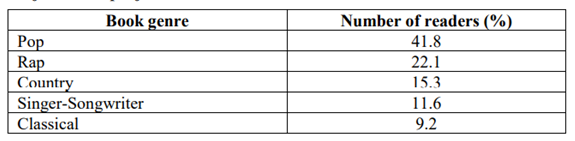
Write 200–250 words.
Use the following plan:
− make an opening statement on the subject of the project work;
− select and report 2–3 main features;
− make 1–2 comparisons where relevant;
− outline a problem that can arise with reading and suggest the way of solving it;
− draw a conclusion giving your personal opinion on the importance of reading in human life
40.2. Imagine that you are doing a project on how did you travel in Zetland. You have found some data on the subject (see the diagram below). Comment on the data in the diagram and give your personal opinion on the subject of the project.
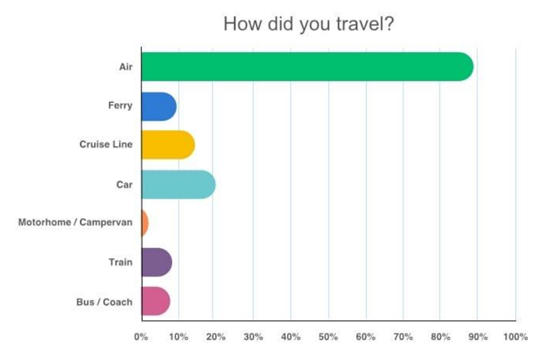
Write 200–250 words.
Use the following plan:
− make an opening statement on the subject of the project work;
− select and report 2–3 main features;
− make 1–2 comparisons where relevant;
− outline a problem that can arise with reading and suggest the way of solving it;
− draw a conclusion giving your personal opinion on the importance of reading in human life
Раздел 5. Говорение
Imagine that you are preparing a project with your friend. You have found some interesting material for the presentation and you want to read this text to your friend. You have 1.5 minutes to read the text silently, then be ready to read it out aloud. You will not have more than 1.5 minutes to read it.
41
A city is a relatively large and permanent settlement. Although there is no agreement on how a city is distinguished from a town within general English language usage, many cities have a particular administrative, legal, or historical status based on local law.
Cities generally have complex systems for sanitation, utilities, land usage, housing, and transportation. A big city or metropolis usually has associated suburbs. Once a city expands far enough to reach another city, this region can be deemed a conurbation or megalopolis. Towns and cities have a long history. The growth of modern industry from the late 18th century onward led to massive urbanization and the rise of new great cities, first in Europe and then in other parts of the world, as new opportunities brought huge numbers of migrants from rural communities into urban areas. Today the world’s population is slightly over half urban, with millions still streaming annually into the growing cities of Asia, Africa and Latin America.
42
Study the advertisement.

Study the advertisement. You are considering buying a new smartphone and now you’d like to get more information. In 1.5 minutes you are to ask four direct questions to find out about the following:
- price
- battery life
- image and video quality
- number of cameras
You have 20 seconds to ask each questions.
Показать ответ
1. What is the price of this new smartphone’s model?
2. Is battery life long?
3. What quality of image and video does a new smartphone have?
4. How many cameras does a smartphone include?
43
You are going to give an interview. You have to answer five questions. Give full answers to the questions (2-3 sentences). Remember that you have 40 seconds to answer each question.
Interviewer: Hello everybody! It’s School Channel. Our guest today is a teenager from Russia and we are going to discuss school uniform. We’d like to know our guest’s point of view on this issue. Please answer five questions. So, let’s get started.
Interviewer: Do you have to wear school uniform?
Student: ________________________________________________________________
Interviewer: Why is it important to wear school uniform? Why?
Student: _________________________________________________________________
Interviewer: What clothes do you usually wear to school?
Student: _________________________________________________________________
Interviewer: Did your parents use to wear school uniform in the past?
Student: _________________________________________________________________
Interviewer: Should all school students wear uniform in the future? Why?
Student: _________________________________________________________________
Interviewer: Thank you very much for the interview!
Показать ответ
1. Yes, I have to wear school uniform and my uniform is comfortable and beautiful. But it is expensive, because I study at the private school.
2. It is important to wear school uniform, because children go to school to get new knowledge. If pupils and students wear different clothes, it can distract from learning.
3. I usually wear blue trousers, a white shirt and a blue cardigan. I like this colour a lot and I am very glad that my uniform is blue at my school.
4. Yes, they did. My parents used to wear brown school uniform and they liked it, too. Their school uniform was formal, but beautiful.
5. I really don’t know about it. I think that all students shouldn’t wear uniform in the future, because all schools are different in different countries. And I believe that students will choose themselves how they want to be dressed up at school in the future.
44
Imagine that you are doing a project “Best Places to Live for a Teenager” together with your friend. You have found some illustrations and want to share the news. Leave a voice message to your friend. In 2.5 minutes be ready to tell the friend about the photos:
- give a brief description of the photos, justifying the choice of the photos for the project;
- say in what way the pictures are different, justifying the choice of the photos for the project;
- smention the advantages and disadvantages (1-2) of the two places for living
- express your opinion on the subject of the project – which place for living you would prefer and why;
You will speak for not more than 3 minutes (2-3 sentences for each item of the plan, 12–15 sentences total). You have to talk continuously.
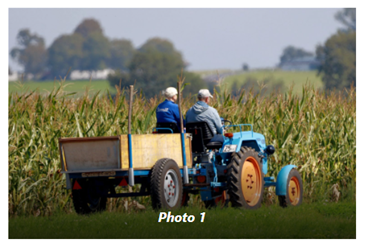
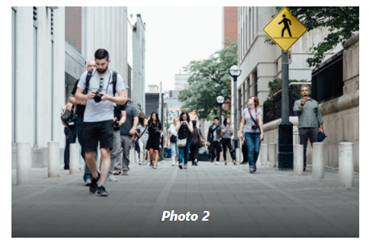
Расшифровка записи
Presenter: Good afternoon, and here we are with our special program for teens where we explore advantages and disadvantages of all sorts of professions. Today we have Carl Fox, a travel agent. Hello, Carl!
Carl Fox: Good afternoon.
Presenter: So Carl, tell us a little bit about yourself.
Carl Fox: Well, as you already know, I’m a travel agent, and I work for one of the major chains on High Street. I’ve been with them for about 10 years and while I’ve been working I’ve studied for a number of qualifications.
Presenter: What inspired you to become a travel agent?
Carl Fox: People often ask me why I decided to become a travel agent. As a young adult I loved travelling and worked for a while as a rep in Spain. When I came back to the UK I decided to stay within the travel industry, and my experience of working in resorts abroad helped me to get a job as a travel agent. I have to admit that one of the main reasons I wanted to be a travel agent was that we get cheap flights and holidays. It’s a great perk!
Presenter: I see. What are your responsibilities at your job?
Carl Fox: Basically, I’m a sales person. I advise people on the holiday options available to them, you know, different destinations, types of holiday, ways to get there, and so on. When customers have decided what they want, I book it for them and make any other arrangements they might need, such as car hire or tours. My responsibility doesn’t end there, though. I have to make sure that clients know if any visas are necessary, or if they will need accinations, and how to get them. If they are flying, I need to tell them what time they have to check in, and make sure they know what time they will be arriving. I also give information on likely weather conditions and anything else I think will be useful for them.
Presenter: That’s a lot to do! And I bet it’s getting more and more difficult to work in your sphere because of the rivalry.
Carl Fox: Well, not because the rivalry is too high, it’s the same everywhere. The point is that more and more customers want a tailor-made holiday, not just a package from a brochure. However, I love the challenge! It’s a lot more interesting for me if I can organize the whole thing — make out an itinerary, book flights, ferries, trains, accommodation and everything. I love providing a personalized service, especially if it’s to places that I know. I can really help customers get a great holiday that will be ideal for them.
Presenter: People who are going on holiday must be relaxed and easy to deal with, right?
Carl Fox: Generally yes, but not always. Sometimes I get difficult customers. One man came in wanting a flight to Venice the next day. I checked out times and fares on the computer, and found a very reasonable flight at a suitable time, so we booked it there and then. A week later he came in and he was absolutely furious. He wanted to know why I had flown him to Venice, in Italy, when he had had an important meeting in Vienna, which is in Austria. I didn’t know what to say, but since then I’ve always been careful to check that people really know where they want to go.
Presenter: That’s a case which is funny and sad at the same time and it’s hard to believe it after all.
Carl Fox: Don’t I know!
Presenter: Any downsides to your job?
Carl Fox: There must be some but I love my job so I simply don’t notice them.
Presenter: I see. Thank you very much, Carl.
Carl Fox: My pleasure.
—————————————
Видео обучающее
Pronunciation
Сommunication
Learning English (BrE) 1 2 3
The best English (AmE)
Grammar 1 2 3
ЕГЭ FCE TOEFL BEC
English speaking world
—————————————
—————————————
Готовимся к экзаменам
 ——————————————

Проверь свой английский
в игре
—————————————
—————————————
English-speaking countries

1 2 3 4 5 6 7
——————————————
Песни и упражнения
