
Задание №9115.
Аудирование. ЕГЭ по английскому
Вы услышите 6 высказываний. Установите соответствие между высказываниями каждого говорящего A—F и утверждениями, данными в списке 1—7. Используйте каждое утверждение, обозначенное соответствующей цифрой, только один раз. В задании есть одно лишнее утверждение. Прослушайте запись дважды.
1. The benefits of recycling are questionable.
2. Recycling is an inconvenience.
3. Recycling should be profitable for people.
4. We possess more things than we need.
5. Recycling is about reusing what we have.
6. Recycling is the government’s issue.
7. Wealth allows people not to recycle.
| Говорящий | A | B | C | D | E | F |
| Утверждение |
Решение:
Утверждение 2 (Recycling is an inconvenience. — Переработка доставляет неудобства) соответствует высказыванию спикера A: «I’m not happy to walk or drive far to take bottles, newspapers, tens of batteries to some collection bank.»
Утверждение 5 (Recycling is about reusing what we have. — Переработка – это повторное использование того, что у нас есть) соответствует высказыванию спикера B: «… but it’s about using things again and again so they don’t need to be dumped into a landfill.»
Утверждение 7 (Wealth allows people not to recycle. — Богатство позволяет людям не перерабатывать) соответствует высказыванию спикера C: «When money isn’t an issue people prefer to stop by the store and pick out what they need.»
Утверждение 1 (The benefits of recycling are questionable. — Преимущества утилизации сомнительны) соответствует высказыванию спикера D: «Recycling is not worth it.»
Утверждение 4 (We possess more things than we need. — У нас больше вещей, чем нам нужно) соответствует высказыванию спикера E: «Also we live in a must have society which I’m also guilty of. For instance I own more than seven hundred DVDs.»
Утверждение 3 (Recycling should be profitable for people. — Переработка должна приносить людям прибыль) соответствует высказыванию спикера F: «I think more people would recycle if they could get more money from it.»
Показать ответ
Источник: ФИПИ. Открытый банк тестовых заданий
Сообщить об ошибке
Тест с похожими заданиями
Раздел 1. АУДИРОВАНИЕ
Вы услышите 6 высказываний. Установите соответствие между высказываниями каждого говорящего A—F и утверждениями, данными в списке 1—7. Используйте каждое утверждение, обозначенное соответствующей цифрой, только один раз. В задании есть одно лишнее утверждение. Вы услышите запись дважды. Занесите свои ответы в таблицу.
2
Вы услышите диалог. Определите, какие из приведённых утверждений А—G соответствуют содержанию текста (1 — True), какие не соответствуют (2 — False) и о чём в тексте не сказано, то есть на основании текста нельзя дать ни положительного, ни отрицательного ответа (3 — Not stated). Занесите номер выбранного вами варианта ответа в таблицу. Вы услышите запись дважды.
A The Armoury is situated near the Kremlin.
B Originally the Kremlin was wooden.
C New walls and towers of red brick were built in the 15th century.
D The Trinity Gate leads to Red Square.
E The monument to Minin and Pozharsky is the oldest in Moscow.
F The monument to Alexander Pushkin is not far from the monument to Yuri Dolgoruky.
G You can watch ballets in the Maly Theatre.
Утверждение
Соответствие диалогу
Вы услышите интервью с автором детективных романов. В заданиях 3—9 запишите в поле ответа цифру 1, 2 или 3, соответствующую выбранному Вами варианту ответа. Вы услышите запись дважды.
3
Which benefit of trees has not been mentioned by the speaker?
1) Protection from flooding.
2) Protection from the sun’s rays.
3) Protection from precipitation.
Ответ: .
4
The smell of pines in the forest is the result of trees releasing
1) oxygen.
2) carbon dioxide.
3) other gasses.
Ответ: .
5
Scientists want to study how
1) gasses are released by trees into the atmosphere.
2) organic compounds form tiny particles.
3) these particles influence the climate.
Ответ: .
6
Cloud droplets are unable to
1) absorb solar radiation.
2) reflect solar radiation.
3) scatter solar radiation.
Ответ: .
7
According to scientists, cloud droplets influence
1) the size of the cloud.
2) the colour of the cloud.
3) the movement of the cloud.
Ответ: .
8
The actual formation of the clouds is governed
1) only by the formation of cloud droplets.
2) primarily by the formation of cloud droplets.
3) by several different processes.
Ответ: .
9
A new way of addressing the problem of global warming is by reducing the amount of
1) greenhouse gasses in the atmosphere.
2) the sun’s radiation getting through the atmosphere.
3) the sun’s radiation reflected by the clouds.
Ответ: .
Раздел 2. ЧТЕНИЕ
10
Установите соответствие между заголовками 1—8 и текстами A—G. Занесите свои ответы в таблицу. Используйте каждую цифру только один раз. В задании один заголовок лишний.
1. Exotic Pets
2. Going Back in Time
3. Small Screen Addiction
4. Body Language
5. Massive Destruction
6. Buried Treasure
7. Reason for Extinction
8. Intelligent Enemies
A. The VLT (Very Large Telescope) is the world’s largest telescope and it is taking scientists further back to the Big Bang than they ever thought possible. In other words, the VLT is a kind of a time machine, giving astronomers detailed views of events that took place in the earliest days of the cosmos. One day, we will have a much clearer picture of how our planet was born.
B. The latest development in the debate amongst scientists about what killed the prehistoric dinosaurs is the suggestion that acid rain was the cause. Some geologists suggest that a large meteor hitting the earth at 65 kilometres per second would have led to strongly acidic rain falling all over the world. This idea is fascinating but it would mean the dinosaurs would all have died within a very short time.
C. In 1948, a British farmer discovered an interesting lump of metal while ploughing his field. At first he thought the metal bits were parts of an old bed. Then more ‘parts of old beds’ turned up and the farmer took them to the local museum. ‘But these bits are priceless!’ exclaimed the keeper of the museum. ‘They are Iron Age jewellery and coins!’ Over the next 40 years, more and more items were found in the same field.
D. Rats may have had a bit of a hard time over the years but these days lots of people are forgetting about guinea-pigs and hamsters and are buying rats instead. Domestic rats aren’t the same as the ones that run around rubbish bins — they’re actually quite cute. They are very intelligent and can be trained like dogs. They come in different colours and — a big bonus — they will eat anything!
E. In Western cultures, people look each other in the eye during a conversation to show interest and trust, but in many Asian countries, it’s rude to look people in the eye, especially a superior such as a teacher. One of the most basic and powerful signals is when a person crosses his or her arms across the chest. This can indicate that a person is putting up an unconscious barrier between themselves and others.
F. Earthquakes happen all the time in all parts of the world but we don’t notice most of them because they are small. However, big earthquakes are really dangerous. They can make buildings fall down, set off landslides and do other deadly things. The highest death toll caused by an earthquake was in China in 1556, when at least 830,000 people died.
G. According to scientists, Americans watch more TV on average than any other nationality. In fact, many people, particularly children, sit for 35 hours or more per week glued to the box. What’s wrong with watching all that TV? Studies have linked it to everything from obesity to aggression in children not to mention that it puts your mind into a sort of sedated state. Habitual television watching, over long periods of time, has been known to cause depression, and anger.
11
Прочитайте текст и заполните пропуски A—F частями предложений, обозначенными цифрами 1—7. Одна из частей в списке 1—7 лишняя. Занесите цифру, обозначающую соответствующую часть предложения, в таблицу.
The Man Booker Prize for Fiction is awarded every year for the best original full-length novel written by a writer from the Commonwealth or the Republic of Ireland. It aims to represent the greatest in contemporary literature and promotes the finest in fiction by rewarding the best book of the year. The prize was originally called the Booker-McConnell Prize, A ____________. However, it was better-known as simply the ‘Booker Prize’. In 2002, the Man Group became the sponsor and they chose the new name, keeping ‘Booker’.
Publishers can submit books for consideration for the prize, but the judges can also ask for books to be submitted B ____________. Firstly, the Advisory Committee gives advice if there have been any changes to the rules for the prize. Then it selects the people C ____________. The judging panel changes every year and usually a person is only a judge once.
Great efforts are made to ensure that the judging panel is balanced in terms of gender and professions within the industry. A writer, a critic, an editor and an academic are chosen along with a well-known person from wider society. However, when the panel of judges has been finalized, they are left to make their own decisions D ____________. The Man Booker judges include critics, writers and academics E ____________. The influence of the prize is so great that the winner will almost certainly see the considerable sales increase, in addition to the £50,000 F ____________. In 1992, a Booker Russian Novel Prize was introduced.
- without any further interference from the prize sponsor
- so as to maintain the consistent quality of the prize
- who will judge the books
- so as to sell them
- which was the name of the company that sponsored it
- that comes with the prize
- they think should be included
Прочитайте текст и выполните задания 12—18. В каждом задании запишите в поле ответа цифру 1, 2, 3 или 4, соответствующую выбранному Вами варианту ответа.
‘Have you written a letter to the Froplinsons?’ asked Egbert.
‘No,’ said Janetta, with a note of tired defiance in her voice; ‘I’ve written eleven letters today expressing surprise and gratitude for sundry unmerited gifts, but I haven’t written to the Froplinsons yet.’
‘Someone will have to do it,’ said Egbert.
‘I don’t dispute the necessity, but I don’t think that someone should be me,’ said Janetta. ‘I wouldn’t mind writing a letter of angry recrimination or heartless satire to some suitable recipient. In fact, I should rather enjoy it, but I’ve come to the end of my capacity for expressing servile amiability. Eleven letters today and nine yesterday, all couched in the same strain of ecstatic thankfulness: really, you can’t expect me to sit down to another. There is such a thing as writing oneself out.’
‘I’ve written nearly as many,’ said Egbert, ‘and I’ve had my usual business correspondence to get through, too. Besides, I don’t know what it was that the Froplinsons sent us.’ ‘A William the Conqueror calendar,’ said Janetta, ‘with a quotation of one of his great thoughts for every day in the year.’
‘Impossible,’ said Egbert; ‘he didn’t have three hundred and sixty-five thoughts in the whole of his life, or, if he did, he kept them to himself.’
‘Well, it was William Wordsworth, then,’ said Janetta; ‘I know William came into it somewhere.’
‘That sounds more probable,’ said Egbert; ‘well, let’s collaborate on this letter and get it done. I’ll dictate, and you can scribble it down. ‘Dear Mrs. Froplinson, thank you and your husband so much for the very pretty calendar you sent us. It was very good of you to think of us.’ ’
‘You can’t possibly say that,’ said Janetta, laying down her pen. ‘We sent them something on the twenty-second,’ said Janetta, ‘so they simply had to think of us. There was no getting away from it.’
‘What did we send them?’ asked Egbert gloomily.
‘Bridge-markers,’ said Janetta, ‘in a cardboard case, with some inanity about ‘digging for fortune with a royal spade’ emblazoned on the cover. The moment I saw it in the shop I said to myself ‘Froplinsons’ and to the attendant ‘How much?’ When he said ‘Ninepence,’ I gave him their address, jabbed our card in, paid tenpence or elevenpence to cover the postage, and thanked heaven. With less sincerity and infinitely more trouble they eventually thanked me.’
‘The Froplinsons don’t play bridge,’ said Egbert.
‘One is not supposed to notice social deformities of that sort,’ said Janetta; ‘it wouldn’t be polite. Besides, what trouble did they take to find out whether we read Wordsworth with gladness? For all they knew or cared we might be frantically embedded in the belief that all poetry begins and ends with John Masefield, and it might infuriate or depress us to have a daily sample of Wordsworthian products flung at us.’
‘Well, let’s get on with the letter,’ said Egbert. ‘How clever of you to guess that Wordsworth is our favourite poet.’
Again Janetta laid down her pen.
‘Do you realise what that means?’ she asked; ‘a Wordsworth booklet next Christmas, and another calendar the Christmas after, with the same problem of having to write suitable letters of thankfulness. No, the best thing to do is to drop all further allusion to the calendar and switch off on to some other topic.’
‘But what other topic?’
‘Oh, something like this: ‘What do you think of the New Year Honours List? A friend of ours made such a clever remark when he read it.’ Then you can stick in any remark that comes into your head; it needn’t be clever. The Froplinsons won’t know whether it is or isn’t.’
‘We don’t even know on which side they are in politics,’ objected Egbert; ‘and anyhow you can’t suddenly dismiss the subject of the calendar. Surely there must be some intelligent remark that can be made about it.’
‘Well, we can’t think of one,’ said Janetta wearily; ‘the fact is, we’ve both written ourselves out.’
There was a long silence, the forlorn silence of those who are bereft of hope and have almost ceased to care. Then Egbert started from his seat with an air of resolution. The light of battle was in his eyes.
‘Let me come to the writing-table,’ he exclaimed; ‘I’m going to write to the editor of every enlightened and influential newspaper in the Kingdom, I’m going to suggest that there should be a sort of epistolary Truce of God during the festivities of Christmas and New Year. From the twenty-fourth of December to the third or fourth of January it shall be considered an offence against good sense and good feeling to write or expect any letter or communication that does not deal with the necessary events of the moment. Answers to invitations, arrangements about trains, renewal of club subscriptions, and, of course, all the ordinary everyday affairs of business, sickness, engaging new cooks, and so forth, these will be dealt with in the usual manner as something inevitable. But all the devastating accretions of correspondence, incident to the festive season, these should be swept away to give the season a chance of being really festive.’
‘But you would have to make some acknowledgment of presents received,’ objected Janetta; ‘otherwise people would never know whether they had arrived safely.’
‘Of course, I have thought of that,’ said Egbert; ‘every present that was sent off would be accompanied by a ticket bearing the date of dispatch and the signature of the sender, and some conventional hieroglyphic to show that it was intended to be a Christmas or New Year gift; there would be a counterfoil with space for the recipient’s name and the date of arrival, and all you would have to do would be to sign and date the counterfoil, add a conventional hieroglyphic indicating heartfelt thanks and gratified surprise, put the thing into an envelope and post it.’
‘It sounds delightfully simple,’ said Janetta wistfully, ‘but people would consider it too perfunctory.’
‘It is not a bit more perfunctory than the present system,’ said Egbert; ‘I have only the same conventional language of gratitude at my disposal with which to thank dear old Colonel Chuttle for his perfectly delicious Stilton, which we shall devour to the last morsel, and the Froplinsons for their calendar, which we shall never look at. So you see the present system of acknowledgment is just as perfunctory and conventional as the counterfoil business would be, only ten times more tiresome and brain-racking.’
‘Your plan would certainly bring the idea of a Happy Christmas a step nearer realisation,’ said Janetta. ‘Meanwhile, what am I to say to the Froplinsons?’
(Adapted from ‘Down Pens’ by H. H. Munro)
12
Egbert and Janetta were writing
1) application letters.
2) thank-you letters.
3) letters of recrimination.
4) letters of complaint.
Ответ: .
13
Egbert and Janetta didn’t want to write a letter to the Froplinsons because they
1) had both written themselves out.
2) didn’t like this couple.
3) didn’t know what the Froplinsons had sent them.
4) had a lot of work to do.
Ответ: .
14
Janetta liked her present to the Froplinsons because it was
1) expensive and useless.
2) cheap and useless.
3) expensive and useful.
4) cheap and useful.
Ответ: .
15
Janetta didn’t want to mention that Wordsworth was their favourite poet because
1) she actually didn’t like his poems.
2) her favourite poet was John Masefield.
3) the Froplinsons would send them new Wordsworth-related presents.
4) she didn’t want the Froplinsons to know the truth.
Ответ: .
16
Janetta considered the Froplisons to be
1) stupid.
2) clever.
3) kind.
4) mean.
Ответ: .
17
Egbert suggested that at Christmas people should
1) stop writing letters at all.
2) put off all the everyday affairs of business.
3) not make any acknowledgment of received presents.
4) send counterfoils instead of thank-you letters.
Ответ: .
18
Janetta considered a new system
1) absolutely impossible.
2) too perfunctory.
3) easy to implement.
4) totally unacceptable.
Ответ: .
Раздел 3. ГРАММАТИКА И ЛЕКСИКА
Прочитайте приведённый ниже текст. Преобразуйте, если необходимо, слова, напечатанные заглавными буквами в конце строк, обозначенных номерами 19—25, так, чтобы они грамматически соответствовали содержанию текстов. Заполните пропуски полученными словами. Каждый пропуск соответствует отдельному заданию из группы 19—25.
Обратите внимание, что по правилам ЕГЭ ответы нужно писать без пробелов и других знаков, например, правильный ответ ‘have done’ нужно будет записать как ‘havedone’, иначе ваш ответ не засчитается.
Swimming Pools
19
The first heated swimming pool by Gaius Maecenas of Rome in the first century BC.
CON-
STRUCT
20
Swimming pools became popular in Britain in the beginning of the 19th century. By 1837, London authorities six indoor pools with diving boards.
BUILD
21
The surviving swimming club in the world is the Arlington Baths Club in Glasgow. It is still an active club and continues to own its original Victorian building with a large pool.
OLD
22
After the start of modern Olympic Games in 1896, the popularity of swimming pools off. Nowadays there are lots of different swimming pools, both public and private.
TAKE
23
Most enjoy swimming and swimming pools with their wave-making machines, water slides and tropical vegetation are something unique for them.
CHILD
24
If they could, kids to spend their entire summer in the swimming pool.
CHOOSE
25
However, not everyone their own backyard pool.
HAVE
Прочитайте приведённый ниже текст. Образуйте от слов, напечатанных заглавными буквами в конце строк, обозначенных номерами 26—31, однокоренные слова так, чтобы они грамматически и лексически соответствовали содержанию текста. Заполните пропуски полученными словами. Каждый пропуск соответствует отдельному заданию из группы 26—31.
Waste Management
26
Waste affects our environment — everything that surrounds us including the air, water, land, plants, and man-made things. We need a healthy environment for our own health and .
HAPPY
27
The waste we create has to be controlled to be sure that it does not harm our environment and our health.
CAREFUL
28
So waste management is very important.
EFFECT
29
Waste reduction and recycling have a wide range of environmental benefits and promote public awareness and personal for the waste we create.
RESPON-
SIBLE
30
The best place to start making a is our home. Learn how you can reduce, reuse, and recycle materials to decrease household waste.
DIFFER
31
If we recycle what we can’t use any more, we save resources because the materials replace some of the natural resources including water and energy, which we use to make new products.
RECYCLE
Прочитайте текст с пропусками, обозначенными номерами 32—38. Эти номера соответствуют заданиям 32—38, в которых представлены возможные варианты ответов. Запишите в поле ответа цифру 1, 2, 3 или 4, соответствующую выбранному Вами варианту ответа.
Globalization and Communication Growth
The 21st century has 32____ in a new era in man’s ongoing quest for a better life and a better world. For the first time in history, we can now claim to live in ‘One World.’ Globalization has removed many of the gaps that have existed between and among nations. While the physical divide is still present, the 33____ of the Information Highway on how we communicate and live in the present day is simply staggering. Rapid improvements in information technology have allowed us to exchange information and communicate almost everywhere, anywhere, and anytime.
Globalization, as a general term, is best understood as the spread of ideas about the environment, democracy, human rights, and less complicated issues like fashion and fads. Global exchange is now taking place as the market of ideas, culture, and beliefs expand through the use of technology. The nature of business and how it is done has also improved by 34____ and bounds because of globalization.
An example of the remarkable effects of globalization is the invention of the telephone and the television. Television has enabled young people and adults to have the ability to share cultural and ethnic experiences with others. Telephones have also greatly improved communication. Gone are the weeks and even months of waiting for a letter. Anybody can talk to anyone who has another phone 35____ of distance or location on the planet. With the aid of satellites, 3rd generation phones allow us to make a phone call, send a video, or even receive an e-mail. These 36____ in communication have revolutionized business, commerce, and even the personal lives and relationships of millions of people.
Because of the electronic media, vast amounts of important information can reach any parts of the globe in 37____ time. Business establishments, whether big or small, are using the Internet in many ways to build or expand their company’s growth. With the ever improving technology come new markets, high 38____ for products, and also greater competition. Making investments in information and communication technology is now a must for any business enterprise.
32
1) started
2) began
3) ushered
4) launched
Ответ: .
33
1) cause
2) impact
3) consequences
4) result
Ответ: .
34
1) bonds
2) gaps
3) jumps
4) leaps
Ответ: .
35
1) regardless
2) despite
3) notwithstanding
4) because
Ответ: .
36
1) breakbeats
2) breakdowns
3) breakouts
4) breakthroughs
Ответ: .
37
1) any
2) no
3) none of
4) some
Ответ: .
38
1) access
2) claim
3) demand
4) rise
Ответ: .
Ваш результат: пока 0.
Далее вы можете набрать еще 40 баллов. Автоматически это проверить нельзя, поэтому сделайте реалистичный прогноз о том, сколько бы вы смогли набрать баллов, и получите ваш итоговый результат ЕГЭ.
Если возник вопрос по ответу, в котором вы ошиблись, можете задать его в комментариях.
Раздел 4. ПИСЬМО
Для ответов на задания 39 и 40 используйте бланк ответов № 2. Черновые пометки можно делать прямо на листе с заданиями, или можно использовать отдельный черновик. При выполнении заданий 39 и 40 особое внимание обратите на то, что Ваши ответы будут оцениваться только по записям, сделанным в БЛАНКЕ ОТВЕТОВ № 2. Никакие записи черновика не будут учитываться экспертом. Обратите внимание также на необходимость соблюдения указанного объёма текста. Тексты недостаточного объёма, а также часть текста, превышающая требуемый объём, не оцениваются. Запишите сначала номер задания (39, 40), а затем ответ на него. Если одной стороны бланка недостаточно, Вы можете использовать другую его сторону.
You have received a letter from your English-speaking pen friend Jessica who writes:
… By the way, we are doing a project at college on the fashion industry in different countries. It would be nice if you could tell me what clothes are popular with teenagers in Russia. Do you have any special fashion for teens? What kind of clothes do you prefer? Why?
Write a letter to Jessica.
In your letter
— answer her questions
— ask 3 questions about her tastes in clothes
Write 100 — 140 words.
Remember the rules of letter writing.
За это задание вы можете получить 6 баллов максимум.
Comment on the following statement.
Lots of people enjoy celebrating holidays. However, for some people a holiday is just a day off.
What is your attitude to celebrations? Which way of celebrating holidays do you find more enjoyable?
Write 200 — 250 words.
— make an introduction (state the problem)
— express your personal opinion and give 2—3 reasons for your opinion
— express an opposing opinion and give 1—2 reasons for this opposing opinion
— explain why you don’t agree with the opposing opinion
— make a conclusion restating your position
За это задание вы можете получить 14 баллов максимум.
Раздел 5. ГОВОРЕНИЕ
— За 1,5 минуты нужно подготовиться и в следующие 1,5 минуты выразительно прочитать текст вслух — 1 балл.
— Составление 5 вопросов на основе ключевых слов. На подготовку отводится 1,5 минуты, затем каждый вопрос надо сформулировать в течение 20 секунд — 5 баллов.
— 3 фотографии. Нужно выбрать 1 и описать ее по предложенному тут же в задании плану за 3,5 минуты — 7 баллов.
— 2 картинки. Нужно сравнить их, описать сходства и различия, объяснить, почему выбранная тематика близка выпускнику, за 3,5 минуты — 7 баллов.
Предлагаем попробовать свои силы и выполнить полное аудирование в формате ЕГЭ. Ответы и полные тексты к аудио даны в спойлерах. Здесь представлен вариант 3.
Задание 1
Вы услышите 6 высказываний. Установите соответствие между высказываниями каждого говорящего А-F и утверждениями, данными в списке 1-7. Используйте каждое утверждение, обозначенное соответствующей цифрой, только один раз. В задании есть одно лишнее утверждение. Вы услышите запись дважды.
Play Задание 1
1. The best cafes are those located near busy pedestrian streets.
2. A cafe should be quiet if it wants to attract readers.
3. Playing board games with friends is a great cafe pastime.
4. The decor of a cafe can make or break its business.
5. A cafe can make a business meeting more casual and less dull.
6. You can even watch news programmes in cafes these days.
7. A town should have a variety of cafes for every taste.
ответ
A – 3
B – 5
C – 6
D – 2
E – 1
F – 4
Speaker A: Sitting around drinking coffee has never been one of my favourite things to do, but I do love playing games, and so do some of my mates. So were decided to meet at weekends and do that in a cafe. The place we go to has got a lot of fun things to choose from, and sometimes we bring our own. It’s a nice quiet and relaxed place, and never too busy, so we like it.
Speaker B: I work in an advertising agency and creativity is a focus. I meet with clients in our offices quite often, but more and more I’ve started asking them to meet me at a cafe down the street from our building. The atmosphere and decor are really arty, and the clients tend to feel a bit more relaxed when we meet there. I think both myself and my clients can come up with more interesting ideas for campaigns while were there.
Speaker С: Cafés have almost become like living rooms. It reminds me of that TV series Friends, where they drink coffee on a big sofa as if they’re at home. In fact, a lot of cafes have put televisions up on the wall. It’s usually just in the background, so it doesn’t steal your attention. It’s not to everyone’s taste, but I think it’s nice to look up occasionally and see a bit of current affairs or a sporting event.
Speaker D: For those of us who like to spend hours with a good book, a cafe is an excellent place to do it. That is, of course, if it’s not one with loud music, big-screen TVs and loads of noisy people. There are quite of few of those in my area, and they’re obviously not interested in keeping my business. That’s OK; I’ve got at least two or three to choose from that cater to bookworms like myself.
Speaker E: I think there are more cafes in my town than people! That’s what life is like in the Mediterranean. The weathers nice most of the year, and it’s great to sit outside, catch up on everyone’s news and, of course, do people-watching. The best places to do that are in sightseeing areas, with lots of people walking up and down the pavement, looking at the sights and enjoying the day. You see all walks of life in these places.
Speaker F: There are lots of different cafés in my town. A surprising number, in fact. To be honest, I don’t know how they all stay in business. A few of them have really bad interiors – bright fluorescent lighting, tacky furniture, even cracked plates. I hardly ever see anyone in them either. In my opinion, the look and feel of a café is the most important thing. Otherwise, it’s not going to be successful.
Задание 2
Вы услышите диалог. Определите, какие из приведённых утверждений A-G соответствуют содержанию текста (1 – True), какие не соответствуют (2 – False) и о чём в тексте не сказано, то есть на основании текста нельзя дать ни положительного, ни отрицательного ответа (3 – Not stated).
Play Задание 2
A) Ryan doesn’t do some of the things mentioned in the recycling lesson.
B) Until today, Macy has used the bin in her bedroom for recycling only.
C) Ryan’s dad has got a very large recycling bin in his office.
D) Macy never eats food in her bedroom.
E) Ryan has visited a recycling plant in the past.
F) Macy makes a complaint about rinsing containers.
G) Ryan’s family empty their recycling bin less frequently than their rubbish bin.
ответ
A – 1
B – 2
C – 3
D – 2
E – 3
F – 1
G – 1
Macy: Hey Ryan, what did you think of our class lesson about recycling?
Ryan: It was very informative. We do recycling at home, but we don’t do all the things Mr Singh mentioned, such as rinsing bottles and containers out before you put them in the recycling, or keeping bins far recycling in other parts of the house. Do you, Macy?
Macy: We only have one recycling bin in the house, in the kitchen. We’ve got small rubbish bins in other rooms, such as the living room and our bedrooms. I put lots of things in the rubbish bin in my bedroom that could be recycled though.
Ryan: Our house is similar. We’ve got one recycling bin in the kitchen that we mainly use, although my dad’s got a bin in his office that he puts his papers into. Funny though, he rarely empties it!
Macy: The rubbish bin in my bedroom is full of mostly recyclable things, so I felt a bit bad about that. I took all of it to the kitchen straight away.
Ryan: That’s good of you.
Macy: I’ve decided that from now on I’m only going to pul recyclable materials in the bin in my bedroom , just old homework papers I don’t need or cardboard packaging. No more banana skins!
Ryan: We’re not allowed to eat in our bedrooms. Mum hates the mess we leave.
Macy: I guess I’ve just been too lazy to take things into the kitchen. That’s going to change now!
Ryan: I didn’t realise how rinsing things helped. I didn’t know they have to rinse things out at the recycling plant before they can recycle it. We’ll save them time if we do it, which makes their job easier.
Macy: Yes, that’s a good idea. The only problem is we have to use our water to do it. Some things take a lot of rinsing. But really, it does make the recycling bin cleaner.
Ryan: I know what you mean. We empty ours when it gets full, but sometimes it takes a while for that to happen. It’s large, and we don’t empty it as often as the rubbish bin. So it’s better hygiene if those jars and plastic containers are well rinsed.
Macy: Exactly. Well, these are good changes to make round the house.
Ryan: I agree. They’re useful and easy to do, too! See you later, Macy!
Задание 3
Вы услышите интервью. В заданиях выберите правильный вариант ответа. Вы услышите запись дважды.
Play Задание 3
1) What is true about Martin’s appointments with students?
1) He sees about a dozen students every day.
2) Students pay a small fee for the service.
3) He usually meets with a student for an hour.
2) The questionnaire asks students about…
1) previous work experience.
2) what careers they’re interested in.
3) the kind of situations they like.
3) What kind of answers do students give in regard to their interests?
1) They sometimes put down several completely different interests.
2) They give a clear indication of their interests.
3) They often don’t put anything down.
4) Students return to see Martin …
1) because they’ve changed their minds about their interests.
2) to fill out their questionnaire forms.
3) to complain about the advice they’ve been given.
5) What does Martin do with the students’ СVs?
1) He doesn’t handle any aspect of that.
2) He reviews them and then gives them to his assistant.
3) He gets his assistant to make initial comments.
6) Martin doesn’t do practice interviews because …
1) he can’t fit them into his daily work schedule.
2) he doesn’t think they’re useful.
3) students don’t like doing them.
7) What advice does Martin give about talking about weaknesses?
1) Try to describe them so they sound more positive.
2) Avoid being honest about them.
3) Spend as little time on them as possible.
ответ
1 – 1
2 – 3
3 – 1
4 – 1
5 – 3
6 – 1
7 – 1
Presenter: Hi everyone and welcome to our programme, Youth Talk. Today our guest is careers advisor Martin Shaw, who’s going to discuss how he helps students find a career and a job. Thanks for joining us, Mr Shaw.
Speaker: I’m glad to be here. Please, call me Martin.
Presenter: Tell us what you do in your job, Martin.
Speaker: Well, I work for a university in their careers advice office. I meet with university students on a daily basis. Students make an appointment with me, which is free of charge and included in their student services package. I see about ten to twelve students a day, and we meet for around twenty minutes to half an hour.
Presenter: How do you help them find a career?
Speaker: For starters, I administer a questionnaire which determines their aptitudes. It asks them what skills they think they have, and it also asks them about their likes and dislikes, how well they get on with others, whether they like to work independently, and whether they’re self-motivated, highly organised, or very creative. They answer the questionnaire and I assess it at a later date.
Presenter: How do you assess the information they present to you?
Speaker: First I look at what subjects they’ve put down that seem to interest them the most. Keep in mind that sometimes they don’t know exactly what those are, so they might put down a wide range. Then, I take a look at their skills. If, for example, they’re interested in the arts, are highly creative and communicative, and like working with people, I might suggest a career in advertising.
Presenter: So you meet with students more than once, yes?
Speaker: Oh definitely. Firstly, I have to give them the results of their questionnaire, but really, I meet with them as often as they like. The goal is to get them on the right track. Sometimes a student comes back to me because they have second thoughts about their preferences, meaning they’ve realised they’d rather work alone than with other people, for example. That will obviously affect the advice I give them.
Presenter: I see. What other types of assistance do you give students?
Speaker: I help them with their CVs, to make sure they’re well-written and informative. I get them to bring a CV in at our first meeting, and I usually ask my assistant to look it over and make comments, which I review, Then I meet with the student again, usually when I give them their questionnaire results, and I give them some tips on how to improve their CV.
Presenter: Do you discuss interview techniques?
Speaker: I usually give them some information about the dos and don’ts of interviewing, and we discuss any questions they have. I’d like to do practice interviewing, but we simply don’t have the time or resources for that, which is a shame because students would find it very useful. I give them advice on how to answer tougher interview questions though, such as when an interviewer asks you what your weaknesses are.
Presenter: And what do you say to that?
Speaker: Well, obviously in an interview you should be truthful, but you would never want to say, “I hate getting up in the morning.” While that may be a true weakness, you can just imagine how that would go down in an interview! I urge students to think of a weakness that can actually be a strength. You could say that you tend to spend too much time on organising, so you have to stop for a moment and prioritise duties. This sounds impressive in an interview.
11th form test 1
- Listening
|
Вы услышите 6 высказываний. Установите соответствие между высказываниями каждого говорящего A–F и утверждениями, данными |
|
2. Reading.
Установите соответствие между заголовками A–Н и текстами 1–7. Занесите свои ответы в таблицу. Используйте каждую букву только один раз. В задании один заголовок лишний.
A Growing in popularity E Lucky escape
B Too much choice F A new way to buy
C Fast food is unhealthy G Ordering in
D Long journey H Good way to meet
1. When you are tired and don’t want to cook, just pick up the phone. Restaurants are expensive and take some time and effort to reach if you don’t live in the centre of town. Ordering food for home delivery is cheap and these days there is a huge choice. Indian and Chinese are the most popular but I prefer to get in a pizza.
2. A school group on a skiing holiday to Italy narrowly avoided disaster when their coach left the road and fell eighty meters into a valley. Trees slowed down the falling coach and because of the fresh new snow the vehicle landed quite softly. Amazingly no one was injured.
3. A teenager from London is making news around the world. On his recent holiday in Australia he set off without his mobile phone. Experts are amazed that he is still alive after walking for fourteen days, surviving extreme temperatures and living off the land. However, a lot of Australians are unhappy with him. The rescue cost is estimated at more than 100,000 dollars.
4. You can buy almost anything, new or second hand, on the internet. On one site you can offer the price you want to pay for something. Whoever offers the highest price can buy that item. Recently I made the highest offer for a nearly new pair of skis. However, I only paid half of what they would have cost new in a shop.
5. Making new friends on the internet makes so much sense. You can see someone’s photo and read if they share your interests and opinions. The important thing is you can spend time getting to know people who are attractive to you and looking for the same things in life that you are. Still, for personal safety, most sites recommend that in person you meet initially in a public place like a cafe or a gallery.
6. I like eating out but some restaurants have huge menus. And usually every item sounds mouth watering. The trouble is I like to read about everything on offer and sometimes waiters wait for me rather than on me! The other issue is how they can offer so much whilst maintaining quality? I’d rather take one of five options knowing that each one was brilliant.
7. “Facebook” is a social networking website that has 250 million members and despite lots of criticism by employers, governments and media, continues to attract thousands of new users daily. In spite of claims of concerns about privacy, safety and wasting time at work, “Facebook” is one of the most rapidly establishing phenomena of recent years.
3. Прочитайте текст с пропусками, обозначенными номерами А22–А28. Эти номера соответствуют заданиям A22–A28, в которых представлены возможные варианты ответов. Укажите номер выбранного Вами варианта ответа.
Tony and Mary
Tony and Mary were good friends. They had majored in economics at York University in the early 1970s. Then Tony met Sarah, who had arrived a year after them, and fell in love with her at first 1 ______. In Rachel he found everything he was looking 2 ______ in a wife. They married the day he graduated, and after they returned from their honeymoon, Tony took over the management of his father’s farm in Bedfordshire. Three children followed in quick succession, and Mary was proud when she was asked to be godmother to Becky, the eldest. Tony and Sarah had been married for twelve years; they 3 ______ ever quarelled. 4 ______ married couples were so happy.
5 ______ Mary was regularly asked to spend the weekend with them in the country, she only accepted one invitation out of three. She would have liked to join them more often, but since her divorce she had no desire to take advantage of their hospitality.
Mary felt tired. She 6______ her work, but it had been an awful week. Two contracts had fallen through, her son had been dropped from the school rugby team, and her daughter had never stopped 7 ______ her that her father didn’t mind her watching television when she ought to be doing her homework. “I will survive.” Mary smiled and thought about Tony’s birthday. She had forgotten to get him a present.
1. a) view b) sight c) glimpse d) look
2. a) at b) into c) after d) for
3. a) hardly b) closely c) merely d) nearly
4. a) few b) many c) much d) little
5. a) Nevertheless b) Therefore c) However d) Although
6. a) pleased b) enjoyed c) approved d) admired
7. a) saying b) talking c) speaking d) telling
4. Writing
|
You have received a letter from your English-speaking pen-friend Molly who writes: … Thank you for the book about your home city. I love it! How long have your family lived in this city? What is your favourite place there? Would you like to move to another city, why or why not? This year I’m planning to have a very unusual birthday party … Write a letter to Molly. In your letter — answer her questions — write 100-140 words — ask 3 questions about her future birthday party — remember the rules of letter writing |

- Подробности
-
41091
 |
||
| Прочитайте текст. Заполните пропуски в предложениях под номерами В11-В16 соответствующими формами слов, напечатанных заглавными буквами справа от каждого предложения. TEST 03 (part 2) |
Waste Management
|
B11 |
Waste affects our environment — everything that surrounds us including the air, water, land, plants, and man-made things. We need a |
HAPPY |
|
B12 |
The waste we create has to be carefully controlled to be sure that it does not harm our environment and our health. |
CAREFUL |
|
B13 |
So effective waste management is very important. |
EFFECTIVE |
|
B14 |
Waste reduction and recycling have a wide range of environmental benefits and promote public awareness and personal responsibility for the waste we create. |
RESPONSIBLE |
|
B15 |
The best place to start making a difference is our home. Learn how you can reduce, reuse, and recycle materials to decrease household waste. |
DIFFER |
|
B16 |
If we recycle what we can’t use any more, we save resources because the recyclable materials replace some of the natural resources including water and energy, which we use to make new products. |
RECYCLE |

Why is recycling important, and how can it benefit the environment?
There are many reasons why recycling is essential. Not only can it help reduce your carbon footprint, but it also helps reduce the need for harvesting raw materials, saves energy, reduces greenhouse gases, prevents pollution, and more.
By improving our recycling habits, we can help keep the environment clean and preserve our natural resources.
Here are the benefits of recycling and how it can help the environment.
Why is Recycling Important?
1. Protects Ecosystems and Wildlife
When we recycle, we lessen disruption to the natural world. When we cut down fewer trees and forests, we are preventing harm to animals. By reducing disruption and damage to the natural world, we help preserve ecosystems and wildlife.
2. Conserves Our Natural Resources
Some of the world’s natural resources are in short supply, and when we recycle, we help conserve these natural resources.
When we recycle paper, we save forests and trees. When we recycle plastic, it takes up a lot of solid waste and can take centuries to break down. In addition to this, most plastic comes from fossil fuel hydrocarbons.
Recycling metals reduces the need to extract new metal ore while recycling glass reduces our need for certain raw materials like sand.
3. Saves Energy
Making products from recycled materials requires less energy than making them from new, raw materials. It takes much less energy to make products out of recycled materials than from raw materials. For example, recycling one glass bottle saves enough power to light a 100-watt light bulb for four hours.
4. Reduces the Need to Harvest New Materials
When we recycle, it reduces our need to harvest raw materials. Our increasing demand for these raw materials also displaces people who live near forests or around river systems. When we recycle, we reduce the possibility of damaging someone else’s land or community.
5. Reduces Carbon Emissions
Recycling takes up less energy, which reduces our carbon footprint and emissions. Reducing our carbon footprint helps minimize methane-release waste from landfill sites, which contributes to climate change.
6. Saves Money
Recycling waste is much cheaper than regular waste collection and disposal. The more we recycle, the more money we can save. Deposit returns can also help add financial incentives to recycle.
Recycling can help protect the environment while conserving natural resources. It is critical to recycle and minimize the amount of waste we are putting into the atmosphere. Doing so can help save energy, reduce landfill waste, and protect our environment.
7. Brings People Together
Recycling brings communities together and helps people raise money for schools, colleges, hospitals, and more. These recycling drives make towns and cities happier and cleaner.
8. Educates People About the Importance of Protecting the Environment
When communities come together to raise awareness about recycling, it teaches people about the importance of protecting the environment and how to do so. Educating people about protecting the environment can help equip future generations with the knowledge and understanding they need to reduce pollution.
9. Creates Jobs
Recycling creates new jobs every year. Jobs in recycling include sorters, drivers, mechanics, technicians, and more.
10. Reduces Incineration
When we recycle, we reprocess materials to make new products, reducing the amount of waste sent for incineration.
Bottle Depots are Doing Their Part – And So Can You!
Recycling reduces the need to harvest or extract raw materials from the earth. As an essential service, your local bottle depot is doing what it can to ensure the health and safety of both the community and the environment.
Recycling is critical to ensure the health of our planet. When you organize recycling, you are helping to reduce the amount of waste produced every day.
If you are looking for the best way to get rid of your recycling, you can visit us here or get in contact with us here.
Please find out more about our CHARITY WORK here.
[This article on the benefits of recycling was contributed by Abdulghani Al-Shuaibi so students can learn better!]
Recycling is a process of making something new from used things. In other words, it is the reuse of materials such as papers, glass, cans, liquid body waste, etc. in order to regain materials for human use. It is proved by vast majority of studies that recycling is a good friend of the environment since it “combats climate change”, and reduces pollution. Moreover, recycling saves huge amounts of energy we need for producing new materials. The most important thing here is that we need to promote the culture of recycling; starting from schools, universities and workplaces in order to establish effective participation and in turn have a healthy environment. From my point of view, there are various advantages of recycling such as saving energy and oil resources, minimizing landfill space, and mitigating global warming and pollution.

The Benefits of recycling
The first benefit of recycling is found in saving energy and oil resources. For example, we can save vast amounts of energy required to create raw materials. These materials need big quantities of oil to be processed and refined. Therefore, I think we can save more energy and make oil conservation since they are nonrenewable resources and may run out at one point. In addition, I believe we can have a clean environment by recycling the most used items in our daily life especially plastic bottles and paper cups. Although we frequently use materials made of glass, we prefer plastic bottles or paper cups than glass ones due to swift and light in size; and no risk of breaking. In my opinion, recycling of used plastic bottles and paper cups is very helpful to economize a lot of oil resources and have a clean environment.
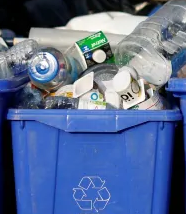
The Benefits of recycling
Another benefit of recycling is saving landfill space and environment. A large space of landfills is taken for storing waste materials such as plastic bottles, papers, cans, etc. One of the main reasons for recycling is to reduce the amount of garbage sent to landfills. We can minimize the space of landfills to create a clean and healthy environment. For instance, we can clear 8 cubic yards of landfill when recycling only one ton of plastic bottles. Therefore, one can imagine how much space could be saved to end up with a hygienic environment. To me, recycling of waste materials is not only beneficial for saving spaces but also cut costs of raw materials. Hence, to get the benefit of recycling, we should encourage programs and policies that are good for environment.
Furthermore, recycling is useful for mitigating global warming and pollution. Global climate change may have significant environmental and economic consequences for any nation. We need to recycle papers since it helps decrease emissions. These emissions result from the greenhouse gases that cause global warming. Therefore, recycling papers prevents methane emissions from landfills, leaves more trees standing so they can absorb more CO2, and requires less energy. In addition, it is important to know the fact that recycling lessens pollution. For example, recycling does not require much processing as virgin materials do. Thus, it seems to me less processing through recycling means the least amount of pollution in a sanitary environment.
In conclusion, recycling of used materials is an important thing to be taken into consideration since it has many advantages for our environment. Thus, people should not throw waste materials away as long as they can be used in another way. In fact, the only thing we need is to disseminate the culture of recycling in our society commencing from schools, universities and workplaces. As we recycle things that can be recycled then we show that we care about our community to secure a sanitary environment, and mitigate pollution phenomenon. In short, this essay is an introductory illustration for the utilities of recycling highlighted in three points: saving energy and oil resources, minimizing landfill space, and mitigating global warming and pollution.

ABDULGHANI AL-SHUAIBI
Dr. Abdulghani Al-Shuaibi
Academic Coordinator
English Language Center – ELC
Community College of Qatar
[This was a sample paper on the topic “The Benefits of Recycling”. Essayplant.com encourages students, professors, writers and contributors to donate their writings to foster global learning and knowledge sharing. Your papers, like the paper on the Benefits of Recycling can help others learn better, so, please, support our educational initiative!]
Вы услышите 6 высказываний. Установите соответствие между высказываниями каждого говорящего A–F и утверждениями, данными в списке 1–7. Используйте каждое утверждение, обозначенное соответствующей цифрой, только один раз. В задании есть одно лишнее утверждение. Вы услышите запись дважды.
Воспользуйтесь плеером, чтобы прослушать запись.
1. I feel unhappy because I can’t change public attitude to our planet.
2. I would like to see new energy saving laws introduced.
3. I am afraid of the after-effects of human activities.
4. I am sure that wise attitude to basic earth supplies is necessary.
5. I do not want my family to live in polluted environment.
6. I am for the use of energy saving practices in house construction.
7. I find many simple ways to help our planet in everyday life.
| Говорящий | A | B | C | D | E | F |
| Утверждение |
Расшифровка записи
Speaker A. I try to care about our planet. Some people argue that it’s impossible for an individual to affect major changes, but I disagree as there’re many things everyone can do to help our planet. Let’s start with our homes. Encouraging your family to recycle regularly is a good thing to start with. Every glass bottle you recycle saves enough energy to run a TV for an hour, while recycling an aluminum can saves enough energy to run a TV for three hours! It’s not difficult to turn out the lights when you leave a room or use re-useable containers for your lunches.
Speaker В. My name is Walton and I’m from the USA. I’m personally concerned about our environment pollution. I try to protect the environment, to preserve it and leave it clean and undamaged for the next generations who are at risk of not being able to leave their homes due to the high city pollution. Yet now, in my native city (Boston) the smog has increased to such a threatening level that my family and I had to move, because the air was harmful to the health of my 4-year-old son.
Speaker С. In my country, England, there is hardly a part of it that is within its natural state. The typical English countryside, the hills and fields, have all been shaped by generations of cultivation. In fact, taking the planet as a whole there is hardly a part of it that humans have not changed. I fear that by our pollution humans are changing the places where they do not live and where they live. Deserts are becoming hotter, arctic ice is melting and wherever you look you can see the ugly footprint of humanity.
Speaker D. Of course we should care more about our planet water supplies. When you use water wisely, you help the environment. You save water for fish and animals. You help preserve drinking water supplies as well. You save the energy that your water supplier uses to move water to you and the energy your family uses to heat your water. When you use water wisely, you save money as your family pays for the water you use. So if kids start learning to use water wisely today, they will be helping themselves in the future.
Speaker E. My name is Susan and I’m 17 years old. I think the earth is the home we all live in but many people simply don’t care. I get depressed by all those warnings that we hear daily, acid rain, global warming and on and on. It is likely that there will always be some people who litter in towns and in the country, despite fines and knowledge of the environmental consequences. You cannot influence the way other people care for our planet and that makes me very sad.
Speaker F. I suggest we should use all resources in the most efficient way possible. A green home will be a good solution here as it helps to conserve energy as well as water. Waste and pollution will be decreased too. A green home protects the environment by using renewable solar energy. Solar panels on the roof of a home collect sunlight, which is then converted into power to heat the home and run the home equipment. So a green home will save energy as well as money in addition to having other health benefits.