
Give a 2−minute talk on the wildlife in Russia. Remember to say:
• what is understood by the term wildlife;
• if you enjoy watching wildlife;
• where people can find wildlife in Russia;
• why national parks are important.

reshalka.com
ГДЗ Английский язык 10 класс Афанасьева. UNIT 3. Step 4. Номер №6
Решение
Перевод задания
Подготовьте 2−минутную речь о дикой природе России. Не забудьте сказать:
• что понимается под термином дикая природа;
• нравится ли вам наблюдать за дикой природой;
• где люди могут найти дикую природу в России;
• почему заповедники важны.
ОТВЕТ
Wildlife traditionally refers to undomesticated animal species and includes all organisms that grow or live wild in an area without being introduced by humans.
An example of wildlife is a deer and a bird that are seen along a hike. I enjoy watching wildlife while walking in the park or forest.
Russia is home to a large variety of wildlife. It is a biodiversity hotspot with its various ecosystems ranging from the tundra region in the far north to the Caucasus Mountains and prairies in the south, including forests which cover 70% of the country’s territory.
Here are the top places to enjoy wildlife in Russia.
• Baikal Nature Reserve.
• Kuznetsk Alatau Reserve.
• Altai Reserve.
• Kronotsky Nature Reserve.
• Caucasian Biosphere Reserve.
The world’s nature reserves not only defend nature for nature’s needs, but also curb erosion, prevent sandstorms, retain water and prevent flooding, and sequester carbon. In addition they provide protection and suitable living conditions to wild animals.
Перевод ответа
Дикая природа традиционно относится к неодомашненным видам животных и включает в себя все организмы, которые растут или живут в дикой природе на определенной территории и не были завезены человеком.
Примером дикой природы являются олень и птица, которых можно увидеть во время похода. Мне нравится наблюдать за дикой природой во время прогулки в парке или лесу.
Россия является домом для большого разнообразия дикой природы. Это горячая точка биоразнообразия с ее разнообразными экосистемами, от тундры на крайнем севере до Кавказских гор и прерий на юге, включая леса, которые покрывают 70% территории страны.
Вот лучшие места для наслаждения дикой природой в России.
• Байкальский заповедник.
• Кузнецкий Алатауский заповедник.
• Алтайский заповедник.
• Кроноцкий заповедник.
• Кавказский биосферный заповедник.
Природные заповедники мира не только защищают природу ради нужд природы, но и сдерживают эрозию, предотвращают песчаные бури, удерживают воду и предотвращают наводнения, а также улавливают углерод. Кроме того, они обеспечивают защиту и подходящие условия для жизни диких животных.
Обновлено: 09.03.2023
Wildlife in Russia attracts many thousands of romantics, hikers, adventurers and artists. No other country can boast such untouched spaces of civilization! Among the many diverse geographic zones are majestic mountain ranges, blue lakes, dense forests, inaccessible cliffs, river flows and uncovered valleys.
I like wildlife, it is amazingly beautiful and wonderful. I like watching TV documentaries on TV to relax and have some rest. I can name some of the nature attractions around Russia, for example Baikal, which is the deepest lake in the world (1642 meters). It ranks first in the world among freshwater lakes in terms of freshwater (19% of world reserves). It’s more than all of the five Great Lakes combined. If suddenly all the water on Earth disappears, Baikal will be able to provide water for humanity for five years.
And if we speak about the wildlife parks, I can say that they are extremely important to save wildlife and extinct animals.
Дикая природа в России привлекает много тысяч романтиков, туристов, путешественников и художников. Ни одна другая страна не может похвастаться такими нетронутыми пространствами цивилизации! Среди множества разнообразных географических зон — величественные горные хребты, голубые озера, густые леса, недоступные скалы, речные потоки и непокрытые долины.
Мне нравится дикая природа, это очень красиво и прекрасно. Мне нравится смотреть телевизионные документальные фильмы, чтобы расслабиться и отдохнуть. Я могу назвать некоторые природные достопримечательности по всей России, например, Байкал, который является самым глубоким озером в мире (1642 метра). Он занимает первое место в мире среди пресноводных озер (19% мировых запасов). Это больше, чем все пять Великих озер вместе. Если внезапно исчезнет вся вода на Земле, Байкал сможет обеспечивать водой человечество пять лет.
И если мы говорим о парках дикой природы, могу сказать, что они чрезвычайно важны для спасения дикой природы и вымерших животных.
Nature
Природа
Mother-Nature is so varied. We usually divide it into two types: wildlife and inorganic nature. Animals, plants, weather, water or earth, all is the part of nature. People are also the part of nature. Sometimes we forget about it and do harm to the nature. Nature is our home. We live here. It is the main reason why we must not pollute the nature and do harm to it. We must protect it from air or water pollution or unauthorized disposal fields, for example.
Мать-природа так разнообразна. Мы обычно делим природу на два типа: живая и неживая. Животные, растения, погода, вода или земля — все это часть природы. Люди также являются частью природы. Иногда мы забываем об этом и причиняем вред природе. Природа — наш дом. Мы живем здесь. Это главная причина, по которой мы не должны загрязнять природу и причинять ей вред. Например, мы должны защищать ее от загрязнения воздуха или загрязнения воды или несанкционированных свалок.
Nature is beautiful. We enjoy and admire it. All over the world we can find unique places that seem to be from a fairy tale. Fascinating waterfalls and unusual landscapes attract millions tourists from every part of our planet. I want to travel a lot in my life to see as many places as possible. Even in one place you may find a lot of interesting.
Природа прекрасна. Мы наслаждаемся и восхищаемся ею. Во всем мире мы можем найти уникальные места, которые, кажется, словно из сказки. Чарующие водопады и необычные пейзажи привлекают миллионы туристов со всех уголков нашей планеты. Я хочу много путешествовать, чтобы увидеть как можно больше мест. Даже в одном месте планеты вы можете найти много интересного.
I want to travel through Russia. Nature here varies from city to city. I like pine woods in Siberia, warm and sunny weather of the Black sea areas, volcanoes in Kamchatka. There are so many fascinating and wonderful places!
Я хочу путешествовать по России. Природа здесь меняется от города к городу. Мне нравятся хвойные леса в Сибири, теплая и солнечная погода в районе Черного моря, вулканы на Камчатке. Так много увлекательных и замечательных мест!
You will definitely enjoy nature in every country, in every part of the Earth. Nature may be beautiful with its waterfalls and landscapes or awful and powerful with its disasters. Anyway it is our home and we are the part of it. Enjoy nature and keep it.
Вы обязательно насладитесь природой в любой стране, во всех уголках Земли. Она может завораживать водопадами и пейзажами или ужасать мощью природных катастроф. Так или иначе, природа – это наш дом, и мы ее часть. Наслаждайтесь природой и берегите ее.
Природа нашей страны разнообразна: у нас есть огромные реки, озёра, как море, дремучие леса, бесконечная тайга, снежные просторы, тундра, моря. The nature of our country is diverse: we have huge rivers, lakes, like the sea, dense forests, endless taiga, snowy expanses, tundra, seas.
p, blockquote 2,0,0,0,0 —>
Лес – forest [ˈfɔrɪst]
Озеро – lake [leɪk]
Болото – swamp [swɔmp]
Река – river [ˈrɪvə]
p, blockquote 3,0,0,0,0 —>
Пошёл дождь. Его капли звонко барабанили по крыше. Мы выбежали на лужайку около дома. Чудный ливень. Природа созвучна нашему настроению. Rain is coming. His drops rang loudly on the roof. We ran out onto the lawn near the house. Wonderful shower. Nature is in tune with our mood.
p, blockquote 4,0,0,0,0 —>
This species of tigers died out in the wild, now there are only a few individuals in zoos. Этот вид тигров вымер в дикой природе, сейчас осталось лишь несколько особей в зоопарках.
p, blockquote 5,0,1,0,0 —>
Природу надо беречь. Nature must be protected.
p, blockquote 6,0,0,0,0 —>
Уникальная природа планеты Земля позволила не только появиться человеку, но и создала предпосылки для цивилизации и культуры. The unique nature of the planet Earth has allowed not only to appear to man, but also created prerequisites for civilization and culture.
p, blockquote 7,0,0,0,0 —>
Природа щедра к нам. Nature is generous to us.
p, blockquote 8,0,0,0,0 —>
Диалог о природе на английском языке
– Поехали на природу!
– Это куда?
– В горы.
– Это опасно и тяжело.
– Мы пойдём старыми тропами. Они безопасны и там потрясающие виды.
– Я боюсь дикую природу.
– Зря.
– В лесу у гор водятся волки.
– Их уже много лет как там не видели. Мы можем встретить зайцев.
– А ночью будет холодно?
– Я возьму с собой палатку и два спальных мешка.
p, blockquote 9,0,0,0,0 —>
p, blockquote 10,0,0,0,0 —>
– Let’s go to nature!
– This is where?
– Into the mountains.
– It’s dangerous and hard.
– We’ll go the old paths. They are safe and there are stunning views.
– I’m afraid of wildlife.
– In vain.
– There are wolves in the forest by the mountains.
– There have been many years since they were seen there. We can meet hares.
– Will it be cold at night?
– I’ll take a tent and two sleeping bags.
p, blockquote 11,1,0,0,0 —>
Рассказ о природе
Говорят, что север суров, что природа здесь бедная. Это не так. Русский север великолепен. Вы были когда-нибудь осенью у полярного круга? Представьте: под ногами всё устлано ягелем. Словно ходишь по подушке. Прохладно, но у костра можно согреться.
p, blockquote 12,0,0,0,0 —>
Идёшь по тундре, здесь голубика, брусника, грибы. Запах, которого больше нет нигде. Иногда тундру пересекают мелкие речушки, которые можно порой перейти вброд.
p, blockquote 13,0,0,0,0 —>
Есть ещё потрясающий Дальний Восток. Здесь природа особенно обильна и щедра на красоты.
p, blockquote 14,0,0,0,0 —>
В Подмосковье зимой снежное раздолье: катание на санях, лыжи. Летом здесь всё зелено и реки полны рыбы.
p, blockquote 15,0,0,0,0 —>
Летом поезжайте на Кубань. Цветущий край: фруты, овощи, море.
p, blockquote 16,0,0,0,0 —>
Но наша страна имеет развитую промышленность, что не всегда идёт на пользу окружающей среде. Благо, в последнее время и государство и граждане стали болеевнимательно относиться к природе.
p, blockquote 17,0,0,1,0 —>
They say that the north is harsh, that nature is poor here. This is not true. The Russian north is magnificent. Have you ever been to the Arctic Circle in the autumn? Imagine: under the feet everything is covered with a yagel. It’s like walking on a pillow. It’s cool, but you can warm up around the fire.
p, blockquote 18,0,0,0,0 —>
You walk along the tundra, here there are blueberries, cranberries, mushrooms. Smell, which is nowhere else. Sometimes tundra is crossed by small rivulets, which can sometimes wade.
p, blockquote 19,0,0,0,0 —>
There is still a stunning Far East. Here, nature is especially plentiful and generous with beauty.
p, blockquote 20,0,0,0,0 —>
In the suburbs in winter, snowy expanse: sleigh rides, skis. In summer everything is green here and the rivers are full of fish.
p, blockquote 21,0,0,0,0 —>
In summer, go to the Kuban. Blooming edge: fruits, vegetables, sea.
p, blockquote 22,0,0,0,0 —> p, blockquote 23,0,0,0,1 —>
But our country has a developed industry, which does not always benefit the environment. Fortunately, recently both the state and citizens have become more sensitive to nature.
Сочинение по английскому на тему Природа представлено для учеников общеобразовательных школ. Оно может пригодиться 10 и 11 классам, изучающим тему природы и экологии. В сочинении указано насколько важную роль природа играет в нашей жизни. Такое сочинение на тему Природа на английском языке может быть использовано для написания домашних заданий или классных работ, как основа и образец.
Topic «Nature»
People do usually say that nature is our mother. It gives a person everything that is necessary for life, even though we don’t always appreciate its gifts. What could be better than the warm sun, majestic mountains, and blooming trees in the spring? The world of nature is very rich and varied. There are hundreds of thousands of species, many of which we’ve never seen in our life.
We all used to live in a world that seems to be built by ourselves. We live in big houses equipped with high-tech consumer devices; we are able to travel long distances using cars, trains, and planes. We are able to know what is happening thousands of miles away, over the Internet or television. But all of this is secondary. We use the knowledge of the laws of nature and its power to create all these technologies anyway.
Certainly, you cannot live fully if you do not have the opportunity to bask in the summer sun, enjoy the fresh morning air, breathe the scent of roses, see billions of stars high in the night sky. Some may disagree, but all of us need these simple pleasures from time to time. People like to spend their weekend and holidays outdoors so that communication with nature helps them to relax and gather strength to solve important problems in our «human» world.
It is very frustrating that people are fascinated by the development of new technologies that often damage the nature. Our activity causes the pollution of the environment, climate changes, extinction of animals and plants. Years ago it was not very noticeable, but now the people in the big cities just cannot breathe.
Remember that by harming nature we make ourselves worse too. So we cannot be indifferent and have to keep wealth and beauty of our nature.
Топик «Природа»
Часто люди говорят, что природа — наша мать. Она дает человеку все, что необходимо для жизни, хотя мы не всегда ценим ее подарки. Что может быть лучше, чем теплое солнце, величественные горы и цветущие деревья весной? Мир природы очень богат и разнообразен. Существуют сотни тысяч видов, многие из которых мы никогда не видели в нашей жизни.
Мы привыкли жить в мире, который, кажется, построен нами самими. Живем в огромных домах, оснащенных высокотехнологичными потребительскими устройствами; мы можем путешествовать на большие расстояния, используя автомобили, поезда и самолеты. Мы можем узнать, что происходит за тысячи километров, через Интернет или телевидение. Но все это вторично. В любом случае, мы используем знания о законах природы и их силе для создания всех этих технологий.
Очень расстраивает то, что люди восхищаются развитием новых технологий, которые часто наносят ущерб природе. Наша деятельность часто вызывает загрязнение окружающей среды, провоцирует климатические изменения, вымирание животных и растений. Много лет назад это было не очень заметно, но теперь люди в больших городах просто не могут дышать.
Помните, что причиняя вред природе, мы делаем хуже и себе. Поэтому мы не можем оставаться безразличными и должны сохранять богатство и красоту нашей природы.
Читайте также:
- Художественный мир лескова сочинение
- Сочинение значение комедии недоросль
- Гибель базарова это досадная случайность или же она предрешена всем ходом повествования сочинение
- Сочинение на тему лодырь
- Сочинение на тему степь раздольная степь широкая
метки: Климат, Природа, Английский, Погода, Country, Страна, Unite, Include
Вершинская Инга. Колледж предпринимательства №11, Москва, Россия
Сочинение на английском языке с переводом. Номинация Наш мир.
Great Britain and Russia — they are so different! Historically, geographically, politically… It seems that these are absolutely different countries … But everything is changing.
We can say that the cardinal and rapid transformations of the last decades have considerably changed the picture of the world. Currently the world is going to the global integration. Economical, political, cultural relations between Eastern and Western countries are becoming closer year by year. Greater and greater contact between people of various countries, races and communities, and more and more knowledge of each other`s culture, gradually tend to evolve a common world culture in which in course of time the best elements of the various cultures may be incorporated and synthesized. And we think nowadays it is a favourable time for people from different countries to understand each other cultures and lifestyles. But in this paper we would like to discuss the wildlife of two countries — the United kingdom of Great britain and Northern Ireland and Russia.
The United Kingdom of Great britain and Northern Ireland is a country that differs from Russia in many aspects. Therefore we can suggest that the wildlife of these two countries should be different, too. Let us compare the wildlife in the United Kingdom and the Russian Federation, find the differences and similarities.
First of all, let us compare the climates of the two countries. As everyone knows one of the most influential factors that affect a country`s nature and wildlife is the climate. The United Kingdom is a relativelysmall country which is situated on the island. That fact determines the specificity of the climate. It is mild and maritime, and the weather is changeable from day to day. Summers in the UK are warm and wet and winters generally mild and wet. As the territory is small, there are no great differences from one part of the country to another.
As for the Russian Federation, it is a very big country, that`s why the climate varies greatly. Russia is the largest country in the world, with nine time zones, and the climate can be different in various areas of the country. The cold arctic climate is in the north Siberia and the sub-tropical hot climate is near the Black Sea. But the most of the country has a continental climate, typically characterized by long cold winters and short summers.
2 стр., 902 слов
IS YOUR COUNTRY WORTH VISITING — My country in the world …
… выясняют, чем различаются два плана сочинения, затем решают, по какому плану они будут писать сочинение. В соответствии со вторым … 2) В упражнении происходит основная подготовка к написанию сочинения. Учащиеся формулируют свои аргументы. В качестве содержательной основы … On the one hand, … On the other hand, … Another argument is that … In my opinion, … Conclusion : In conclusion, … To sum …
The differences in climate cannot but influence the wildlife in these countries. The wildlife, as everyone knows, includes its flora and fauna and their natural habitats. Let us review the unique wildlife of the United Kingdom of Great Britain and Northern Ireland and the Russian Federation.
British fauna includes an incredible selection of animals. A wide variety of different animals can be found in and around the country. Rodents make up 40% of the total number of mammal species in Great Britain. These include squirrels, mice, voles, rats and the recently reintroduced European beaver. There is also an abundance of rabbits, hares, hedgehogs, shrews, moles and several species of bat. Carnivorous mammals include the fox, badger, otter, weasel, stoat and elusive wildcat. The largest land-based wild animals in the UK today are deer. The red deer is the largest species on the British Isles, with roe deer and fallow deer also prominent; the latter was introduced by the Normans.
There is a wealth of birdlife in Britain, 583 species in total, of which 258 breed on the island or remain during winter. Because of its mild winters for its latitude, Great Britain hosts important numbers of many wintering species, particularly ducks, geese and swans. Other well known bird species include the golden eagle, grey heron, kingfisher, pigeon, sparrow, pheasant, partridge, and various species of crow, finch, gull, auk, grouse, owl and falcon.
Various species of seal, whale and dolphin are found on or around British shores and coastlines.
As for the landscape of Russia it includes every kind of habitat found in the northern latitudes: among them are Arctic tundra; great, meandering rivers; vast, windswept plains; mountain ranges; cold, dark seas; and sprawling forests of conifers and birches. So Russia houses a great number of various animal species. We can name mammals of more than 300 species, birds of more than 700 species, amphibians of about 30 species and reptiles of 80 species. Along the coast of the Arctic Ocean live polar bear, walrus, and seal. The reindeer, lemming, arctic fox, hare, and ermine are among the most commonanimals inland. Birds are plentiful, especially such migratory waterfowl as ducks and geese.
The forests of Russia are the most extensive in the world. Animals include brown bears, wolves, elk, deer, lynxes, gluttons (animals similar to wolverines), foxes, sables, martens, badgers, and more than 200 species of birds.
In the north is a region, sometimes called the forest steppe. This region has been settled for centuries. There are a great number of burrowing animals — hamsters, jerboas, lemmings, moles, rabbits, rats, skunks, and, especially, ground squirrels. There are also many kinds of birds, including bitterns, and hawks.
It`s not a secret that (unfortunately) unmanaged commercial exploitation has driven some species of wild animals to the edge of extinction. In both countries there is the same problem — the extinction of some animals. For example, over the last 1,000 years several native animals have become extinct in Britain, mainly as aresult of human activities. 100 species have become extinct in the UK during the 20th century. Many more of wild animals could become extinct unless people take care. However, some species, such as the brown rat, red fox, and grey squirrel, are well adapted to urban areas. In the UK the consistent lack of extremes provides an excellent footing for wide varieties of animals.
10 стр., 4540 слов
Топик great britain | великобритания на английском языке
… отличия между Великобританией, Англией и Соединенным Королевством. Топик по английскому «Великобритания» (Great Britain) The United Kingdom of Great Britain and Northern … товаров из железа и стали. Наиболее важные промышленные города Великобритании – это Лондон, Бирмингэм, Манчестер, Глазго, Ливерпуль, … Страна имеет население в 60 млн. человек на территории 244 тыс. кв. км. Острова омываются …
And what about Russia? The problem is similar! Some native animals have become extinct in Russia, and some others are in danger. Among the currently endangered species are the Siberian (or Amur) tiger, Far Eastern (or Amur) leopard, snow leopard, green sturgeon, goral, Steller`s sea eagle, scaly-sided merganser, and Blakiston`s fish owl. Other notable animals whose habitats are a conservation priority in the country are the lynx, Asiatic black bear, brown bear, yellow-throated marten, snow sheep, and eight species of salmon (appendix 6).
As we can see, the problem is the same for both countries.
And now let us discuss British and Russian flora.
Before the British Isles were separated from the Continent, there were 32 established species of broad-leaved trees, 3 species of conifer and a few shrubs. All other trees now growing in the territory of the country were introduced by man; among them we can name many hundreds of species of trees and shrubs that may now be found growing in Britain.
The island has a wide variety of trees, including native species of birch, beech, ash, hawthorn, elm, oak, yew, pine, cherry and apple. Other trees have been naturalized, introduced especially from other parts of Europe (particularly Norway) and North America. Introduced trees include several varieties of pine, chestnut, maple, spruce, sycamore and fir, as well as cherry plum and pear trees. The tallest species are the Douglas firs; two specimens have been recorded measuring 212 feet (65 meters).
The Yew is the oldest tree in Europe.
There are at least 1500 different species of wildflower in Britain. Some 107 species are particularly rare or vulnerable and are protected by the Wildlife and Countryside Act 1981. It is illegal to uproot any wildflowers without the landowner`s permission. The vote in 2002 nominated various wildflowers to represent specific counties. These include red poppies, bluebells, daisies, daffodils, rosemary, gorse, iris, ivy, mint, orchids, brambles, thistles, buttercups, primrose, thyme, tulips, violets, cowslip, heather and many more.
There is a great number of plants in the vast territory of Russia. Biologists argue that there are over 11,400 species of plants throughout the country. Russia has several soil and vegetation zones, each has its characteristic flora. Mosses, lichens, sedges, and small shrubs, such as dwarf birch, willow, and juniper, are the chief plants of tundra.
The taiga, a coniferous forest, makes up the northern and central part of the forest belt.Pines, firs, and larches predominate there. The southern part of the forest belt is made up mainly of deciduous trees, such as oak, aspen, hornbeam, linden, ash, alder, elm, maple, and, above all, birch.
14 стр., 6651 слов
Рассказ о природе россии на английском языке с переводом
… Россия — президентская республика. Она — один из лидеров на мировой арене. Сочинения о России на английском языке с переводом на русский язык Представлена подборка сочинений о России на английском языке с переводом на русский язык. … сочинение на идее рассказать, какая большая страна — Россия, и чем она богата. Если вам нужно сочинение … мире бытует мнение, что климат в России морозный и холодный. …
Caucasus Mountains are not just a mountain ridge. This is a rich habitat for many species of flora and fauna which feel great on the wooded slopes, and alpine meadows. In the semidesert zone, we can find such plants as xerophytic grasses and shrubs. So, Russian flora is extremely different and various, too.
Having reviewed the wildlife in the United Kingdom of Great Britain and Northern Ireland and the Russian Federation, we can make some comparisons. First of all, there is no doubt that the wildlife in the two countries differs from each other. It can be explained with a number of factors, such as the difference in the size of the territories, geographical positions, climate, landscape, etc.
But at the same time I can see some similarities between the wildlife in the United Kingdom of Great Britain and Northern Ireland and the Russian Federation. Both countries have a great number of animals, birds and fish, and many of them are the same in the UK and Russia. There is also a great number of plant species in the two countries, and many of them are the same.
In my opinion the United Kingdom and the Russian Federation have the common problem — the problem of extinction of some rare animals, birds and plants. Both countries have the same task — to prevent the extinction, to safe the endangered species. This problem can unite scientists and common people from both countries, and all together we will certainly be able to safe the unique wildlife of the United Kingdom of Great Britain and Northern Ireland and the Russian Federation. The UK and Russia can join their efforts to solve this problem.
Великобритания и Россия — это такие разные страны! В историческом, географическом, политическом плане… Кажется, что это абсолютно разные страны. Но все меняется.
Можно с уверенностью сказать, что события последних десятилетий поменяли картину мира. В настоящее время мир стремится к всеобщей глобализации. Экономические, политические и культурные связи между Востоком и Западом становятся теснее год за годом. Тесные связи между людьми разных стран, рас и обществ, обмен культурными ценностями постепенно приводит к тому, что появляется единая мировая культура, где элементы различных культур переплетаются и объединяются. Я считаю, что сейчас благоприятное время для того, чтобы люди общались и понимали понять культуру и образ жизни людей из других стран. Но в данном сочинении я хотела бы поговорить о дикой природе двух стран — Великобритании и России.
Соединенное Королевство Великобритания и Северной Ирландии — страна, отличающаяся от России по многим аспектам. Следовательно, можно предположить, что и дикая природа страны должна отличаться. Давайте сравним природуэтих стран, найдем схожее и отличное.
Прежде всего, сравним климат двух стран. Все знают, что климат — это один из факторов, влияющих на природу страны. Соединенное Королевство относительно небольшое государство, расположенное на острове. Этот факт определяет климат страны. Он мягкий и морской. Погода может меняться каждый день. Лето в Великобритании теплое и влажное, зима обычно мягкая и влажная. Поскольку территория небольшая, климат не особенно отличается в различных частях страны.
2 стр., 707 слов
Россия — страна больших возможностей
… ты амбициозен, не щадишь своих сил и времени, чтоб добиться своего. Россия – страна больших возможностей. Но открываются они лишь целеустремленным людям. Примером такой целеустремленности для меня является … может не видеть тех возможностей, которые дают ему молодость, время, страна… Так решайтесь, люди! Соберите в кулак свои силы и идите вперед! Страна Россия велика, Её просторы безграничны, …
Российская Федерация — большая страна, поэтому климат резко отличается. Россия самая большая страна в мире и включает в себя 9 часовых поясов. Климат различается в разных частях страны: холодный арктический климат в северной Сибири и субтропический жаркий климат на побережье Черного моря. Но все-таки характерный климат на большей территории стран — континентальный. Он характеризуется длинной холодной зимой и коротким летом.
Различия в климате не могут не влиять наприроду этих стран. Природа, как все знают, делится на флору и фауну. Давайте рассмотрим уникальную дикую природу Великобритании и России.
Британская фауна включает в себя бесчисленное разнообразие животных. В этой стране можно встретить различных животных. В Великобритании грызуны составляют 40% от всех млекопитающих. Это белки, мыши, полевки, крысы и недавно привезенные из Европы бобры. На территории этой страны также живут разные виды кроликов, зайцев, ежей, землероек, кротов и летучих мышей. Плотоядные млекопитающие, обитающие в Великобритании, — это лиса, барсук, выдра, ласка, горностай и неуловимая дикая кошка. Самое большое дикое животное, обитающее на суше, — это олень. Вид благородного оленя — самый многочисленный вид на Британских островах, а также здесь известны косуля и лань, которая была привезена когда-то викингами.
В Британии большое разнообразие птиц: 583 вида, из которых 258 видов остается на зиму. Поскольку в Великобритании мягкие зимы, сюда прилетают птицы на зимовку, например, утки, гуси и лебеди. Также среди известных птиц можно отметить золотого орла, серую цаплю, зимородка, голубя, воробья, фазана, серую куропатку, различные виды ворона, зяблика, чайку, куропатку, сову и сокола.
Вокруг островов и вдоль береговой линии можно увидеть различные виды тюленей, китов и дельфинов.
Что касается ландшафта России, то на ее просторах мы можем встретить Арктическую тундру, большие извилистые реки, обширные равнины, горные цепи, холодные и глубокие моря, дремучие хвойные и лиственные леса. Поэтому в России обитают разнообразные виды животных: млекопитающих более, чем 300 видов; птиц боле, чем 700 видов, земноводных около 30 видов и рептилий около 80 видов. Вдоль побережья Арктического океана живут полярные медведи, моржи и тюлени. Северный олень, лемминг, арктическая лиса, заяц и горностай — привычные обитатели арктического побережья. Здесь же живут множество птиц, например, перелетные водоплавающие птицы — утки и гуси.
Огромные территории в России занимают леса. В лесах живут бурые медведи, волки, лоси, олени, рыси, росомахи, лисы, соболи, куницы, барсуки и свыше 200 видов птиц.
На севере России есть регион, называемый лесными степями. Здесь обитают норные животные: хомяки, лемминги, тушканчики, кроты, кролики, крысы, скунсы и земляные белки. Также здесь обитают птицы, например, выпь и ястреб.
К сожалению, неуправляемое коммерческое использование растений и животных привело в тому, что некоторые виды находятся на грани исчезновения. Это проблема для обоих стран. Например, за последнее тысячелетие некоторые виды животных исчезли в Великобритании, в основном в результате деятельности человека. Только 100 видов исчезло в Великобритании в 20 веке. Однако, некоторые виды, например, коричневая летучая мышь, красная лиса, серая белка приспособились к городским районам.
5 стр., 2357 слов
Автоматизированная информационная система ‘Учет животных, …
… данных предметной области База данных предназначена для хранения информации об обитателях зоопарка, обслуживающем персонале, характеристические особенности животных, рацион питания, проживания. В базе есть полная информация о животном такая как: зона обитания, вид, …
Какова же ситуация в России? Здесь мы видим одну и ту же проблему! Одниживотные находятся на грани исчезновения, а другие подвергаются опасности. Среди них сибирский (амурский) тигр, дальневосточный (амурский) леопард, снежный леопард, зеленый осетр, горал, морской орел стела, крохаль и блэкистон рыба-сова. А проблема сохранения таких важных животных как рысь, азиатский черный медведь, коричневый бурый медведь, желторотая куница, снежная овца и восемь видов лосося имеет первостепенное значение для страны.
Как мы видим, эти проблемы одинаковы в обеих странах.
А теперь поговорим о британской и российской флоре. Давайте обсудим британский и российский растительный мир.
Когда британские острова еще были частью континента, было зафиксировано 32 вида широколиственных деревьев, 3 вида хвойных и несколько видов кустов. Остальные деревья, растущие на территории страны, были завезены людьми: среди них можно обнаружить многие сотни видов деревьев и кустов, которые в настоящее время растут в Британии.
Наострове существует большое разнообразие деревьев, включая первичные виды березы, бука, ясеня, боярышника, вязь, дуба, тиса, сосны, вишни и яблока. Другие деревья были специально завезены из других частей Европы (частично из Норвегии) и Северной Америки. Завезенные деревья включали несколько видов сосен, каштана, клена, ели, платана и пихты, а также вишню, сливу и грушу. Самым высоким видом была дуглаская ель, два экземпляра которой достигали высоты 212футов (65 метров).
Тис – старейшее дерево в Европе.
В Британии существуют, по крайней мере, 1500 разновидностей диких цветов. 107 видов из них особенно редкие, находятся на грани исчезновения и охраняются организацией Wildlife с 1981 года. Срывать дикие цветы без разрешения землевладельца незаконно. Голосованием в 2002 году было решено, что разнообразные дикие цветы будут служить для представления каждого графства. Туда входят красные маки, колокольчики, маргаритки, нарцисс, розмарин, дрок, ирис, плющ, мята, орхидея, ежевика, репейник, чертополох, лютик, примула, тимьян, тюльпан, фиалка, первоцвет, вереск и многие другие.
На обширной территории России тоже существует огромное число растений. Биологи спорят о том, что их более 11,4000 видов по всей стране. В России есть несколько почвенных и растительных зон, каждая из которых представлена своей флорой. Мох, лишайники, осока и карликовые кусты, такие как карлик-береза, ива и можжевельник – главные растения тундры.
Тайга, место хвойных лесов, составляет северную и центральную часть лесного массива. В ней преобладают сосны, ели и лиственница. Южную часть леса составляют в основном лиственные деревья, такие как дуб, осина, граб, липа, ясень, ольха, ель, клен и среди них береза.
Кавказские горы представляют собой не просто горный хребет. Это богатое место обитания для многих представителей природы, которые хорошо чувствуют себя на лесных склонах и альпийских лугах. В степной зоне можно найти такие различные растения, травы и кусты. Итаким образом, российская флора также разнообразна и уникальна.
Познакомившись с природой Великобритании и России, мы можем провести некоторые сравнения.
1 стр., 471 слов
Россия — мой дом моя страна
… -самое глубокое озеро в мире. Существуют различные типы климата на территории России. На севере очень холодно, даже летом. В центральной части страны зимы обычно холодные, лето очень … много больших заводов и фабрик по всей стране. Россия-тоже аграрная страна. Русские сажают кукурузу, фрукты и овощи. У России очень богатая история. Это древняя страна с большим количеством исторических …
Во-первых, нет сомнения, что дикая природа двух стран отличается друг от друга. Это можно объяснить рядом факторов, таких как различия в размере территории, географическое расположение, климат, ландшафт и т.д.
Но в то же время мы можем увидеть сходства между двумя государствами. В обеих странах есть одни и те же виды животных, птиц и рыб. Также существует огромное число растений в двух странах и многие из них схожи.
На наш взгляд, в России и Великобритании существует одна общая проблема – проблема исчезновения некоторых редких видов животных, птиц и растений. Обе страны имеют общую задачу — предотвратить вымирание и сохранить исчезающие виды. Эта проблема может объединить ученых и людей из обеих стран, и все вместе, несомненно, смогут спасти уникальную дикую природу Великобритании и России. Эти страны могут объединить свои усилия для решения общей проблемы.
Copyright ©
Are you thinking of a holiday in Russia with an interest in exploring the beauty of the wildlife here in Russia? If yes, you are going to have amazing fun while exploring the gorgeous and mind-blowing flora and fauna of Russia. There are many wildlife reserves in Russia which are open for tourist visits. Along with the natural vistas, the wildlife in Russia is a key highlight for people who love to explore the offbeat path. So, if you are keen on planning a wildlife holiday in Russia, there are many great places you must consider and trust us the experience is going to be absolutely awesome for you.
5 Best Wildlife Reserves In Russia
With this wildlife in Russia list, you will definitely enjoy discovering great wildlife parks in Russia. You can climb up mountains or take a dip in the largest swamps of the world to explore the gorgeous wildlife of Russia. Here are the top places to enjoy wildlife in Russia.
1. Baikal Nature Reserve
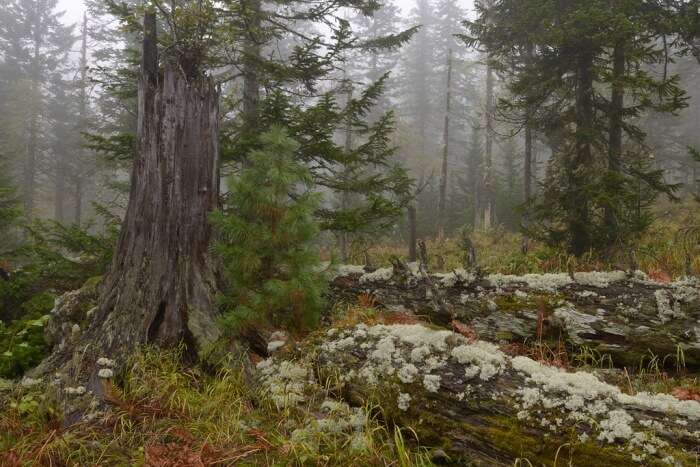
Image Source
Home to some rare animals in Russia, the Baikal Nature Reserve is a gorgeous reserve that covers the famous Lake Baikal of Russia. This is the deepest lake in the whole world that is also the largest contributor of fresh water. To reach the reserve you will have to cross the stunning coniferous and deciduous forest which has great flora and fauna including more than 300 species of wildlife in Russia animals and around 80 species of plants. Around 25 species of the exotic flora and fauna of this reserve are mentioned in the Red Book of Endangered Species. For those who are not aware of how many wildlife reserves are in Russia, well there are 120 and Baikal Nature Reserve is one of the most stunning. Here you can enjoy fishing, kayaking, motor-biking, skating, and hiking, walk in the woods and if you are not excited with the idea of hiking you can stay at the campsites which are located close to the Lake Baikal.
Suggested Read: 19 Cool And Unusual Things To Do In Russia That You’ve Never Heard Before!
2. Kuznetsk Alatau Reserve
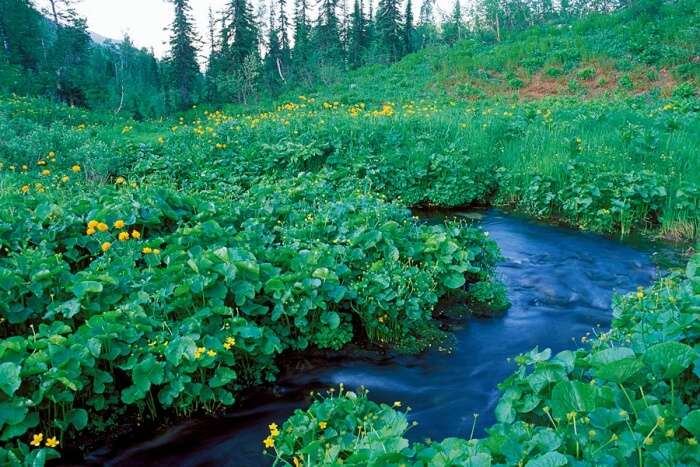
Image Source
Situated in the southern direction of the Central Siberia, Kuznetsk Alatau Reserve has the most striking and exceptional ecosystem. The valley is nestled with high mountain ridges, cedar woods and there are gorgeous and crystal clear, ice cold rivers taking the beauty of the reserve to another level. You can also find vast and deep lakes here which are made by the water melting from the glacier caps as well as the underground water. This Russian wildlife sanctuary is quite famous among mountaineers and hiking enthusiasts who visit here in abundance during summer as well as winter season. The trails of the reserve are easy with convenient paths along the shelters which are spread across the way. There are some small huts and you can stay here if you want to avoid staying in tents of the campsites.
Suggested Read: 8 Cities With Best Russia Nightlife; Say It Aloud, “Lights, Vodka, & Russians!”
3. Altai Reserve
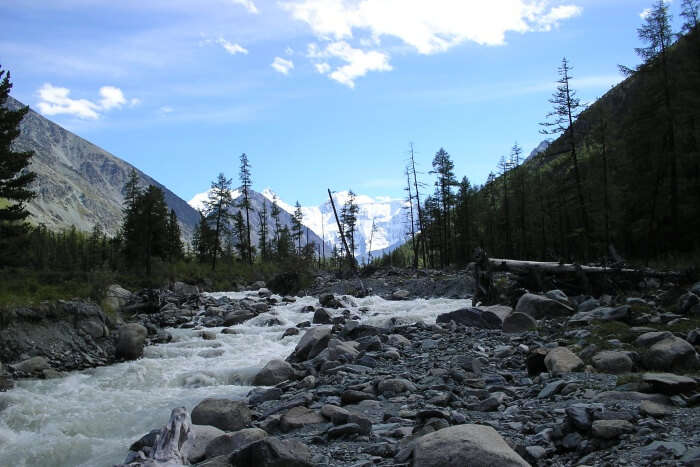
Image Source
Altai Reserve is a well known UNESCO World Heritage Site and this is one of the largest reserves of Russia. Bordered with the high mountains and great Lake Teletskoye, this remarkable reserve is quite gorgeous. In this rustic and charming reserve there are 1,190 lakes and to reach these lakes, you have to take hiking as an option because there is no road. The Belukha Mountain is the highest peak in the Altai Mountains and Siberia and to climb up to the summit, you will need the mountaineering equipment and proper training. On reaching the summit you will see the finest of natural beauty and if you are lucky, you might find the rare snow leopards. If you are not into trekking and mountaineering, you can just relax and chill at the Lake Teletskoye in a rented cottage. These cottages are available on rents and you can have some really delicious food while you stay near the lake. A visit to Altai Reserve gives you the opportunity to explore wildlife in Russia animals and plants. So, if you are a nature lover, there is no other place than this reserve.
Suggested Read: It’s A Good Time To Be A FIFA Fan If You Want A Visa-Free Entry In Russia
4. Kronotsky Nature Reserve
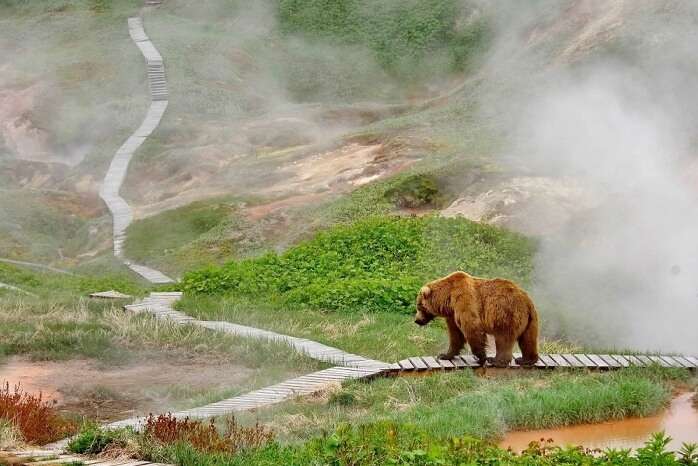
Located in the Kamchatka Peninsula sharing a border with the Pacific Ocean, the Kronotsky Nature Reserve is one of the oldest protected areas of Russia. This wildlife sanctuary in Russia has the gorgeous waterfalls, the Valley of Geysers, some of the famous thermal lakes and the active volcano named Kronotsky. One among the seven wonders of Russia, the Valley of Geysers is Eurasia’s one and the only geyser field region. If you want to enjoy the wildlife in Russia planning a trip to Kronotsky Nature Reserve can give you amazing options to enjoy the vivacious activities to do amazingly beautiful and gorgeous places to visit. You can have a memorable and valuable holiday experience in this place.
Suggested Read: 9 Fabulous Beaches In Russia That Let You Relish The Taste Of The Good Life!
5. Caucasian Biosphere Reserve
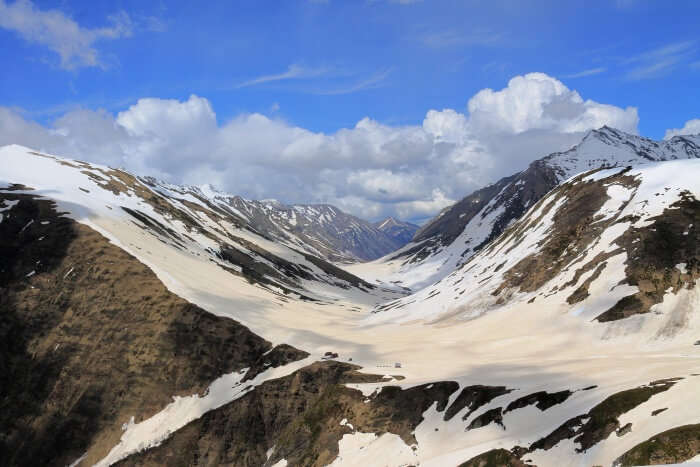
Image Source
Caucasian Biosphere Reserve is also a UNESCO World Heritage Site located in Russia. Situated in the north and south gradient of the Western Caucasus this reserve is located at a close distance to the popular Sochi resort. Caucasian Biosphere Reserve is a major water source for the city and the fresh and pure air makes the city less polluted. Here in this reserve you can find the mighty Caucasus Mountains, the celebrated enduringly snow-covered Mt. Elbrus and Mt. Kazbek having an altitude of more than 5000 meters. Mt. Elbrus is one of the most famous mountain peaks in Europe and it attracts mountaineers from all across the world to explore the expedition. Lake Kezenoyam is also located here with some of its own Russian wildlife. This is the largest as well as the deepest lake in the entire North Caucasus region. Here you can find a rare species of trout fish named, Salmo Izanami. This trout exists only in this lake. To reach the various parts of the Caucasian Biosphere Reserve, you need to get a special permit that you can take from the headquarters of the Caucasian Biosphere Reserve located in Sochi.
You can spot a number of animals, especially the rare ones, in the above-mentioned wildlife reserves in Russia. Some of these Russian animal names include the following:
1. Russian Desman
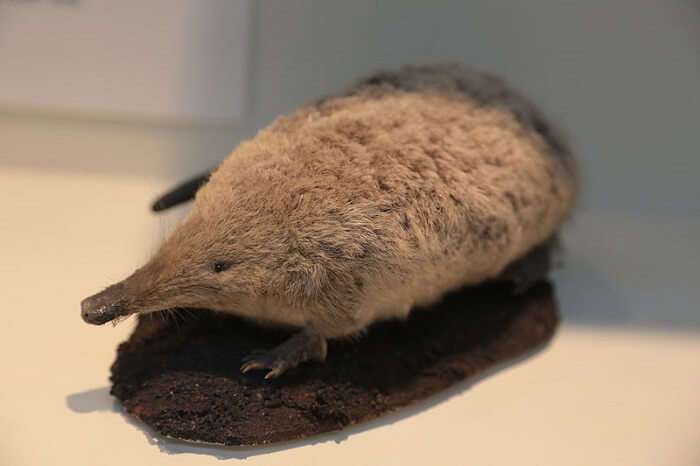
Image Source
The desmans have been here since even before the mammoths arrived millions of years ago. The Russian desman is known to have limited eyesight, somewhat similar to a mole. Its tail-shape, as well as its lifestyle, will definitely remind you of the Australian platypus. Usually found in the basins of the Don, Volga and Ural rivers, this semi-aquatic animal is unique, as its fur remains dry even underwater! Owing to the fact that it was hunted to the point of extinction in the past, the desman species in Russia has now been put under protection.
Suggested Read: 8 Hostels In Russia To Enjoy An Affordable, Fascinating And Comfortable Vacation
2. Freshwater Seals
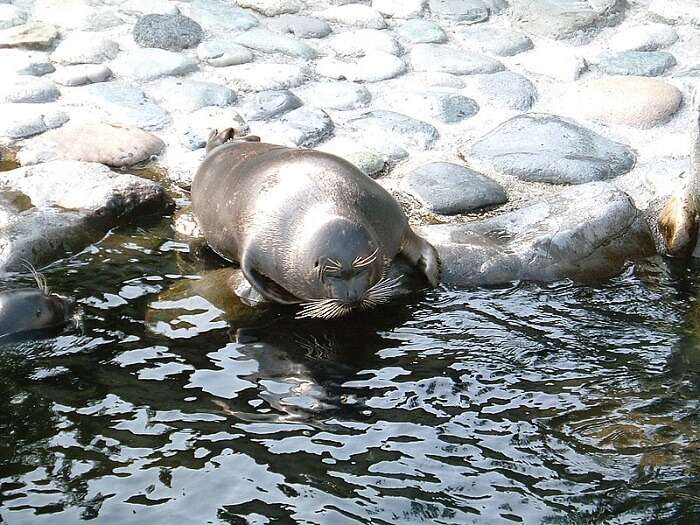
Image Source
Lake Baikal and Lake Ladoga are only inhabited by one mammal – the freshwater seals. These seals are the most charming residents in these two lakes that tend to bring a wide smile on the faces of spectators, especially with their whirlpool eyes, adorably fluffy pups, and their curious nature. In fact, these two lakes have come to be associated with these seals, making them these waterbodies’ unofficial symbols. So much so, that Lake Baikal now even features a ‘sealarium’ where these cute creatures win the hearts of onlookers with their graceful movements.
3. Amur Tigers
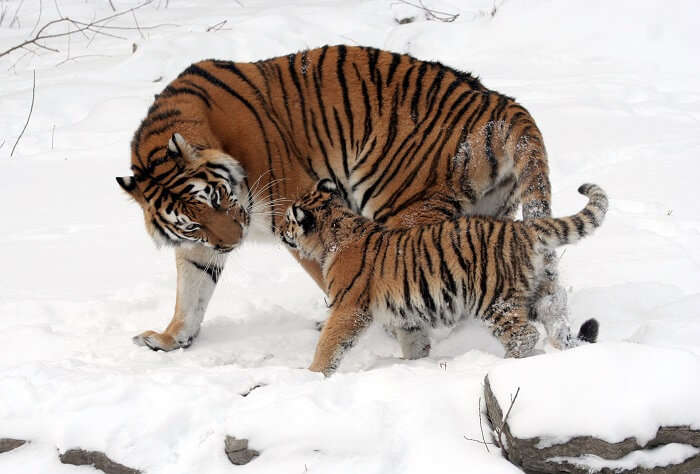
Image Source
Also called the Northern Tiger, the ferocious Amur Tiger is known to occupy the southeast region of Russia. While here they are mostly concentrated on the banks of the Amur and Ussuri rivers, they are also found in many places in Asia. Unlike other tigers in the world, this species tends to be very secretive and dangerous, which is why onlookers and wildlife enthusiasts are always advised to maintain a strict distance from these beasts and only venture out in these areas in the company of trained guides. Apart from being so daunting, the Amur TIgers also happen to bigger than other tiger species with a night vision that’s five times better than that of humans. After successful attempts at conserving and protecting this species in Russia, these tigers no longer face extinction.
Further Read: 9 Hotels In Russia That Are A Perfect Blend Of Modern Culture And Old-World Charm!
When in Russia, there are great places where you can explore the wildlife of Russia. The vivaciousness in the flora and fauna of the place can add fun and excitement to your trip. With these wildlife reserves in Russia, you can get great experience and you can enjoy your holiday while making memories to last forever. If you are actually in love with wildlife and want to get the best glimpse of it then look no further than Russia. Plan your trip to Russia with TravelTriangle to make your soul will feel blessed watching the appeal and beauty of the wild creatures here in this nation.
Disclaimer: TravelTriangle claims no credit for images featured on our blog site unless otherwise noted. All visual content is copyrighted to its respectful owners. We try to link back to original sources whenever possible. If you own the rights to any of the images, and do not wish them to appear on TravelTriangle, please contact us and they will be promptly removed. We believe in providing proper attribution to the original author, artist or photographer.
Please Note: Any information published by TravelTriangle in any form of content is not intended to be a substitute for any kind of medical advice, and one must not take any action before consulting a professional medical expert of their own choice.
Frequently Asked Questions About Wildlife In Russia
Looking for some more info on Russian wildlife? See if these common questions help you out:
Are there tigers in Russia?
Yes, one can spot the Siberian tigers as well as Amur tigers in specific regions in Russia.
What is the Russian national animal?
The Russian Bear happens to the national animal of Russia.
Are there lions in Russia?
No, there are no lions in Russia. However, one can spot other big cats in Russia like the Eurasian lynx, Amur tigers, and the Amur leopards.
The Taiga
The Taiga, which means ‘forest’ in Russian, is the world’s largest biome. It consists of coniferous forests and cover a large part of Russia, Scandinavia, and North America. The Taiga has a subarctic climate with large differences in temperature between seasons. Winters are long and very cold with only snowfall, and temperatures can drop as low as -54C degrees. Summers are very short but warm and humid; sometimes temperatures reach 30C degrees. (For example in Chelyabinsk temperatures can drop as low as -42C degrees. I am from Chelyabinsk)
Allowance for travelers, I can give you two pieces of advice, for travelers , who want visit Taiga / Russia. Firstly, you should be ready for terrible climate in winter and a lot of snow, because I know some situations when travelers were lost and someone can’t survive, it’s sad. In some areas of the taiga you can’t see sky, because the trees so high. In general, in the Taiga is very easy and to get lost. Secondly, you should be ready to meet some extra animals, like bear and moose. They can be so cute, but they can eat you very fast, that you can’t catch this feelings. But if you want to visit taiga then do not forget to bring your camera, because in the Taiga you will see breathtaking view and perfect scenery.
Bear is an omnivore, it’s diet varies depending on the habitat. For example, the North American grizzly, like Kamchatka bears grow large due to eating fish. You’ve probably seen a lot of photos where bears fishing in the creek. In those places where a lot of fish, a bear does not deliver its complexity is easy to produce. But the bears that live in Central Eurasia, tend to be much smaller, as feed, usually plant foods: berries, herbs. So, I really want to visit this breathtaking place, what about you? Thank you.
.jpg)
Дорогой ученик! В этом материале опубликованы животные России на английском языке. Под английским текстом есть перевод на русский язык.
The Brown Bear |
|
 |
The brown bear’s main range includes parts of Russia, Central Asia, China, Canada, the United States (mostly Alaska), Scandinavia and the Carpathian region (especially Romania), Anatolia, and Caucasus. Brown bears are omnivores. |
The Amur Leopard |
|
 |
The Amur leopard is a leopard subspecies native to Primorsky Krai and northern China. As of 2015, fewer than 60 individuals were estimated to survive in Russia and China. It is one of the rarest cats on Earth. |
|
|
|
A Hedgehog |
|
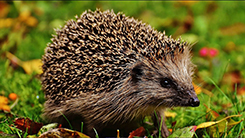 |
A hedgehog is a small mammal. It has a lot of spines on its back. Hedgehogs eat insects, snails, frogs, snakes, bird eggs, mushrooms and berries. |
|
|
|
A Pike |
|
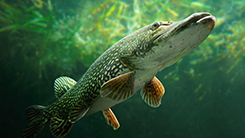 |
Pike is a species of carnivorous fish. Pike can grow to a relatively large size: the average length is about 40–55 cm. Pike are found in sluggish streams and shallow, weedy places in lakes and reservoirs, as well as in cold, clear, rocky waters. |
|
|
|
A Fox |
|
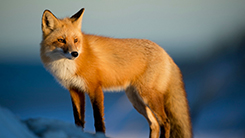 |
A fox is a small mammalian carnivore. They hunt and eat mostly rabbits and rodents (rats and mice). They may also eat birds’ eggs, and even fruit and berries. |
The Arctic Fox |
|
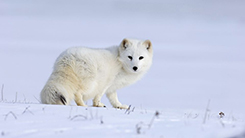 |
The Arctic fox is a small fox which lives in the Arctic. The fox is about 25-30 cm high and it weighs from 2.7 to 4.5 kg. It has a thick fur which is brown in summer and white in winter. |
|
|
|
A Wolf |
|
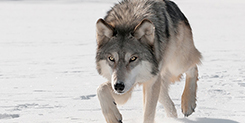 |
Wolves are carnivores and eat mostly deer, moose, sheep, goats and pigs. They also eat rodents, rabbits, fish and raccoons. Wolves live in groups called «packs». Packs are usually up to 12 wolves. |
|
|
|
The Golden Eagle |
|
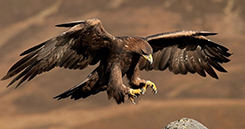 |
The golden eagle is one of the best-known birds of prey in the Northern Hemisphere. Golden eagles use their agility and speed combined with powerful feet and sharp talons to snatch up prey. They eat hares, rabbits, marmots and tortoises. |
Перевод на русский язык
Бурый медведь |
|
|
Бурый медведь в основном встречается в России, Центральной Азии, Китае, Канаде, США (в основном на Аляске), Скандинавии и Карпатах (особенно в Румынии), Малой Азии и Кавказе. Бурые медведи – всеядные животные. |
|
|
|
Дальневосточный леопард |
|
|
Амурский (дальневосточный) леопард – подвид леопарда, встречающийся в Приморском крае и северной части Китая. К 2015 году в России и Китае насчитывалось менее 60 особей. Это одна из самых редких кошек на Земле. |
Еж |
|
|
Еж – это маленькое млекопитающее. У него на спине много игл. Ежи питаются насекомыми, улитками, лягушками, змеями, птичьими яйцами, грибами и ягодами. |
|
|
|
Обыкновенная щука |
|
|
Обыкновенная щука – это плотоядная рыба. Она может достигать относительно больших размеров: средняя длина щуки 40-55 см. Щуки водятся как в медленных ручьях и неглубоких заросших местах в озерах и водоемах, так и в холодных, чистых, каменистых водах. |
Лиса |
|
|
Лиса – это маленькое плотоядное млекопитающее. Они охотятся и питаются в основном кроликами и грызунами (крысы и мыши). Они также могут питаться птичьими яйцами и даже фруктами и ягодами. |
|
|
|
Песец |
|
|
Песец – это небольшая лисица, живущая в Арктике. В высоту песец достигает 25-30 см и весит 2.7-4.5 кг. У них густой мех – коричневый летом и белый зимой. |
|
|
|
Волк |
|
|
Волки – плотоядные животные и питаются в основном оленями, лосями, овцами, козами и свиньями. Они также питаются грызунами, кроликами, рыбой и енотами. Волки живут группами, которые называются стаями. В стае обычно до 12 особей. |
|
|
|
Беркут |
|
|
Беркут – одна из наиболее известных хищных птиц Северного полушария. Чтобы схватить жертву, беркуты используют свою ловкость и скорость в сочетании с крепкими лапами и острыми когтями. Они питаются зайцами, кроликами, сурками и черепахами. |
Below you can find a complete list of Russian animals. We currently track 290 animals in Russia and are adding more every day!
Russia is the largest country in the world by landmass. There are more than 125,000 types of animals in Russia. Accordingly, this number is so high because of the diverse ecosystems found in Russia, including polar deserts, tundra, forest-tundra, taiga, mixed and broad-leaved forests, forest-steppe, steppe (grassland plains), semi-desert, and subtropics. Over 250 threatened animal species inhabit the country. Many different factors threaten these species, like industrial waste, oil and gas exploration, climate change, and land degradation. There are some facts about wildlife in Russia.
The Official National Animal of Russia
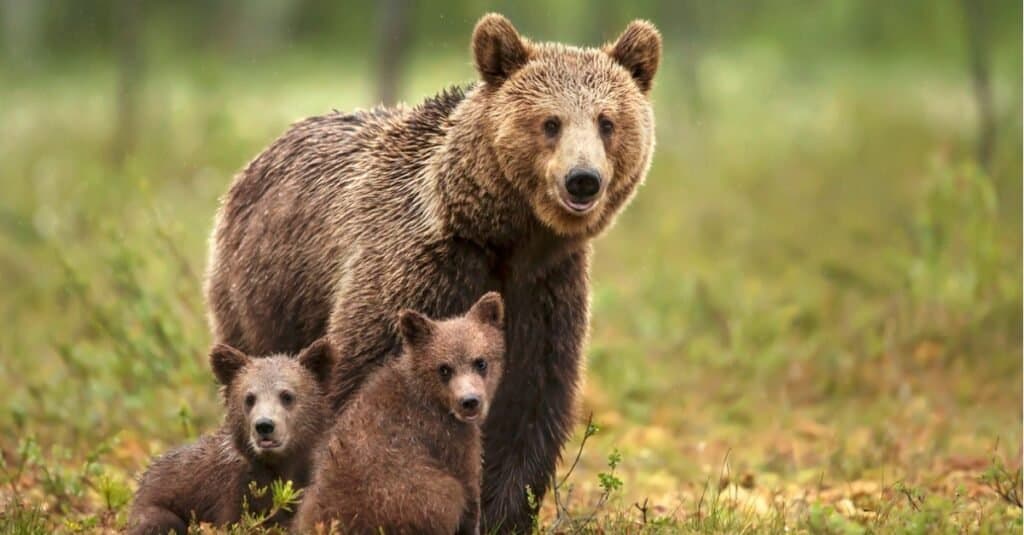
©Dgwildlife/Shutterstock.com
The official national animal of Russia is the Eurasian brown bear. Additionally, the brown bear is also the national animal of Finland and Croatia. Officials chose this symbol because it possesses many different characteristics. People living in Russia view it as a strong animal that is resilient and persevering.
You can find the largest Eurasian brown bear population in the world in Russia’s Ural Mountain range. Climate change, human development, and other factors have cut down their populations annually. While the Russian military often portrays this symbol as ferocious, the government sometimes uses other forms for the bear, occasionally in stuffed animal form.
Where To Find The Top Wild Animals
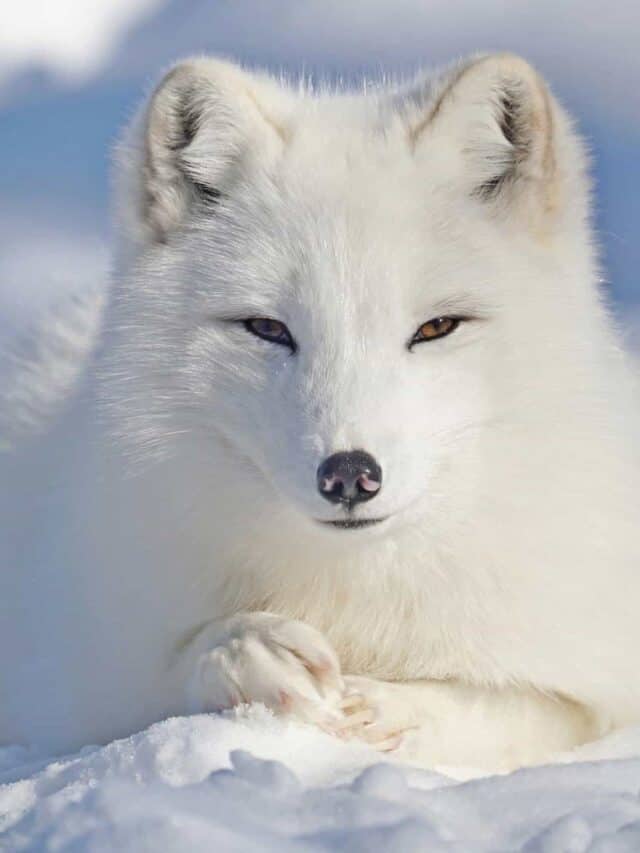
There are many places you can find wild animals in Russia. Types of animals vary depending on climate and environment, ranging in diversity across the country.
- Arctic Fox– You can find arctic foxes in the wild at the Bering Sea’s Commander Islands.
- Wild Boar– Humans introduced wild boars into the Ural Mountains range in the 1930s, and it is still a unique place to see them.
- Red Deer– Find the largest red deer herds in Russia on the Taymyr Peninsula.
- Eurasian Lynx– See this unique animal in coniferous forests from the western borders up to Kamchatka and Sakhalin.
- Siberian Tigers– There are many Siberian tigers in Russia’s birch forests. In particular, look in the Sikhote-Alin Range in the Primorsky and Khabarovsk provinces to see these unique animals.
- Polar Bears – Wrangel Island has the highest density of polar bear dens in the world. One of the reasons for this fact is that the area is highly undeveloped. Located in Russia’s Arctic Far East, Wrangel Island is often called the polar bear maternity wing.
Animals native to Russia, such as the Eurasian lynx and the Siberian tiger, are experiencing population decline as a result of human encroachment, habitat destruction, and climate change. While conservation efforts are in place, it remains important to remember rules and regulations when visiting this exquisite country.
Native Birds
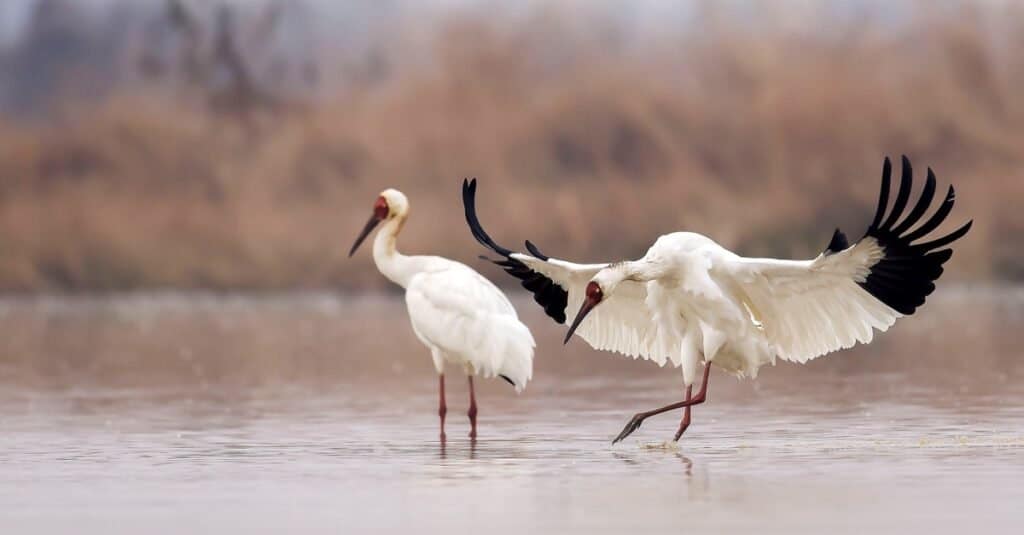
©Wang LiQiang/Shutterstock.com
Russia is a country that provides habitats for many species of birds, some of which are unique and can only be found in the region. Many migratory birds also pass through Russia during their seasonal journeys, making it an important stopover along their routes.
The various climates across Russia provide suitable homes to over 500 species of native birds, including large predators like eagles and hawks, as well as smaller songbirds such as finches and sparrows. These diverse bird populations make for colorful and vibrant skies above Russian cities and towns, providing a wonderful spectacle for locals to enjoy all year round!
Most sea and marine avian species reside in the Russian Arctic. Such birds usually choose rocky cliffs to nest upon, providing space for multitudes of birds. Listed are common avifauna found here:
- Waterfowl – Brent goose; common eider
- Waders – Purple sandpiper
- Skuas – Arctic and Pomarine
- Auks – Atlantic puffin
- Gulls – Glaucus and ivory
- Passerines – Snow bunting
In Far East Russia, a multitude of bird species exists, including many that are rare or endangered. Around 200 plus species were recorded in this territory. Below are several examples.
- Spoon-billed sandpiper – highly endangered
- 14 species of auks – Horned puffins, tufted puffins, parakeets, whiskered auklets, rhinoceros auklets, spectacled guillemots
- Steller’s sea eagle – one of the highest concentrations
- Laysan albatross
- Mottled petrel, fork-tailed storm petrel
- Red-faced cormorant
Russia is home to many native animals, including several avian species. Some popular native birds include Siberian grouse, Pere David’s snow finch, the Pacific loon, the Eurasian skylark, the watercock, and the middle spotted woodpecker.
Native Fish
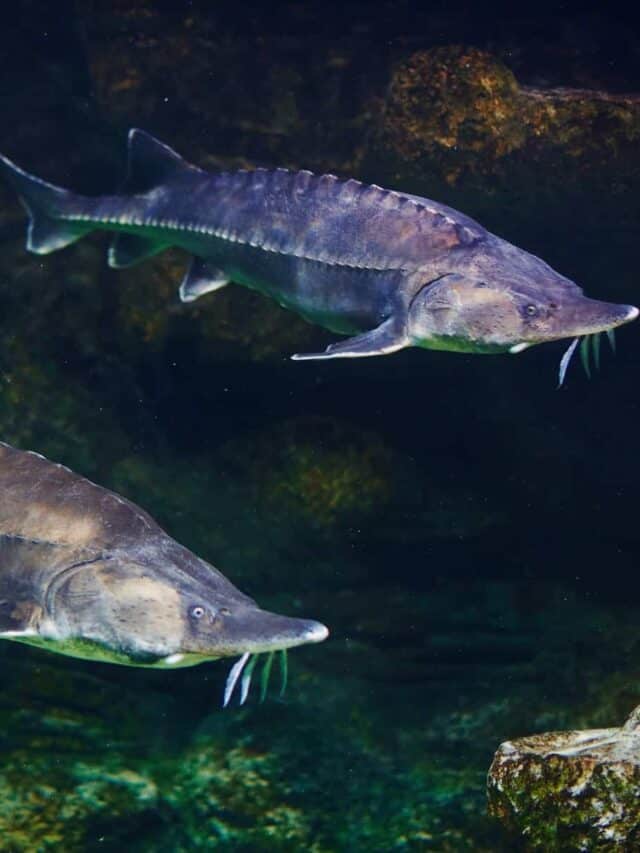
Russia is ninth in the world for producing fish as it includes an exclusive economic zone, accessing 12 seas in three oceans, along with over 2 million rivers and the landlocked Caspian Sea. Popular fish species to catch include:
Marine, inland, and river fishing are all favorable pastimes in Russia, available during most of the year, regardless of lowered winter temperatures. Many fishermen worldwide visit the country to fish its waters and experience the ice-cold thrill.
- Trout – Lake, Brook, or Rainbow; subspecies Taimen in impressive sizes (up to 5 feet!); May to October is the best time to catch these delicious fish
- Salmon – Pacific and Atlantic; subspecies include landlocked lake and Caspian Sea salmon or river salmon. However, each species differs in season, so it’s best to go with a guide.
- Northern Pike – Popular to ice fish in the dead of winter, the best season is from May to June.
- Zander – One of the most widespread species; popular among beginners and found year-round
- Perch – Small fish found in most rivers year-round; the best time is early spring
One of the unique fish species to exist was found in the depths of the North Russian seas. The “alien fish” is monster-esque, with frightening teeth and humongous eyeballs. In addition to this strange fish, other mysterious sea creatures have also been found in Russian waters.
Native Snakes
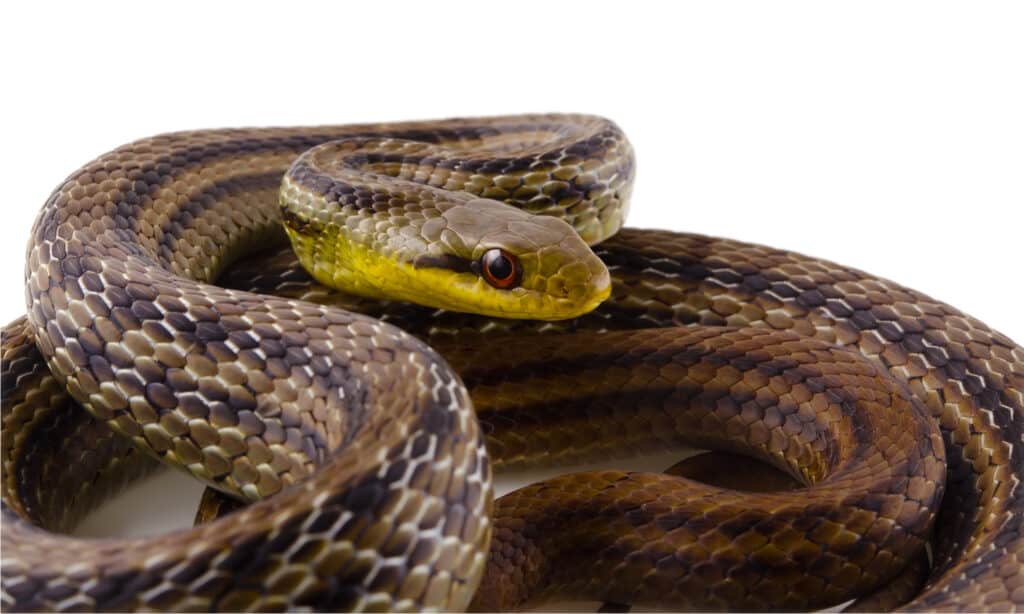
©eye-blink/Shutterstock.com
Russia is home to a large number of snake species, some venomous and some not. The diversity of habitats in Russia, from the frozen tundra to the forested areas further south, provides an ideal environment for snakes to thrive.
Some of the most common species found in Russia include European adders, grass snakes, smooth snakes, steppe vipers, and Aesculapian Snakes. These species have adapted well to their environments and can survive despite the extreme temperatures that characterize so much of this vast country. It is estimated that there are more than 100 different snake species spread across many regions throughout Russia.
Despite the extreme temperatures and environments of Russia, various snake species, venomous and not, still roam its provinces.
Non-venomous species in Russia include:
- Smooth snake
- Dice snake
- Grass snake
- Blotched snake
Venomous species found in Russia are:
- Common European adder
- Mamushi
- Blunt-nosed viper
- European cat snake
- Japanese striped snake
Countless other snake species make their home in Russia. If bitten by one of these sneaky reptiles, it is always important to seek professional medical attention, even if the species is considered nonvenomous. Certain allergic reactions may occur, and it is best to be cautious in these situations.
3 Largest Animals in Russia
©Szczepan Klejbuk/Shutterstock.com
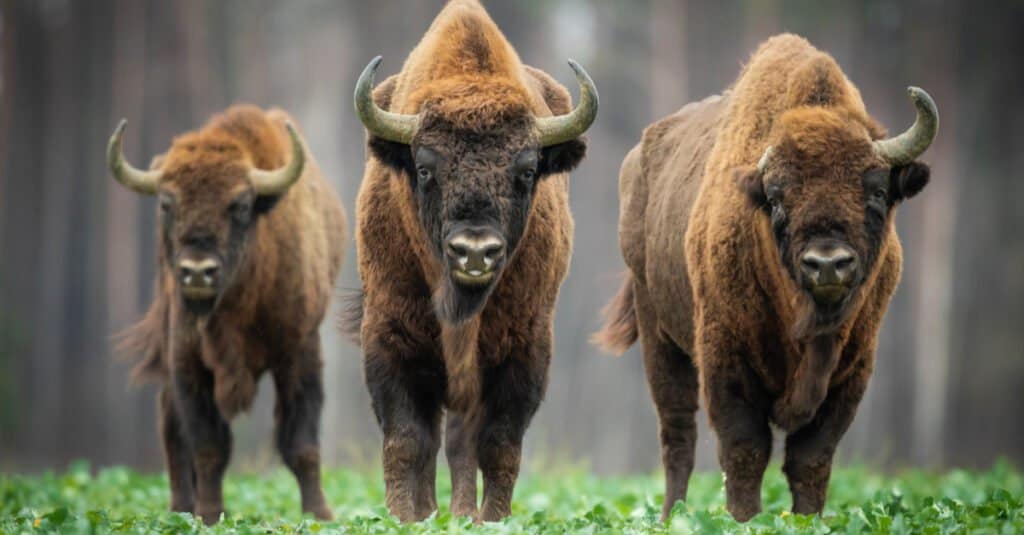
Some of the largest animals in Russia are the Siberian tiger (also known as the Amur tiger), the brown bear, and the Caucasian Wisent. The Siberian Tiger can grow up to 10 feet long and weigh up to 500 pounds! They typically live in taiga forests with dense vegetation and deep snow cover but have been spotted as far south as Beijing.
Another very large animal is the brown bear which is native throughout much of Russia’s temperate forest regions. Male bears can weigh up to 1,000 pounds and measure over 7 feet tall when standing on their hind legs! Brown bears generally inhabit coniferous forests that offer plenty of food sources, such as salmon or berries.
The European bison, also known as the wisent, is another huge animal in Russia and can reach an average of 1,345 lb. This species is native to Europe but has been introduced to parts of Asia and North America. To survive in its natural environment, it feeds on grasses, leaves from shrubs and trees, herbs, and mushrooms.
3 Rarest Animals in Russia
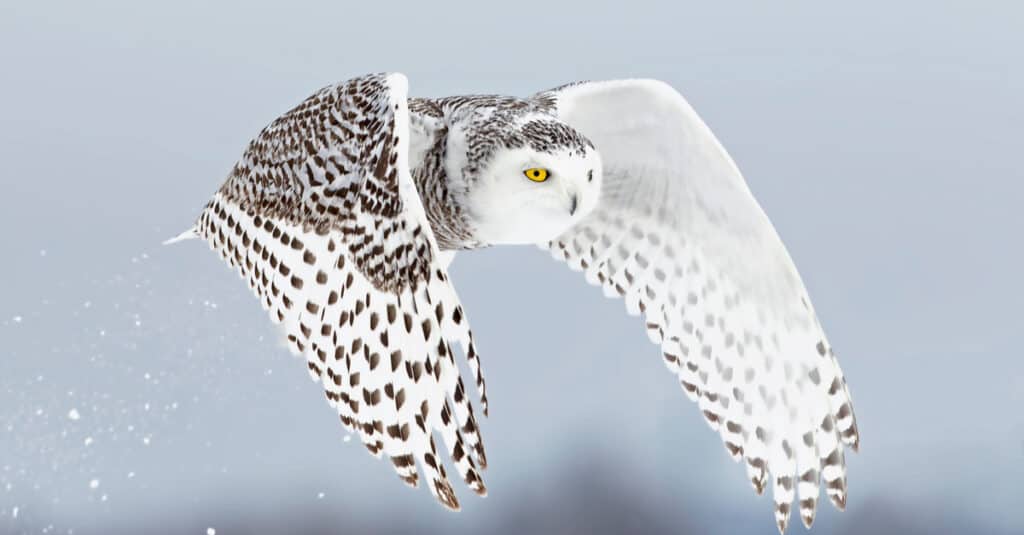
©Jim Cumming/Shutterstock.com
The three rarest animals in Russia that are still alive and not extinct include the Amur Leopard, Polar Bear, and Snowy Owl.
The Amur Leopard is an endangered species of leopard that lives mainly in the mountain forests of southeastern Russia. They prefer to live in habitats with dense vegetation, such as rocky areas or forested hillsides.
Polar Bears inhabit the Arctic Circle regions around northern Siberia and are distinguished by their white fur, which helps them blend into their snowy surroundings. These majestic creatures rely on sea ice for hunting seals and other prey items during winter months when food is scarce.
Snowy Owls can be found living across vast expanses of tundra from western Alaska to eastern Eurasia, inhabiting areas from treeless plains to shorelines with grasslands or marshes nearby. These owls typically hunt small rodents like mice or voles during nighttime hours, taking advantage of their exceptional hearing capabilities to find these prey items even under deep snow coverings.
The Most Dangerous Animals In Russia Today
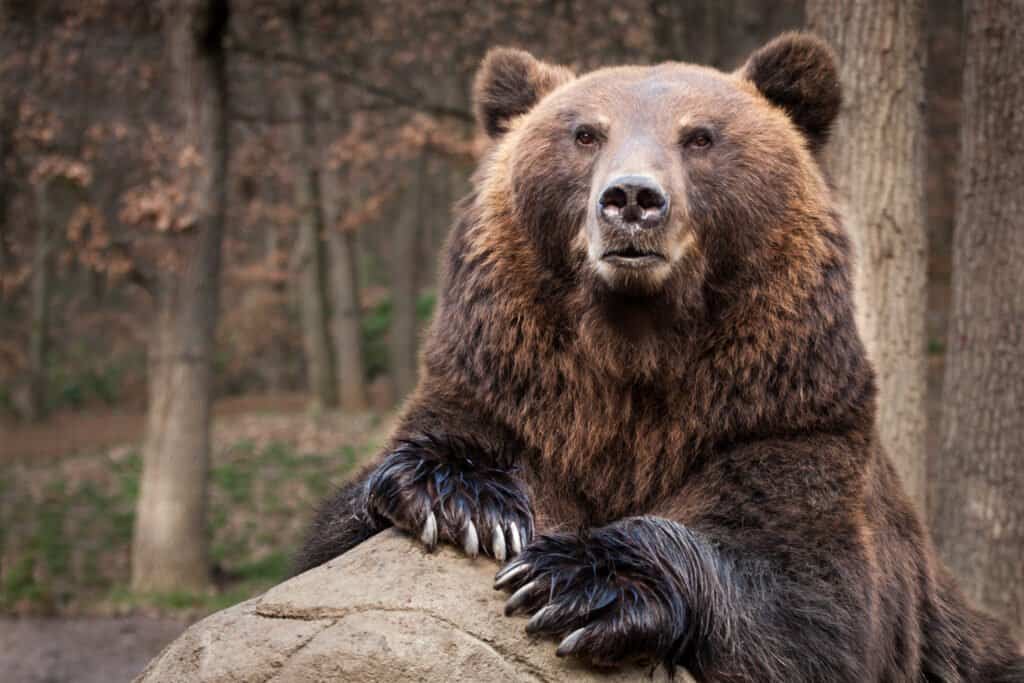
©Marie Dirgova/Shutterstock.com
Two of the most dangerous animals in Russia are bears and wolves. Bears can be found throughout Russia, with brown bears inhabiting densely forested areas from the Ural Mountains to the Pacific Coast. These powerful predators can weigh over 1100 pounds and have been known to kill humans when provoked or surprised by their presence.
Wolves also inhabit much of Russia’s woodlands, forests, tundra, and steppes. Both species pose a serious risk to humans who venture into remote parts of the Russian wilderness without taking proper precautions.
While most wildlife in Russia is not dangerous, there are some animals that you should avoid contact with to stay safe. Keeping these facts in mind can help save your life.
- Ticks – Ticks can carry encephalitis and Lyme disease. This can lead to swelling of the brain, seizures, and the inability to move.
- Northern Viper – The Northern viper can grow up to 31.5 inches long and have fangs up to 1.5 inches long. While it prefers to avoid human contact, it will bite if startled. That bite can be deadly.
- Eurasian Brown Bears – About 50% of all brown bears in the world live in Russia. These powerful bears can kill with a single swipe of their paw. Most bear attacks are by single bears, with many occurring when something wakes the bear up during winter hibernation.
- Grey Wolves – As habitat has disappeared, grey wolves have moved into neighborhoods, which has led to more grey wolf attacks. While facts show that they often hunt in packs, single attacks have occurred. The grey wolf prefers to dine on fish, but overfishing has lowered that number.
- Wild boars – Wild boars use their tusk as their primary weapon. Since they cannot see well, they often attack anything that they deem a threat to them. These animals can run up to 30 miles per hour and have maintained that speed for over 1 mile.
- Karakurt spider – Normally found in the Astrakhan Region, the Karakurt spider can migrate north when temperatures rise. If you get bitten by this spider that typically lives in ravines, then you can hold a hot match to the bite to remove the poison. In all cases, you should seek medical attention as soon as possible.
- Lynx – Lynxes often hang out in trees, where they jump down on their prey. They usually target the neck.
Endangered Russian Animals
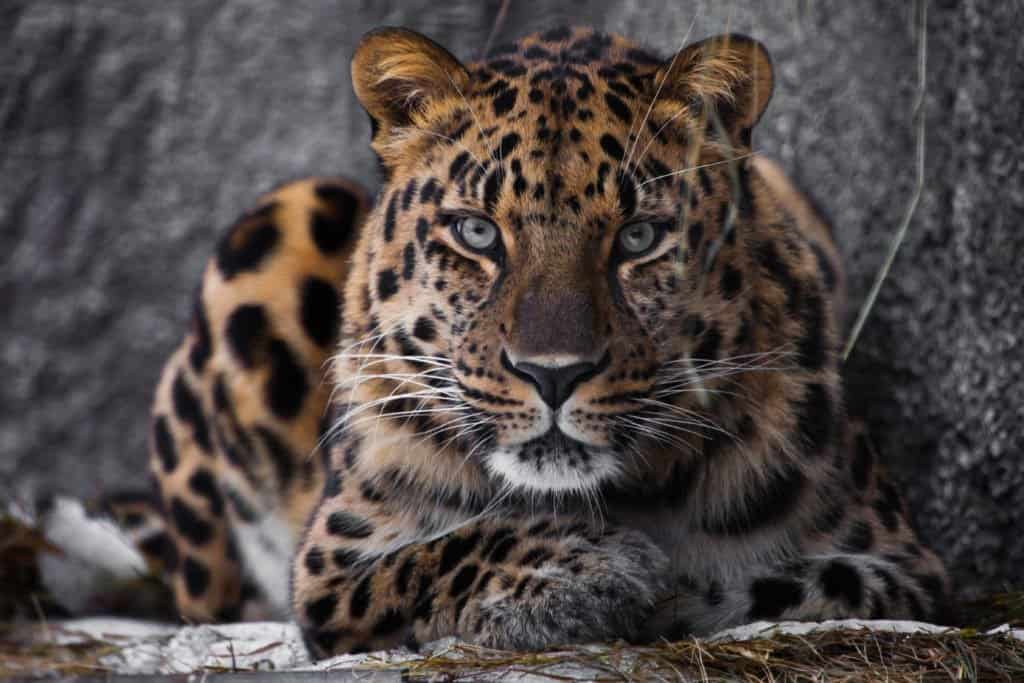
©Mikhail Semenov/Shutterstock.com
Hunting, poaching, and industrialization are three factors that contribute to the increase in endangered animals in Russia annually. Hunting is one of the most influential human activities contributing to species decline and extinction worldwide, including in Russia. More specifically, hunting for fur or sport has caused substantial losses to some animal populations as well as entire species extinctions.
Poaching is another major threat faced by many Russian animal species. This illegal activity can involve a wide range of practices, such as trapping birds to sell their feathers or killing large mammals for their meat or body parts.
Finally, industrialization has led to a significant loss of natural habitats due to logging, mining, and other forms of land development, which have had a tremendous impact on wildlife across Russia. All these activities together have caused an alarming decrease in native species abundance over the years, with many now facing extinction if immediate action isn’t taken soon enough.
Some of the top endangered animals include:
- Amur Leopard
- Saiga Antelope
- Ussuri Dhole
- North Pacific Right Whale
- Muisk Vole
- Asiatic Lion
- Persian Leopard
- Siberian Tiger
- Snow Leopard
- European Mink
- West Caucasian Tur
- For a complete list, see HERE.
Zoos of Russia
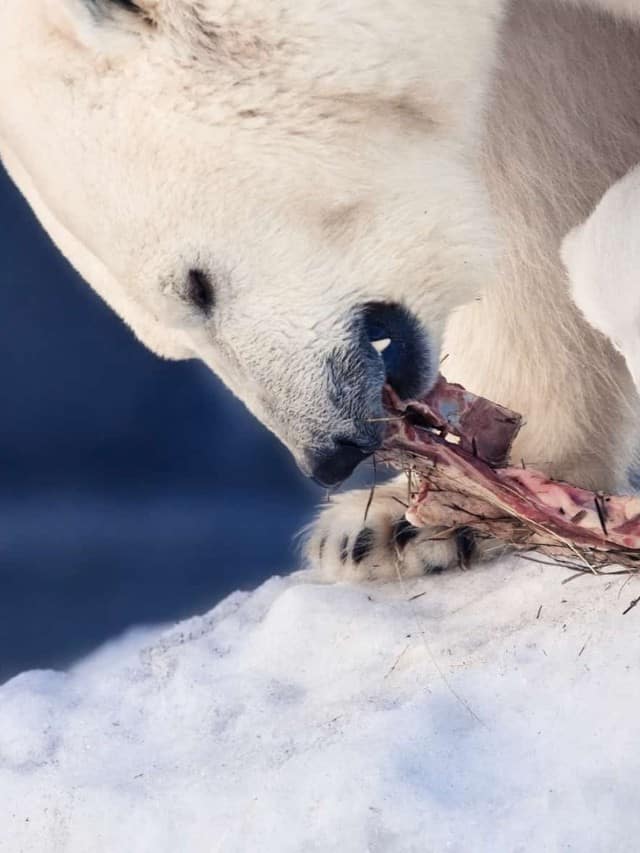
Zoos and aquariums in Russia serve as educational facilities where people can learn about different species from around the world and understand how these creatures interact with one another within their environments. They also help preserve endangered species by providing them with safe spaces to breed in captivity until they can be reintroduced into their natural habitats.
In Russian zoos, you can find many different kinds of animals, including polar bears, tigers, elephants, camels, reindeer, and more! You will also see some unique birds, such as cranes, that live in Russia’s wetlands regions like Siberia.
There are also plenty of opportunities at Russian zoos to get up close and personal with some of your favorite furry friends! From petting zoo sessions to feeding times, visitors can make meaningful connections with animals through these interactive experiences. Additionally, there may be special events taking place throughout the year featuring guest speakers or animal shows that display behaviors we might never witness out in nature otherwise!
The large country of Russia holds around 32 zoos and aquariums. Out of these, several are considered the most popular; these are ranked below.
- Novosibirisk Zoo: Home to a “liger,” a crossbred lion and tiger, this zoo is one of the largest in the country, with countless other impressive species such as white tigers, polar bears, leopards, and dolphins. Several native species are on exhibit, as well, including Siberian lynxes and Pallas’s cats. The Novosibirisk Zoo was established in 1933 and is now recognized for its role in conservation efforts, protecting around 350 endangered species and dedicated to educational programs.
- Leningrad Zoo: At the center of St. Petersburg, Leningrad Zoo is the oldest in Russia. Exhibits in Leningrad Zoo are specially designed to keep the occupants comfortable through Russian temperature extremes, perfect for monkeys, owls, polar bears, and tigers. Twice monthly free days are provided to patrons, educational programs are directed within the zoo, and feeding shows also draw in visitors.
- Ishevsk Zoo: Concentrated on endangered species conservation efforts, Ishevsk Zoo was opened in 2008, commemorating the 450th anniversary of the Udmurt Republic joining Russia. A majority of the 300 species in the zoo are considered endangered, and a large number are native to Russia. Brown bears, wolves, Amur tigers, leopards, walruses, and snowy owls are a few examples of species located within the zoo.
- Moscow Zoo: Known as the largest zoo in Russia and the first in the world to establish educational programs, the Moscow Zoo opened as a living museum outdoors’ in the 1860s. The zoo relies on housing animals in habitats resembling their natural environments, keeping them comfortable and giving them plenty of room. Popular birds of prey, savannah species, big cats, apes, and many more species are found in this zoo. The Moscow Zoo highly encourages scientific research efforts, continuing conservation worldwide.
Amazingly, many Russian zoos work closely with conservation groups, maintaining educational programs for locals and visitors, crucial in preserving and protecting native and exotic species of the expansive, diverse country.
The Flag of Russia

©Negro Elkha/Shutterstock.com
The national flag of Russia is a horizontal tricolor of equally sized fields: white on top, blue in the middle, and red at the bottom.
The national flag of Russia is a symbol of the nation’s pride and strength. It represents its people, values, and history. The white field on top stands for openness and nobility, while the blue in the middle represents loyalty, integrity, and truthfulness. Red at the bottom signifies love, courage, bravery, and passion – all key attributes of Russian citizens.
These colors were chosen with great thought to represent these important traits, as they are seen as essential to being a good citizen in Russia. This tricolor design was used during World War I by soldiers who fought against German invaders in order to show their unity and patriotism for their country. Since then, it has become an iconic symbol associated with Russian culture.
Fish in Russia
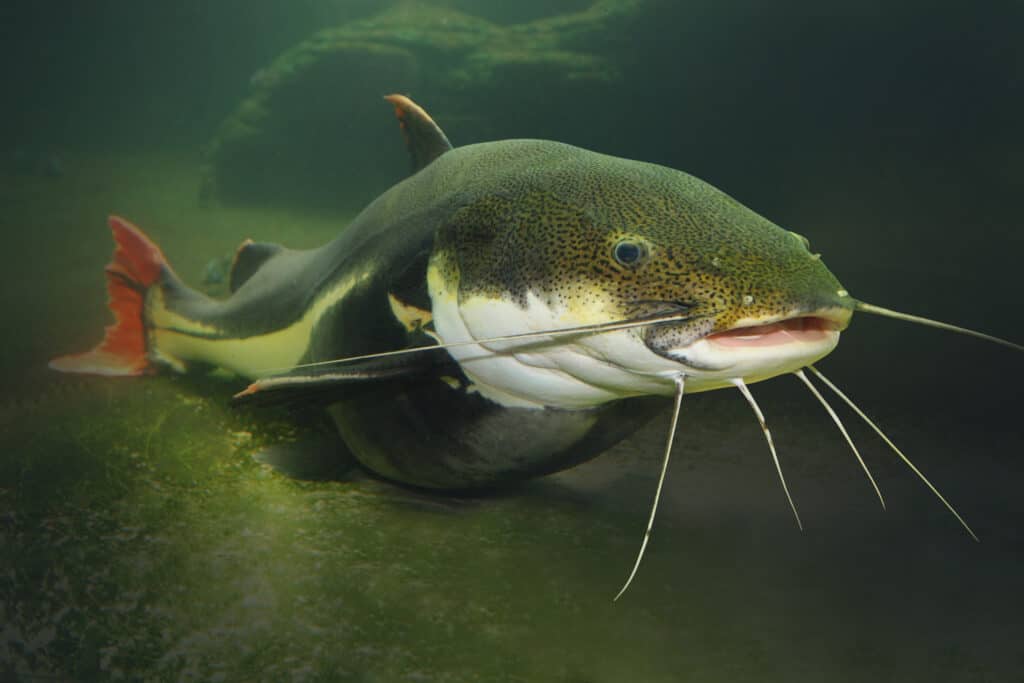
©Kletr/Shutterstock.com
Russia is home to a wide variety of fish, including some that are incredibly beautiful. One of the most striking species is the sterlet sturgeon, which can be found in Russia’s rivers and seas. Its silver scales shimmer in the light, making it an impressive sight for any angler or nature enthusiast. The beluga sturgeon also stands out due to its unique shape and size. This species can reach up to 20 feet long! Other popular fish include carp, roach, perch, and pike – all common catches for fishermen throughout Russia.
When it comes to sheer size, however, nothing beats the enormous catfish found in Russian waters. These giants can measure up to 10 feet long and weigh as much as 200 pounds! Sturgeons are also known for their tremendous girth. They have been known to reach lengths of 15 feet while weighing over 1000 lbs! Taimen trout is another large game fish native to Russia. These huge trout can grow well over 4 feet in length with weights surpassing 50 lbs!
For those interested in freshwater fish within Russia, there are plenty available. Popular small-sized fish include chub, bream, barrel, and ide. On the larger side, you can see burbot, wels catfish, and zander.
Russian Animals
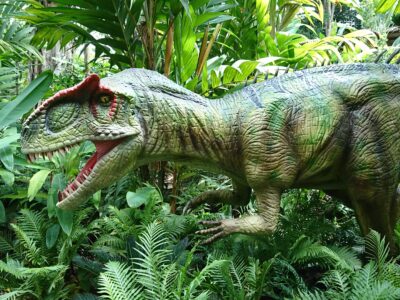
Allosaurus
Differnt Lizard” or Allosaurus weighed around two tonnes that is almost equal to a car.

Amur Leopard
The Amur leopard may be the rarest big cat on Earth!
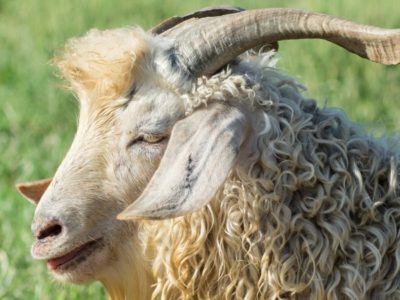
Angora Goat
Each adult Angora goat produces about 12 inches of mohair annually while kids have about 8 inches.
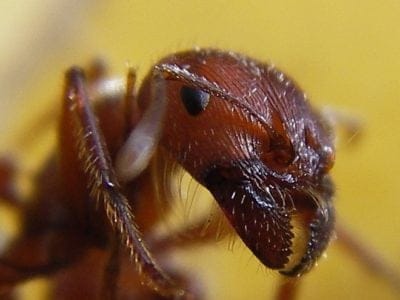
Ant
First evolved 100 million years ago!
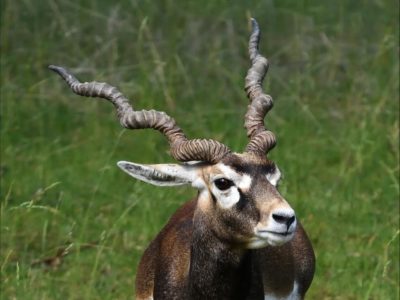
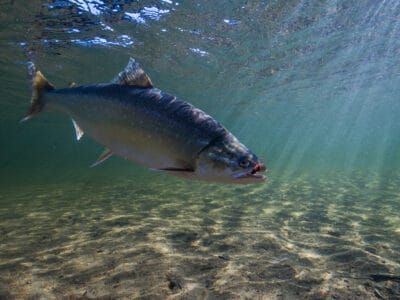
Arctic Char
Arctic char is the northern-most fish; no other fish lives anywhere further north!
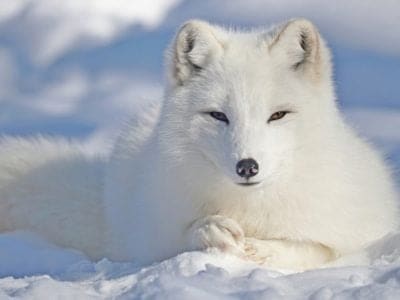
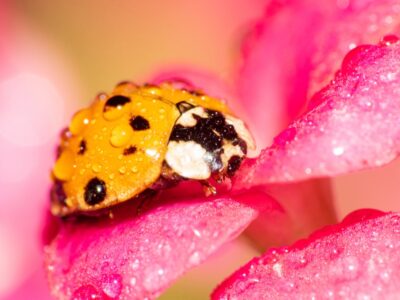
Asian Lady Beetle
Asian lady beetles infest indoor spaces, but they do not reproduce indoors.
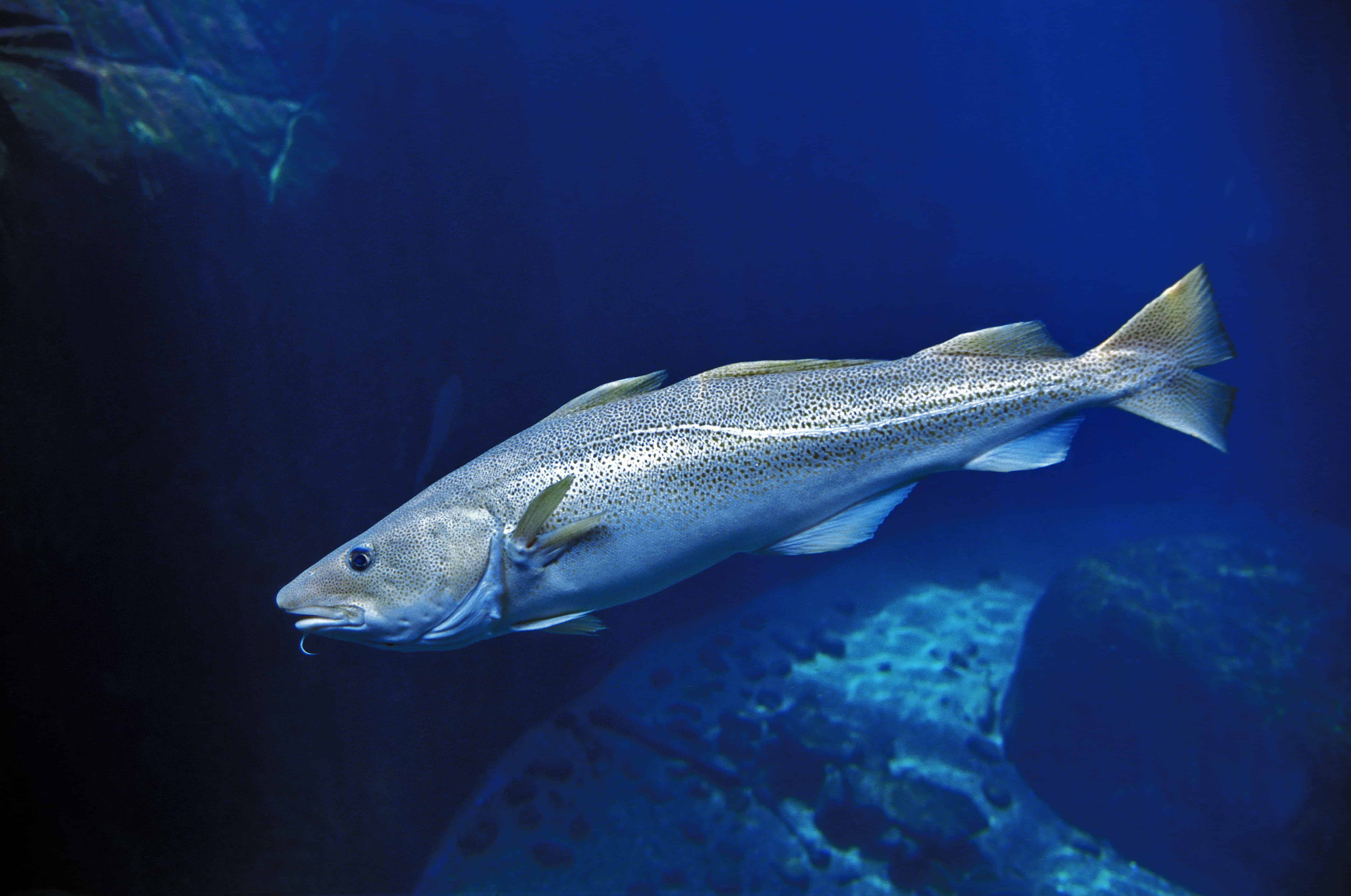
Atlantic Cod
One of the most popular food fishes in the world

Avocet
Has a curved, upturned beak!
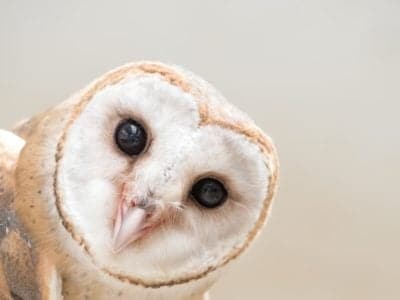
Barn Owl
Found everywhere around the world!
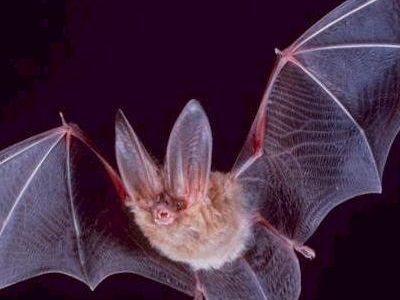
Bat
Detects prey using echolocation!
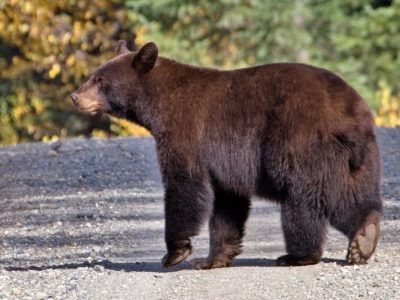
Bear
There are 8 different species!
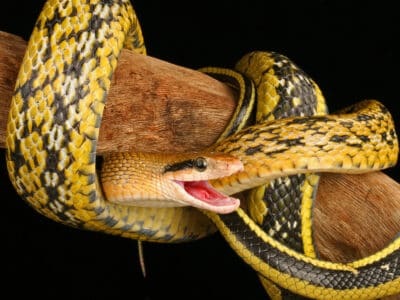
Beauty rat snake
Beauty Rat Snakes are relatively harmless if left undisturbed, only attempting to bite out of fear.
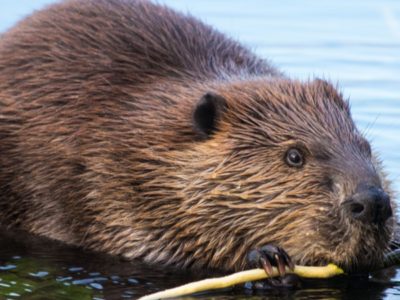
Beaver
Builds a dam from sticks and leaves!
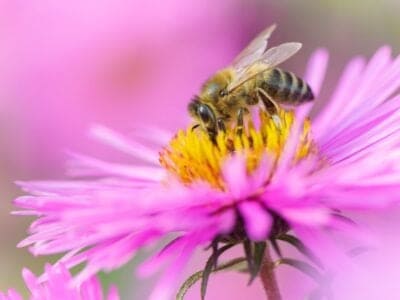
Bee
Rock paintings of bees date back 15,000 years
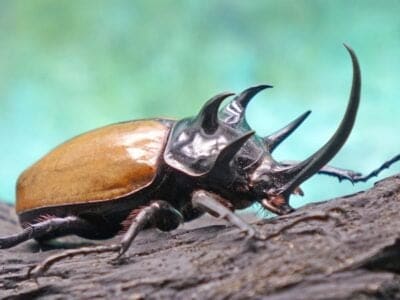
Beetle
There are more than 350,000 different species
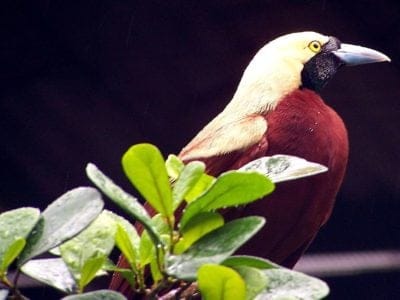
Bird
Not all birds are able to fly!
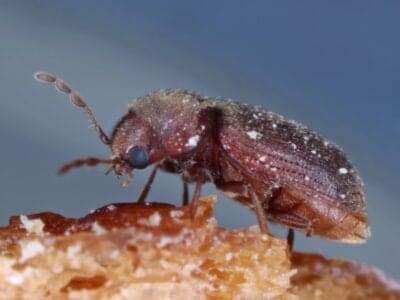
Biscuit Beetle
The biscuit beetle form a symbiotic relationship with yeast
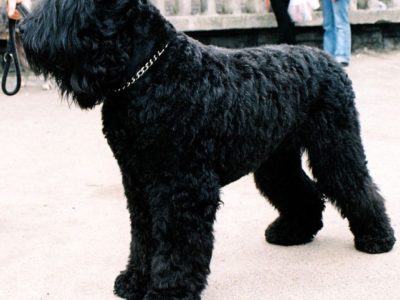
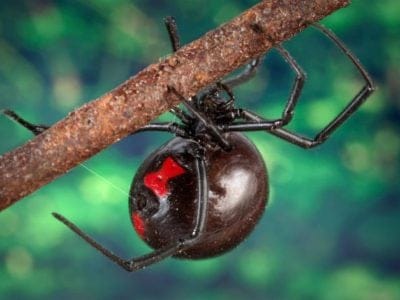
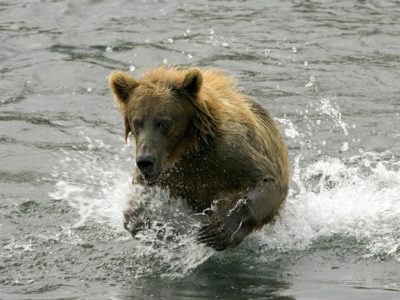
Brown Bear
A dominant predator in it’s environment!
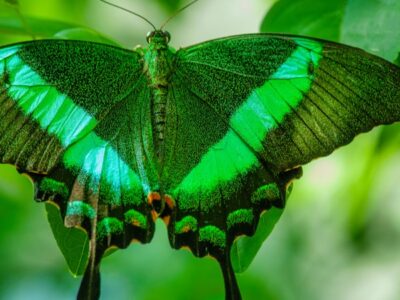
Butterfly
There are thought to be up 17,500 species!
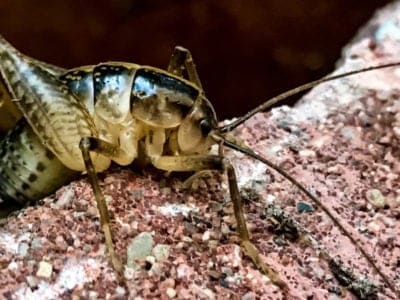
Camel Cricket
The camel crickets that are found in the USA are light brown in color. They also have dark streaks all over their body.
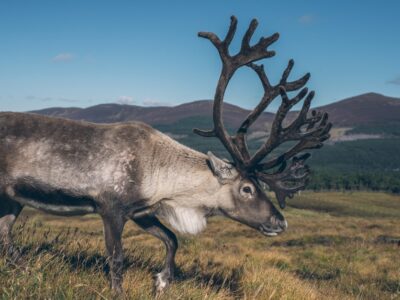
Caribou
Males and females grow antlers
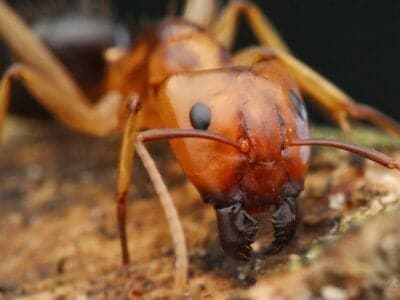
Carpenter Ant
Carpenter ants can lift up to seven times their own weight with their teeth!
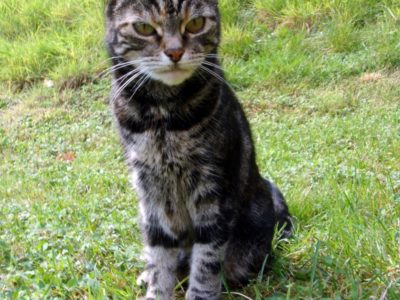
Cat
First domesticated by the Ancient Egyptians!
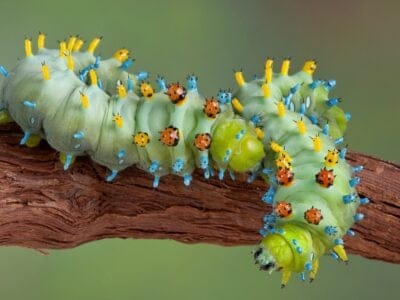
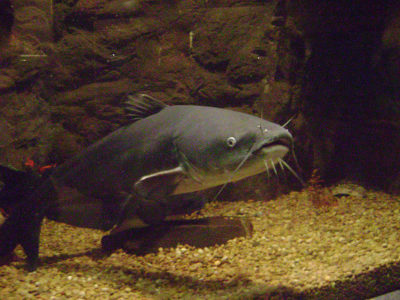
Catfish
There are nearly 3,000 different species!

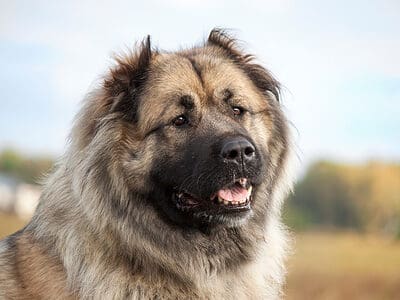
Caucasian Shepherd
These former bear-hunting dogs are used today as prison guard dogs in Russia.
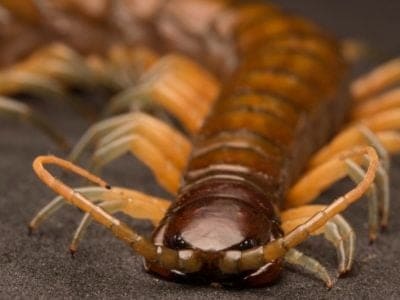
Centipede
There are about 3,000 documented species!
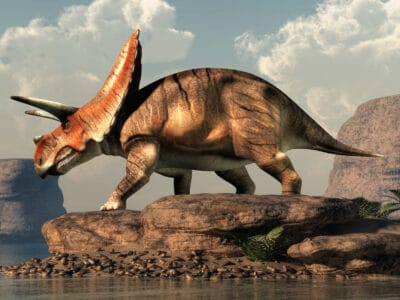
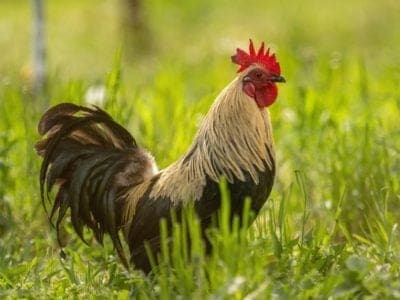
Chicken
First domesticated more than 10,000 years ago!
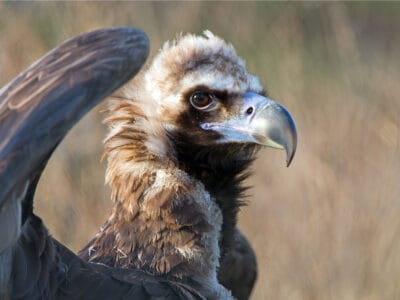
Cinereous Vulture
This vulture can fly at great heights. At least one was found a few thousand feet from the top of Mount Everest.
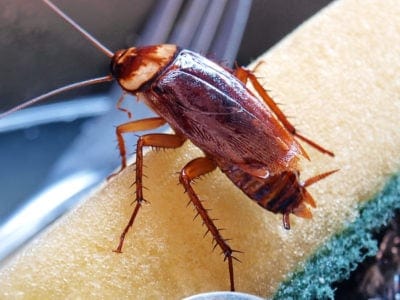
Cockroach
Dated to be around 300 million years old!
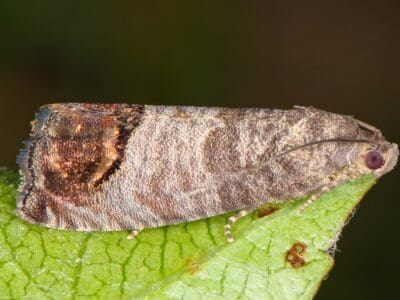
Codling Moth
Pupae are able to undergo diapause to survive poor fruit yield years and winter.
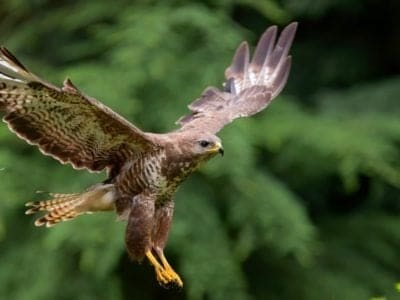
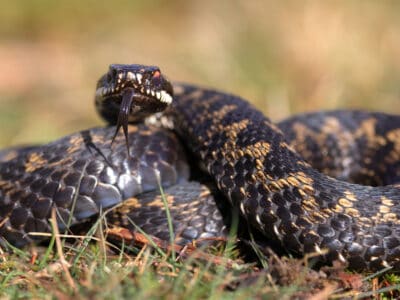
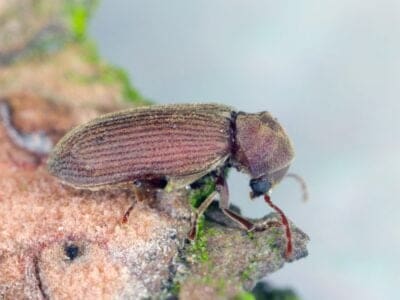

Common Raven
A group of ravens is called an unkindness or a conspiracy.
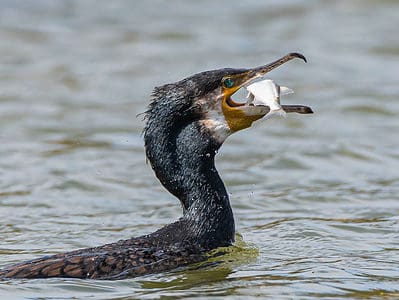
Cormorant
They can fly 35 mph and dive 150 feet below water.
Cow
There are nearly 1.5 billion worldwide!
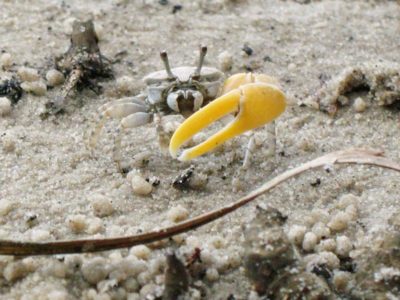
Crab
There are 93 different crab groups
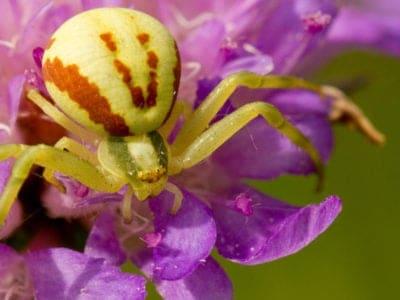
Crab Spider
Crab Spiders can mimic ants or bird droppings
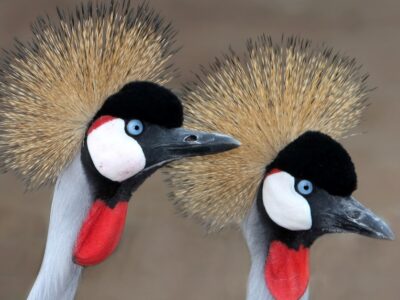
Crane
Many are critically endangered species!
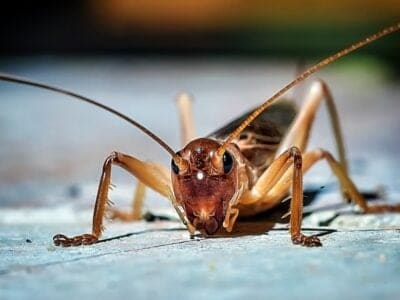
Cricket
Male crickets can produce sounds by rubbing their wings together
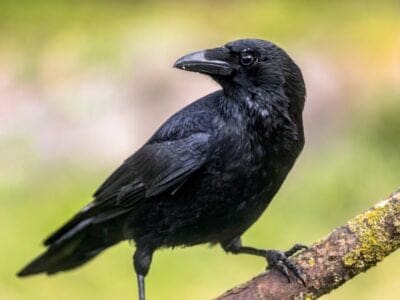
Crow
A group of these birds is called a Murder.
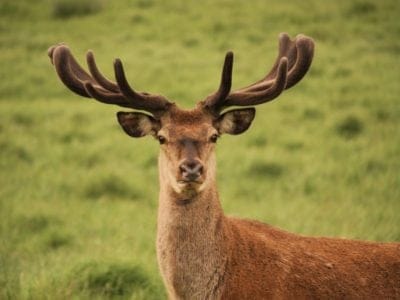
Deer
There are around 40 different species!


Dog
First domesticated in South-East Asia!
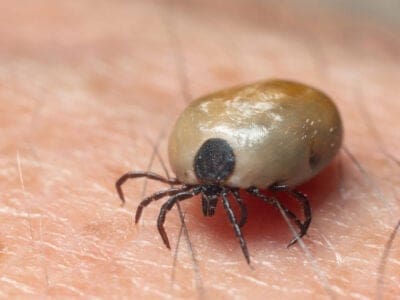
Dog Tick
Dog ticks feed on dogs and other mammals
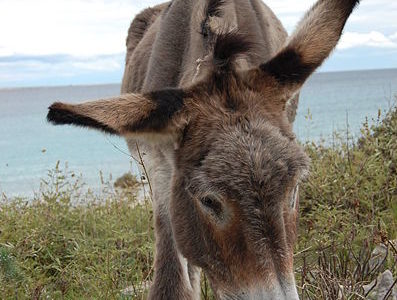
Donkey
First domesticated 5,000 years ago!
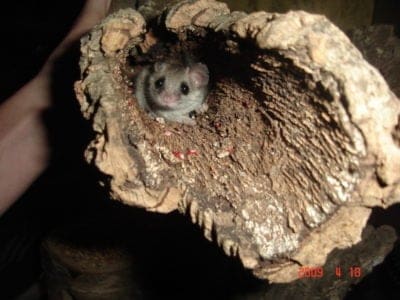
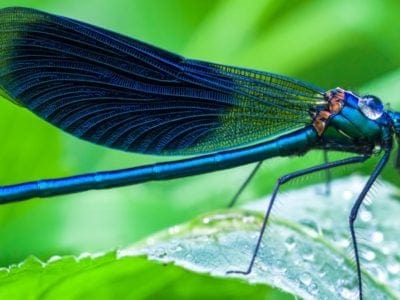
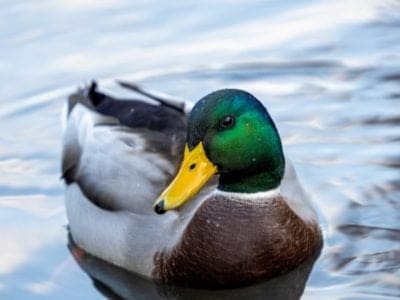
Duck
Rows of tiny plates line their teeth!
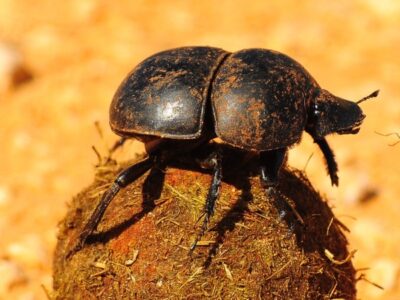
Dung Beetle
The dung beetle can push objects many times its own weight
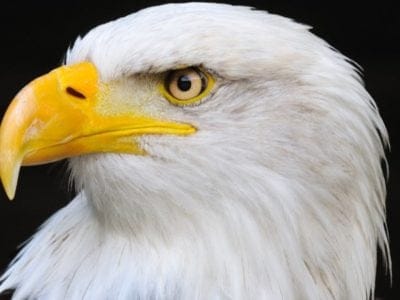
Eagle
Has exceptional eyesight!
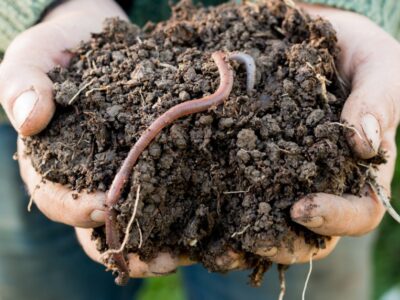
Earthworm
They are hermaphrodites, which means they have male and female organs
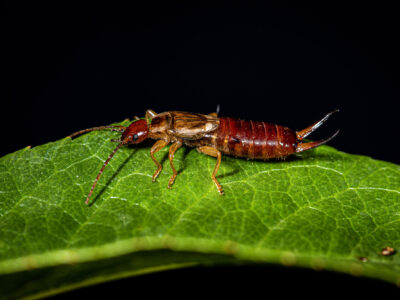
Earwig
There are nearly 2,000 different species!
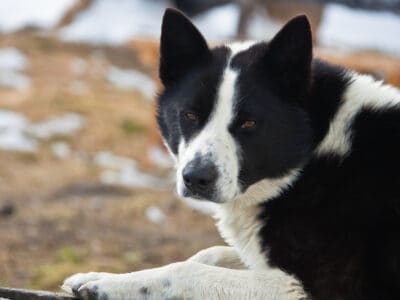
East Siberian Laika
Because East Siberian Laikas are from a very cold region, they shed heavily and require a lot of grooming.
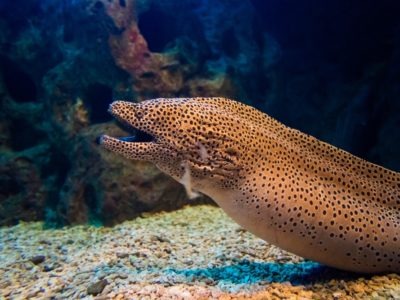
Eel
Eels can be a mere few inches long to 13 feet!

Egyptian Vulture
They steal large ostrich eggs and use rocks and pebbles to crack the shells.
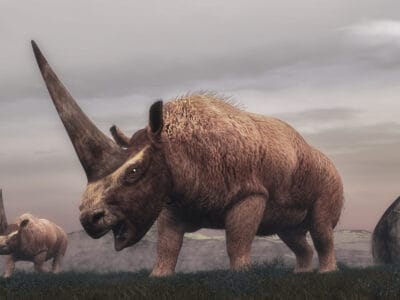
Elasmotherium
Elasmotherium might have had a monstrous horn, giving it the name «The Siberian Unicorn.»
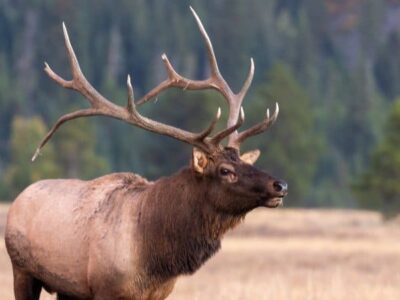
Elk
Adult males can jump eight feet vertically
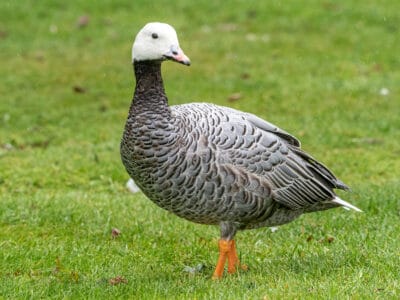
Emperor Goose
Their calls sound like a nasally “kla-ha, kla-ha, kla-ha.”
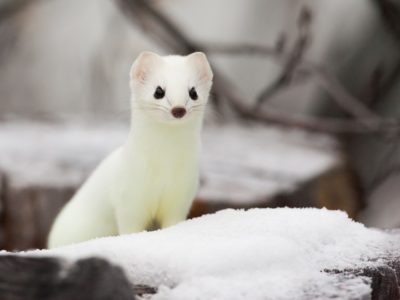
Ermine
A very bold and ferocious predator!
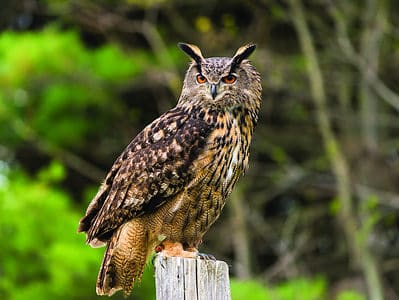
Eurasian Eagle-owl
The Eurasian Eagle-owl is the second largest owl in the world with a wingspan up to six feet!
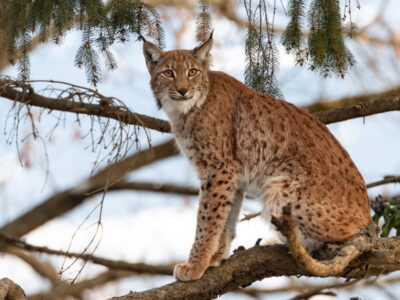
Eurasian Lynx
Eurasian lynxes can survive extreme weather up to elevations of 18,000 feet
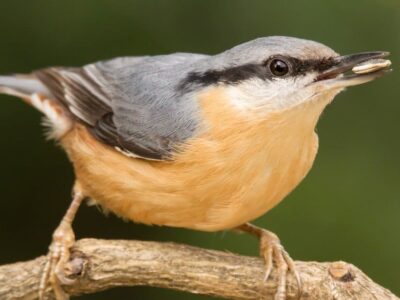
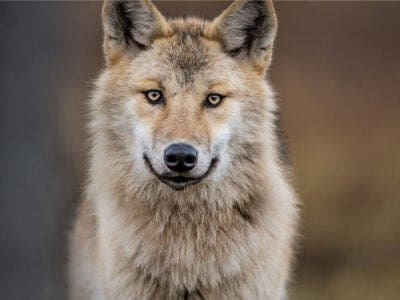
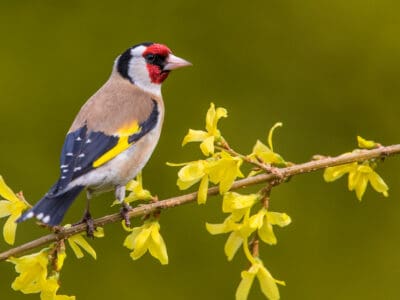
European Goldfinch
They are frequent visitors to backyard feeders, especially those containing niger seeds.
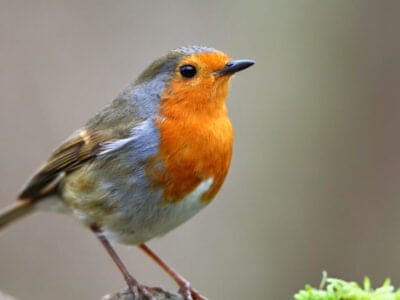
European Robin
Male robins are so aggressive and territorial that they will attack their own reflections.
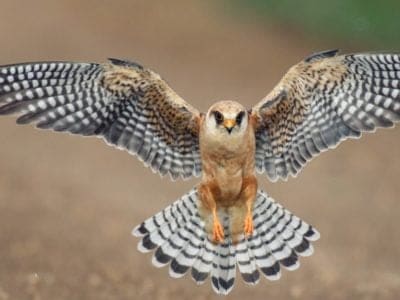
Falcon
The fastest creatures on the planet!
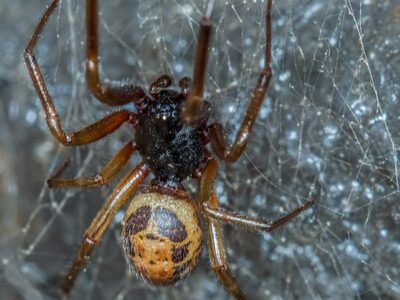
False Widow Spider
False spiders actually prey on black widow spiders and other hazardous spiders
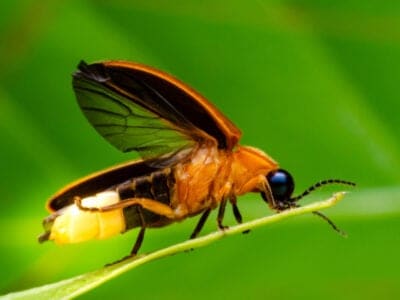
Firefly
The firefly produces some of the most efficient light in the world
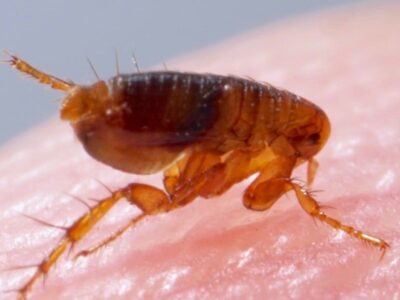
Flea
Adult fleas can jump up to 7 inches in the air
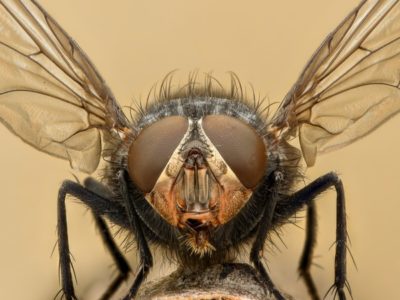
Fly
There are more than 240,000 different species!
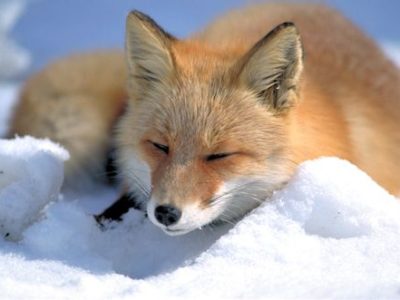
Fox
Only 12 species are considered «true foxes»
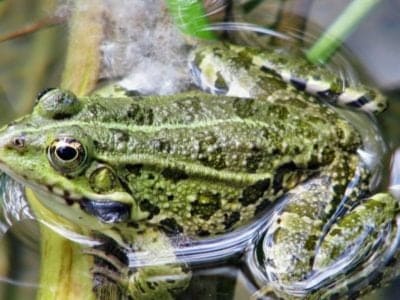
Frog
There are around 7,000 different species!

Fruit Fly
Fruit flies are among the most common research animals in the world
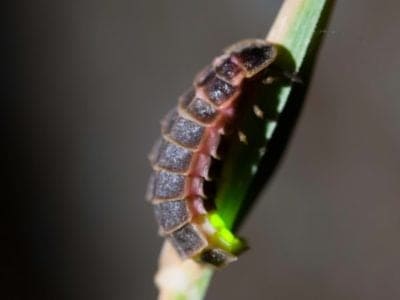
Glowworm
Found inhabiting dense woodland and caves!
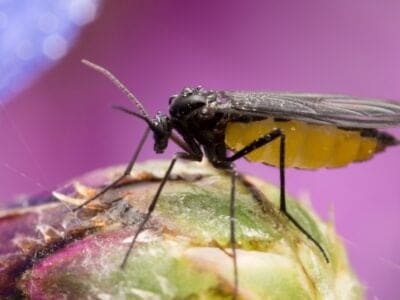
Gnat
Males form large mating swarms at dusk
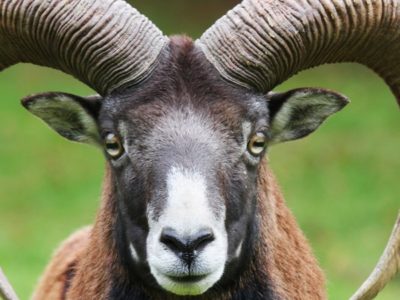
Goat
Most closely related to the Sheep!
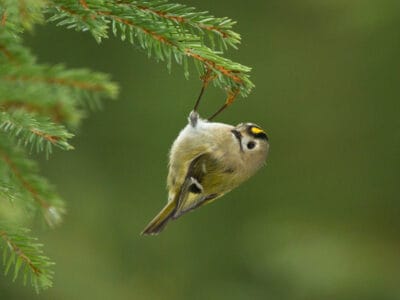
Goldcrest
The goldcrest never starts moving and needs to consume for most of the day to survive. Therefore, in the colder months, it’s best that eat 90% a day.
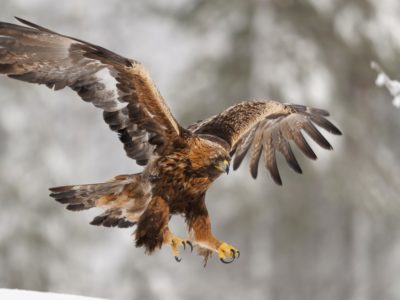
Golden Eagle
Their calls sound like high-pitched screams, but they are quiet most of the time.
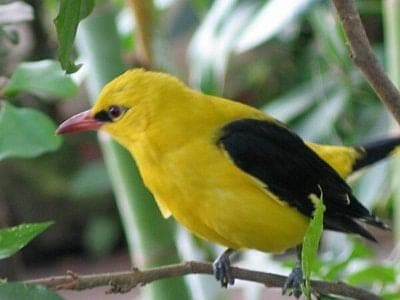
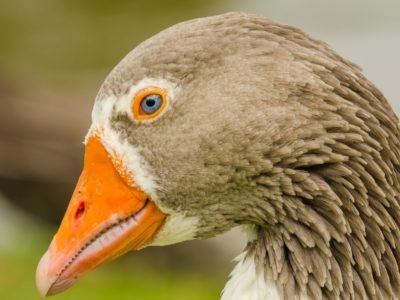
Goose
There are 29 different species!
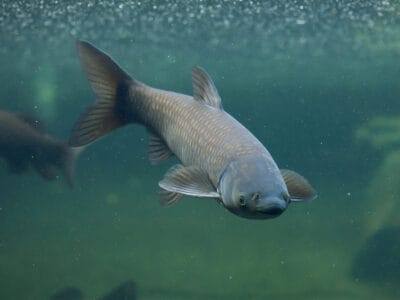
Grass Carp
The grass carp is considered to be a natural weed control agent.
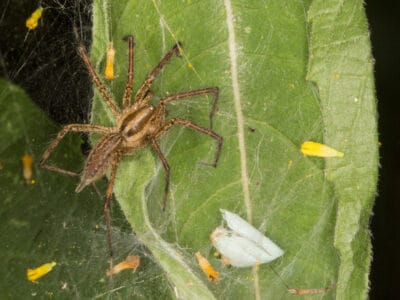
Grass Spider
Their fangs aren’t big enough to penetrate human skin.
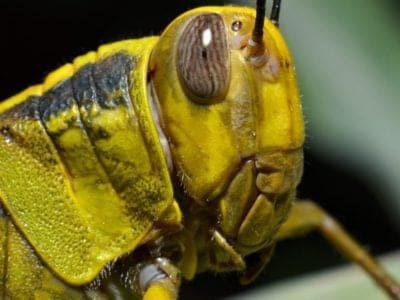
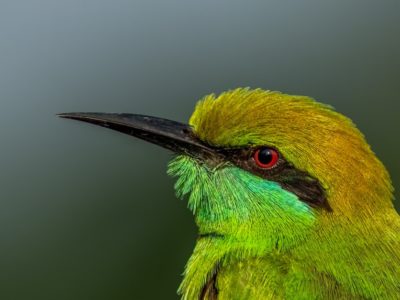
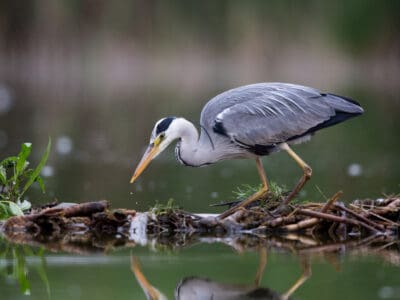
Grey Heron
Male grey herons are picky about their mates. They’ll reject a female that they don’t fancy.
Gypsy Moth
One of the most invasive species in the world
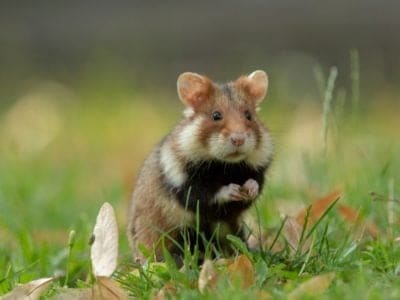
Hamster
Able to run as quickly backwards as forwards!
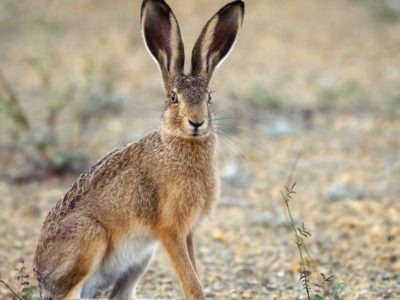
Hare
Can reach speeds of over 50 mph!
Hawk Moth Caterpillar
Many hawk moth caterpillars eat toxins from plants, but don’t sequester them the way milkweed butterflies do. Most toxins are excreted.
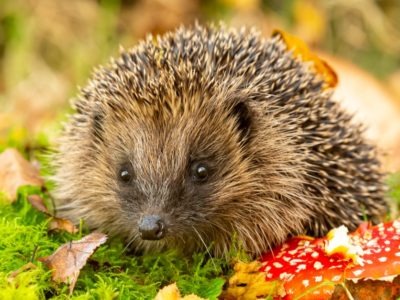
Hedgehog
Thought to be one of the oldest mammals on Earth!
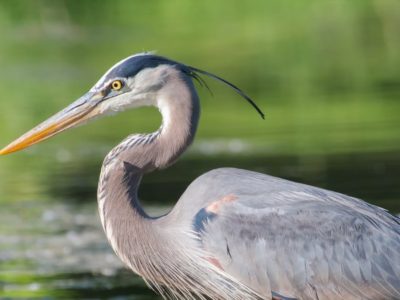
Heron
Inhabits wetlands around the world!
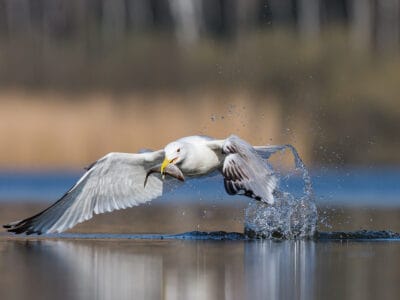
Herring Gull
They are loud, spirited birds with raucous cries that sound like bursts of laughter.
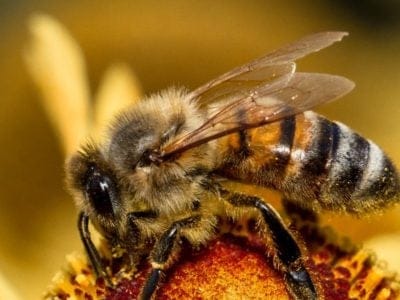
Honey Bee
There are only 8 recognized species!
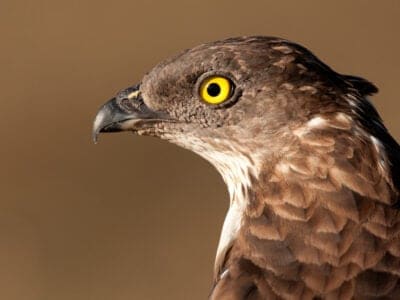
Honey Buzzard
Honey buzzards are medium-sized raptors that earned their names by raiding the nests of bees and wasps.
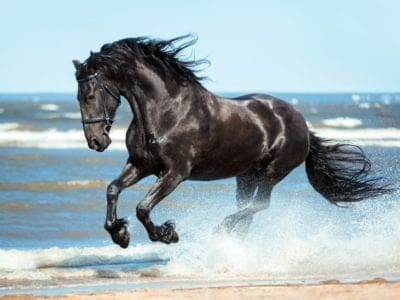
Horse
Has evolved over 50 million years!
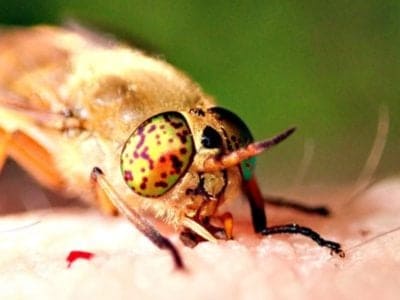
Horsefly
Horseflies have been seen performing Immelmann turns, much like fighter jets.
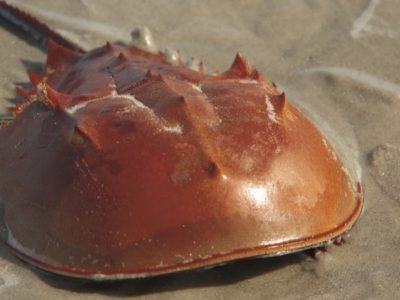
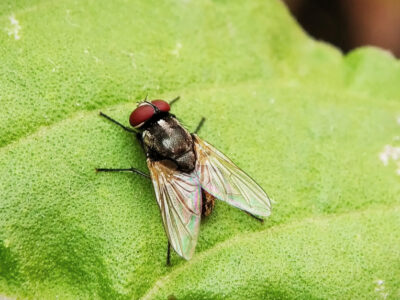
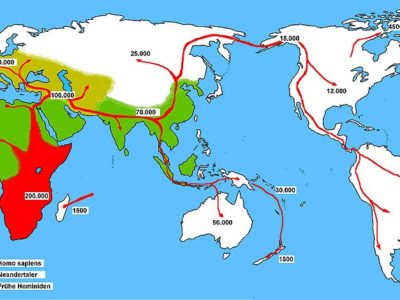
Human
Thought to have orignated 200,000 years ago!
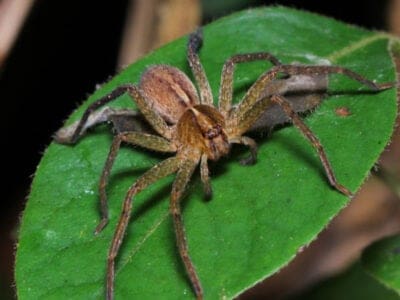
Huntsman Spider
Some huntsman spiders have an interesting way of moving around. Some cartwheel while others do handsprings or backflips.
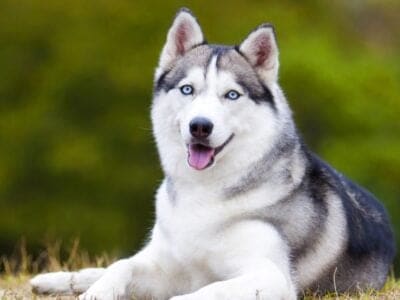
Husky
To communicate, Siberian Huskies rarely bark but instead create their own music and howl.
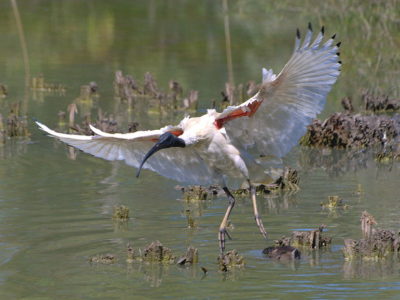
Ibis
Found in swamps, marshes and wetlands!
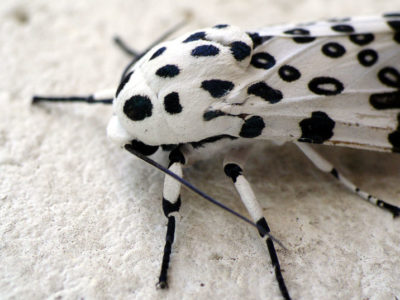
Insects
There are an estimated 30 million species!
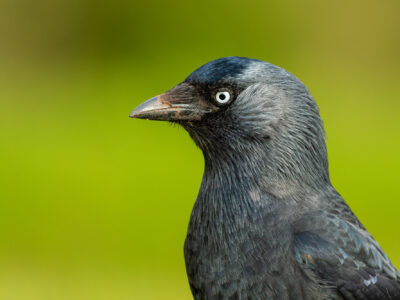
Jackdaw
The jackdaw tends to mate for life with a single partner
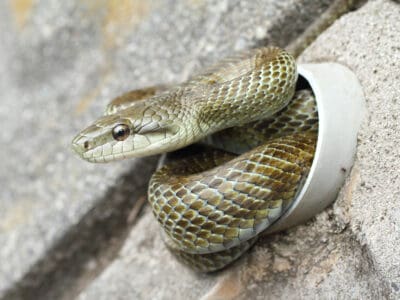
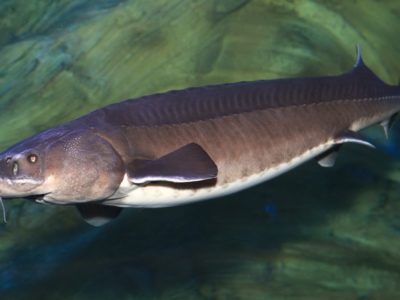
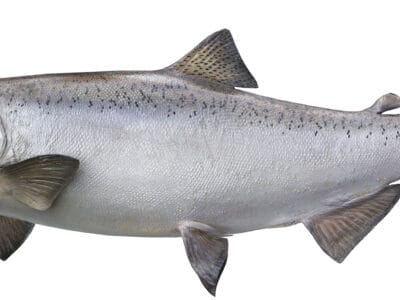
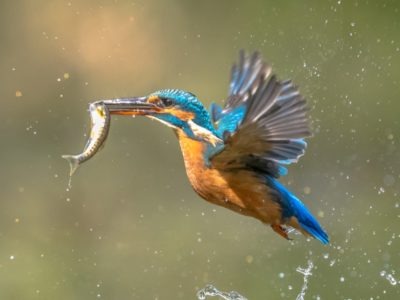
Kingfisher
Inhabits wetlands and woodlands worldwide!
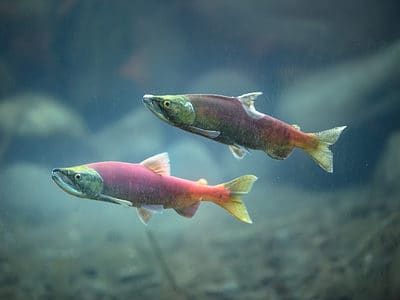
Ladybug
There are more than 5,000 species worldwide!
Leech
Has 10 pairs of eyes!
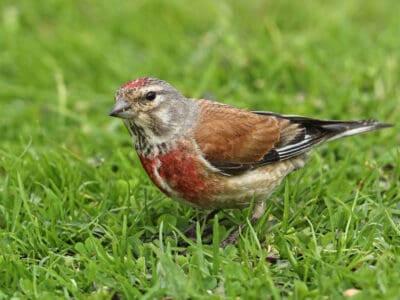
Linnet
While linnets are monogamous during mating season, they do not mate for life. While breeding pairs are together, the males are highly territorial and will defend the nesting site and the surrounding area.
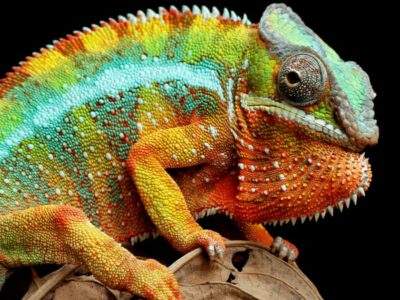
Lizard
There are around 5,000 different species!
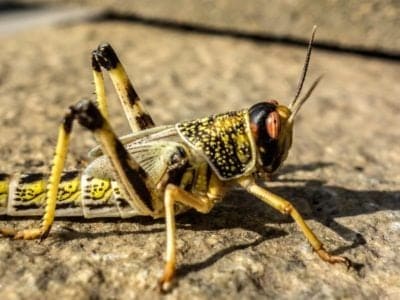
Locust
Each locust can eat its weight in plants each day.
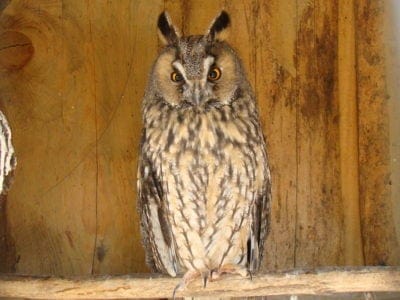
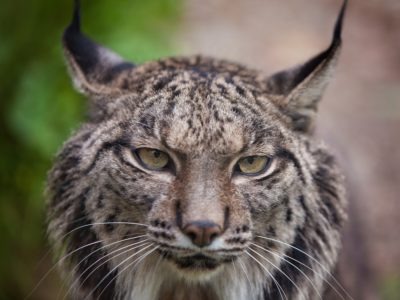
Lynx
Live in dens in rocks and under ledges!
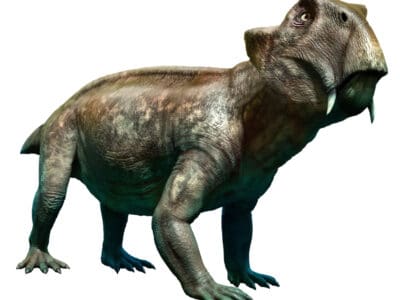
Lystrosaurus
Lystrosaurus was one of the few terrestial species that survived the permian extinction
Magpie
They are found across Europe, Asia and Africa!
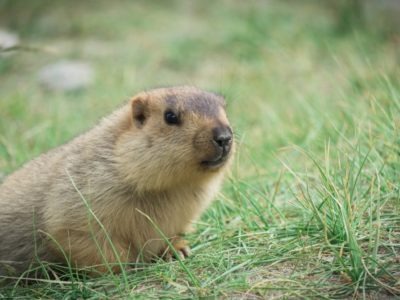
Marmot
A marmot spends 80% of its life below ground
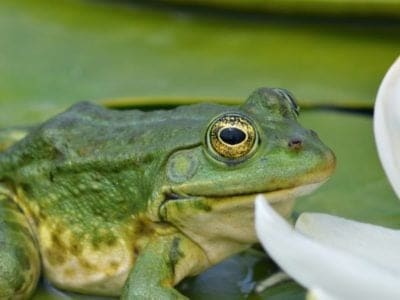
Mayfly
There are 2,500 known species worldwide!
Mealybug
They have a symbiotic relationship with ants.
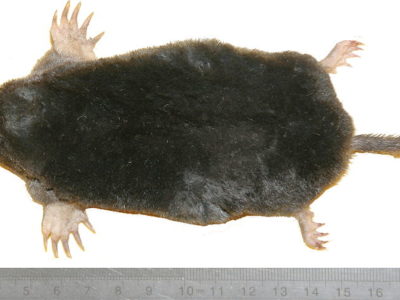
Mole
Primarily hunts and feeds on Earthworms!
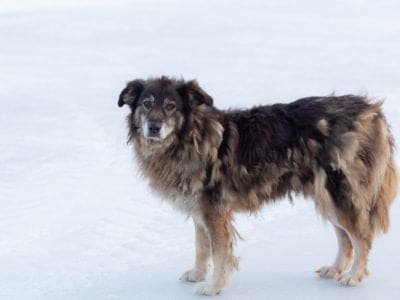
Mongrel
Has characteristics of two or more breeds!
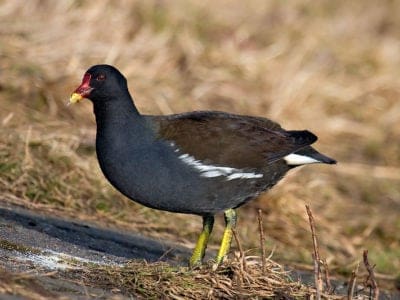
Moorhen
Feeds on aquatic insects and water-spiders!
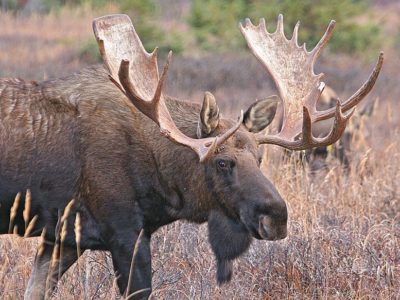
Moose
Renews it’s enormous antlers every year!

Moscow Watchdog
This Molosser-type dog is the Russian cousin of St. Bernard.
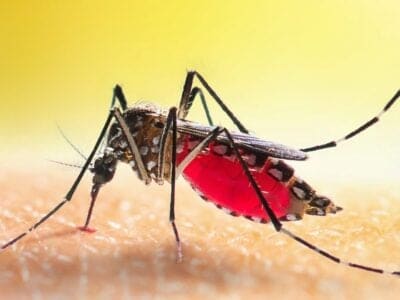
Mosquito
Only the female mosquito actually sucks blood
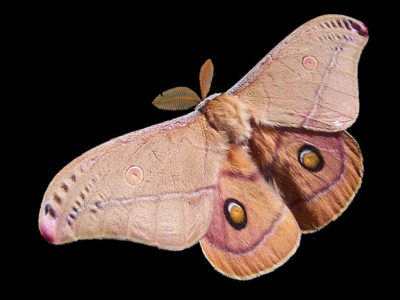
Moth
There are 250,000 different species!
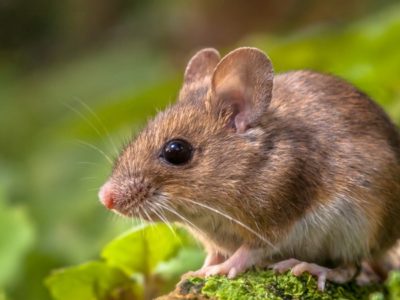
Mouse
Found on every continent on Earth!
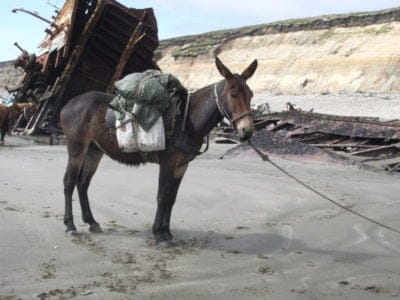
Mule
The offspring of a horse and donkey parents!
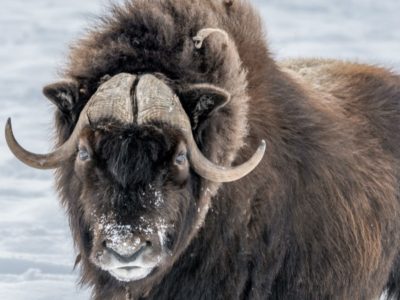
Muskox
Muskox have several physical characteristics that allow them to survive in the Arctic climate.
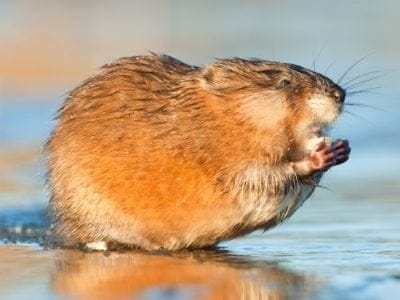
Muskrat
The muskrat can stay underwater up to 17 minutes at a time
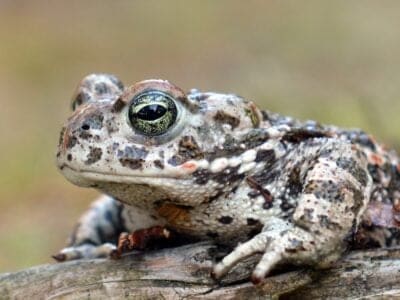
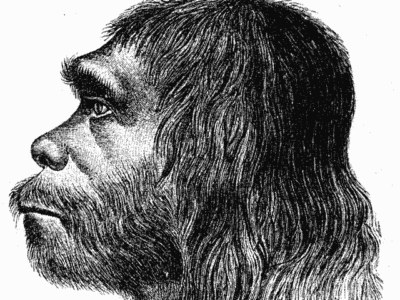
Neanderthal
Roamed Asia and Europe for around 100,000 years!
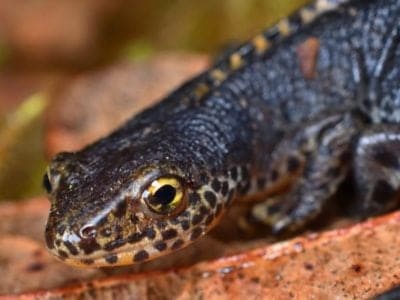
Newt
Able to regrow lost or damaged limbs!
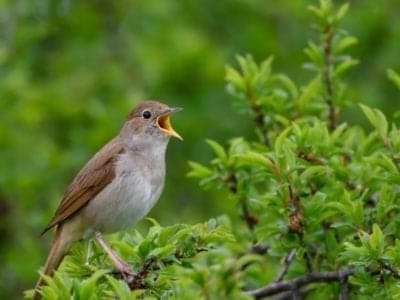
Old House Borer
Depending on the habitat and climate, these beetles can live between 2 to 10 years, often staying in their larval stage for several years, making them extremely dangerous to wooden structures.
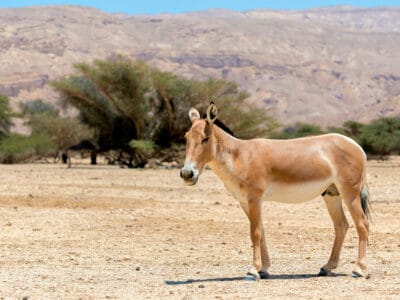
Onager
An onager’s coat changes color with the season.
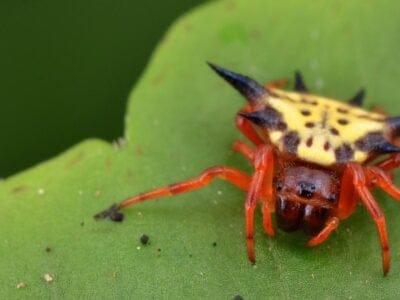
Orb Weaver
Females are about four times the size of males
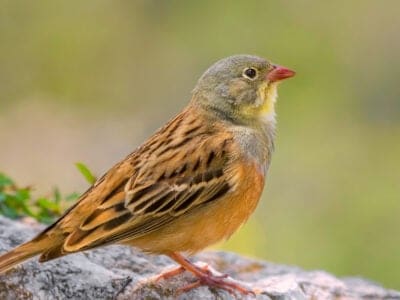
Ortolan Bunting
The tradition of hiding your face with a napkin or towel while eating this bird was begun by a priest who was a friend of the great French gastronome Jean Anthelme Brillat-Savarin.
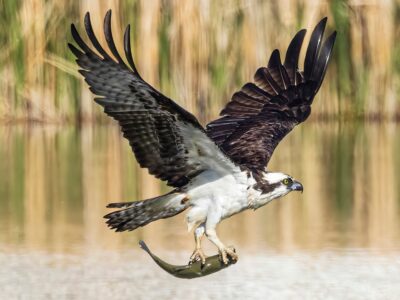
Osprey
They reuse nesting sites for 70 years!

Otter
There are 13 different species worldwide
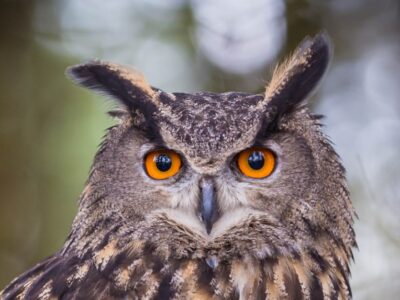
Owl
The owl can rotate its head some 270 degrees
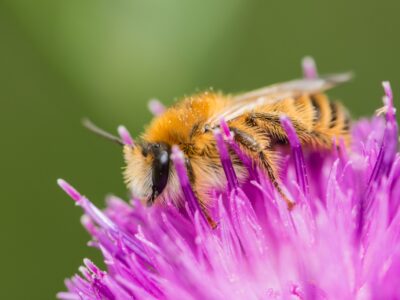
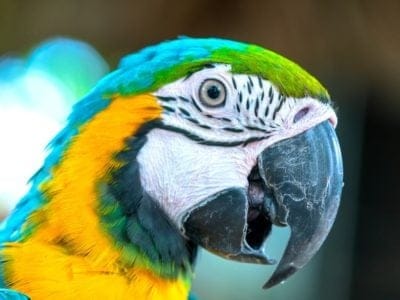
Parrot
Can live for up to 100 years!
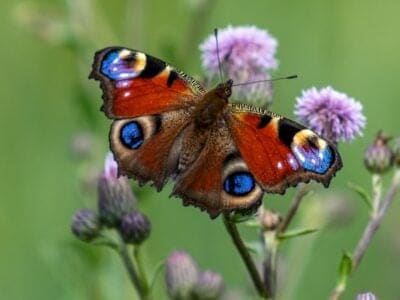
Peacock Butterfly
The eyespots on this butterfly’s wings deter predators from attacking.
Peppered Moth
Teachers in schools often use the evolution of the peppered moth as a good example of Darwin’s theory of natural selection.
Pheasant
Females lay between 8 and 12 eggs per clutch!
Pig
Thought to have been domesticated in 9,000 BC!
Pigeon
They can find their way back to their nests from up to 1300 miles away.

Pike Fish
Apex freshwater predators with fearsome teeth!
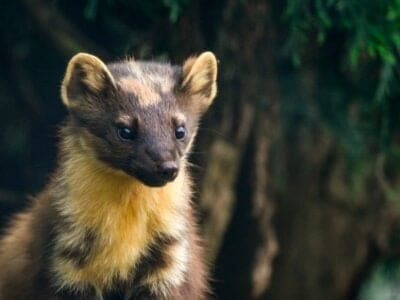
Pine Marten
A pine marten can jump from tree to tree similar to a squirrel.
Pit Viper
Pit vipers’s fangs fold up into their mouths when they don’t need them.
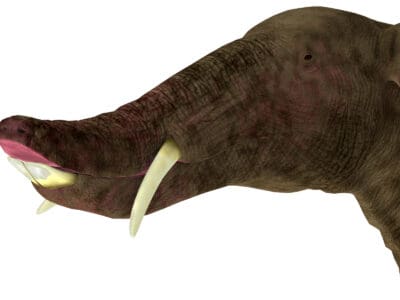
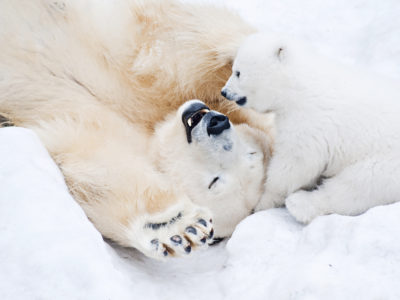
Polar Bear
Could be extinct within the next 30 years!
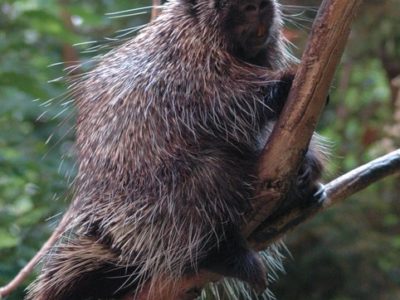
Porcupine
There are 30 different species worldwide!
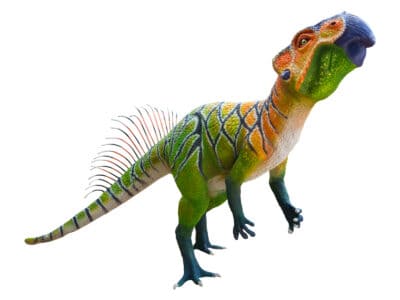
Psittacosaurus
These parrot-headed dinosaurs had beaks and feather-like quills on their tails!
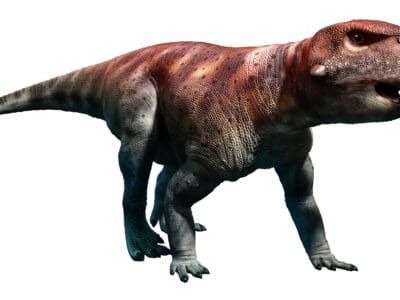
Psittacosaurus
The Psittacosaurus dinosaurs had four limbs but were mostly bipedal.
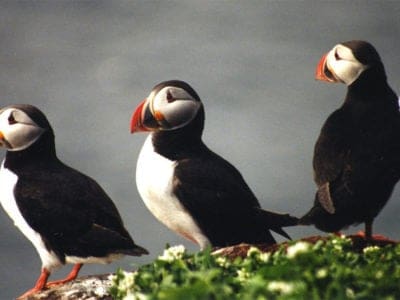
Puffin
Can remain in the water for up to 2 minutes!
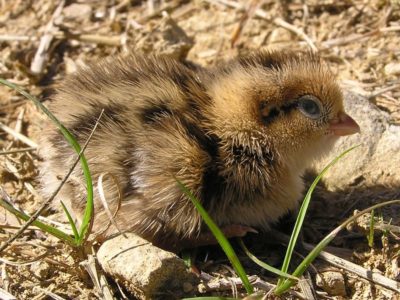
Quail
Inhabits woodland and forest areas worldwide!
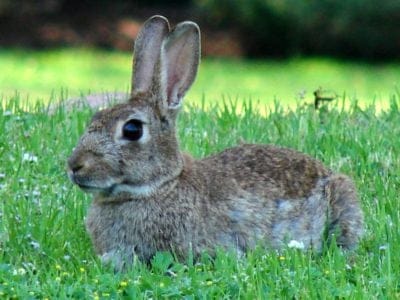
Rabbit
There are more than 300 different species!
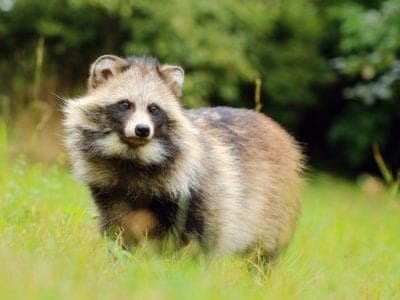
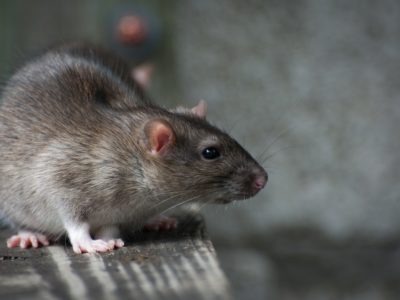
Rat
Omnivores that eat anything!
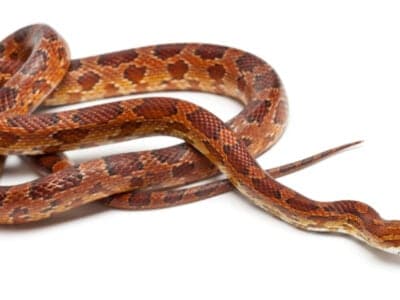
Rat Snakes
Rat snakes are constrictors from the Colubridae family of snakes.
Red Deer
A male red deer shows his age in his antlers, which become longer and more branched every year.
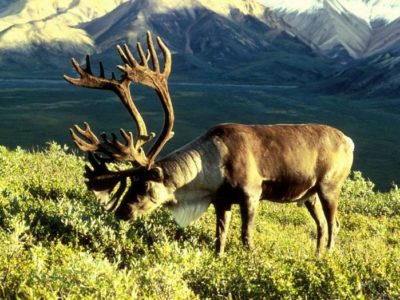
Robin
There are more than 45 species in Australia alone!
Rodents
The capybara, the world’s largest rodent, likes to be in and around bodies of water. Because of this, the Catholic Church in South America decided that it was a fish, and people were allowed to eat it during Lent and First Fridays.
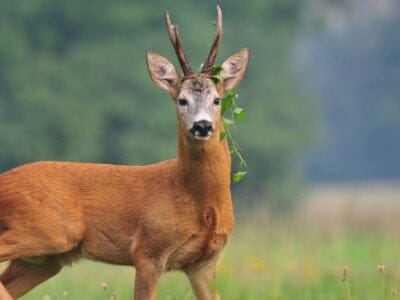
Roe Deer
The roe is one of the most popular game animals in Europe
Rooster
Will mate with the entire flock!
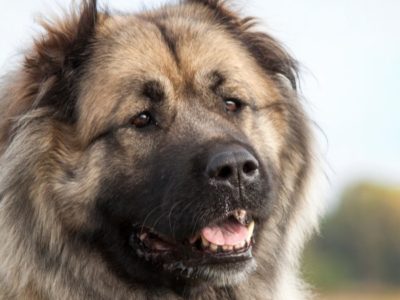
Sable
Their fur has been considered a luxury item since the Middle Ages
Sable Ferret
Ferrets were used during the Revolutionary War to keep down the rat population.
Salamander
There are more than 700 different species!
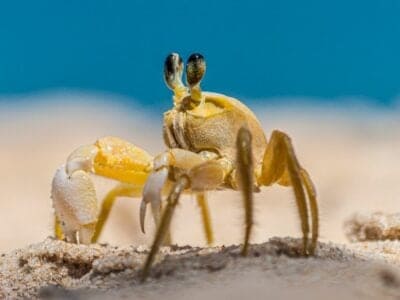
Sand Crab
The sand crab burrows beneath the sand with its tail
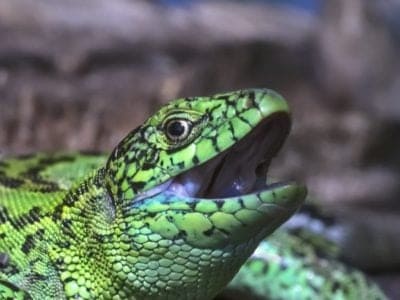
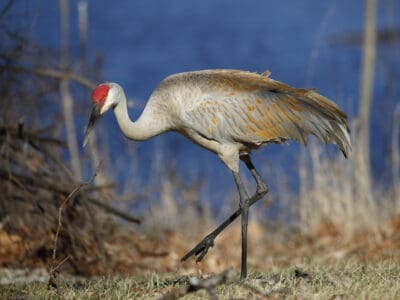
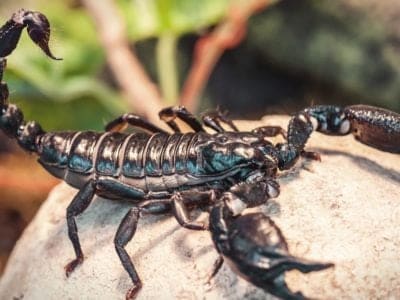
Scorpion
There are around 2,000 known species!
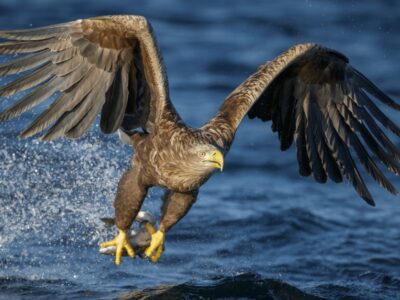
Sea Eagle
The sea eagle tends to mate for life with a single partner
Seahorse
Males give birth to up to 1,000 offspring!
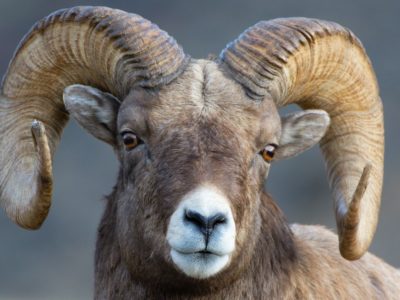
Sheep
Around 35 million in the English countryside!
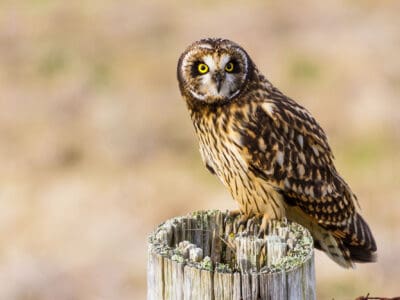
Short-Eared Owl
The short-eared owl is one of the most widespread owl species in the world, covering five continents.
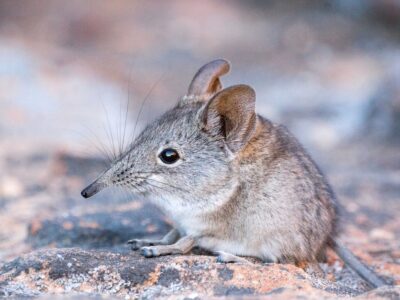
Shrew
The spinal column of the shrew Scutisorex somereni is so strong and reinforced that it can support the weight of an adult human.
Shrimp
There are 2,000 different species worldwide!
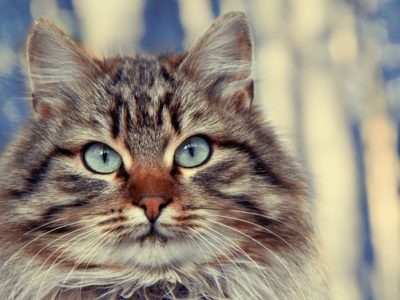
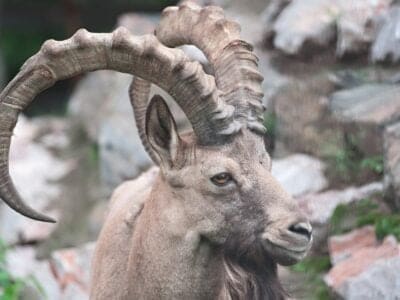
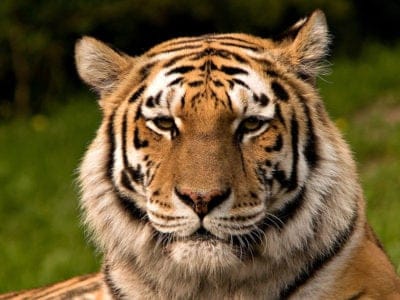
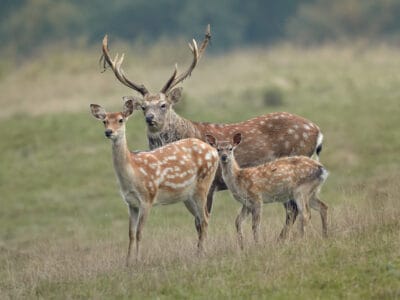
Sika Deer
Sikas can make 10 different sounds, from soft whistles to loud screams.
Skink Lizard
Some skinks lay eggs in some habitats while giving birth to skinklets in other habitats.
Slow Worm
Found widely throughout British gardens!

Slug
They glide around on one foot, which is aided by the slime they produce
Snail
There are nearly 1,000 different species!
Snake
There are around 4,000 known species worldwide
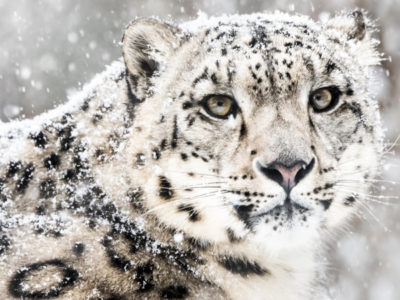
Snow Leopard
Unlike other big cats, snow leopards don’t roar.
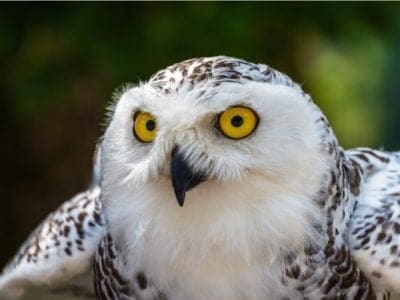
Snowy Owl
One of the largest owl species in the world!
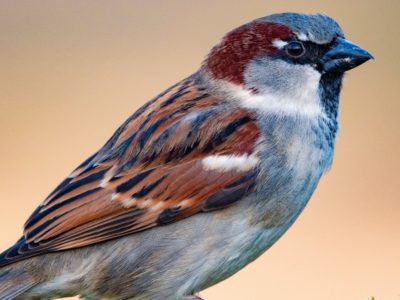
Sparrow
There are 140 different species!
Spider Wasp
They prey on spiders to feed their larvae or they parasitize other spider wasps.
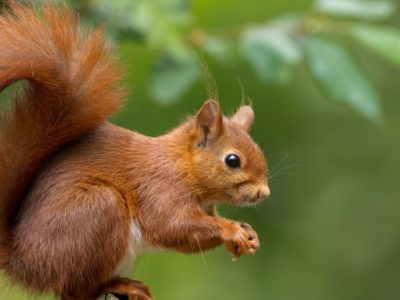
Squirrel
Small rodents found in woodlands worldwide!
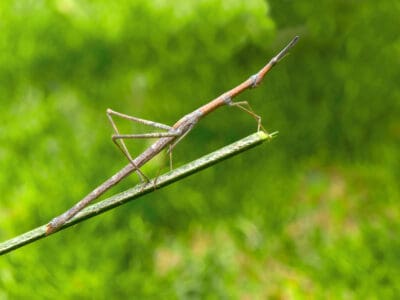
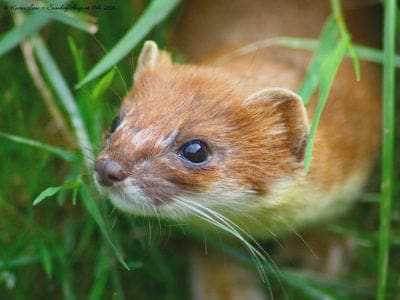
Stoat
Average adults weigh about 200 grams!
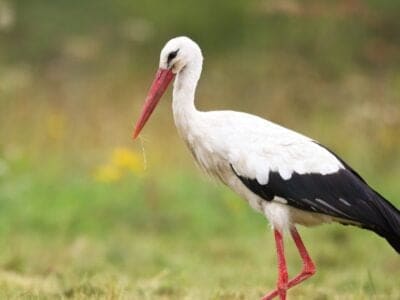
Stork
They can’t sing like other birds.
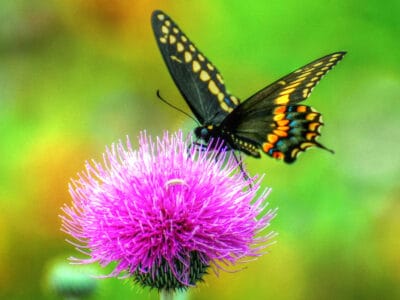
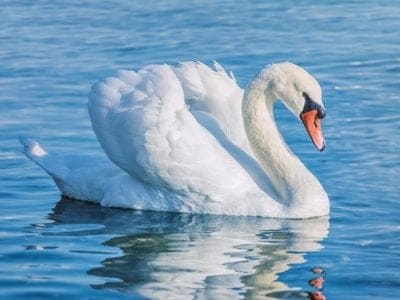
Swan
Populations have been affected by pollution!
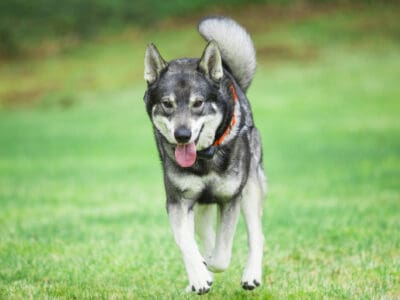
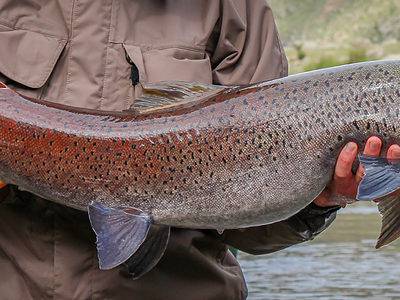
Taimen Fish
The Taimen is considered one of the oldest species on earth, with fossilized remains dating back more than 40 million years!
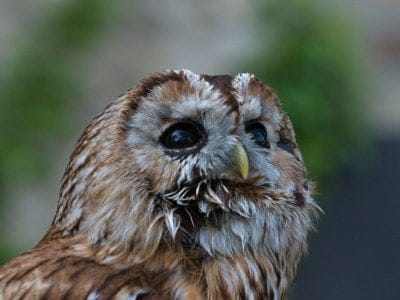
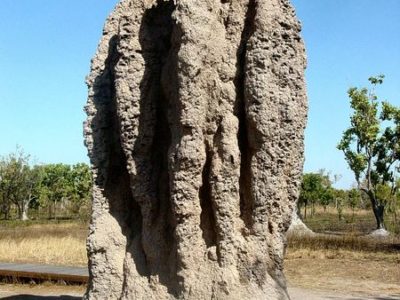
Termite
Their mounds can be up to 9 meters tall!
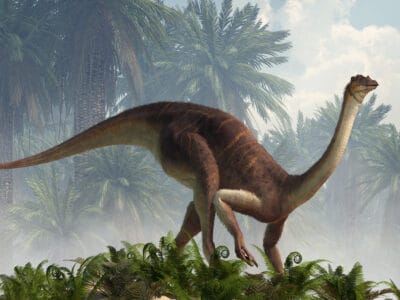
Theropod
Some theropods had feathers and may have been ancestors of modern birds.
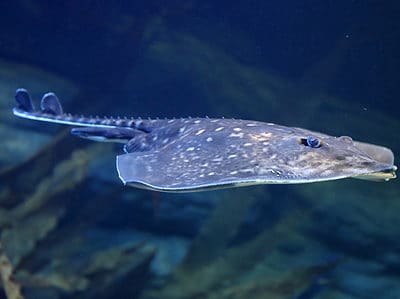
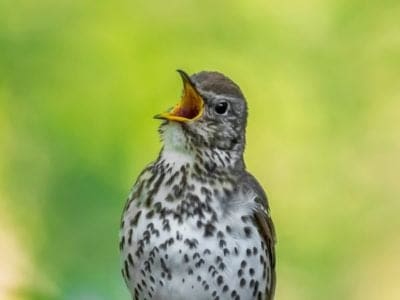
Thrush
The American robin is called the robin because its red breast reminded European settlers of the robin back in the old country.
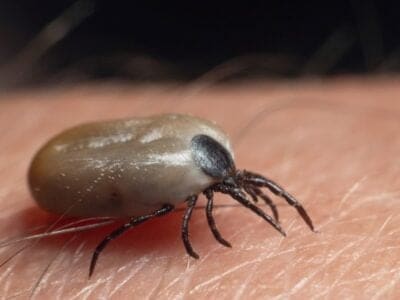
Tick
They inject hosts with a chemical that stops them from feeling the pain of the bite
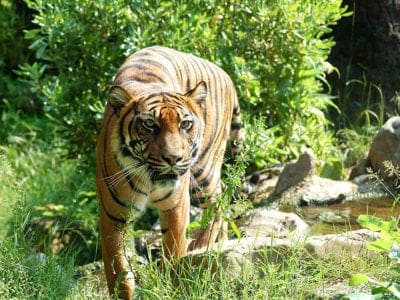
Tiger
The largest feline in the world!
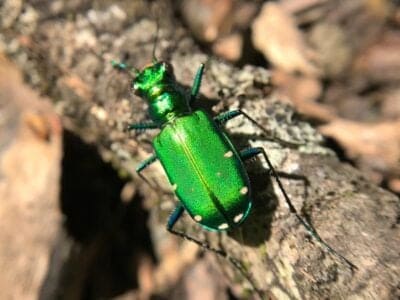
Tiger Beetle
The adult tiger beetle is one of the fastest land insects in the world
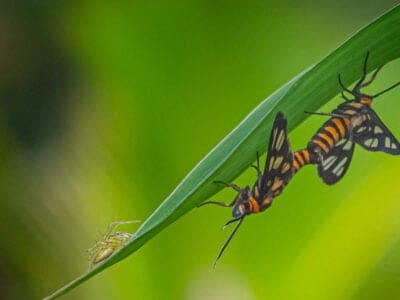
Tiger Moth
The bright colors of this moth are a signal to predators that it has a terrible taste.
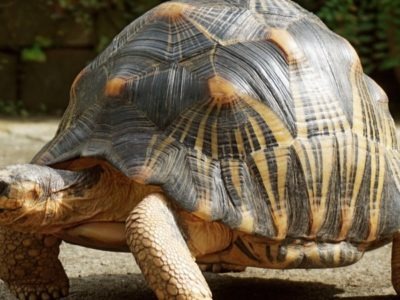
Tortoise
Can live until they are more than 150 years old!
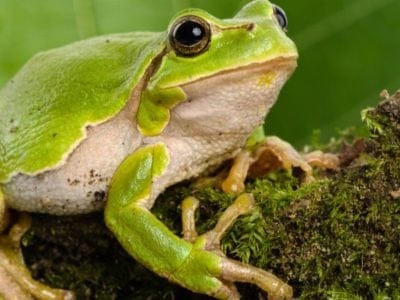
Tree Frog
Found in warmer jungles and forests!
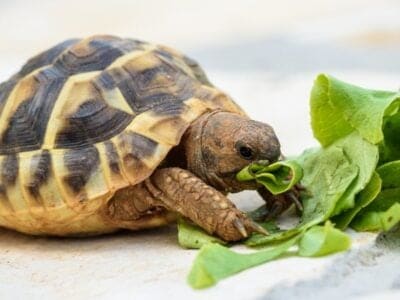
Turtles
Some species of aquatic turtles can get up to 70 percent of their oxygen through their butt.
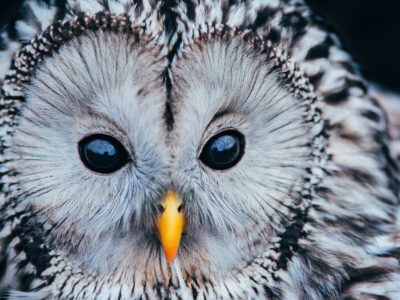
Ural owl
The Ural owl can rotate its head up to 270 degrees
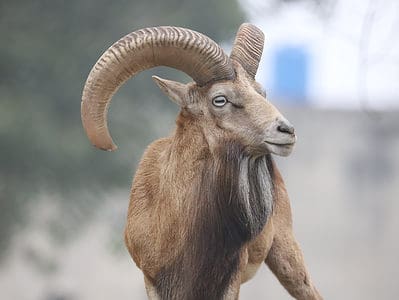
Urial
Urials are the ancestors of modern-day domesticated sheep.
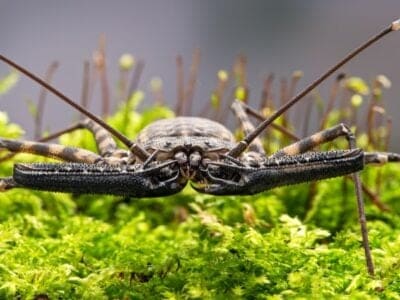
Vinegaroon
Vinegaroons can spray 19 times before the glands are depleted
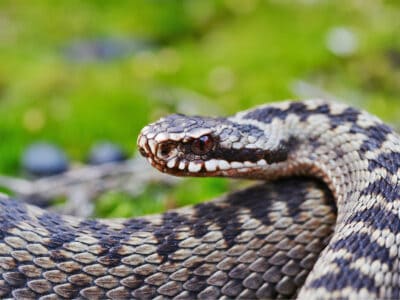
Viper
Vipers are one of the most widespread groups of snakes and inhabit most
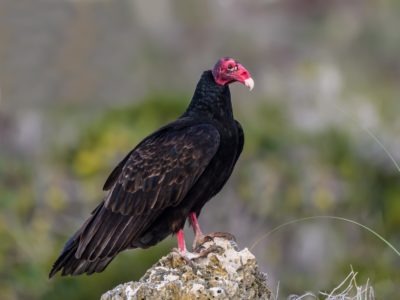
Vulture
There are 30 different species worldwide!
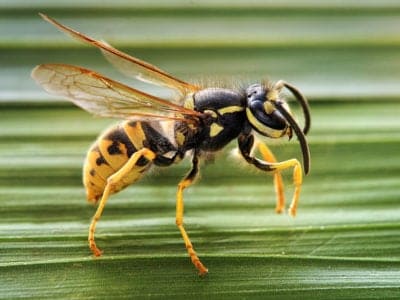
Wasp
There are around 75,000 recognised species!
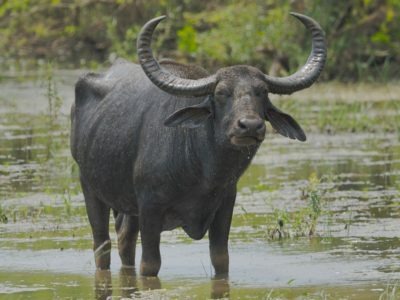
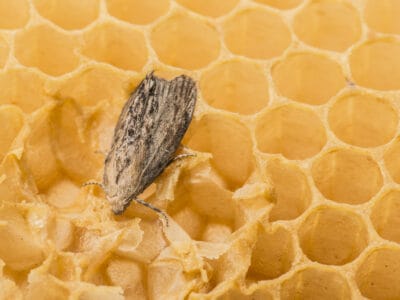
Wax Moth
The Wax Moth larvae are more dangerous than the adult.
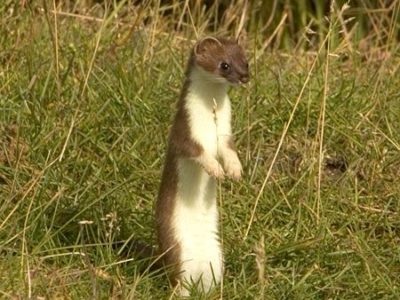
Weasel
The smallest carnivorous mammal in the world!
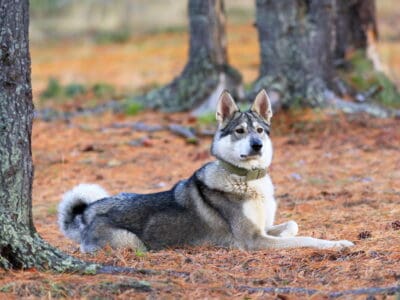
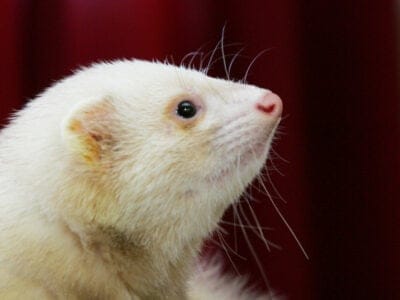
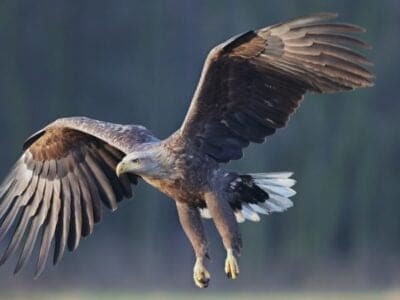
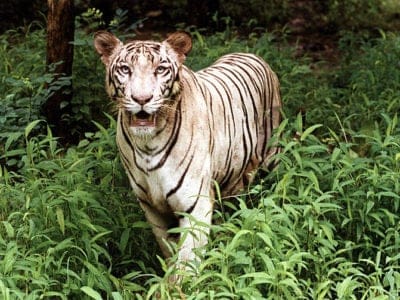
White Tiger
None have been seen in the wild for 50 years!
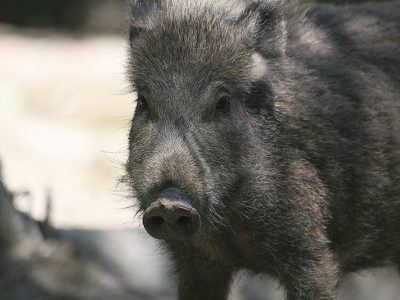
Wild Boar
Males have a top tusk to sharpen the bottom one!
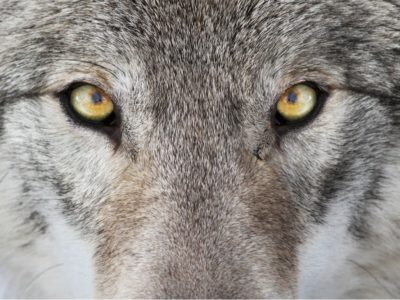
Wolf
Thought to date back more than 300,000 years!
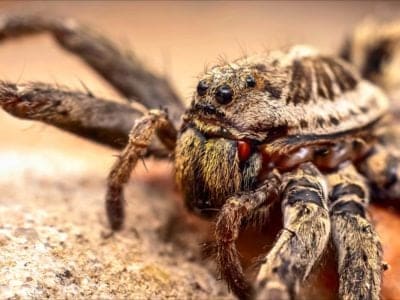
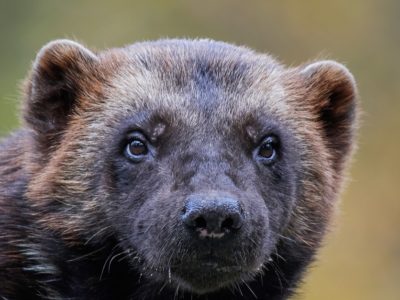
Wolverine
Releases a strong smelling musk in defence!
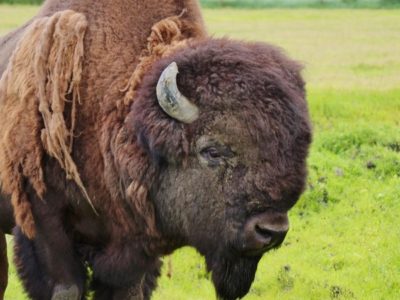
Wood Bison
The reintroduction of wood bison into Alaska is considered one of the world’s best conservation success stories.
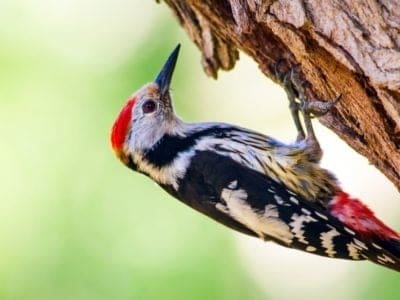
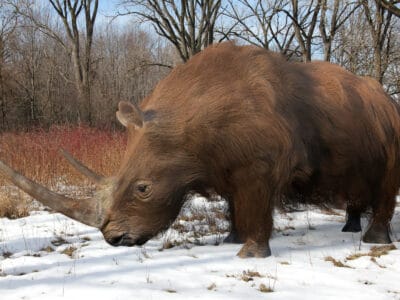
Woolly Rhinoceros
The woolly rhinoceros roamed the earth between three and a half million and 14,000 years ago.
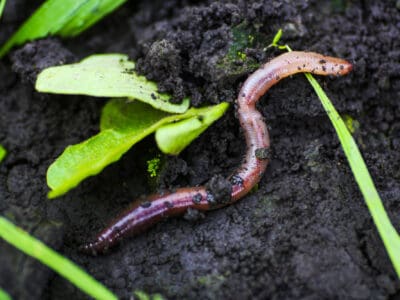
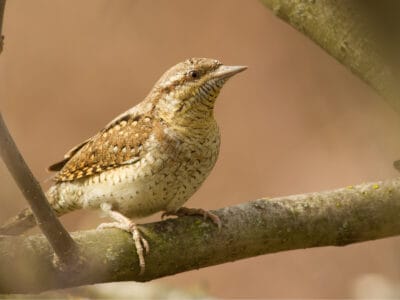
Wryneck
They feign death by making their bodies limp and closing their eyes.
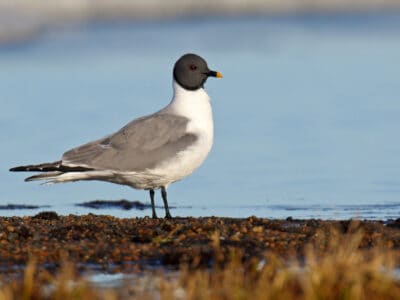
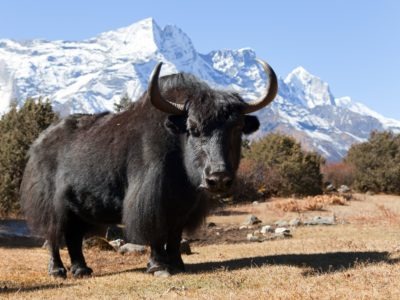
Yak
Yaks can live at altitudes up to 20,000 feet—the highest of any land-dwelling mammal.
Yakutian Laika
The Yakute people were likely the first to use dogs to pull sleds, so the Yakutian Laika was probably among the first sled dogs.
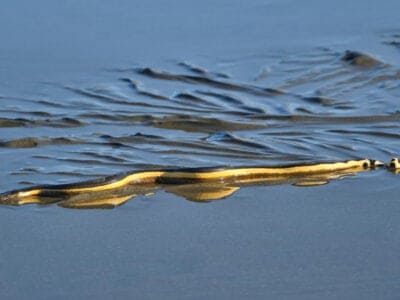
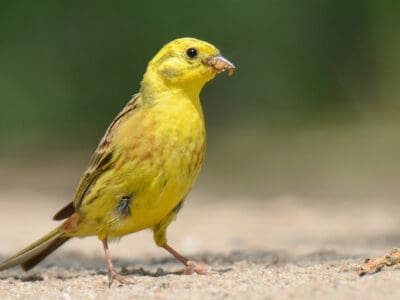
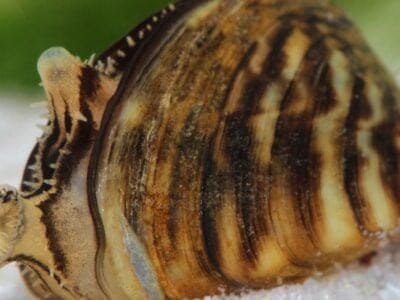
Zebra Mussels
A female zebra mussel can deposit 30,000 to 1,000,000 eggs each year!
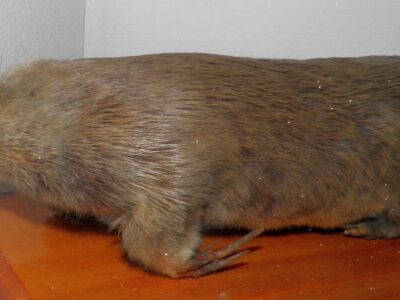
Zokor
Zokors are expert diggers. They burrow tunnels hundreds of feet long!
Russian Animals List
- Adelie Penguin
- Alabai (Central Asian Shepherd)
- Alaskan Pollock
- Allosaurus
- Amur Leopard
- Angora Goat
- Ant
- Antelope
- Arctic Char
- Arctic Fox
- Asian Lady Beetle
- Asiatic Black Bear
- Atlantic Cod
- Avocet
- Barbut’s Cuckoo Bumblebee
- Barn Owl
- Barn Swallow
- Bat
- Bear
- Beauty rat snake
- Beaver
- Bed Bugs
- Bee
- Beetle
- Beluga Sturgeon
- Bird
- Biscuit Beetle
- Black Russian Terrier
- Black Widow Spider
- Box Tree Moth
- Brazilian Treehopper
- Brown Bear
- Brown Dog Tick
- Bumblebee
- Butterfly
- Camel Cricket
- Caribou
- Carpenter Ant
- Cat
- Caterpillar
- Catfish
- Caucasian Mountain Dog (Shepherd)
- Caucasian Shepherd
- Centipede
- Ceratopsian
- Chicken
- Chinese Geese
- Chipmunk
- Cinereous Vulture
- Cockroach
- Codling Moth
- Common Buzzard
- Common European Adder
- Common Furniture Beetle
- Common House Spider
- Common Raven
- Cormorant
- Cow
- Crab
- Crab Spider
- Crane
- Cricket
- Crow
- Crucian Carp
- Cuckoo
- Deer
- Dickinsonia
- Diving Bell Spider (Water Spider)
- Dog
- Dog Tick
- Donkey
- Dormouse
- Dragonfly
- Duck
- Dung Beetle
- Eagle
- Earthworm
- Earwig
- East Siberian Laika
- Eel
- Egyptian Vulture
- Elasmotherium
- Elk
- Emperor Goose
- Ermine
- Eurasian Bullfinch
- Eurasian Eagle-owl
- Eurasian Lynx
- Eurasian Nuthatch
- Eurasian Wolf
- European Bee-Eater
- European Goldfinch
- European Robin
- Falcon
- False Widow Spider
- Firefly
- Flea
- Fly
- Flying Squirrel
- Forest Cuckoo Bumblebee
- Fox
- Frog
- Fruit Fly
- German Cockroach
- Glass Lizard
- Glowworm
- Gnat
- Goat
- Goldcrest
- Golden Eagle
- Golden Oriole
- Goose
- Grass Carp
- Grass Spider
- Grasshopper
- Green Bee-Eater
- Grey Heron
- Gypsy Moth
- Hamster
- Hare
- Hawk Moth Caterpillar
- Hedgehog
- Heron
- Herring Gull
- Honey Bee
- Honey Buzzard
- Horse
- Horsefly
- Horseshoe Crab
- Housefly
- Human
- Huntsman Spider
- Husky
- Ibis
- Insects
- Jackdaw
- Japanese rat snake
- Kaluga Sturgeon
- King Salmon
- Kingfisher
- Kokanee Salmon
- Ladybug
- Leech
- Linnet
- Lizard
- Locust
- Long-Eared Owl
- Lynx
- Lystrosaurus
- Magpie
- Marmot
- Marsh Frog
- Mayfly
- Mealybug
- Millipede
- Mole
- Mongrel
- Moorhen
- Moose
- Moscow Watchdog
- Mosquito
- Moth
- Mouse
- Mule
- Muskox
- Muskrat
- Natterjack
- Neanderthal
- Newt
- Nightingale
- No See Ums
- Old House Borer
- Onager
- Orb Weaver
- Ortolan Bunting
- Osprey
- Otter
- Owl
- Pantaloon Bee
- Parrot
- Peacock Butterfly
- Peppered Moth
- Peregrine Falcon
- Pheasant
- Pig
- Pigeon
- Pike Fish
- Pine Marten
- Pink Salmon
- Pit Viper
- Platybelodon
- Polar Bear
- Pond Skater
- Porcupine
- Psittacosaurus
- Psittacosaurus
- Puffin
- Quail
- Rabbit
- Raccoon Dog
- Rat
- Rat Snakes
- Red Deer
- Reindeer
- River Turtle
- Robin
- Rodents
- Roe Deer
- Rooster
- Rough-Legged Hawk (Rough-Legged Buzzard)
- Russian Bear Dog
- Russian Blue
- Sable
- Sable Ferret
- Salamander
- Sand Crab
- Sand Lizard
- Sandhill Crane
- Scorpion
- Sea Eagle
- Seahorse
- Sheep
- Short-Eared Owl
- Shrew
- Shrimp
- Siberian
- Siberian Ibex
- Siberian Tiger
- Sika Deer
- Skink Lizard
- Slow Worm
- Slug
- Smokybrown Cockroach
- Snail
- Snake
- Snow Leopard
- Snowy Owl
- Sparrow
- Spider Wasp
- Squirrel
- Stick Insect
- Stoat
- Stork
- Swallowtail Butterfly
- Swan
- Swedish Elkhound
- Taimen Fish
- Tawny Owl
- Termite
- Theropod
- Thornback Ray
- Thrush
- Tick
- Tiger
- Tiger Beetle
- Tiger Moth
- Tortoise
- Tree Frog
- Turtles
- Ural owl
- Urial
- Vinegaroon
- Viper
- Vulture
- Wasp
- Water Buffalo
- Wax Moth
- Weasel
- West Siberian Laika
- White Ferret / Albino Ferrets
- White-Tailed Eagle
- White Tiger
- Wild Boar
- Wolf
- Wolf Spider
- Wolverine
- Wood Bison
- Woodlouse
- Woodlouse Spider
- Woodpecker
- Woolly Rhinoceros
- Worm
- Wryneck
- Xeme (Sabine’s Gull)
- Yak
- Yakutian Laika
- Yellow-Bellied Sea Snake
- Yellowhammer
- Zebra Mussels
- Zokor

About the Author
Heather Hall
I am a freelance writer with 22 years of experience. I live in the Pacific Northwest and am surrounded by nature. When I go for my daily runs I often see herds of elk, deer, and bald eagles. I am owned by two dogs who take me on hikes in the mountains where we see coyotes, black bears, and wild turkeys.
Russia FAQs (Frequently Asked Questions)
What animals are common in Russia?
There are many common animals in Russia. The most common type of animal is dogs. Russians have registered about 70,000 German spitzes, 45,000 Yorkshire terriers, 41,000 Chihuahuas, and 24,000 German shepherds. There are also many types of wildlife in Russia.
What is the rarest animal in Russia?
There are many rare animals in Russia. One of the rarest animals in Russia is the Amur leopard. There may be less than 80 of these rare animals left in the wild. Worldwide, it is the most endangered member of the leopard family. These rare animals can reach speeds up to 27 miles per hour, and they can jump straight up more than 16 feet. This leopard is also called the Far East leopard, the Manchurian leopard or the Korean leopard.
What is the most dangerous animal in Russia?
The most dangerous animal in Russia is the tick. They can make people sick before a person even knows that they have been bit. These blood-sucking animals carry Lyme and encephalitis. One of the reasons they are so dangerous is that they live in the same areas as people while most dangerous animals in Russia live in remote locations.
What is the biggest animal in Russia?
Polar bears are one of the biggest animals in Russia. It is the largest extant bear species and the largest carnivore on earth. Adult male polar bears weigh 1,763 pounds on average. They can stand over 13 feet tall when they are standing on their back legs. Despite being one of the biggest animals in Russia, they can run at speeds up to 31 miles per hour. A polar bear has swum 372 miles when there was no ice.