

«Спать или не спать?» — вот в чем вопрос каждого студента. Согласитесь, что вопрос о распорядке дня и сне – самая настоящая проблема для каждого учащегося. Несмотря на инициативность, активность, далеко не каждый слушатель может полноценно выполнять все дела, осмысленно подходить к каждому заданию, преуспевать во всем и везде. Притом дело не только в корректной организации времени и дел, но и в состоянии организма, которое напрямую зависит от сна.
Сон и студент: насколько совместимы категории?
Всем известно, что студенты готовы готовиться к предстоящему учебному дню или испытанию в любое время суток, жертвуя теми или иными делами, интересами и даже сном. Но пренебрежение отдыхом чревато самыми разными последствиями.

Отсутствие полноценного отдыха и сна, которые нужны организму для «перезагрузки» и восполнения сил, энергии, приводит к таким последствиям, как:
- Снижение продуктивности и успеваемости во время обучения: снижение интереса к предметам, ухудшение концентрации внимания и усвоения пройденного материала;
- Развитие хронической усталости и как следствие депрессии;
- Снижение иммунитета и обострение хронических заболеваний, провокация недомогания.
Таким образом, сон играет немаловажную роль в становлении студента и личности в целом, так как оказывает непосредственное воздействие, как на психоэмоциональный фон, физиологическое состояние, так и общее и профессиональное развитие.
В целом, при грамотном планировании дня категории «сон» и «студент» вполне совместимы. Но распределить дела и объем, нагрузку в период сессии порой оказывается непросто.
Идеальный режим дня для студента: сколько времени отводить на сон?
Согласно исследованиям ученых и научным фактам, для полноценного отдыха и восполнения сил, энергии, «просветления разума» каждому человек необходимо выделять не менее 8-9 часов сна в сутки. При этом отдых должен быть полноценным, то есть предельно полным, с минимальными перерывами (пробуждениями) или без них, в удобной позе и комфортных условиях.
Идеального периода распорядка дня студента в целом не существует. Данный параметр напрямую зависит от учебной нагрузки, интересов и увлечений учащегося, биологических часов организма, а также скорости усвоения и восприятия новой информации, ее сложности и пр.

Исходя из традиционной концепции, студенту следует выделять на полноценный ночной отдых не менее 8-9 часов в сутки с учетом всех дел расписания занятий и пр.
Но в период сессии привычный режим может претерпеть фиаско. Согласитесь, что освежить знания, полученные за последние полгода и восполнить имеющиеся пробелы по предметам за короткий промежуток времени (в течение нескольких дней) невозможно. Но чаще всего студенты предпочитают готовиться к предстоящему зачету или экзамену в последний момент: за сутки, в последнюю ночь, пренебрегая сном.
Независимо от предстоящих аттестаций, контрольных рубежей и прочих нюансов, каждому студенту следует соблюдать привычный темп обучения и распорядок дня, ответственный подход к делу. Поэтому даже во время сессии целесообразно утвердить конкретный режим, но он может отличаться от повседневных идеалов. Время на отдых может быть частично сокращено и переведено в учебное русло, то есть выделено изучению и заучиванию конкретного предмета, экзаменационных вопросов, дополнительным занятиям и пр.
Во время сессии студент нередко предпочитают «экстренное зубрение» или подготовку шпаргалок. Конечно же, все это отводится на ночное время в ущерб сну и отдыху. Если у слушателя имеется в запасе несколько дней перед аттестацией, то он может пересмотреть сон в сторону уменьшения, но оставив время на его.
В большинстве случаев учащиеся колледжей и вузов при подготовке к экзаменам придерживаются следующих соотношений:
- Время на учебную деятельность согласно расписанию занятий остается прежним;
- Время на хобби, прогулки и встречи с друзьями, увлечения сокращается;
- Время на сон сокращается в среднем на 2 часа с акцентом на повторение или изучение материалов по экзаменационному списку. В среднем во время сессии при оптимистичном сценарии студент спит по 5-6 часов в сутки, в пессимистичном – менее 4 часов или вовсе не спит.
Обратите внимание, что нарушение сна во время зачетов и экзаменов явление вполне классическое. Притом причинами данного дисбаланса могут быть следующие моменты: стресс и волнение перед предстоящей аттестацией, слабая подготовка, напряженные отношения с педагогом-экзаменатором и боязнь завала или дополнительных вопросов, наличие прогулов или большой объем пропущенных тем и пр.
Учтите, что чем меньше сна у человека, тем ниже его работоспособность. Поэтому студенту в любое время учебного года важно высыпаться, но в период сессии важно правильно организовать день и ночь с минимальным ущербом для здоровья и сознания. Притом «доспать» или восполнить силы позже не получится.
Возникли сложности?
Нужна помощь преподавателя?
Мы всегда рады Вам помочь!

Сон во время сессии: сколько времени отводить на подготовку, а сколько на сон?
Сколько времени студенту требуется для качественной подготовки к предстоящему испытанию – вопрос сугубо индивидуальный и напрямую зависит от его способностей, текущих познаний и пр. У каждого человека есть свой ритм жизни, способности, подход к делу, скорость работы, которые предопределяют продолжительность организационных моментов.
Каждый студент самостоятельно определяет «норму подготовки» в зависимости от следующих факторов:
- Перечень экзаменационных вопросов (их количество);
- Результаты оценки экзаменационных вопросов: доля свободно владеющих вопросов, доля заданий с обязательным тотальным изучением, количество вопросов с простым повторением, доля заданий с практическим уклоном и тренировками (решение примеров и пр.);
- Время на подготовку: сколько времени осталось до экзаменационного дня, сколько вопросов нужно разобрать и повторить, сколько вопросов потребуется изучать в день, сколько времени в среднем требуется на каждое задание и пр.
В зависимости от вышеупомянутых факторов студент оценивает текущее положение дел и определяет: достаточно ли ему времени для традиционной подготовки без перегрузок, сколько вопросов он должен разбирать ежедневно и сколько времени примерно на это ему потребуется. Далее с учетом «распределенной нагрузки» студент определяет: сколько времени ему нужно на подготовку к предстоящему испытанию. Исходя из этого, формируется «новый режим дня» — временный, но довольно сложный. Основная нагрузка по подготовке к предстоящему зачету или экзамену приходится именно на ночь и ущемление сна.
|
Факторы, влияющие на сон и подготовку во время сессии |
Что и как изменить, установить режим? |
Результат |
| Уровень текущей подготовки по предмету | Отсеять знакомые или понятные вопросы на которые студент может дать полноценный ответ без подготовки | Сокращение списка вопросов для изучения, потребуется меньше времени на их изучение и повторение |
| Выделение незнакомых вопросов | Грамотная расстановка приоритетов с акцентом на тотальное погружение отдельного списка экзаменационных вопросов | Акцент и изучение наиболее сложных и непонятных моментов, увеличение доли минимально знакомых вопросов и снижение риска провала |
| Биологические часы | Приступать к подготовке лучше всего в то время, когда организм лучше усваивает информацию и активен в зависимости от ритма жизни, привычного распорядка дня | Повышение скорости изучения экзаменационных вопросов и качества подготовки по предмету, а также минимум вреда полноценному отдыху |
Анализируя и распределяя время на сон, важно понимать: что совсем не спать во время сессии или накануне экзамена нельзя! Во-первых, зубрежка на протяжении суток не приведет ни к чему хорошему: в голове останется лишь непонятный микс или ассорти из непонятных терминов, сосредоточиться в вопросах будет крайне сложно, а вспомнить научное и полезное – окажется сверхзадачей. Важно давать организму хотя бы минимальный отдых – около 2-4 часов (фаза быстрого + фаза медленного сна).
Более того, если решили готовиться по максимуму невзирая на время, то используйте привычную технику изучения и запоминания, делайте небольшие перерывы между разбором заданий. Притом во время «отвлечений» важно именно отойти от учебы: можно заняться домашними делами, послушать музыку, прогуляться. Но если «подготовительный ход» идет ночью, то главное – не мешать остальным домочадцам и постараться абстрагироваться тихо.
Таким образом, студенту следует пересмотреть режим подготовки так, что организм не страдал или риски и ущерб здоровью, подготовке и состоянию был минимален. Совсем не спать – не выход. Оцените собственные силы и минимальное время на восполнение сил и обязательно выделите его на сон.
Возникли сложности?
Нужна помощь преподавателя?
Мы всегда рады Вам помочь!
Рекомендации по грамотной организации сна во время экзаменов и зачетов
Чтобы не нарушать привычный режим дня и время на сон, лучше всего начать подготовку к предстоящему испытанию заранее равномерно распределив экзаменационные задания на ежедневной основе выделив на них специальное время и пр. Это самый идеальный вариант, который позволит качественно подготовиться к зачету или экзамену без жертв, с полноценным 7-9-часовым сном в сутки.
Если же экзамены уже на носу, а время на подготовку ограничено, важно грамотно расставить приоритеты. Отдых и сон лучше всего не трогать, оставить в предельно полном объеме или сократить на 1-2 часа. Выкроить время на изучение заданий, тем, повторение материала лучше, пересмотрев список дел и перенеся некоторые из них на более поздний период или вовсе отказавшись от их реализации. Согласитесь, что встречу с друзьями можно провести после экзамена, а это время можно смело посвятить изучению лекций и семинаров. Если даже перечень пробелов и вопросов, требующих повторения и исследования велик, то придется сокращать время на сон, но по минимуму.
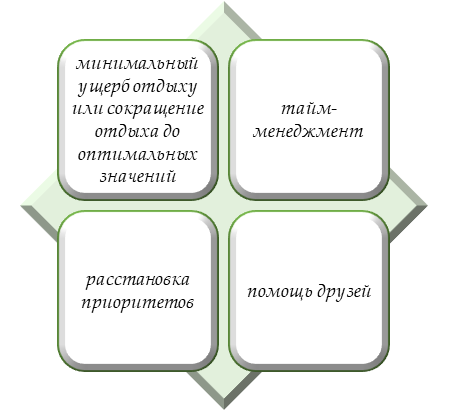
Если же экзамен уже завтра, а готовность на ноле – не найдётесь за ночью восполнить все пробелы. Самый простой вариант – подготовить шпаргалки. Данный ход позволит хоть что-то выудить из книг и запомнить основные моменты, привнести меньше каши в голову. В среднем перечень экзаменационных вопросов включает в себя около 50-60 вопросов. Не многовато ли на одну ночь?
Не отказывайтесь от сна совсем, даже если убеждены, что справитесь со столь сложной миссией. Бессонница продолжительностью в сутки может сыграть злую шутку, но как минимум: сориентироваться в информации будет непросто, вспомнить нужное и полезное – еще сложнее.
Распределяя время на подготовку заранее, учитывайте биологические часы и темперамент: если Вам проще учить и запоминать в утренние часы, то старайтесь заниматься в это время, если вы – сова, то смело читайте и учите ночью, но отдыхать тогда придется днем или в иное свободное время.
Чтобы упростить подготовку к зачетам и экзаменам и сократить время на данную деятельность, можно вычеркнуть из перечня экзаменационных вопросов те задания, на которые студент в силах предоставить минимальный или полный ответ, полностью раскрыть и выполнить соответствующие теме задания.
Если режим дня и сна сбился, то постарайтесь перенести подъем перед экзаменом (то есть продлить отдых), хорошенько пробудиться после напряженных будней (контрастный душ, зарядка, кофе в помощь) и собраться с мыслями.
Чтобы не заснуть на экзамене, важно сесть в самое освещаемое место (свет мешает засыпанию), можно взять с собой воды и попить во время экзамена, выйти в туалет и умывать прохладной водой, делать небольшие перерывы между подготовкой ответа на каждый вопрос и пр.
Головокружение и предобморочное состояние. Что может помочь при панической атаке?
Пожалуй, каждый из нас слышал фразу: все болезни от нервов. Этот тезис верен, ведь все наши стрессы, переживания, ссоры с близкими провоцируют нервное напряжение, и это вытекает в проблемы со здоровьем. Существует мнение, что лечить нужно не конкретную болезнь, а обследовать человека полностью, включая состояние его души. О том, как выявить и устранить психологические причины заболевания, а главное, не допустить их, поговорили в ток-шоу «Точки над i».
Наталья Надольская, ведущая ток-шоу:
Можно с каким-то заболеванием спутать паническую атаку или ее ни с чем не спутаешь?

Евгения Тимошенко, заведующая терапевтическим отделением 29-й городской клинической поликлиники г. Минска:
Хронические заболевания, как правило, у человека имеют какой-то дебют, свое развитие. То есть человек знает уже, что такое проявление этого хронического заболевания и может четко отличить.
Наталья Надольская:
Реально ли есть угроза жизни человеку во время панической атаки?
Евгения Тимошенко:
Угрозы жизни нет. За исключением того, что если, конечно, поднимется высокое артериальное давление. При сопутствующей патологии, многочисленных факторах риска что-то одно на одно наслоится, тогда может что-то случится. Но как проявление психическое, паническая атака не грозит жизни человека.
Алеся Лакина, ведущая ток-шоу:
Максим, к вам обращались пациенты с таким недугом?

Максим Барышев, врач-реабилитолог, заведующий отделением реабилитации Республиканского клинического медицинского центра Управления делами Президента:
Пациенты, к обычному врачу когда придут, могут рассказать историю, что у них была такая паническая атака. Они могут сказать, что с ними встречались, но не могут с ними бороться. Ест методики при борьбе с ними. Даже это в основном работа с такими методиками – обучают врачи-психотерапевты. Эту панику сначала пытаются вызвать на приеме, пациент ее может бурно пережить. Потом уже начинаются какие-то аутотренинги, чтобы ее преодолеть. Конечно, пациенты с таким приходят, но обычно советуешь обратиться к специалисту. Есть даже такие, как, Светлана не даст соврать – в пакетик посоветовать подышать, в смысле вызвать…
Наталья Надольская:
Кислородное голодание?
Максим Барышев:
Когда бурно дышит, у него начинает повышаться кислород в крови, углекислый газ выдыхается. Чтобы как-то уровнять, можно даже подышать в пакетик. Многие – это совсем смешно, но иногда этот метод работает.

Татьяна Равлушевич, врач-психотерапевт:
Этот метод работает всегда. Когда ко мне обращаются пациенты именно с паническими атаками, первое, что я рекомендую, когда острая паническая атака переживается, этот самый главный момент – выровнять уровень углекислого газа и кислорода. Потому что, когда мы во время панической атаки активно дышим, вдыхаем большое количество кислорода, перенасыщаем себя им. Тем самым провоцируем те неприятные симптомы, которые испытываем во время панической атаки. Это легкое головокружение, предобморочное состояние, которое нас больше всего пугает, является следствием именно перенасыщения кислорода. Как раз дыхание в пакет этот момент убирает.
Подписывайтесь на нас в Telegram!
Читайте также:
Итог сильных переживаний. Что происходит с организмом, когда человек испытывает стресс?
Болит в голове, печет в руке и колет в ноге. Когда человеку необходимо обратиться к психотерапевту?
«Напиться и забыться». Можно ли снимать стресс алкоголем?

Download Article
Download Article
Sleep is key to doing well on tests, as it improves memory recall and the ability to concentrate. It is also necessary to store memories, so if you pull an all-nighter, you likely won’t remember much of what you studied anyway. To maximize performance, you should try to get at 8 hours of sleep before a big exam, and no less than 6 hours.[1]
But what if you can’t fall asleep? To ensure a restful night before your exam, make sure you study the right way and eat and drink the correct things. If your racing mind still won’t let you nod off, try meditation and relaxation techniques to help your deal with worries and get to sleep.
-

1
Have your last meal at least two hours before bedtime. A full stomach can keep you awake, especially if you’re also stressing about an exam. Avoid heavy, greasy, rich, or spicy food before you sleep, as these foods are harder for your body to digest and can make it more difficult to fall asleep. You could also wake up in the middle of the night with heartburn, which would put a damper on your rest plans.[2]
- Eating a light snack before bed is fine. In fact, if you’re feeling hungry you should have a snack, as it could be hard for you to fall asleep with an empty stomach.
-
2
Consume foods that are rich in chemicals that help you sleep. Other students may subsist on coca cola and chips during exam season, but you should know better. Eating the right foods can help you get a good night sleep.
- Salad. Lettuce contains lactucarium, which has calming and sedative properties. And it’s healthy![3]
- Almonds and walnuts. They contain the amino acid tryptophan, which increases production of the sleep-regulating hormones serotonin and melatonin, helping you to sleep. For a really good sleep, try adding them to your salad.[4]
- Bananas. Bananas are high in potassium and magnesium, which help to relax muscles and promote sleep.[5]
- Whole-grain cereal. If you like to snack on cereal at night, well, you’re on to something. Whole grain cereal (or better yet, oatmeal) contains B6 (also found in fish like tuna and salmon), which helps produce melatonin. Combined with milk – another sleep aid – it is a great way to promote sleep.[6]
- Complex carbs. A bowl of brown rice or some whole-grain crackers can help you sleep. Just avoid simple carbs such as refined breads or pastas, sugary cereals, or fries.[7]
Advertisement
- Salad. Lettuce contains lactucarium, which has calming and sedative properties. And it’s healthy![3]
-
3
Try a sleep-inducing drink. Eating right can help you sleep, but you won’t want to eat right before getting in bed, as a full stomach can make sleep difficult. You can, however, have a sleep-inducing drink as part of your pre-bed ritual.
- Skim milk – Milk contains tryptophan and calcium, which triggers additional tryptophan production. Skim milk is better, as the fat in whole milk can stress the digestive system and make it harder to sleep.
- Chamomile tea – This tea contains glycine, an amino acid that acts as a mild sedative. Consider sweetening your tea with honey, which contains tryptophan that will also help you sleep.
- Passion fruit tea – This contains Harman alkaloids which help calm your nervous system and which have been shown to improve sleep.
-
4
Avoid caffeine or cigarettes after noon. Caffeine remains in your system for 6-14 hours, depending on your metabolism.[8]
Nicotine can take 1-10 days for your body to process.[9]
Smoking or drinking coffee might make you feel more alert, but it will also make it harder to sleep when you’re done studying.- Stay away from caffeine for at least eight hours before you want to go to sleep. If you must have caffeine during this time, go for very low-caffeine beverages such as green tea, decaf coffee (yep, even decaf has a little caffeine!), or low-caffeine sodas such as root beer or orange soda. [10]
[11]
- Stay away from caffeine for at least eight hours before you want to go to sleep. If you must have caffeine during this time, go for very low-caffeine beverages such as green tea, decaf coffee (yep, even decaf has a little caffeine!), or low-caffeine sodas such as root beer or orange soda. [10]
-
5
Be wary of using sleeping pills. If you regularly suffer from insomnia, then you may already be using sleeping pills. If you do not, then the night before an exam is not the best time to try them. Antihistamines are the active ingredient in most over-the-counter sleep pills, and they may leave you feeling drowsy long after you wake up, which is less than ideal when trying to take a test.[12]


Advertisement
-
1
Don’t worry too much about getting a good night’s sleep. Yes, it’s best if you can go into an exam well rested. But people can still function relatively well with little sleep, so long as they don’t string too many sleepless nights together. And worrying about getting sleep can actually make it hard to fall asleep. The best approach is to understand that more sleep will help, but not to panic if it won’t come.
- If you can’t sleep, don’t go back to studying. It is important to let your mind rest, even if you don’t fall asleep. Try the relaxation techniques below first. If you still can’t sleep, read a book or do some other relaxing activity.
-
2
Write any nagging thoughts in a journal. A good way to deal with worries or distracting thoughts you can’t get out of your head is to write them down. Putting them in a list means you don’t have to concentrate on remembering them, letting your mind relax.[13]
This also helps when meditating. Have a journal nearby so you can jot down any thoughts you can’t get out of your head. -
3
Put your thoughts in a drawer. Napoleon was famous for being able to go to sleep almost instantly in any circumstances. His technique was to take any thoughts that were bothering him and to imagine putting them in a filing cabinet drawer and closing that drawer. Try it. Lie down, close your eyes and try to clear your mind. When thoughts enter, imagine placing them in a drawer and filing them away. This should help you to clear your mind so you can sleep.[14]
-
4
Replay your day. Worries about things you need to do often keep people from sleeping. Instead of dwelling on things you have not yet done, try focusing on what you have already accomplished in order to calm your mind. Lie still, relax and recall your day; it does not matter if you go from start to finish or in reverse order. Do not summarize or skip anything. The key is to recall as many details as possible.
- For example: I woke up. Stretched in bed. Rolled out of bed. Went to the bathroom. Put toothpaste on my toothbrush. etc.[15]
- Just don’t stress out if you can’t remember any details. The goal here is not perfection. It’s a way to help you get your thoughts in order so you can relax.
- For example: I woke up. Stretched in bed. Rolled out of bed. Went to the bathroom. Put toothpaste on my toothbrush. etc.[15]
-
5
Use visualization to help calm your mind. There is a long tradition, going back at least to the Greeks, of using mental images to stimulate sleep. To help you sleep, conjure an image of a place that you find restful and soothing, like a tropical beach or fern-covered forest floor. Or, try one of these tried and true mental exercises:[16]
- The ball of yarn – Imagine a tightly wound ball of yarn, which represents your tensions and worries. Now, imagine the ball slowly unwinding as it rolls across the floor. The strand of unfurled yarn grows as the ball slowly shrinks. Concentrate on breathing steadily as the ball slowly unwinds until the yarn lies stretched out, relaxed, like you.
- The sleep dome – Imagine a dome-shaped barrier sitting over you, protecting you from the world and any tasks you need to accomplish. Focus on the texture, color, and shape of the barrier. Know that no worries can penetrate it. As other thoughts enter your mind, imagine them bouncing off the dome, unable to reach you.
- The river of sleep – Imagine yourself floating like a leaf on a gentle stream. Let yourself be carried along, buoyed up by the warm water. Hear its gentle murmur. Feel its caressing you. Relax into it and let it carry you to sleep.
-
6
Try herbal remedies. Several herbs can help you deal with anxiety and fall asleep. You can usually find these herbs as teas, but you can also find extracts, caplets, and tinctures at most health food stores.
- Valerian root. Valerian has been shown to be effective at battling anxiety and helping you sleep, although it can take a few weeks to take full effect.
- Passionflower. Passionflower is generally milder than valerian. It can help you relax and fall asleep. It can interact with sedatives and some other medications, so talk to your doctor if you take other prescription medications.


Advertisement
-
1
Take a warm bath or shower. The warm water will relax you, while the time in the shower will also give your mind a chance to slow down and relax before you go to sleep.
- Add a few drops of lavender oil to your bath. It will help you relax.
-
2
Roll your eyes to relax them. During the day, our eyes are constantly making small movements in order to scan our world and search for motion around us. Rolling your eyes relaxes them, helps them to remain still, and stimulates the production of melatonin – the hormone that regulates sleep. Roll your eyes in wide circles, four times in each direction, or until you feel relaxed. While this practice alone might not help you fall asleep immediately, it is a good technique to incorporate alongside the other methods listed below.[17]
-
3
Stimulate your sleep pressure points. Acupressure – applying pressure with your thumb or fingers to specific spots on your body – can help to stimulate sleep. Try applying gentle pressure or massaging the following points until you feel relaxed and ready to sleep:[18]
- Behind your ear – There is a depression above your jaw, just behind and below your ear, and before your neck. Apply moderate pressure with your index and middle finger for up to 20 minutes, or until you are ready to sleep.[19]
- Your foot – Place two fingers horizontally across your foot at the place where your big toe and the next toe join your foot. Just above your fingers, up on the top of your foot, is a pressure point that can help relieve insomnia. Use your finger to apply deep, firm pressure for 4-5 seconds.[20]
- Your leg — Place four fingers horizontally on the inside of your calf just above your ankle bone. Apply firm, deep pressure just behind your leg bone (the tibia) for 4-5 seconds.[21]
- Behind your ear – There is a depression above your jaw, just behind and below your ear, and before your neck. Apply moderate pressure with your index and middle finger for up to 20 minutes, or until you are ready to sleep.[19]
-
4
Try a little aromatherapy. Using some essential oils in a diffuser or placing a few drops on your pillow may help you sleep. Lavender is by far the most popular essential oil for relaxing and has been shown in clinical studies to help people sleep.[22]
There are a few others you can try too.- Chamomile. Chamomile oil may help reduce anxiety.[23]
- Sage. Sage oil can help relax and relieve stress.[24]
- Neroli. Neroli oil helps relieve anxiety and depression.[25]
- Rose. Rose oil can help relieve stress and anxiety and may make you feel more positive.[26]
- Chamomile. Chamomile oil may help reduce anxiety.[23]
-
5
Relax your muscles one by one. Lie on your back and breathe slowly and steadily through your nose throughout the exercise. Starting with your feet, squeeze your toes tightly, then release. Next, curl your foot towards your knee and relax. Flex your calves and relax, then your thighs, buttocks, back, stomach, and chest. Squeeze your hands into fists, then relax. Curl your hands downward and relax. Flex and relax your arms, neck, and jaw. When you have finished tensing and relaxing all your muscles, you should be ready for sleep.[27]
-
6
Try yoga breathing techniques to relax. Controlled breathing is key to the practice of yoga and has been shown to help people relax by stimulating the parasympathetic nervous system, which controls the automatic systems that help people rest.[28]
- Alternate Nostril Breathing – Sit with your legs crossed or lie in bed. Place your right ring finger and thumb on either side of your nose, touching but not squeezing. After a few deep breaths to prepare, close off the right nostril and breathe deeply through the left for a count of 4. As you finish breathing in, close off both nostrils. Hold for a count of 4, then open your right nostril and exhale for a count of 4. Repeat these cycles until you feel relaxed and ready to sleep.[29]
- Deep Throat Breathing – Do this exercise lying on your back. The key is to constrict your throat so as you breath through your nose, so that it feels as if you are breathing through a straw. This should also produce a noise, which has been described as similar to a baby snoring. Inhale for a count of 4, hold for 4, and breath out for a count of 4. Concentrate on relaxing, especially during the hold. Next inhale for 6, hold for 6, and breath out for a count of 6. Continue adding 2 counts until you reach your maximum capacity, then start subtracting 2 counts until you reach 4, at which point you should be relaxed and ready to sleep.[30]
- Humming – Close your eyes and relax. Breathe deeply through your nose, then gently out your mouth, humming as you breathe out. Concentrate on the way your chest vibrates. Do this for 6 breaths and lie quietly. Repeat if you are still restless.[31]
- Alternate Nostril Breathing – Sit with your legs crossed or lie in bed. Place your right ring finger and thumb on either side of your nose, touching but not squeezing. After a few deep breaths to prepare, close off the right nostril and breathe deeply through the left for a count of 4. As you finish breathing in, close off both nostrils. Hold for a count of 4, then open your right nostril and exhale for a count of 4. Repeat these cycles until you feel relaxed and ready to sleep.[29]


Advertisement
-
1
Establish good sleeping habits. College students, in particular, tend to have chaotic sleep schedules. This can really come back to bite you the night before an exam. One of the best ways to ensure you fall asleep easily is to go to bed and wake up at about the same time every day. Establishing a schedule early can really help on exam day.[32]
-
2
Don’t take naps. Naps confuse your body’s circadian rhythms and make it harder to sleep at night. Instead of napping, try going for a walk or exercising.[33]
-
3
Make a schedule to study early. Research shows that cramming all your studying into a one day session is much less effective and results in lower exam scores. Your brain needs time and sleep to consolidate information. So as soon as you know your exam schedule, spend some time planning out when you will study. Scheduling 2 or 3 hours a day for a week before the exam is the most effective way to prepare.[34]
-
4
Study at your desk or in the library, not in bed. You want your bed to be associated with one thing only: sleep. If you get in the habit of studying in bed, it will make it harder to sleep there.[35]
-
5
Study at the right time. Try to do most of your studying between 6pm and 8pm, when your mind is most alert and when you are least likely to need stimulants like coffee or cigarettes that will make it harder to sleep later. Avoid studying in the early afternoon, when the mind is most sluggish.
-
6
Exercise. Because your mind is sluggish in the early afternoon, this is the perfect time to exercise or take a long walk. This will help you feel more alert when you return to studying, and by fatiguing your body, help you to sleep better that night.[36]
- Spending time outside in the late afternoon sunlight helps stimulate your body to release melatonin, which will help you sleep later.
-
7
Give yourself time to create the appropriate environment. Don’t try to go straight from studying to sleep. Instead, give yourself time to prepare yourself and your room. Don’t look at your computer, phone, or television for 45 minutes before bedtime. Make your room as dark as possible and keep it cool. If you cannot keep your room quiet, try introducing calming white noise.[37]
-
8
Go to bed early and get up early. Rather than studying that extra hour at night, try going to sleep and waking up early to study. So instead of staying up until midnight, go to bed at 11pm and wake up at 7am. Your mind will be refreshed, and you will study more effectively.[38]


Advertisement
Ask a Question
200 characters left
Include your email address to get a message when this question is answered.
Submit
Advertisement
References
About This Article
Article SummaryX
If you’re having trouble falling asleep before your final exams, try inhaling for 4 seconds, holding your breath for 4 seconds, and then exhaling for 4 seconds. Keep breathing like this until you feel more relaxed and are able to fall asleep. Alternatively, you can try tensing and relaxing the muscles in your body one by one, starting with your toes and working your way up to your head, which can help your body and mind relax so it’s easier to sleep. If you’re still struggling to fall asleep, get up and take a warm bath or shower to help you relax. Or, you can write down any nagging thoughts you have on a piece of paper to get them out of your head before bed. Also, try to remember that even though sleep is important, you’ll still do good on your exams if it takes you an extra hour or two to fall asleep. For more suggestions from our co-author, like how to establish a good sleep schedule before your exams, read on!
Did this summary help you?
Thanks to all authors for creating a page that has been read 218,796 times.
Reader Success Stories
-

«I found this article much help before the big end-of-term exams. I tried acupressure with much success, also ate…» more

Did this article help you?
Download Article
Download Article
Sleep is key to doing well on tests, as it improves memory recall and the ability to concentrate. It is also necessary to store memories, so if you pull an all-nighter, you likely won’t remember much of what you studied anyway. To maximize performance, you should try to get at 8 hours of sleep before a big exam, and no less than 6 hours.[1]
But what if you can’t fall asleep? To ensure a restful night before your exam, make sure you study the right way and eat and drink the correct things. If your racing mind still won’t let you nod off, try meditation and relaxation techniques to help your deal with worries and get to sleep.
-
1
Have your last meal at least two hours before bedtime. A full stomach can keep you awake, especially if you’re also stressing about an exam. Avoid heavy, greasy, rich, or spicy food before you sleep, as these foods are harder for your body to digest and can make it more difficult to fall asleep. You could also wake up in the middle of the night with heartburn, which would put a damper on your rest plans.[2]
- Eating a light snack before bed is fine. In fact, if you’re feeling hungry you should have a snack, as it could be hard for you to fall asleep with an empty stomach.
-
2
Consume foods that are rich in chemicals that help you sleep. Other students may subsist on coca cola and chips during exam season, but you should know better. Eating the right foods can help you get a good night sleep.
- Salad. Lettuce contains lactucarium, which has calming and sedative properties. And it’s healthy![3]
- Almonds and walnuts. They contain the amino acid tryptophan, which increases production of the sleep-regulating hormones serotonin and melatonin, helping you to sleep. For a really good sleep, try adding them to your salad.[4]
- Bananas. Bananas are high in potassium and magnesium, which help to relax muscles and promote sleep.[5]
- Whole-grain cereal. If you like to snack on cereal at night, well, you’re on to something. Whole grain cereal (or better yet, oatmeal) contains B6 (also found in fish like tuna and salmon), which helps produce melatonin. Combined with milk – another sleep aid – it is a great way to promote sleep.[6]
- Complex carbs. A bowl of brown rice or some whole-grain crackers can help you sleep. Just avoid simple carbs such as refined breads or pastas, sugary cereals, or fries.[7]
Advertisement
- Salad. Lettuce contains lactucarium, which has calming and sedative properties. And it’s healthy![3]
-
3
Try a sleep-inducing drink. Eating right can help you sleep, but you won’t want to eat right before getting in bed, as a full stomach can make sleep difficult. You can, however, have a sleep-inducing drink as part of your pre-bed ritual.
- Skim milk – Milk contains tryptophan and calcium, which triggers additional tryptophan production. Skim milk is better, as the fat in whole milk can stress the digestive system and make it harder to sleep.
- Chamomile tea – This tea contains glycine, an amino acid that acts as a mild sedative. Consider sweetening your tea with honey, which contains tryptophan that will also help you sleep.
- Passion fruit tea – This contains Harman alkaloids which help calm your nervous system and which have been shown to improve sleep.
-
4
Avoid caffeine or cigarettes after noon. Caffeine remains in your system for 6-14 hours, depending on your metabolism.[8]
Nicotine can take 1-10 days for your body to process.[9]
Smoking or drinking coffee might make you feel more alert, but it will also make it harder to sleep when you’re done studying.- Stay away from caffeine for at least eight hours before you want to go to sleep. If you must have caffeine during this time, go for very low-caffeine beverages such as green tea, decaf coffee (yep, even decaf has a little caffeine!), or low-caffeine sodas such as root beer or orange soda. [10]
[11]
- Stay away from caffeine for at least eight hours before you want to go to sleep. If you must have caffeine during this time, go for very low-caffeine beverages such as green tea, decaf coffee (yep, even decaf has a little caffeine!), or low-caffeine sodas such as root beer or orange soda. [10]
-
5
Be wary of using sleeping pills. If you regularly suffer from insomnia, then you may already be using sleeping pills. If you do not, then the night before an exam is not the best time to try them. Antihistamines are the active ingredient in most over-the-counter sleep pills, and they may leave you feeling drowsy long after you wake up, which is less than ideal when trying to take a test.[12]
Advertisement
-
1
Don’t worry too much about getting a good night’s sleep. Yes, it’s best if you can go into an exam well rested. But people can still function relatively well with little sleep, so long as they don’t string too many sleepless nights together. And worrying about getting sleep can actually make it hard to fall asleep. The best approach is to understand that more sleep will help, but not to panic if it won’t come.
- If you can’t sleep, don’t go back to studying. It is important to let your mind rest, even if you don’t fall asleep. Try the relaxation techniques below first. If you still can’t sleep, read a book or do some other relaxing activity.
-
2
Write any nagging thoughts in a journal. A good way to deal with worries or distracting thoughts you can’t get out of your head is to write them down. Putting them in a list means you don’t have to concentrate on remembering them, letting your mind relax.[13]
This also helps when meditating. Have a journal nearby so you can jot down any thoughts you can’t get out of your head. -
3
Put your thoughts in a drawer. Napoleon was famous for being able to go to sleep almost instantly in any circumstances. His technique was to take any thoughts that were bothering him and to imagine putting them in a filing cabinet drawer and closing that drawer. Try it. Lie down, close your eyes and try to clear your mind. When thoughts enter, imagine placing them in a drawer and filing them away. This should help you to clear your mind so you can sleep.[14]
-
4
Replay your day. Worries about things you need to do often keep people from sleeping. Instead of dwelling on things you have not yet done, try focusing on what you have already accomplished in order to calm your mind. Lie still, relax and recall your day; it does not matter if you go from start to finish or in reverse order. Do not summarize or skip anything. The key is to recall as many details as possible.
- For example: I woke up. Stretched in bed. Rolled out of bed. Went to the bathroom. Put toothpaste on my toothbrush. etc.[15]
- Just don’t stress out if you can’t remember any details. The goal here is not perfection. It’s a way to help you get your thoughts in order so you can relax.
- For example: I woke up. Stretched in bed. Rolled out of bed. Went to the bathroom. Put toothpaste on my toothbrush. etc.[15]
-
5
Use visualization to help calm your mind. There is a long tradition, going back at least to the Greeks, of using mental images to stimulate sleep. To help you sleep, conjure an image of a place that you find restful and soothing, like a tropical beach or fern-covered forest floor. Or, try one of these tried and true mental exercises:[16]
- The ball of yarn – Imagine a tightly wound ball of yarn, which represents your tensions and worries. Now, imagine the ball slowly unwinding as it rolls across the floor. The strand of unfurled yarn grows as the ball slowly shrinks. Concentrate on breathing steadily as the ball slowly unwinds until the yarn lies stretched out, relaxed, like you.
- The sleep dome – Imagine a dome-shaped barrier sitting over you, protecting you from the world and any tasks you need to accomplish. Focus on the texture, color, and shape of the barrier. Know that no worries can penetrate it. As other thoughts enter your mind, imagine them bouncing off the dome, unable to reach you.
- The river of sleep – Imagine yourself floating like a leaf on a gentle stream. Let yourself be carried along, buoyed up by the warm water. Hear its gentle murmur. Feel its caressing you. Relax into it and let it carry you to sleep.
-
6
Try herbal remedies. Several herbs can help you deal with anxiety and fall asleep. You can usually find these herbs as teas, but you can also find extracts, caplets, and tinctures at most health food stores.
- Valerian root. Valerian has been shown to be effective at battling anxiety and helping you sleep, although it can take a few weeks to take full effect.
- Passionflower. Passionflower is generally milder than valerian. It can help you relax and fall asleep. It can interact with sedatives and some other medications, so talk to your doctor if you take other prescription medications.
Advertisement
-
1
Take a warm bath or shower. The warm water will relax you, while the time in the shower will also give your mind a chance to slow down and relax before you go to sleep.
- Add a few drops of lavender oil to your bath. It will help you relax.
-
2
Roll your eyes to relax them. During the day, our eyes are constantly making small movements in order to scan our world and search for motion around us. Rolling your eyes relaxes them, helps them to remain still, and stimulates the production of melatonin – the hormone that regulates sleep. Roll your eyes in wide circles, four times in each direction, or until you feel relaxed. While this practice alone might not help you fall asleep immediately, it is a good technique to incorporate alongside the other methods listed below.[17]
-
3
Stimulate your sleep pressure points. Acupressure – applying pressure with your thumb or fingers to specific spots on your body – can help to stimulate sleep. Try applying gentle pressure or massaging the following points until you feel relaxed and ready to sleep:[18]
- Behind your ear – There is a depression above your jaw, just behind and below your ear, and before your neck. Apply moderate pressure with your index and middle finger for up to 20 minutes, or until you are ready to sleep.[19]
- Your foot – Place two fingers horizontally across your foot at the place where your big toe and the next toe join your foot. Just above your fingers, up on the top of your foot, is a pressure point that can help relieve insomnia. Use your finger to apply deep, firm pressure for 4-5 seconds.[20]
- Your leg — Place four fingers horizontally on the inside of your calf just above your ankle bone. Apply firm, deep pressure just behind your leg bone (the tibia) for 4-5 seconds.[21]
- Behind your ear – There is a depression above your jaw, just behind and below your ear, and before your neck. Apply moderate pressure with your index and middle finger for up to 20 minutes, or until you are ready to sleep.[19]
-
4
Try a little aromatherapy. Using some essential oils in a diffuser or placing a few drops on your pillow may help you sleep. Lavender is by far the most popular essential oil for relaxing and has been shown in clinical studies to help people sleep.[22]
There are a few others you can try too.- Chamomile. Chamomile oil may help reduce anxiety.[23]
- Sage. Sage oil can help relax and relieve stress.[24]
- Neroli. Neroli oil helps relieve anxiety and depression.[25]
- Rose. Rose oil can help relieve stress and anxiety and may make you feel more positive.[26]
- Chamomile. Chamomile oil may help reduce anxiety.[23]
-
5
Relax your muscles one by one. Lie on your back and breathe slowly and steadily through your nose throughout the exercise. Starting with your feet, squeeze your toes tightly, then release. Next, curl your foot towards your knee and relax. Flex your calves and relax, then your thighs, buttocks, back, stomach, and chest. Squeeze your hands into fists, then relax. Curl your hands downward and relax. Flex and relax your arms, neck, and jaw. When you have finished tensing and relaxing all your muscles, you should be ready for sleep.[27]
-
6
Try yoga breathing techniques to relax. Controlled breathing is key to the practice of yoga and has been shown to help people relax by stimulating the parasympathetic nervous system, which controls the automatic systems that help people rest.[28]
- Alternate Nostril Breathing – Sit with your legs crossed or lie in bed. Place your right ring finger and thumb on either side of your nose, touching but not squeezing. After a few deep breaths to prepare, close off the right nostril and breathe deeply through the left for a count of 4. As you finish breathing in, close off both nostrils. Hold for a count of 4, then open your right nostril and exhale for a count of 4. Repeat these cycles until you feel relaxed and ready to sleep.[29]
- Deep Throat Breathing – Do this exercise lying on your back. The key is to constrict your throat so as you breath through your nose, so that it feels as if you are breathing through a straw. This should also produce a noise, which has been described as similar to a baby snoring. Inhale for a count of 4, hold for 4, and breath out for a count of 4. Concentrate on relaxing, especially during the hold. Next inhale for 6, hold for 6, and breath out for a count of 6. Continue adding 2 counts until you reach your maximum capacity, then start subtracting 2 counts until you reach 4, at which point you should be relaxed and ready to sleep.[30]
- Humming – Close your eyes and relax. Breathe deeply through your nose, then gently out your mouth, humming as you breathe out. Concentrate on the way your chest vibrates. Do this for 6 breaths and lie quietly. Repeat if you are still restless.[31]
- Alternate Nostril Breathing – Sit with your legs crossed or lie in bed. Place your right ring finger and thumb on either side of your nose, touching but not squeezing. After a few deep breaths to prepare, close off the right nostril and breathe deeply through the left for a count of 4. As you finish breathing in, close off both nostrils. Hold for a count of 4, then open your right nostril and exhale for a count of 4. Repeat these cycles until you feel relaxed and ready to sleep.[29]
Advertisement
-
1
Establish good sleeping habits. College students, in particular, tend to have chaotic sleep schedules. This can really come back to bite you the night before an exam. One of the best ways to ensure you fall asleep easily is to go to bed and wake up at about the same time every day. Establishing a schedule early can really help on exam day.[32]
-
2
Don’t take naps. Naps confuse your body’s circadian rhythms and make it harder to sleep at night. Instead of napping, try going for a walk or exercising.[33]
-
3
Make a schedule to study early. Research shows that cramming all your studying into a one day session is much less effective and results in lower exam scores. Your brain needs time and sleep to consolidate information. So as soon as you know your exam schedule, spend some time planning out when you will study. Scheduling 2 or 3 hours a day for a week before the exam is the most effective way to prepare.[34]
-
4
Study at your desk or in the library, not in bed. You want your bed to be associated with one thing only: sleep. If you get in the habit of studying in bed, it will make it harder to sleep there.[35]
-
5
Study at the right time. Try to do most of your studying between 6pm and 8pm, when your mind is most alert and when you are least likely to need stimulants like coffee or cigarettes that will make it harder to sleep later. Avoid studying in the early afternoon, when the mind is most sluggish.
-
6
Exercise. Because your mind is sluggish in the early afternoon, this is the perfect time to exercise or take a long walk. This will help you feel more alert when you return to studying, and by fatiguing your body, help you to sleep better that night.[36]
- Spending time outside in the late afternoon sunlight helps stimulate your body to release melatonin, which will help you sleep later.
-
7
Give yourself time to create the appropriate environment. Don’t try to go straight from studying to sleep. Instead, give yourself time to prepare yourself and your room. Don’t look at your computer, phone, or television for 45 minutes before bedtime. Make your room as dark as possible and keep it cool. If you cannot keep your room quiet, try introducing calming white noise.[37]
-
8
Go to bed early and get up early. Rather than studying that extra hour at night, try going to sleep and waking up early to study. So instead of staying up until midnight, go to bed at 11pm and wake up at 7am. Your mind will be refreshed, and you will study more effectively.[38]
Advertisement
Ask a Question
200 characters left
Include your email address to get a message when this question is answered.
Submit
Advertisement
References
About This Article
Article SummaryX
If you’re having trouble falling asleep before your final exams, try inhaling for 4 seconds, holding your breath for 4 seconds, and then exhaling for 4 seconds. Keep breathing like this until you feel more relaxed and are able to fall asleep. Alternatively, you can try tensing and relaxing the muscles in your body one by one, starting with your toes and working your way up to your head, which can help your body and mind relax so it’s easier to sleep. If you’re still struggling to fall asleep, get up and take a warm bath or shower to help you relax. Or, you can write down any nagging thoughts you have on a piece of paper to get them out of your head before bed. Also, try to remember that even though sleep is important, you’ll still do good on your exams if it takes you an extra hour or two to fall asleep. For more suggestions from our co-author, like how to establish a good sleep schedule before your exams, read on!
Did this summary help you?
Thanks to all authors for creating a page that has been read 218,796 times.
Reader Success Stories
-
«I found this article much help before the big end-of-term exams. I tried acupressure with much success, also ate…» more
Did this article help you?

- →
- →
Завтра экзамен и хочется просто разрыдаться в теплой кроватке? Команда 100ct.by подготовила и проверила на себе лучшее способы, которые помогут в борьбе со сном с минимальными затратами сил и здоровья.
1. Йога
Точнее, конкретное дыхательное упражнение – капалабхати. Секрет в том, чтобы делать резкие частые вдохи, надувая живот и спокойные выдохи. Повтори примерно по 10 раз и почувствуешь прилив сил.
2. Жевательная резинка
Нет легче способа обмануть организм, чем пожевать жевательную резинку. Мозг решит, что сейчас нужно будет переваривать пищу и начнет выделять инсулин, который вызовет чувство бодрости.
3. Холод
Свежий воздух и прохлада помогут организму «проснуться», чтобы поддерживать в теле тепло. Для экстренных случаев можно пожевать лед – мало чего может взбодрить сильнее. Так же в помощь холодный душ и умывание.
4. Физические упражнения
Здесь главное не переусердствовать. Попрыгай, поприседай: любые физические упражнения разгоняют кровь и улучшают приток кислорода к клеткам. Поможет короткая прогулка. Исследования доказывают, что 15 минут ходьбы дают новых сил на два часа работы.
5. Голод
Организм тратит много сил на переваривание пищи. Речь не идет о том, что нужно голодать. Просто поесть за пару-тройку часов до подготовки. Лёгкий голод бодрит.

6. Музыка
Нужен быстрый и неприятный мотив. Еще лучше, если в песне еще и невозможно разобрать слова. Это заставит мозг «вслушиваться», а значит включать внимание. А негативный эмоциональный отклик разбудит окончательно.
7. Свет
Чем больше освещения – тем лучше. Организм должен думать, что на улице день и нужно работать. Внутренние часы тоже можно обмануть, просто включив лампы по всей квартире.
8. Массаж
Наша цель – мочки ушей, затылок, макушка и точка между указательным и большим пальцем. Массирование этих точек помогут улучшить циркуляцию крови и снять усталость.
9. Дискомфорт
Чем удобнее сидится, тем быстрее захочется спать. Поэтому между кроватью и жестким стулом лучше выбрать второе.
10. Кофе и сон
Выпей кофе и поспи 15 минут. Дело в том, что действие кофеина начинается через 20 минут и с помощью этих двух техник можно здорово зарядиться. Микросон – чудо вещь. Главное поставить будильник и не проспать дольше: организм может впасть в глубокий сон и проснетесь с разбитым чувством.
Подпишись на рассылку и получи литературный дневник:
Оставь свой e-mail и каждую пятницу получай самые важные, нужные и обсуждаемые материалы из блога о ЦТ и подготовке. Подписывайся, чтобы ничего не пропустить!
Подпишись на рассылку и получи литературный дневник:
Оставь свой e-mail и каждую пятницу получай самые важные, нужные и обсуждаемые материалы из блога о ЦТ и подготовке. Подписывайся, чтобы ничего не пропустить!
*Отправляя персональные данные, вы принимаете политику конфиденциальности.

 Перед экзаменом, контрольной или важной встречей необходимо выспаться. Не нужно готовиться всю ночь. Если вы утром от недосыпа не сможете сосредоточиться, пользы от таких приготовлений практически никакой.
Как быстро заснуть, чтобы успеть и подготовиться и отдохнуть? Вот несколько советов:
1. Ложитесь спать в привычное время
Даже если вам завтра предстоит встать в пять утра, ложитесь спать как обычно. Ваш организм привык засыпать в одно время (мы на это надеемся), а значит, вам будет трудно уснуть раньше или сильно позже привычного. Более того, тщетные попытки заснуть приведут к дополнительному стрессу, и утром вы встанете не только невыспавшимся, но и совершенно разбитым.
2. Проветривайте комнату перед сном
В прохладном помещении мы быстрее засыпаем и лучше спим. Насыщенный кислородом воздух также способствует быстрому восстановлению организма. Лучше всего оставить на всю ночь окно приоткрытым.
3. Примите перед сном теплую ванну или душ
Это поможет расслабиться. А чтобы не замерзнуть в хорошо проветренной комнате, можно надеть теплую пижаму или носки.
4. Физические тренировки – только за несколько часов до отбоя
Если вы занимаетесь спортом и привыкли тренироваться вечером, посетите зал не менее чем за четыре часа до сна. После физической нагрузки мозг обычно слишком возбужден, чтобы вы смогли сразу заснуть.
5. Выключайте свет перед сном
Никаких ночников. И зашторьте окна. Свет подавляет синтез мелатонина – гормона, регулирующего сон.
6. Ужинайте не менее чем за три часа до сна
Заснуть на голодный желудок мало кому удается. Но и наедаться прямо перед сном не стоит – будет сложно заснуть и так же сложно встать утром. Идеально ужинать за три-четыре часа до сна. Кстати, ужин должен быть легким.
7. Не читайте перед сном
Чтение требует внимания, активизирует работу мозга. А вам нужно расслабиться. Если вы никак не можете уснуть, лучше посчитайте овец – метод старый, но по-прежнему работает на все 100%. Кроме того, включенная лампа или свет от электронного устройства только будут мешать заснуть.
Подготовиться к экзамену – это, в первую очередь, освоить материал. Но и физическое самочувствие не стоит недооценивать. Высыпайтесь и сдавайте все на «отлично»!
Кстати, данные правила помогут подготовиться не только к экзамену или контрольной, но и к важной встрече или переговорам.
Источник: Городской центр профессионального и карьерного развития
- Ссылка
- Отправить почтой
-
Версия для печати
- Код для блога
- Экспорт
Если вы нашли ошибку: Выделите текст и нажмите Ctrl+Enter
Открыть