
В настоящее время нет недостатка в способах передвижения и множестве технологий, которые могут в этом помочь, но, пожалуй, нельзя встретить чего-то более традиционного, чем лондонское такси. Все водители лондонских такси, чтобы устроиться на работу, должны пройти тестирование на «знание»: возможно, самое сложное испытание в мире.
В свое время бардачки автомобилей были заполнены сложенными бумажными картами, на которых изображены автомагистрали, шоссейные дороги между графствами и переплетение цветных линий, которые должны были перенести вас из точки А в точку Б. Перенесемся в наше время, когда успокаивающий голос на вашем телефоне говорит вам куда повернуть и какой маршрут выбрать. Но что, если у вас заберут бумажные карты и голос по мобильному телефону посоветует положиться на свой ум, чтобы доставить вас туда, куда требуется добраться. Кажется невозможным, верно? Но нет ничего необычного для лондонского таксиста!
Как обойтись без навигатора?

Когда вы запрыгиваете в лондонское такси, традиционно останавливаемое методом поднятой руки, вы просто говорите водителю, куда вы хотите поехать. И они доставят вас туда — ни GPS, ни навигации, ни штурмана на пассажирском сиденье. Хотите верьте, хотите нет! Лондонские таксисты должны пройти экзамен на «знание». Помимо интенсивных навыков запоминания, The Knowledge — обширный путеводитель по городу, который с 1865 года применялся у лондонских таксистов! Хорошо для вас, но является изнурительным процессом тестирования, который буквально занимает годы, прежде чем изучить и сдать экзамен.
Начало обучения
Все начинается с «Синей книги», которая содержит триста двадцать маршрутов в центральной части Лондона. Если быть точным, в шести милях от Чаринг-Кросс, перекрестка главных улиц Вестминстера, а также несколько основных маршрутов по остальной части Лондона. Все представлено довольно подробно. В итоге вы получаете для изучения двадцать пять тысяч улиц. Вдобавок к основным маршрутам, водители также должны изучить шестьдесят тысяч дополнительных маршрутов по интересным местам. Шестьдесят тысяч! Это могут быть разные места: от отелей до больниц, от клубов до крематориев.
Мы все можем согласиться с тем, что это много, но это знание нужно получить. Это не то, что вы можете изучать по книге просто сидя дома. Вы должны выйти на улицу и исследовать маршруты самостоятельно. Водители обычно ездят по своим маршрутам каждый день, и нередко можно увидеть, как стажеры учатся, исследуя нужные маршруты на скутере, и думают, что они имеют лучшее представление о дороге и ее окрестностях.
Каждый справляется, как может
Стажерам на обучение на таксиста дается два года. Это не то, что можно изучить в долгие выходные. Некоторые водители в конечном итоге придумывают для каждого маршрута свою считалочку, которую проще запомнить и учить можно на ходу.
В конце изучения улиц города водители проходят письменный тест. Их проверяют на знание требуемых маршрутов и основные ориентиры, стоящие вдоль них. Как только письменный тест пройден, предстоит пройти последний этап.
Как проходит экзаменационная часть
Вот как это происходит: вы сидите лицом к лицу с экзаменатором. Некоторые прошедшие тест описывают испытание как ощущение «оказаться перед директором школы, когда вы знаете, что у вас проблемы». На этом этапе оценивается не только то, что вы потратили два года на заучивание маршрутов, но и ваши манеры. Как только вы оказываетесь перед экзаменатором, вам необходимо назвать, где находятся начальные и конечные точки на маршруте, и указать самый короткий и прямой маршрут. Например, получив маршрут «от станции на Гибсон-сквер», по памяти придется ответить: «Выходим на левый Гринс-лейн, прямо на Браунсвуд-роуд, налево на Блэксток-роуд, впереди парк Хайбери, роща Хайбери. Следуем прямо на улицу Сент-Полс-Роуд, отсюда до угла Хайбери, выезжаем на Аппер-стрит, прямо на Барнсбери-стрит, налево на Милнер-сквер, вперед на Милнер-плейс и площадь Гибсона».
Вы сдаете этот экзамен в несколько этапов: четыре раза с интервалом в пятьдесят шесть дней. Затем через каждые двадцать восемь и двадцать один день. Если вы не проходите какой-то из этапов, вы должны начать прохождение заново. После того, как данный экзамен пройден, вы повторяете экзамен по вождению в Великобритании, а затем то, что является относительно простым тестом (после всего пройденного) на двадцати пяти пригородных маршрутах.
Нашли нарушение? Пожаловаться на содержание

Download Article
Download Article
The Knowledge of London taxi knowledge test is considered one of the most rigorous examinations for taxi drivers in the world. It consists of 7 stages, including a self-assessment, a written exam, 3 oral exams, a driving exam, and a series of talks to test your knowledge of London’s roads, landmarks, and destinations. With some dedication and hard work, you can apply for your license, learn the routes of London, and pass the taxi knowledge test to become a London taxi driver!
-

1
Understand that mastering the Knowledge of London takes 3-5 years. Being a taxi driver in London requires extensive knowledge of the routes, landmarks, and destinations throughout the city and the suburbs. Normally, learning these can take 3 years or more due to the amount of knowledge required.[1]
- During this time, you can still hold a part-time or full-time job as long as you are able to devote time to studying for the knowledge exam.
-
2
Decide which license is right for you. The 2 types of taxi licenses are All London, which is green, or Suburban, which is yellow. With the green badge, you can work anywhere in the Greater London Authority area. With the yellow badge, you are only permitted to work in 1 of the 9 sectors in the suburbs of London.[2]
- You can choose to get both types of licenses if you think you will be working in downtown London and in the Suburbs.
- You can make money and work whenever you’d like in either area, but they require different knowledge of routes. The exam is administered according to which license you choose to apply for.
- If you’re more familiar with the city, you might start with the green badge. If you know the suburbs better, you might opt for a yellow badge.
Advertisement
-
3
Register online on the Transport for London website. To start your application, make an account with Transport for London at https://tph.tfl.gov.uk/TfL/home.page by providing them with your basic information. You can make an account as long as you’re 18 years of age, hold a DVLA, Northern Ireland, or other European Economic Area driver’s license, and are eligible to work in the UK.[3]
- You will also need to pass an enhanced background check to prove that you’re of good character and haven’t been convicted of a serious crime in the past.
- If you’ve had any conviction a for violent crime or serious sexual offence, you will be disqualified. For less serious offences, such as touting, you may qualify if there have been no penalties within the last 12 months and no more than 1 instance of the offence in the past 5 years.
-
4
Submit the necessary medical paperwork to get a Blue Book. Once you create your account and fill out the information, you will also need to get a medical check. Meet with a doctor to go over your medical history and have them conduct a thorough medical check, which will be the last step before you receive your Knowledge of London Blue Book in the mail.[4]
- Some conditions, such as visual impairments, cardiological or neurological diseases, and psychiatric conditions may disqualify you from becoming a taxi driver.
- You should receive your Blue Book in the mail shortly after all of your information is received.
-
5
Attend an initial Knowledge of London talk. At a Transport for London office, an examiner will discuss tips and methods for learning the Knowledge of London. They will field questions and give a broad overview of what to expect from the process.
- The talk normally lasts for about an hour, and you are able to ask any questions you have about taking the exam or specific content in the Blue Book.
- The talks are schedule in advance on certain dates throughout the year. Normally, there is at least 1 talk per month at each Transport for London office.


Advertisement
-
1
Study the Blue Book to learn routes, roads, and landmarks. Annex B of the Blue Book lists 320 routes within a 6 mi (9.7 km) radius of Charing Cross, which is considered central London. It may be helpful to use flash cards, break the information into smaller parts, or watch videos about the different routes to visualize them.
- If you’re planning to get the yellow Suburban badge, the number of routes will vary based upon which sector you are planning to work in, but they can also be found in Annex B.
-
2
Consider using a scooter to ride the routes if you’re a visual learner. Many future taxi drivers use a scooter to quickly navigate the routes when they’re learning. This will improve your familiarity with London’s terrain and give you firsthand experience with the various traffic patterns around the city.[5]
- If you aren’t licensed to ride a scooter, you can use a bike to ride through the routes. Be sure to stay hydrated and plan your routes to make sure they are bike-friendly.
- Always be careful when navigating the streets of London by scooter or bike. Although you’re learning the landmarks as well, remember to pay attention to the roads and traffic!
-
3
Enroll in a Knowledge School if you learn better in a classroom setting. Some people find that the information is easier to understand when it’s taught in a traditional classroom. There are a variety of independent schools throughout London who charge a fee for classes that review the content of the Blue Book to prepare drivers for the “Appearance” stage of the exam.[6]
- Keep in mind that these classes are not sponsored or regulated by Transport for London, so they may teach information that won’t be on the exam at all. Before you commit to a program, research the schools and read Google reviews from attendees.
- Most schools have flexible schedules and charge based on the number of hours in class. Depending on how often you attend, classes can last anywhere from a few weeks to a few months. Many classes have a per class fee of £6-£10, which you will pay before the class to secure a ticket.
-
4
Take the free self-assessment on the first 80 routes. After 6 months of studying the Blue Book, contact Transport for London to sign up for a self-assessment at a local office. It covers the first 80 routes, and will gauge the efficacy of your studying. An examiner will be present to help you understand the answers and answer any questions you might have.
- There’s no fee for the self-assessment.
- Your score on this exam isn’t recorded, so take advantage of the opportunity to measure the effectiveness of your studying techniques.
- Don’t be afraid to ask the examiner about any answer that you don’t understand or question that might be confusing. They’ll be able to help you understand the material and study for your written exam.


Advertisement
-
1
Sit for the written exam within 2 years of receiving your Blue Book. You can sign up for the 2-section written exam at Transport for London after you pass the self-assessment. The first section is 5 questions that test your knowledge of the shortest possible route between 2 points, and the second section consists of 25 questions about various points on the routes. To pass, you need a score of 60 out of 100.
- For each written exam, you have to pay a £200 fee to the Transport for London offices.
- If you don’t pass the first time, you will be required to pay the fee again to retake the test. You will likely have to wait a period of time between tests, depending on your score and how many times you have attempted the exam.
-
2
Attend 3 appearances with an examiner to test your knowledge of routes. Stages 3-5 of the test are a series of oral exams with an examiner from the Transport for London office. The examiner will ask short questions about routes, landmarks, and named buildings. Most appearances take 20-30 minutes and test your ability to quickly remember the information.
- The examiner will grade your answers on a 4-tiered scale for each question that corresponds to a score out of 10 points. You must score at least 12 points to move to the next stage of appearances.
- There is a one-time £400 fee for the appearances. You will work with the examiner to schedule your meetings at a time that works for you, within a 4-8 weeks of each other.
- If you don’t pass an appearance, you are able to redo the appearance one time. If you don’t pass on the second try, you will be required to retake the written examination.
-
3
Take the Suburban Examination to prove working knowledge of the suburbs. This is another oral examination that covers the routes and landmarks in the suburbs. It also tests your ability to navigate between central London, the suburbs, and the airports in the area. It consists of 6 questions which are graded in the same manner as appearances.
- If you are just getting a yellow badge, they will also test your knowledge of central London landmarks, hospitals, and other major destinations as they relate to your sector.
- There is no additional fee for the Suburban Examination as it’s covered under the appearances fee.
- If you don’t pass the Suburban Examination, you can retake it until you receive a passing grade.
-
4
Take the taxi driving test when it’s available. Once you complete appearances, you will be required to show your ability to drive a taxi. As of 2018, the Transport for London office has not yet announced the format for the driving test, but all drivers who pass the written exam will be required to pass a driving test once the arrangements for the test are finalized.[7]
- Previously, the test was an hour long and included a section of questions about Highway codes and road signs. The Transport for London office is working to reinstate a driving test as soon as possible.
- In the past, retaking the driving test was permitted.
-
5
Attend the pre-licensing talk to receive your badge. After you have passed all of the examinations, you will be required to attend a talk by an examiner. They will review the Knowledge of London information briefly, and give guidance on life as a taxi driver in London. At the end of the ceremony, you can collect your badge and license.
- Don’t be afraid to ask questions and make friends at the talk. Most of the people there will also be doing the same job as you, so it’s a great opportunity to make connections to advance your professional career!
- If you don’t attend the talk, you won’t be able to receive your license and badge.


Advertisement
Ask a Question
200 characters left
Include your email address to get a message when this question is answered.
Submit
Advertisement
-
Try not to get discouraged if you don’t pass a portion of the examination process. The information is very detailed and many people don’t pass on their first try.
-
If you think you’re struggling to learn the information, reach out to current taxi drivers for advice. They’d be more than happy to help.
Advertisement
-
When learning the routes by walking, biking, or riding a scooter, always remain aware and pay attention to traffic.
Advertisement
References
About This Article
Article SummaryX
To pass the taxi knowledge test, start by studying the Blue Book routes located in Annex B. You can walk them, look at them on a map, or even ride them on a bike or scooter to familiarize yourself with the shortest routes and the landmarks along them. If you need more help learning the routes, you can enroll in a Knowledge School located in London, where you’ll learn the information in the Blue Book in a classroom setting. For more tips, including how to pass each stage, read on!
Did this summary help you?
Thanks to all authors for creating a page that has been read 17,701 times.
Did this article help you?
Download Article
Download Article
The Knowledge of London taxi knowledge test is considered one of the most rigorous examinations for taxi drivers in the world. It consists of 7 stages, including a self-assessment, a written exam, 3 oral exams, a driving exam, and a series of talks to test your knowledge of London’s roads, landmarks, and destinations. With some dedication and hard work, you can apply for your license, learn the routes of London, and pass the taxi knowledge test to become a London taxi driver!
-
1
Understand that mastering the Knowledge of London takes 3-5 years. Being a taxi driver in London requires extensive knowledge of the routes, landmarks, and destinations throughout the city and the suburbs. Normally, learning these can take 3 years or more due to the amount of knowledge required.[1]
- During this time, you can still hold a part-time or full-time job as long as you are able to devote time to studying for the knowledge exam.
-
2
Decide which license is right for you. The 2 types of taxi licenses are All London, which is green, or Suburban, which is yellow. With the green badge, you can work anywhere in the Greater London Authority area. With the yellow badge, you are only permitted to work in 1 of the 9 sectors in the suburbs of London.[2]
- You can choose to get both types of licenses if you think you will be working in downtown London and in the Suburbs.
- You can make money and work whenever you’d like in either area, but they require different knowledge of routes. The exam is administered according to which license you choose to apply for.
- If you’re more familiar with the city, you might start with the green badge. If you know the suburbs better, you might opt for a yellow badge.
Advertisement
-
3
Register online on the Transport for London website. To start your application, make an account with Transport for London at https://tph.tfl.gov.uk/TfL/home.page by providing them with your basic information. You can make an account as long as you’re 18 years of age, hold a DVLA, Northern Ireland, or other European Economic Area driver’s license, and are eligible to work in the UK.[3]
- You will also need to pass an enhanced background check to prove that you’re of good character and haven’t been convicted of a serious crime in the past.
- If you’ve had any conviction a for violent crime or serious sexual offence, you will be disqualified. For less serious offences, such as touting, you may qualify if there have been no penalties within the last 12 months and no more than 1 instance of the offence in the past 5 years.
-
4
Submit the necessary medical paperwork to get a Blue Book. Once you create your account and fill out the information, you will also need to get a medical check. Meet with a doctor to go over your medical history and have them conduct a thorough medical check, which will be the last step before you receive your Knowledge of London Blue Book in the mail.[4]
- Some conditions, such as visual impairments, cardiological or neurological diseases, and psychiatric conditions may disqualify you from becoming a taxi driver.
- You should receive your Blue Book in the mail shortly after all of your information is received.
-
5
Attend an initial Knowledge of London talk. At a Transport for London office, an examiner will discuss tips and methods for learning the Knowledge of London. They will field questions and give a broad overview of what to expect from the process.
- The talk normally lasts for about an hour, and you are able to ask any questions you have about taking the exam or specific content in the Blue Book.
- The talks are schedule in advance on certain dates throughout the year. Normally, there is at least 1 talk per month at each Transport for London office.
Advertisement
-
1
Study the Blue Book to learn routes, roads, and landmarks. Annex B of the Blue Book lists 320 routes within a 6 mi (9.7 km) radius of Charing Cross, which is considered central London. It may be helpful to use flash cards, break the information into smaller parts, or watch videos about the different routes to visualize them.
- If you’re planning to get the yellow Suburban badge, the number of routes will vary based upon which sector you are planning to work in, but they can also be found in Annex B.
-
2
Consider using a scooter to ride the routes if you’re a visual learner. Many future taxi drivers use a scooter to quickly navigate the routes when they’re learning. This will improve your familiarity with London’s terrain and give you firsthand experience with the various traffic patterns around the city.[5]
- If you aren’t licensed to ride a scooter, you can use a bike to ride through the routes. Be sure to stay hydrated and plan your routes to make sure they are bike-friendly.
- Always be careful when navigating the streets of London by scooter or bike. Although you’re learning the landmarks as well, remember to pay attention to the roads and traffic!
-
3
Enroll in a Knowledge School if you learn better in a classroom setting. Some people find that the information is easier to understand when it’s taught in a traditional classroom. There are a variety of independent schools throughout London who charge a fee for classes that review the content of the Blue Book to prepare drivers for the “Appearance” stage of the exam.[6]
- Keep in mind that these classes are not sponsored or regulated by Transport for London, so they may teach information that won’t be on the exam at all. Before you commit to a program, research the schools and read Google reviews from attendees.
- Most schools have flexible schedules and charge based on the number of hours in class. Depending on how often you attend, classes can last anywhere from a few weeks to a few months. Many classes have a per class fee of £6-£10, which you will pay before the class to secure a ticket.
-
4
Take the free self-assessment on the first 80 routes. After 6 months of studying the Blue Book, contact Transport for London to sign up for a self-assessment at a local office. It covers the first 80 routes, and will gauge the efficacy of your studying. An examiner will be present to help you understand the answers and answer any questions you might have.
- There’s no fee for the self-assessment.
- Your score on this exam isn’t recorded, so take advantage of the opportunity to measure the effectiveness of your studying techniques.
- Don’t be afraid to ask the examiner about any answer that you don’t understand or question that might be confusing. They’ll be able to help you understand the material and study for your written exam.
Advertisement
-
1
Sit for the written exam within 2 years of receiving your Blue Book. You can sign up for the 2-section written exam at Transport for London after you pass the self-assessment. The first section is 5 questions that test your knowledge of the shortest possible route between 2 points, and the second section consists of 25 questions about various points on the routes. To pass, you need a score of 60 out of 100.
- For each written exam, you have to pay a £200 fee to the Transport for London offices.
- If you don’t pass the first time, you will be required to pay the fee again to retake the test. You will likely have to wait a period of time between tests, depending on your score and how many times you have attempted the exam.
-
2
Attend 3 appearances with an examiner to test your knowledge of routes. Stages 3-5 of the test are a series of oral exams with an examiner from the Transport for London office. The examiner will ask short questions about routes, landmarks, and named buildings. Most appearances take 20-30 minutes and test your ability to quickly remember the information.
- The examiner will grade your answers on a 4-tiered scale for each question that corresponds to a score out of 10 points. You must score at least 12 points to move to the next stage of appearances.
- There is a one-time £400 fee for the appearances. You will work with the examiner to schedule your meetings at a time that works for you, within a 4-8 weeks of each other.
- If you don’t pass an appearance, you are able to redo the appearance one time. If you don’t pass on the second try, you will be required to retake the written examination.
-
3
Take the Suburban Examination to prove working knowledge of the suburbs. This is another oral examination that covers the routes and landmarks in the suburbs. It also tests your ability to navigate between central London, the suburbs, and the airports in the area. It consists of 6 questions which are graded in the same manner as appearances.
- If you are just getting a yellow badge, they will also test your knowledge of central London landmarks, hospitals, and other major destinations as they relate to your sector.
- There is no additional fee for the Suburban Examination as it’s covered under the appearances fee.
- If you don’t pass the Suburban Examination, you can retake it until you receive a passing grade.
-
4
Take the taxi driving test when it’s available. Once you complete appearances, you will be required to show your ability to drive a taxi. As of 2018, the Transport for London office has not yet announced the format for the driving test, but all drivers who pass the written exam will be required to pass a driving test once the arrangements for the test are finalized.[7]
- Previously, the test was an hour long and included a section of questions about Highway codes and road signs. The Transport for London office is working to reinstate a driving test as soon as possible.
- In the past, retaking the driving test was permitted.
-
5
Attend the pre-licensing talk to receive your badge. After you have passed all of the examinations, you will be required to attend a talk by an examiner. They will review the Knowledge of London information briefly, and give guidance on life as a taxi driver in London. At the end of the ceremony, you can collect your badge and license.
- Don’t be afraid to ask questions and make friends at the talk. Most of the people there will also be doing the same job as you, so it’s a great opportunity to make connections to advance your professional career!
- If you don’t attend the talk, you won’t be able to receive your license and badge.
Advertisement
Ask a Question
200 characters left
Include your email address to get a message when this question is answered.
Submit
Advertisement
-
Try not to get discouraged if you don’t pass a portion of the examination process. The information is very detailed and many people don’t pass on their first try.
-
If you think you’re struggling to learn the information, reach out to current taxi drivers for advice. They’d be more than happy to help.
Advertisement
-
When learning the routes by walking, biking, or riding a scooter, always remain aware and pay attention to traffic.
Advertisement
References
About This Article
Article SummaryX
To pass the taxi knowledge test, start by studying the Blue Book routes located in Annex B. You can walk them, look at them on a map, or even ride them on a bike or scooter to familiarize yourself with the shortest routes and the landmarks along them. If you need more help learning the routes, you can enroll in a Knowledge School located in London, where you’ll learn the information in the Blue Book in a classroom setting. For more tips, including how to pass each stage, read on!
Did this summary help you?
Thanks to all authors for creating a page that has been read 17,701 times.
Did this article help you?
Первый британец, с которым мне суждено было познакомиться, ступив на землю Альбиона в районе аэропорта Хитроу, был таксистом.
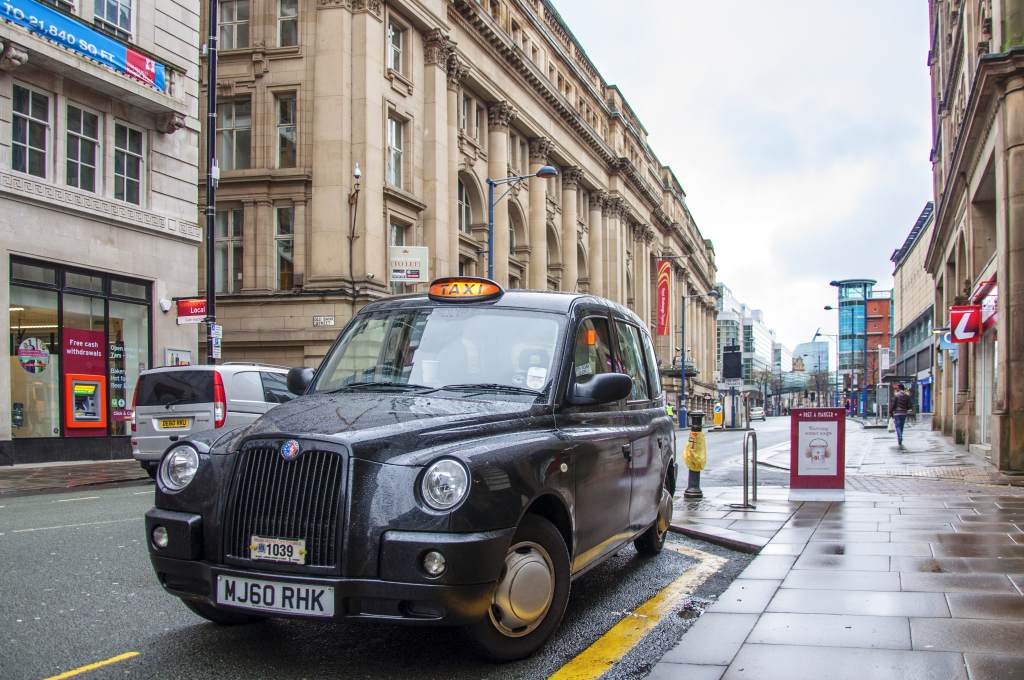
Первым британским автомобилем, в котором мне довелось проехаться по этой стране, стал знаменитый черный кеб. Просторный и высокий, избавляющий от необходимости сгибаться при посадке в три погибели и поджимать ноги под себя. Лондонский таксомотор в самом деле оказался заслуживающим своей высокой репутации. Точно так же, впрочем, как и его водитель, прируливший меня к весьма захолустному лондонскому отелю, чье название я еще и умудрилась переврать. В ответ на мой комплимент его профессионализму кебмен не без гордости заявил: «Чтобы стать лондонским таксистом, требуется учиться два года».
— Это как? — не поняла я. — Два года учиться водить машину?
— Нет, — ответил кебмен. — Учиться географии города. Таксист обязан знать едва ли не каждую улицу, а то и каждый дом.
И он сказал правду. Не в том смысле, что в Англии существуют специальные курсы «топографии» для таксистов, а в том, что в столичные кебмены не возьмут без отличного знания Большого Лондона. И чтобы заполучить лицензию лондонского кебмена, которую выдает Учреждение общественных перевозок, необходимо успешно пройти тест, именуемый «Знания». А знать надо без запинки и без заглядывания в карту большинство столичных улиц и даже большинство мало-мальски значимых зданий. Не удивительно посему, что, как выяснили альбионские ученые, самые большие мозги располагаются в головах… лондонских таксистов!
Одних мозгов, однако, недостаточно. Нужны чистые, не замаранные более чем восемью штрафными очками водительские права с трехлетним стажем. У соискателя таксистской лицензии не должно быть судимости. Наконец, не должно быть и серьезных проблем со здоровьем. Как правило, кебмен — это таксист-одиночка, получивший лицензию и работающий самостоятельно. Он может либо купить черный кеб, либо взять его в аренду.
В Лондоне существуют, однако, два принципиально разных типа такси. Черные кебы (сегодня, кстати, и белые, и раскрашенные во все цвета радуги рекламой) — и мини-кебы. Черные кебы — это привилегированные такси, которые имеют право колесить по городу и подсаживать клиента прямо на улице. Именно поэтому у этих таксомоторов на крыше возвышается светящийся оранжевый «гребешок» — что-то типа зеленого огонька российского такси. Для этих таксомоторов в городе даже выделены специальные полосы движения, на которые разрешено заезжать, помимо черных кебов, только общественному транспорту. Черными кебами могут служить только определенные модели автомобилей. Например, LTI, Peugeot 7, Fiat, Volkswagen, Metrocab и Mercedes-Benz. Сегодня по Лондону колесит 21 тысяча черных кебов.
А вот мини-кебом может служить автомобиль любой марки. Это такси, которые, кроме бумажной наклейки на стекле, не имеют никаких опознавательных знаков и дорожных привилегий, не могут поджидать пассажиров на специальных стоянках и не могут искать их на улицах. Мини-кебы требуется заказывать заранее — по телефону или по онлайну через одну из многочисленных «мини-кебских» компаний столицы. Цены у мини-кебщиков, как правило, подешевле. Зато и получить лицензию водителя мини-кеба значительно проще, чем лицензию на черный кеб.
Между тем технические требования к такси обоих родов в Британии одинаковы: автомобили должны соответствовать всем нормативам, установленным министерством транспорта. Поэтому все авто, чей возраст старше трех лет проходят ежегодный тест. Для такси исключений не делается. Наконец, о ценах. Расценки установлены столичным управлением транспорта. Минимальная плата за проезд в черном кебе — 2 фунта 20 пенсов — это даже если пассажир проехал всего 100 метров.
Цены варьируются в зависимости от времени суток. Ночью, в выходные и праздничные дни тариф повышается. Так, расстояние в шесть миль в будние дни с 6 утра до 20.00 будет стоить, в зависимости от времени в пути, от 21 до 27 фунтов стерлингов. Это же расстояние в будние дни в период между 20.00 и 22.00 будет стоить от 26 до 29 фунтов. Столько же — в субботу и в воскресенье между 6 утра и 22.00. А в ночное время и в праздничные дни тариф составит от 26 до 31 фунта. Есть, однако, одна постоянная величина — тариф на проезд между аэропортом Хитроу и центром Лондона. Пассажир уложится, в зависимости от расстояния и времени в пути, в сумму от 42 до 80 фунтов стерлингов.
Как стать водителем такси в Лондоне

Водители легендарных кэбов проходят строжайший отбор во время получения лицензии. Учеба длится от четырех до восьми лет, за это время, как доказали ученые, у студентов происходят необратимые изменения мозга из-за необходимости держать в голове карту.
В Лондоне профессия таксиста признана престижной и интеллектуальной: чтобы стать водителем черного кэба, надо выучить названия улиц и историю города. Программа почти университетская — от четырех до восьми лет обучения, а затем сложные экзамены. Как убедился корреспондент НТВ Антон Вольский, среди желающих получить заветный жетон, , есть и выходцы из России.
Каждый будущий таксист сначала садится на мопед — это часть обучения искусству вождения кэба. Великобритания — единственная страна в мире, где на таксиста надо учиться четыре года Металлический жетон, позволяющий быть водителем легендарного черного кэба, стоит 10 тысяч фунтов — полмиллиона рублей.
Дерек О’Райли, преподаватель: «Семь студентов из десяти бросают учебу. По сути, мы ничем не отличаемся от колледжа. Процесс обучения нередко растягивается на шесть или даже восемь лет».
По площади Лондон почти в два раза больше Москвы, а запомнить надо каждую улицу — 25 тысяч названий. На экзамене требуют по памяти проложить маршрут, назвав все дороги, которые встретятся на пути, причем вспомнить надо не только названия улиц, но и что на них находится. Кроме этого, от лондонского таксиста требуют британской сдержанности. Экзаменатор проверяет выдержку будущего таксиста, ведь «клиент всегда прав».
Дмитрий Смирнов, водитель кэба: «Экзаменатор начинает стучать по столу: „Ну, и что ты встал, что ты сел, что ты вообще сюда пришел? Почему рубашка такая белая, когда мне нравятся черные?“ Люди выходят с экзаменов, они даже забывают свое имя или где живут».
Ученые доказали, что у лондонских таксистов происходят необратимые изменения в мозге — увеличивается объем серого вещества. Это — следствие вызубривания огромного количества информации.
У водителей кэбов под стеклом никогда не увидишь GPS-навигатора, поскольку пользоваться ими таксисты считают ниже собственного достоинства. Все улицы они должны знать наизусть. От водителя лондонского такси никогда не услышишь привычное «Дорогу покажешь?». Вместо этого они всегда расскажут о достопримечательностях, мимо которых пролегает маршрут, или поделятся всеми местными новостями.
Водитель кэба: «Мы можем рассказать, как работают музеи или в каком пабе подают лучшие бургеры. Да и пассажиры охотно болтают с таксистами, уже через пять минут они расскажут вам все свои секреты».
Количество такси в Англии не регулируется государством, поэтому в Лондоне их больше, чем в других городах, — более 20 тысяч. Британский кэб — это малый бизнес. Никаких таксопарков, водитель кэба — частный предприниматель, вложивший в дело немалые деньги.
Черный кэб — один из символов Великобритании. Уже 40 лет на местном заводе не производят ничего, кроме такси. Крыша машины по-прежнему делается высокой, чтобы в салоне можно было сидеть в цилиндре.
Питер Шилкок, директор завода: «Наша машина держит цену не хуже Porsche. Даже после нескольких лет интенсивной эксплуатации кэб все равно остается привлекателен. Не каждый автомобиль выдержит такой износ. Бывает, за год таксисты наезжают по 140 тысяч километров».
Источник: http://www.ntv.ru
Навигация по записям
Около года назад, ехал я в лондонском такси за рулем которого был бывший земляк из Литвы. Когда я с неуместной иронией (как ему показалось) сказал что-то о таксистском ремесле, он мне обрисовал кратко все усилия и экзамены ведущие к получению лицензии лондонского таксиста. Выглядело это значительно суровее, чем все сопроматы, физики твердого тела и термехи, которые приходолось когда -то проходить, что и породило у меня сомнение в абсолютной правдивости его слов.
Однако намедни, перелистывая свои годичной давности записи, я решил проверить слова таксиста. И что вы думаете — реальность подготовки лондонского таксиста оказалась существенно кошмарнее рассказанного им. И я решил поделится узнаными с вами для вашего reading pleasure, что называется.
Вот как это выглядит.
Всяк, кто решился воплотить в жизнь мечту стать «a certified taxi operator” в Лондоне, должен прежде всего сдать экзамен, который простенько так называется «Знание» (Knowledge), в отношении трудности которого все сходятся в том, что она чрезвычайна и лежит либо на пределе человеческих возможностей, либо слегка уже за ним. Экзаменуемый должен для начала знать во всех деталях 25 тысяч (!) лондонских улиц находящихся внутри 10-километрового радиуса от вокзала Charing Cross. Вдобавок, он должен знать напамять как «Отче Наш» (или ещё лучше) местонахождение всех клубов, больниц, отелей, парков, театров, школ, ресторанов, правительственных учреждений и церквей всех конфессий. Официальный вебсайт этого экзамена — вот он
http://www.tfl.gov.uk/businessandpartne … /1412.aspx
ободряет, что подготовка к нему (и это научно доказано) способствует увеличению головного мозга — особенно хиппокампуса, отвечающего за память, Другое исследование выяснило, что в старости лондонские таксисты страдают болезнями Альвгеймера, Паркинсона и старческим слабоумием достоверно статистически реже чем остальное население.
Теперь глубоко вздохните, т.к. я должен вам сообщить, что подготовка к сдаче этого экзамена составляет от 2 до 4 лет — в среднем управляются за 3 года. Таксисты-кандидаты проводят это время колеся по утрам на велосипеде по каждой из входящих в экзамен 25 тыщ улиц с картой на планшете тщатся запомнить все односторонние улицы, пешеходные тупики и круговые и другие развязки. Они объединяются в тренировочные группы по двое-трое и каждый вечер, как мусульмане в медресе или евреи в хедере, проверят друг друг на знание всех объезженных в этот день улиц — их односторонности, тупиковости, сочлененности и т.д. и т.п. За этими интересными занятиями три года пролетают стремглав и наступает волнующая пора экзаменов. Которые, тоже, отнюдь далеко не подарок.
Проходят эти экзамены без излишней спешки и суеты и занимают где-то шесть (!) месяцев. Они состоят из пяти-шести разных тестов, проверок и экзаменов, начиная от проверки внешнего вида (да-да, есть особые регуляции по бороде и усам, и.п.), письменного и устного экзаменов и сдачи вождения. На устном экзамене, к примеру, надо описать по памяти весь свой маршрут с названиями улиц от начала до конца и обратно (т.к. многие улицы одностороннии) и рассказами о достопримечатльностях, магазинах и учреждениях, которые лежет по пути.
Узнав обо всем этом, я, во-первых, засовестился своему прошлогоднему сомнению в словох Альгирдаса, а, во-вторых, порадовался, что судьба не угораздила меня родиться лондонским кэбби, но и, в-третьих, огорчился, что тренировочная подготовка к защите от Альцгеймера и слабоумия у меня на нулях. Но не все пропало! Кто захочет маленько подтянуть свой может поиграть вот в эту игру
www.mousebreaker.com/games/londoncabbielearner/playgame
или вот эту
http://www.thebestracinggames.com/allra … abbie.html
и преставить себя заправким лондонским таксёром.
Так что в следующий раз, когда буду оставлять лондонскому кэбби на чай — рекомендуют от 10 до 15% — буду давать по верхней, они это заслужили. И вам того же желаю!
Стать водителем черного кэба престижно, прибыльно и непросто. Лондонский тест для таксистов — самый сложный в мире. Чтобы получить разрешение, кандидату в кэбмены необходимо сдать сложный экзамен.
Главное требование — уметь без навигатора найти любой адрес в границах Большого Лондона. Всего нужно изучить и запомнить 320 основных маршрутов, местонахождение всех достопримечательностей и городских учреждений.
Подготовка к экзамену занимает три года. С первой попытки сдать тест удается лишь 5% водителей. Правда, потом усилия легко окупаются: кэбмен может зарабатывать до 75 тысяч фунтов в год.
Лицензия на вождение кэба выдается на три года и дает ряд преимуществ перед обычным такси: только кэбменам разрешено подбирать клиентов на улице. Для этого человеку достаточно поднять руку или свистнуть. И только черным кэбам можно пользоваться на дороге выделенными полосами для общественного транспорта, так что они легко минуют любые пробки.
Несмотря на дороговизну, кэбы пользуются большой популярностью, особенно у туристов: ведь каждый кэбмен, помимо прочего, сдает экзамен по истории Лондона, так что по дороге запросто может выступить в роли гида.