
Представлено сочинение на английском языке Культура/ Culture с переводом на русский язык.
| Culture | Культура |
| In the modern world people are judged not only by what they do but how they do it. Life in the society is impossible without everyday contacts and meetings, so all relationships depend on the way people behave and treat each other. Human relations and communication skills are important. | В современном мире людей судят не только по тому, что они делают, но как они это делают. Жизнь в обществе невозможна без повседневных контактов и встреч, так что отношения зависят от того, как люди ведут себя и относятся друг к другу. Человеческие отношения и коммуникативные навыки важны. |
| That’s why along with education, people should develop cultural issues. The word “culture” has many meanings. One of the most common explanations refers to the spiritual and material achievements of the humanity. | Вот почему наряду с образованием, люди должны развивать в себе и навыки культуры. Слово «культура» имеет много значений. Одно из самых распространенных объяснений относит его к духовным и материальным достижениям человечества. |
| There are many types of culture. For example, folk culture, popular culture, corporate culture, elite culture, etc. They are all closely connected. Folk or national culture is like a habit of people. It is the everyday life and routine of certain group of people. Elite culture is well-developed and many-sided. It is the attitude towards art, architecture, theatre, music, literature. Popular or mass culture gives people standards to be what they like. It is especially suitable for young people. Corporate culture is collective beliefs and value systems of a certain company. | Различают много типов культуры. Например, народная культура, массовая культура, корпоративная культура, элитарная культура и т.д. Они все тесно взаимосвязаны. Народная или национальная культура как привычка людей. Это повседневная жизнь и рутина определенной группы людей. Элитный тип культуры хорошо развит и многогранен. Это отношение к искусству, архитектуре, театру, музыке, литературе. Популярная или массовая культура задает людям стандарты того, что им нравится. В особенности это относится к молодежи. Корпоративная культура – это коллективные убеждения и система ценностей определенной компании. |
| Thus, all types of culture require certain model of behavior or set of rules for social conduct. However, one thing is common for all people. It’s politeness – the most important sign of any culture. It’s not only saying “Excuse me”, “Sorry”, “Good morning”, “Bless you”. Politeness is something that should be developed in every sphere of life. For example, greeting people you know in the street, wishing your friend a nice day, offering a seat to old people – these are all signs of politeness. | Таким образом, все типы культуры требуют определенной модели поведения или ряда правил социального поведения. Тем не менее, одно является общим для всех людей. Это вежливость – самый важный признак любой культуры. Это не только слова «простите», «извините», «доброе утро», «будьте здоровы». Вежливость это то, что должно проявляться во всех сферах жизни. Например, приветствовать знакомых на улице, желать другу хорошего дня, уступать место старшим – все это признаки вежливости. |
| So, living a civilized life in accordance with culture isn’t as difficult as it might seem. | Как видно, жить цивилизованной жизнью в соответствии с культурой не так сложно, как кажется. |
Обновлено: 12.03.2023
A nation is a group of people who share common history and usually a language and usually, but not always, live in the same area. Culture can be described as our everyday life: how we communicate, what makes us happy and sad. It also includes our language, religion, traditions, behavior, way of life – in other words, what we do each day. People that belong to various nations may differ and they always differ from one another.
For example, the Germans are regarded as scientifically-minded and industrious, they’re always considered solid, intelligent and mathematical. And, for instance, Israeli are believed to be mercenary, industrious, shrewd, loyal to family, religious.
There is a big amount of examples we can list about national character of different people. Proving the difference of the national stereotypes I want to compare Russian and English nations. There are a lot of features that vary.
The Russians are industrious, tough, brave, progressive and suspicious. They are always considered to be nationalistic, over — patriotic (because of this reason they’re good soldiers), we are willing to respect opinion of other people.
Speaking about Englishmen I may note that they’re reserved, tradition-loving, courteous, honest, extremely nationalistic and etc. To my mind, they have a specific sense of humor. They say that they can’t understand our jokes and anecdotes not only because of the different meanings of the words, but because of their humor is more delicate.
Looking at these features of the Russians and the Englishmen it is not hard to mark out the differences. The Englishmen are reserved, but the Russians are open-hearted and communicative. The Englishmen are tradition-loving and the Russians, to my mind, don’t keep their traditions in such a degree.
There is a great majority of factors that influence the nations stereotype and its people’s character. People that live in the southern countries have less problems than those who live in the North and because of this they’re more cheerful and artistic.
The history also has a great influence on the national character. The peoples in Asia are revengeful because their forefathers often were at war with others. In Africa many countries were colonies of the Great Britain, Holland, Spain and so on and they (Africans) were the slaves and because of this they’re still hard-working and industrious.
The National Character exists. It is not a myth, it’s a reality. But the National Character doesn’t describe the character of every person, it describes the character of people of nation in general. Every person has its own character, but according to the person’s belonging to some nation many traits of character are similar and these features may be explained as the national character.
There are many cultures now and they are all different. Some of them are very archaic, others are considered to be rather new. Anyway, each culture is abundant. However, all cultures differ from each other. Some of them seem to be similar, others don’t correspond at all.
Let’s take, for example, Italian and Russian cultures and compare them. On the one hand, they may seem a little bit close to each other as people in both countries tend to be open and careless sometimes. It is a result of the cultural effect and mentality.
On the other hand, Italian culture pays much attention to food and to a sort of rite of eating. They have a lot of unspoken rules which are respected by native people. For instance, the Italians do great coffee and drink it a lot as well. However, they don’t drink all kinds of coffee during the day. Cappuccino, a famous type of coffee beverage, can be drunk only from 8:30 to 10:30.
Moreover, in Italy people tend to eat at the same time. Almost everyone has lunch at 12-13 no matter where they are at that moment. In Russian culture, there are not such limits or strict rules that most people follow. There is hardly a food culture in Russia. People usually eat what they like and when they like.
As for literature and art, Russia and Italy have a significant difference in this sense. The reason for this is that Russian and Italian cultures were generated in different historical circumstances. History has a profound effect on culture and human mentality, that’s why art is always a reflection not only of the author’s identity but also of the history.
Перевод:
На сегодняшний день существует много культур, и все они разные. Некоторые из них очень древние, другие считаются довольно новыми. Как бы то ни было, каждая культура богата. Однако все культуры отличаются друг от друга. Некоторые из них кажутся похожими, другие – вовсе не совпадают.
Возьмем, к примеру, итальянскую и русскую культуры и сравним их. С одной стороны, они могут показаться немного близкими друг другу, так как люди в обеих странах, как правило, открыты и иногда легкомысленны. Это результат культурного воздействия и менталитета.
С другой стороны, итальянская культура уделяет значительное внимание еде и своего рода ритуалу приема пищи. У них есть много негласных правил, которые соблюдаются коренным населением. Например, итальянцы делают великолепный кофе и также много его пьют. Однако они не пьют все виды кофе в течение дня. Капучино, знаменитый вид кофейного напитка, можно пить только с 8:30 до 10:30.
Более того, в Италии люди обычно едят в одно и то же время. Почти все обедают в 12-13, неважно, где они находятся в этот момент. В русской культуре не существует таких ограничений или строгих правил, которым следует большинство людей. В России едва ли есть культура еды. Люди обычно едят то, что им нравится и когда им нравится.
Что касается литературы и искусства, то в этом плане Россия и Италия сильно различаются. Причиной тому является то, что русская и итальянская культуры были сформированы при различных исторических обстоятельствах. История оказывает значительное влияние на культуру и менталитет людей, поэтому искусство – всегда отражение не только личности автора, но также истории.
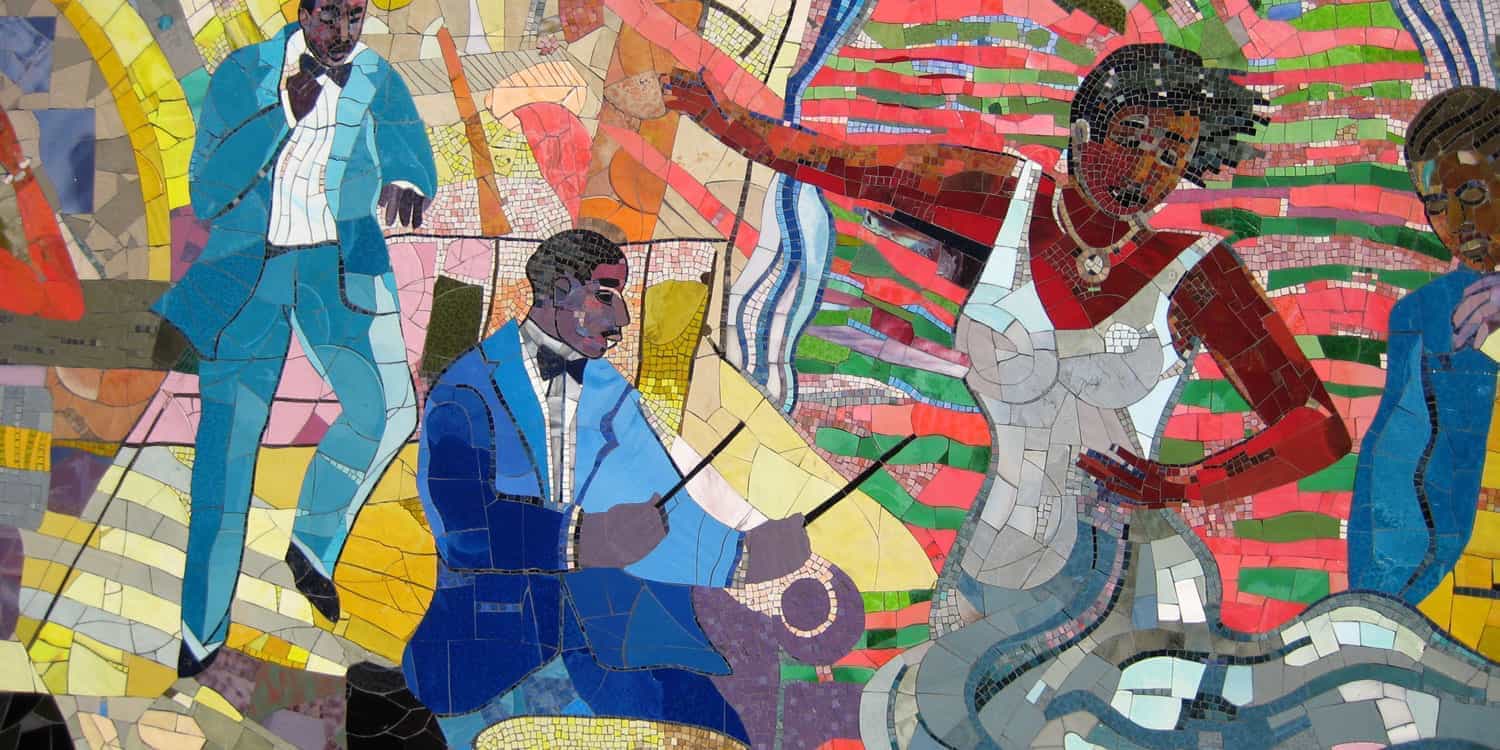
The Oxford Advancer Learner’s Dictionary of Current English by Hornby gives us the following definition of the notion «art». «»Art» is the creation or expression of what is beautiful, especially in visual form. Drawing, painting, sculpture, architecture, literature, music, ballet belong to the fine art».
Really when something is extremely beautiful or has great cultural value, we say: «It’s art». Art has always been occupation for the few, but has been admired by many. Art reflects feelings and emotions, brings delight and admiration, and makes life pure as it wakens our best hidden qualities. Speaking about arts, we connect this notion with culture. According to the dictionary culture of a community or nation includes all the arts, beliefs and social institutions characteristic of a community or nation. We can speak about either material, or spiritual culture. Art is both.
Russia is a country that can rightfully boast its artistic and cultural traditions, its art galleries attract huge crowds of tourists from all over the world. St. Petersburg is a precious stone in the crown of Russian cities. The Hermitage is famous all over the world for its valuable rare collections of canvases and other art objects covering a span of about seven hundreds years and comprising masterpieces of by Leonardo da Vinci, Titian, Raphael, Rembrandt, and Rubens. The collections illustrate the art of Italy, Spain, Holland, Germany, France, Britain, and Sweden. The West — European Department also includes a fine collection of European Sculpture. People come to admire the collections of tapestry, precious textiles, weapons, ivory, pottery, porcelain and furniture as well.
The Tretyakov Gallery in Moscow, the Russian Museum should be mentioned by all means. This picture gallery was founded by a Russian merchant and a connoisseur of art Pavel Tretyakov in the 19th century. He was especially fond of the works of Peredvizhniki or Wanders- the artists who belonged to the Society of Travelling Art Exhibitions such as Kramskoy, Perov, Ghe and other great Russian painters. The Tretyakov Gallery reflects the whole history of Russian Art. It has a rich collection of early Russian painting including famous icon. The world famous «The Trinity» by Andrey Rublev is exhibited in the gallery.
Speaking about art one should not forget about music, especially classic music. Outstanding Russian composers make the whole world admire their music. One can find a man, who does not know Pyotr Ilyich Tchaicovsky, Michail Glinka, Nikolai Rimsky-Korsakov — the prominent composers of 19th century, and Sergey Rachmaninov, Sergey Prokofiev and Dmitriy Shostakovich.
It was Glinka (1804-1857) who laid the foundation for modern Russian music; his music expressed the temperament of Russian people. His two best known operas «Ivan Susanin» and «Ruslan and Ludmila» were based on Russian folklore and historical legends.
The most famous ballets «Swan Lake», «The Sleeping Beauty», «The Nutcracker» and not less famous operas «The Queen of Spades», «Eugene Onegin» are still excellently staged and performed not only in Russian but in many greatest theatres in the world.
Russia is world famous for its literature. The «golden age» of Russian literature began in the 19th century when such outstanding masters of letters such as Alexander Pushkin, Lermontov, Gogol, Turgenev, and Dostoyevsky created their immortal masterpieces.
Alexander Pushkin, the father of Russian Literature was the authors of more than 700 lyrical poems. He wrote also the volumes of dramatic works, short stories, made adaptations of Russian fairy-tales.
Russia is famous for its architecture. The real jewel of architecture is the Moscow Kremlin with its cathedrals, towers and red brick walls. Just outside the Kremlin walls stands St. Basil’s Cathedral, one of the world most astonishing buildings with 8 domes of different designs and colors.
St. Petersburg has great number of real masterpieces of architecture of different styles and is definitely worth visiting and being admired.
Russia is rich also in young talents, new Russian culture is forming. It will appear on the basis of the old one, but its essence will be new. We can hear new voices in music and poetry, new canvases of modern artists, great actors and film directors.
Здесь Вы можете ознакомиться и скачать Human culture.
Если материал и наш сайт сочинений Вам понравились — поделитесь им с друзьями с помощью социальных кнопок!

Human culture is a complex and multifaceted phenomenon, and literature is an integral part of it. Can we imagine a world without books? No, because so many important functions are performed by the book!
«How good it is to be able to read!» — this line from a children’s poem very accurately describes my own attitude to books. Indeed, from the very childhood they lead us through life, opening on their pages extraordinary and unexplored worlds and secrets of the universe, raising important moral problems and offering models of behavior in real life, bringing us to the experience of many generations preserved in books.
One of the most important functions of the book is educational. Every day we make a difficult choice between good and evil. And most clearly the problem of moral choice is reflected in works about the war, because war is the litmus test for human characters. Noteworthy in this respect is the story of Vasil Bykov «Sotnikov». The work is based on the contrast of the images of two heroes.
Fisherman and Sotnikov are partisans captured by the police. They have to choose between death and service to the enemy. Sotnikov preferred death, showing his moral strength. The fisherman succumbed to the temptation. With the thought that he will fight for his life, that he can then escape from the fascists and return to the partisans, Rybak agrees to serve the occupiers. However, there is no way back from this system. From this story we understand: you need to know the consequences of your choice and be responsible for your actions. It is no accident that the story is used as a form of work. Small genres (story, story) became especially popular among Soviet writers in the military and post-war years, since they allowed the most accurate transmission of the main message of the work. Поступаете в 2019 году? Наша команда поможет с экономить Ваше время и нервы: подберем направления и вузы (по Вашим предпочтениям и рекомендациям экспертов);оформим заявления (Вам останется только подписать);подадим заявления в вузы России (онлайн, электронной почтой, курьером);мониторим конкурсные списки (автоматизируем отслеживание и анализ Ваших позиций);подскажем когда и куда подать оригинал (оценим шансы и определим оптимальный вариант).Доверьте рутину профессионалам – подробнее.
The images, recreated in the military and post-war years, have become a model of behavior for many subsequent generations.
Another important role of books is the transfer of the experience of ancestors, the preservation of history and the upbringing of patriotism. F. Abramov said: «The people die when it becomes a population, and the population becomes it when it forgets its history.» About the events of the Patriotic War is told in the work of M.Yu. Lermontov «Borodino». The simple vocabulary of the old soldier, on whose behalf the narrative is being conducted, his precise and precise remarks immerse us in the atmosphere of the event. «The French moved like clouds.» One comparison, and the reader from the twenty-first century is transferred to the nineteenth. A picture of the battle clearly stands before him. «Bogatyri — not you!» — Our ancestors seem to us like that. We feel pride in the great past of the Fatherland. Is not this a real miracle in the book? Overcoming space and time, we are able to use it to be in the epicenter of any event.
Here we come to the function of a book in which it can not be replaced by any other means. There are people who believe that in the age of modern technology, books can be replaced with films, comics, and books have already lost relevance. But only a book can give such an extraordinary will to man’s imagination and imagination! Only the book will allow you to create your own image of the described events, most fully empathize with the feelings of the author, plunging into an imaginary world. Let us recall the poem by SA Esenin, «the poet of a log cabin». The lovely image of the «white» birch, so lovingly described by him, even far from home, will fill the soul with warm memories; thanks to beautiful epithets of comparisons («prinakryvalsya snow, as silver»), it becomes possible.
In addition, books are necessary for their authors, because their works are an expression of their own feelings, an attempt to share their observations and reflections with others. So, for example, V.Kondratiev became a writer, because he did not find in the books of other authors «his own war», such as he saw it himself, fighting for his Motherland. The story of V. Kondratiev «Sashka» is largely autobiographical, as the author also participated in battles near Rzhev.
The role of books in the life of a person is great, it is difficult to overestimate it. Therefore, we must protect books and develop a love of reading. What will humanity be without books? The world where books are banned, described in the work «Four hundred and fifty-one degrees Fahrenheit» science fiction writer Ray Bradbury. Where books are replaced by television walls, and the availability of knowledge and opinion is equated with crime, the human person can not grow and develop.
Читайте также:
- Антонимы и синонимы сочинение антонимы и синонимы
- Сочинение на тему дирижер
- Традиции чехова и самобытность драмы горького на дне сочинение
- Словесная живопись в поэтическом тексте сочинение
- Сочинение без зачеркиваний и помарок 8 букв
| На английском языке | Перевод на русский язык |
| Culture | Культура |
| In the modern world people are judged not only by what they do but how they do it. Life in the society is impossible without everyday contacts and meetings, so all relationships depend on the way people behave and treat each other. Human relations and communication skills are important. That’s why along with education, people should develop cultural issues. The word “culture” has many meanings. One of the most common explanations refers to the spiritual and material achievements of the humanity. There are many types of culture. For example, folk culture, popular culture, corporate culture, elite culture, etc. They are all closely connected. Folk or national culture is like a habit of people. It is the everyday life and routine of certain group of people. Elite culture is well-developed and many-sided. It is the attitude towards art, architecture, theatre, music, literature. Popular or mass culture gives people standards to be what they like. It is especially suitable for young people. Corporate culture is collective beliefs and value systems of a certain company. Thus, all types of culture require certain model of behavior or set of rules for social conduct. However, one thing is common for all people. It’s politeness – the most important sign of any culture. It’s not only saying “Excuse me”, “Sorry”, “Good morning”, “Bless you”. Politeness is something that should be developed in every sphere of life. For example, greeting people you know in the street, wishing your friend a nice day, offering a seat to old people – these are all signs of politeness. So, living a civilized life in accordance with culture isn’t as difficult as it might seem. | В современном мире людей судят не только по тому, что они делают, но как они это делают. Жизнь в обществе невозможна без повседневных контактов и встреч, так что отношения зависят от того, как люди ведут себя и относятся друг к другу. Человеческие отношения и коммуникативные навыки важны. Вот почему наряду с образованием, люди должны развивать в себе и навыки культуры. Слово “культура” имеет много значений. Одно из самых распространенных объяснений относит его к духовным и материальным достижениям человечества. Различают много типов культуры. Например, народная культура, массовая культура, корпоративная культура, элитарная культура и т. д. Они все тесно взаимосвязаны. Народная или национальная культура как привычка людей. Это повседневная жизнь и рутина определенной группы людей. Элитный тип культуры хорошо развит и многогранен. Это отношение к искусству, архитектуре, театру, музыке, литературе. Популярная или массовая культура задает людям стандарты того, что им нравится. В особенности это относится к молодежи. Корпоративная культура – это коллективные убеждения и система ценностей определенной компании. Таким образом, все типы культуры требуют определенной модели поведения или ряда правил социального поведения. Тем не менее, одно является общим для всех людей. Это вежливость – самый важный признак любой культуры. Это не только слова “простите”, “извините”, “доброе утро”, “будьте здоровы”. Вежливость это то, что должно проявляться во всех сферах жизни. Например, приветствовать знакомых на улице, желать другу хорошего дня, уступать место старшим – все это признаки вежливости. Как видно, жить цивилизованной жизнью в соответствии с культурой не так сложно, как кажется. |
Культура/ Culture
Государственное
автономное профессиональное образовательное учреждение
«Черепановский
педагогический колледж»
CULTURE.
Выполнила:
Главатских Елена,
11
группа
2019
г.
Culture
is an extensive concept. Culture happens to the country, the people, and even
garden crops grow in the garden. This diversity is studied by cultural
scientists, philosophers, anthropologists, botanists and other scientists.
There are also bodybuilders – these are people who observe body culture, monitor
nutrition and regularly work out in the gym to create a relief body.
There
are many definitions, but the most general and simple: culture is what man has
created.
Scientific
approach
In
the IXI century, scientists for the first time began to distinguish between
many cultures, and this is due to the study of new tribes. At that time, it was
defined as everything that helps people communicate and better understand each
other without the help of words (music, painting, dancing, etc.).
People
from different environments may not understand each other well. In ancient
Greece, military science and art were well developed, and the traditions of
warriors were not applied to philosophers, and vice versa. The environment in
which a person grew up, what he listened to and saw, what holidays and
traditions were in his homeland, determines his culture.
Official
definition
UNESCO
in the 80s of the last century recognized the concept of culture and gave
countries recommendations on the interpretation of the concept. In 2010 , such
a definition of culture was given in Russia: this is what is inherent in a
society or a group of people, the totality of their values, traditions and
faith, which are expressed in everyday life and art.
How
culture appeared
Humanity
is about 2 million years old, but culture appeared much later.
500
thousand years ago, the culture appeared in the Neanderthals. The ancient
people lived in small groups of 30-100 people, where there were several men and
many mothers with children. They had a simple but understandable language, they
painted hunting scenes in caves, presumably in order to attract good luck, that
is, they had their own traditions. Neanderthals sewed clothes from skins,
created simple weapons and made fire. They had a primitive, but still a
culture.
40
thousand years ago, man took his final form, which today’s man has. At that
time, small tribes united, built settlements, had pets for food and protection,
cultivated plants. At this time, signs, faith, and the social system appeared.
Culture developed faster and faster with the development of cities, the first
scientists, agronomists, and philosophers appeared. It became easy for people
to get food and protect themselves from animals, everyone had their own
business.
Signs
of culture
Everyone
puts their own concept into this term, but there are several signs by which it
is possible to identify a culture and distinguish it from others:
Mass
character – it can’t be for one person;
·
It can be described through traditions,
faith, habits, values;
·
Conditioned by time, but evolving and
constantly changing;
·
It can include its own language, art,
symbols that people use to understand each other;
·
Helps people understand each other, see
positive qualities;
·
It is acquired by a person of any nationality,
since it does not carry a genetic character;
·
Inherent only to man;
·
It is impossible to study with the help of
one science, only in their totality;
·
It has boundaries, but they are blurred;
·
The phenomenon is collective, but one
person can be the bearer of culture;
·
It is impossible to measure in any way;
It
is expressed in art and in the behavior of people.
This
applies to intangible culture. There are material ones: gardening, hygiene and
body cultures. The culture of hygiene and body is a set of rules on how to eat
and carry out strength training, how much and when to brush your teeth, how and
with what to wash. Garden crops are plants that man has created and that he can
grow. Plants are garden, fruit, berry, vegetable, cereal and other crops.
 «Emma». «Эмма»
[19.09.2010]
olga
11510
13
0
 «Gone with the Wind». «Унесенные ветром»
[30.04.2010]
olga
59489
35
0
 «Romeo and Juliet».»Ромео и Джульетта»
[19.09.2010]
olga
78113
24
0
 «The Old Man and the Sea». «Старик и море»
[03.07.2012]
olga
51514
27
0
 «Titanic».»Титаник»
[19.09.2010]
olga
72040
43
0
 Albert Einstein. Альберт Эйнштейн
[26.05.2010]
olga
119246
38
0
 American Music. Американская музыка
[16.08.2010]
olga
29923
32
0
 At the Theatre. В театре
[22.04.2010]
olga
61170
27
0
 Ballet. Балет.
[01.07.2011]
olga
30524
11
0
 Cinema in Our Life. Кино в нашей жизни
[22.04.2010]
olga
90417
0
0
 Cinema In Russia. Кино в России
[26.05.2010]
olga
35534
17
0
 Cinema In Ukraine. Кино в Украине
[19.08.2010]
olga
19907
23
0
 Cinema. Кино (1)
[26.05.2010]
olga
50076
30
0
 Cinema. Кино (2)
[26.05.2010]
olga
36535
7
0
 Eliza Doolittle — My Favourite Literary Character. Элиза Дулитл — мой любимый литературный персонаж
[17.08.2010]
olga
17446
19
1
 History Of Cinematography. История кинематографа
[24.04.2010]
olga
55649
34
0
 Jane Eyre. Джейн Эйр
[16.06.2015]
olga
43942
22
1
 Lady Gaga. Лэди Гага
[15.01.2011]
olga
35752
21
0
 Leonardo DiCaprio. Леонардо Ди Каприо
[23.07.2010]
olga
99289
35
1
 Madam Tussaud’s. Музей Мадам Тюссо
[18.05.2010]
olga
119309
123
4
 Music in Great Britain. Музыка в Великобритании
[16.08.2010]
olga
49200
33
0
 Music in Our Life. Музыка в нашей жизни
[22.04.2010]
olga
107193
60
0
 My Favourite Actor (David Duchovny). Мой любимый актер (Дэвид Духовны)
[26.05.2010]
olga
21214
24
0
 My Favourite Actor (Yuriy Nikulin). Мой любимый актер (Юрий Никулин)
[20.11.2010]
olga
66975
45
3
 My Favourite Actor. (Kevin Costner). Мой любимый актер (Кевин Костнер)
[20.11.2010]
olga
44747
45
0
 My Favourite Artist (Isaac Ilyich Levitan). Мой любимый художник (Исаак Левитан)
[26.05.2010]
olga
51485
28
1
 My Favourite Artist (Valentin Serov ). Мой любимый художник (Валентин Серов)
[26.05.2010]
olga
43603
21
0
 My Favourite Composer (Mozart). Мой любимый композитор (Моцарт)
[06.05.2010]
olga
60627
61
0
 My Favourite Composers. Мои любимые композиторы
[17.08.2010]
olga
26035
32
0
 My Favourite Russian Film. Мой любимый русский фильм
[19.09.2010]
olga
58104
19
0
 My Favourite Singer (Michael Jackson). Мой любимый певец (Майкл Джексон)
[06.05.2010]
olga
174204
177
2
 My Favourite Writer (A.P. Chekhov). Мой любимый писатель (Антон Павлович Чехов)
[26.05.2010]
olga
161177
67
1
 My Favourite Writer (Agatha Christie). Мой любимый писатель (Агата Кристи)
[26.05.2010]
olga
44026
32
0
 My Favourite Writer (Alexandra Marinina). Мой любимый писатель (Александра Маринина)
[16.08.2010]
olga
12684
19
0
 My Favourite Writer (Ernest Hemingway). Мой любимый писатель (Эрнест Хемингуэй)
[26.05.2010]
olga
29269
27
1
 My Favourite Writer (William Shakespeare). Мой любимый писатель (Уильям Шекспир)
[26.05.2010]
olga
137094
59
1
Топик по английскому языку «Cultural differences»

There are many cultures now and they are all different. Some of them are very archaic, others are considered to be rather new. Anyway, each culture is abundant. However, all cultures differ from each other. Some of them seem to be similar, others don’t correspond at all.
Let’s take, for example, Italian and Russian cultures and compare them. On the one hand, they may seem a little bit close to each other as people in both countries tend to be open and careless sometimes. It is a result of the cultural effect and mentality.
On the other hand, Italian culture pays much attention to food and to a sort of rite of eating. They have a lot of unspoken rules which are respected by native people. For instance, the Italians do great coffee and drink it a lot as well. However, they don’t drink all kinds of coffee during the day. Cappuccino, a famous type of coffee beverage, can be drunk only from 8:30 to 10:30.
Moreover, in Italy people tend to eat at the same time. Almost everyone has lunch at 12-13 no matter where they are at that moment. In Russian culture, there are not such limits or strict rules that most people follow. There is hardly a food culture in Russia. People usually eat what they like and when they like.
As for literature and art, Russia and Italy have a significant difference in this sense. The reason for this is that Russian and Italian cultures were generated in different historical circumstances. History has a profound effect on culture and human mentality, that’s why art is always a reflection not only of the author’s identity but also of the history.
Перевод:
На сегодняшний день существует много культур, и все они разные. Некоторые из них очень древние, другие считаются довольно новыми. Как бы то ни было, каждая культура богата. Однако все культуры отличаются друг от друга. Некоторые из них кажутся похожими, другие – вовсе не совпадают.
Возьмем, к примеру, итальянскую и русскую культуры и сравним их. С одной стороны, они могут показаться немного близкими друг другу, так как люди в обеих странах, как правило, открыты и иногда легкомысленны. Это результат культурного воздействия и менталитета.
С другой стороны, итальянская культура уделяет значительное внимание еде и своего рода ритуалу приема пищи. У них есть много негласных правил, которые соблюдаются коренным населением. Например, итальянцы делают великолепный кофе и также много его пьют. Однако они не пьют все виды кофе в течение дня. Капучино, знаменитый вид кофейного напитка, можно пить только с 8:30 до 10:30.
Более того, в Италии люди обычно едят в одно и то же время. Почти все обедают в 12-13, неважно, где они находятся в этот момент. В русской культуре не существует таких ограничений или строгих правил, которым следует большинство людей. В России едва ли есть культура еды. Люди обычно едят то, что им нравится и когда им нравится.
Что касается литературы и искусства, то в этом плане Россия и Италия сильно различаются. Причиной тому является то, что русская и итальянская культуры были сформированы при различных исторических обстоятельствах. История оказывает значительное влияние на культуру и менталитет людей, поэтому искусство – всегда отражение не только личности автора, но также истории.
Фразы и слова:
Archaic – древний, архаичный
Abundant – богатый (чем-либо)
To correspond – совпадать, быть аналогичным
Mentality – менталитет, мировосприятие
To be generated – формироваться
Reflection – отражение
Identity – личность