
Примечание: Подробнее о разделе “Устная часть” ЕГЭ по английскому языку можно прочитать здесь.
В ЕГЭ по английскому языку в задании 2 предлагается ознакомиться с рекламным объявлением и задать пять прямых вопросов на основе ключевых слов и предложенного рекламного объявления.
Формат задания – условный диалог-расспрос.
Время на подготовку – 1.5 минуты.
Время на выполнение задания – 1 минута
Максимальный балл – 5 баллов.
На экране компьютера поочередно будут появляться каждый из пяти пунктов задания. У Вас будет всего 20 секунд, для того чтобы построить один вопрос.
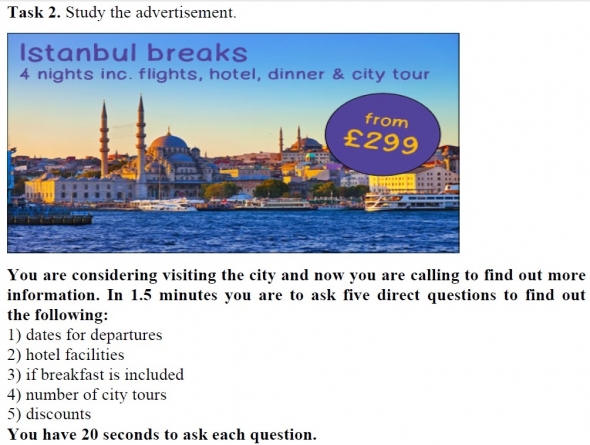
Критерии оценивания задания 2 на ЕГЭ
Максимальное количество баллов, которое можно получить в задании 2 – 5 баллов. Таким образом, если в задание просят озвучить 5 вопросов, то и оценивается каждый вопрос в 1 балл.
| 1 балл | 0 баллов |
| — вопрос по содержанию отвечает поставленной задаче; — вопрос имеет правильную грамматическую форму прямого вопроса; — возможные фонетические и лексические погрешности не затрудняют восприятия. |
— вопрос не задан, или заданный вопрос по содержанию не отвечает поставленной задаче; — И/ИЛИ вопрос не имеет правильной грамматической формы прямого вопроса; — И/ИЛИ фонетические и лексические ошибки препятствуют коммуникации. |
Обратите внимание!
Время, которое отводится за каждый вопрос достаточно для того, чтобы успеть исправить ошибку. То есть если экзаменуемый задал вопрос и понял, что допустил ошибку, то он может успеть в отведенное время задать тот же вопрос правильно. Не забывайте, оценивается один вопрос – последний из прозвучавших.
Типичные ошибки на экзамене по английскому языку в задании 2 (ЕГЭ)
Рекомендуется:
- использовать преимущественно общие и специальные вопросы;
- употреблять простое настоящее и простое будущее время активного и пассивного залога;
- в данном задание самое главное – верно задать вопрос, не надо что-то выдумывать и вспоминать сложную лексику.
- соблюдать интонацию: общий вопрос произносится с восходящей интонацией, а специальный – с нисходящей.
Не рекомендуется:
- задавать косвенные вопросы;
- задавать несколько вопросов к одному и тому же пункту:
- не забывать схему каждого типа вопроса (не путать вспомогательные вопросы, порядок слов и т.д. и т.п.)
Типы вопросов в английском языке
Умение задавать вопросы является важным при изучении английского языка. Соотвественно, чтобы выполнить данное задание на высший балл экзаменуемому, необходимо знать все типы вопросов английского языка.
Примечание: О типах вопросов в английском языке можно прочитать здесь.
Примечание: Ознакомиться с подсказками как научить ребенка составлять вопросы на английском языке.
Обратите внимание!
Не рекомендуется задавать вопрос начиная со слов “Could you tell me…”, так как ошибочно можно задать не вопрос, а сказать просьбу. Например,
Could you tell me price? – это просьба (ошибка!)
Could you tell me how many
Напоминание!
Не забывай про интонацию в вопросительных предложениях. Интонация должна повышаться в общем вопросе и понижаться в специальном.
Клише для успешной сдачи задания 2 в устной части ЕГЭ по английскому языку
Предлагаем несколько таблиц наиболее часто встречающихся вопросов (клише и шаблоны вопросов на разные темы). Для себя вы можете выбрать тот вариант, который наиболее удобный для обучения.
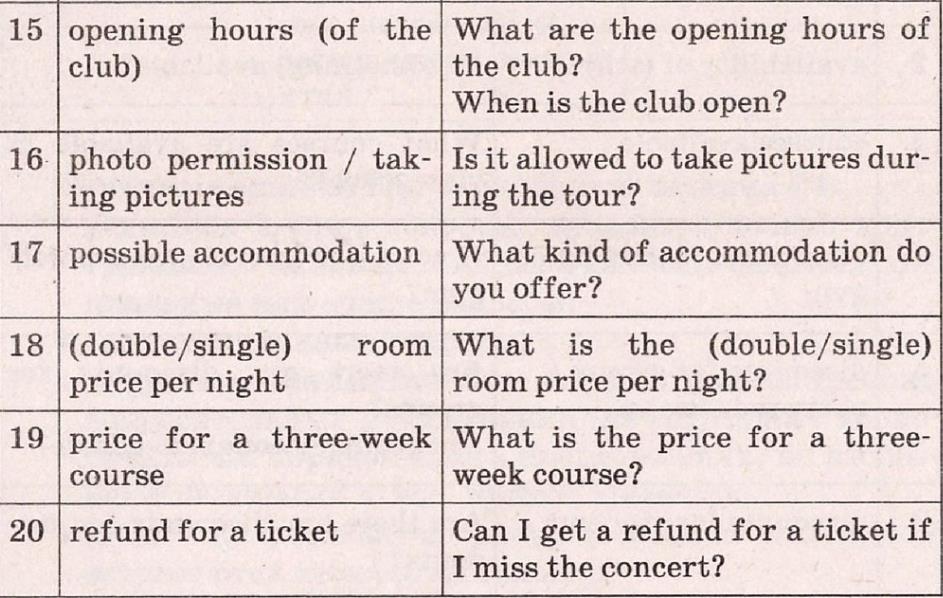
Вариант 1. Клише для задания 2 в части “Говорение” по английскому языку
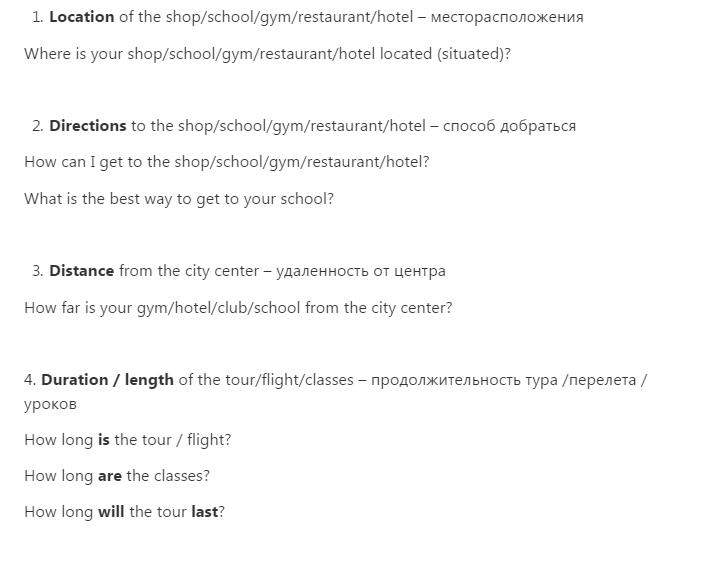
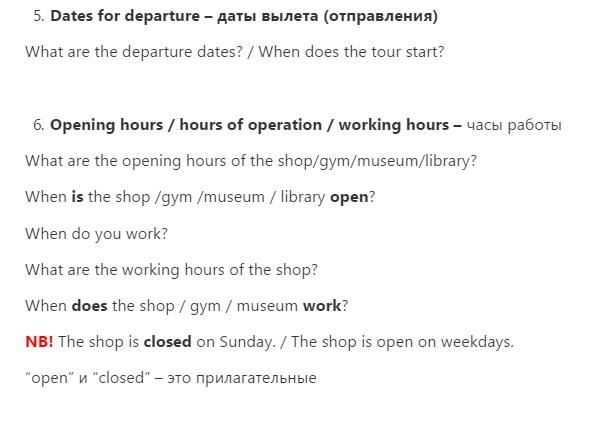
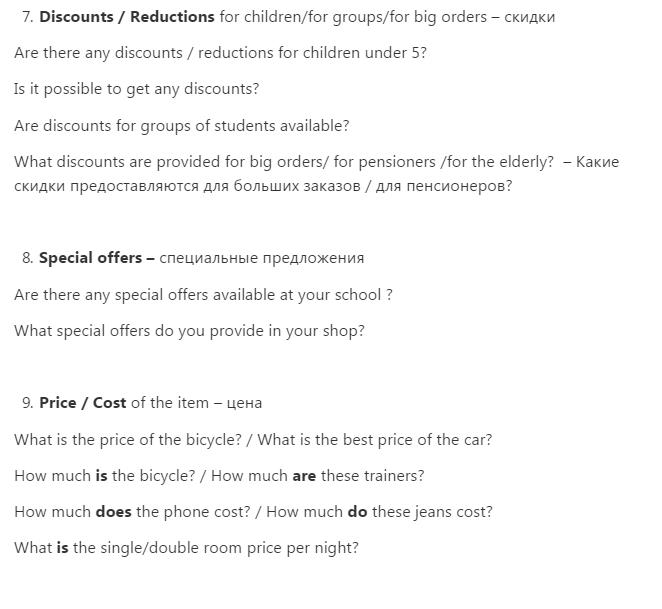
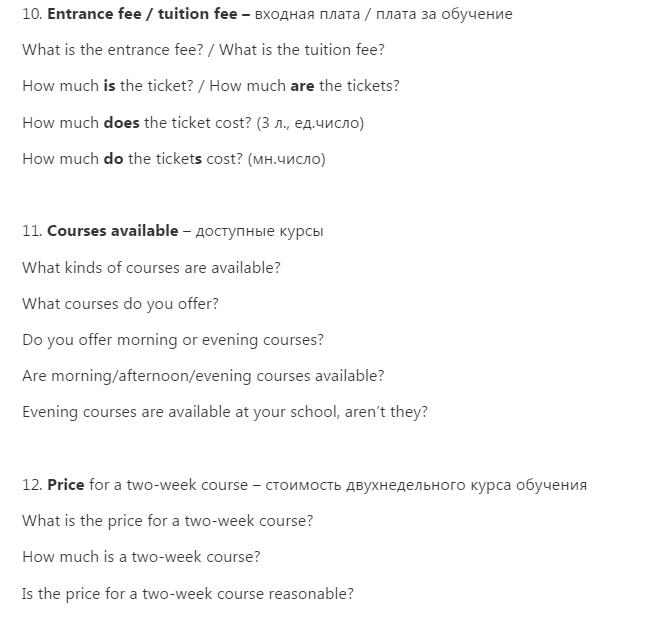
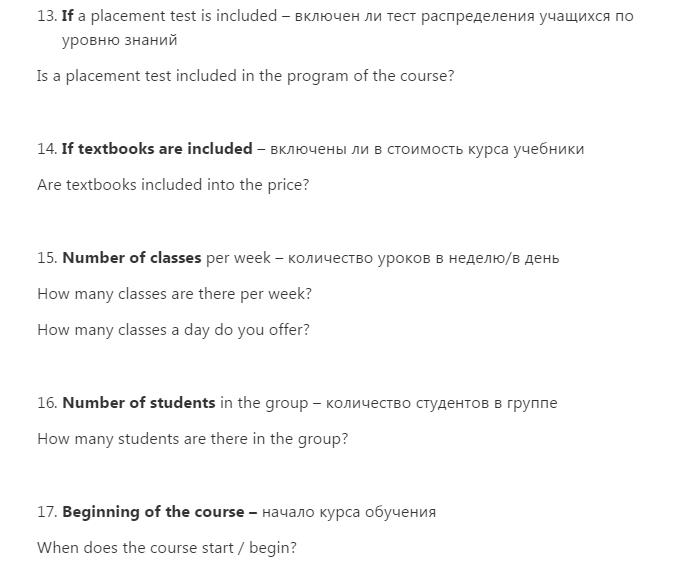
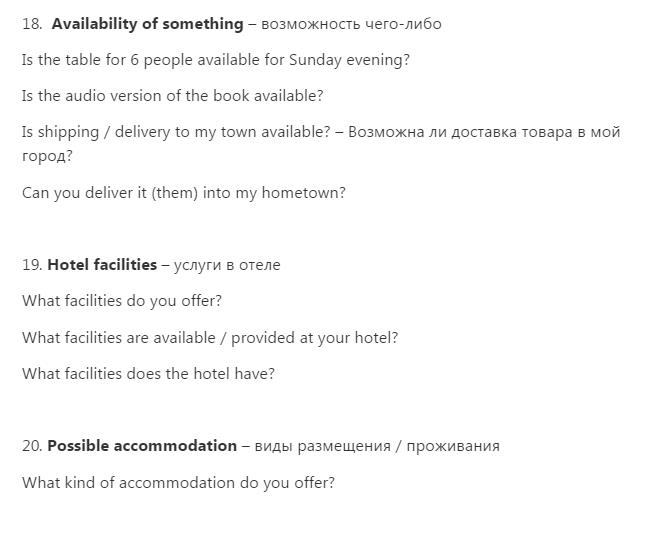
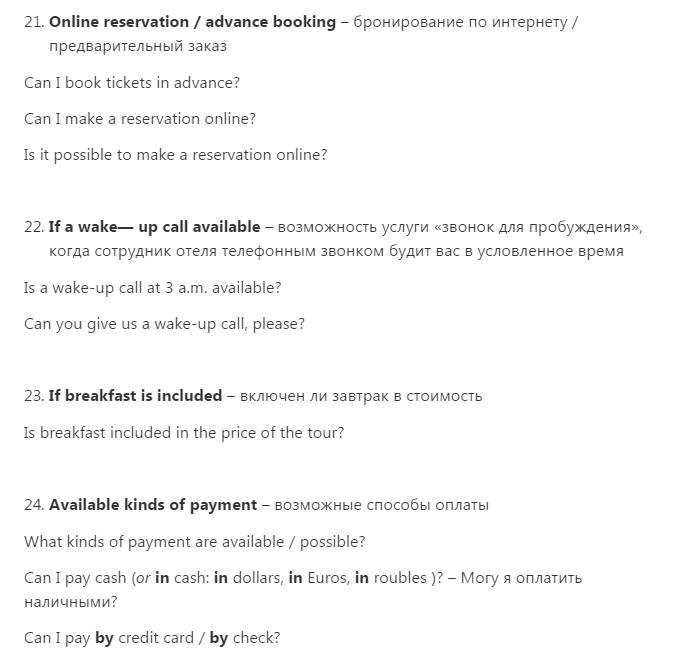
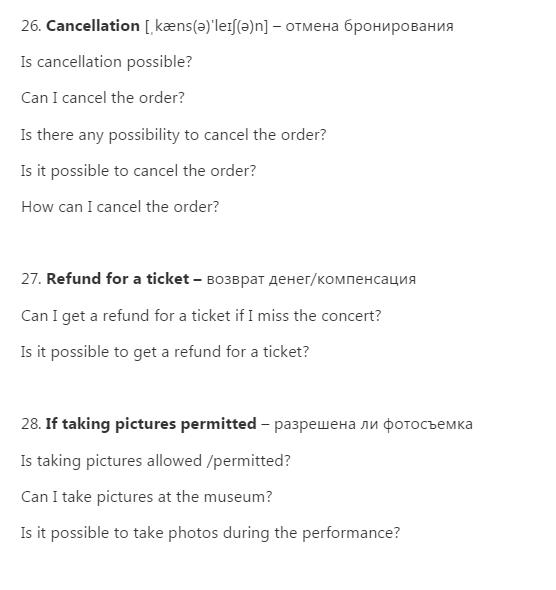
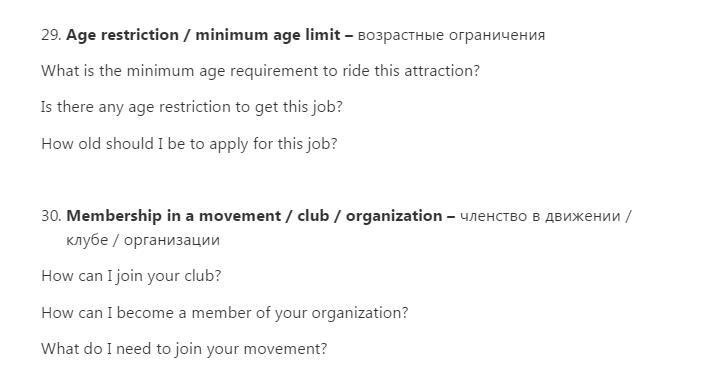 31. Recommendations – рекомендации.
Do you have any recommendations?
32. Services that they provide during the trip – обслуживание, которое они предоставляют во время поездки.
What services do you provide during the trip?
33. Tours that they have – Туры, которые имеются.
How many tours do you have?
34. Free Wi-Fi / website.
Is there access to free Wi-Fi?
Is there a website of your shop?
35. Functions of the device / advantages of the device
What functions does that device have?
What advantages does that device have?
36.
Вариант 2. Таблицы для задания 2 в части “Говорение” по английскому языку
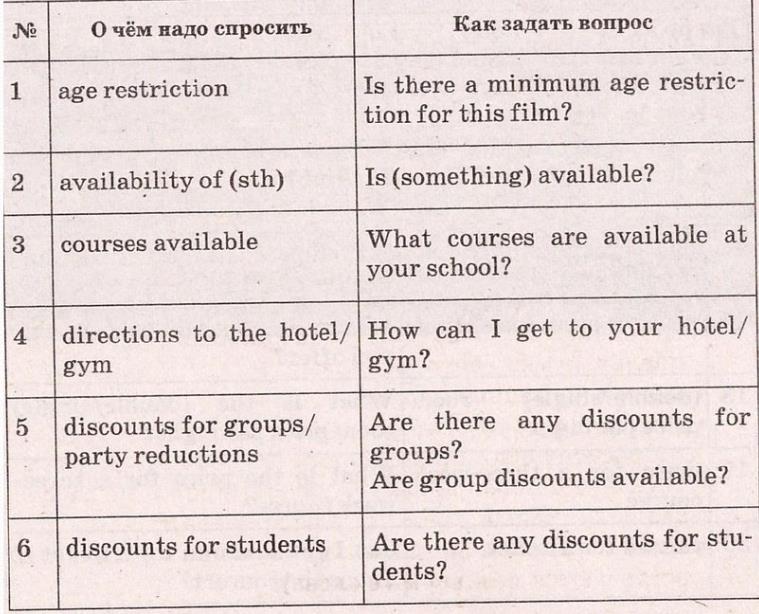
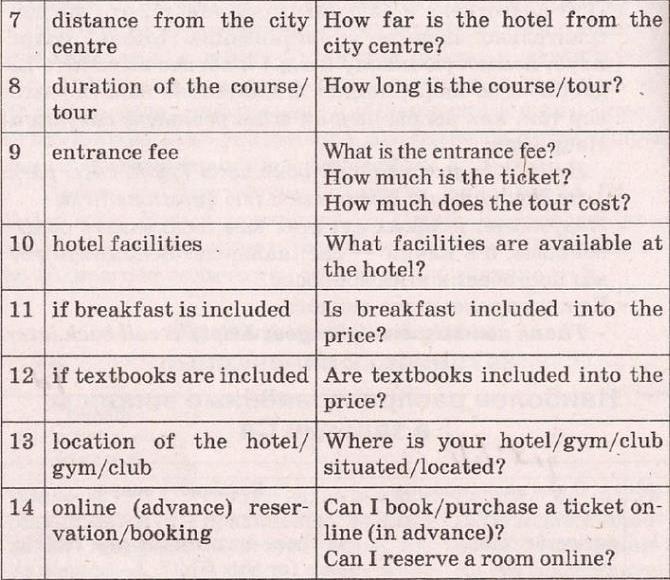
I have taught TOEFL in MOSCOW for more than 11 years. I have learned many tips and techniques about how to earn a high TOEFL score. One of the most difficult parts in every TOELF test is its speaking part. It consists of 6 questions. It is not enough just to speak English well to get the maximum points possible on the test.

Обучаю разговорному английскому. Помогу Вам подготовиться к TOEFL или ЕГЭ.
За полгода вывожу ученика начального уровня на уровень уверенного общения, свободного выражения своих мыслей. Специализируюсь на экспресс-методах обучения.

Вслед за разбором 1 задания устной части ЕГЭ переходим к диалогу-расспросу с устной опорой, который по странному стечению обстоятельств легче второго задания устной части ОГЭ.
Легенда гласит, что вы увидели какое-то рекламное объявление и хотите уточнить информацию по предложенным в рекламе пунктам:

Реклама может быть всякая – курсы иностранного языка, туристические достопримечательности, места отдыха, города, круизы, спортивные центры – все в рамках тематики кодификатора с сайта ФИПИ.. Обратите внимание не данные опоры под пунктами 1- 5. Они сориентируют, про что нужно узнавать информацию и какие вопросы задавать. Все эти рекламные объявления и опоры перекликаются до такой степени, что после 10-й карточки это задание уже будет казаться старым добрым другом.
На обдумывание вопросов дается 1.5 минуты, после этого на экран выводится по 1 пункту и на ответ на каждый вопрос дается 20 секунд. То есть, в сумме на все задание уйдет примерно 3 минуты. За каждый правильно заданный вопрос дается 1 балл, то есть максимум за задание – 4 баллов.
Давайте посмотрим, что такое “правильно заданный вопрос” и как за него получить заветный балл.
Критерии оценивания

- Вопрос по содержанию отвечает поставленной задаче” – здесь предельно ясно – если в вопросе написано “location of the swimming pool” – вопросы про “скока стоит?” или “скидку сделаете?” будут неуместны.
- “Имеет правильную грамматическую форму прямого вопроса”. В прямом вопросе вспомогательный глагол стоит перед подлежащим. Например, Where is the swimming pool located? – прямой, Could you tell me where the swimming pool is located? – косвенный вопрос.
- “Возможные фонетические и лексические погрешности не затрудняют восприятия”. Ученик не произносит “thing” как “think” и не делает ошибок в выборе слов – не спрашивает Where is the swimming pool placed? вместо Where is the swimming pool located? Также соблюдены правильные интонационные контуры вопроса – восходящий тон в общем и нисходящий в специальном вопросе.
Внимание! Заданный вопрос оценивается в 0 баллов, если:
- вопрос не задан или заданный вопрос по содержанию не отвечает поставленной задаче и/или не имеет правильной грамматической формы прямого вопроса
- задан сокращенный вопрос типа “Could you tell me about the price?” и “What about…”. Вопрос, начинающийся с вежливого оборота “Could you tell me…?”, принимается, только если за ним следует полный косвенный вопрос с соответствующим порядком слов, т.е. “Could you tell me where the hotel is situated?”. Владение грамматической нормой экзаменуемый демонстрирует, используя в продолжение прямого вопроса придаточное (косвенный вопрос). Если в придаточном предложении используется вопросительный порядок слов: “Could you tell me where is the hotel situated?”, это грамматическая ошибка, вопрос не принимается и оценивается в 0 баллов
- первый вопрос не содержит названия организации/места/предмета, о которой/котором запрашивается информация (например, первый вопрос: “Where is it located?”), то ответ оценивается в 0 баллов, т.к. такой вопрос ведет к сбою коммуникации. Последующие вопросы могут содержать местоимение “it”, если вопросы относятся к той же организации/тому же месту или предмету
- учащиеся используют местоимение they вместо you, например, “Do they (нужно you) have music?” – вопрос не принимается и оценивается в 0 баллов, но в случае, если встречается подобная ошибка еще раз, то она считается повторяющейся и не учитывается
- фонетические и лексические ошибки препятствуют коммуникации, то ответ оценивается в 0 баллов
- не соблюден интонационный контур вопроса
Что еще нужно знать про вопросы:
- отсутствие any или присутствие some в вопросе не учитывается
- если есть вступление («Я звоню…»), а далее идут вопросы, то оценка не снижается, оцениваются только вопросы
Подготовка
Вспоминаем, что такое прямой вопрос и как его правильно построить. Рассказываем, что общий вопрос (например, Do you have discounts for students?) произносится с восходящим тоном в конце, в конце специального вопроса (того, в начале которого стоит вопросительное слово, например What are the opening hours?) интонация падает.
Про другие виды вопросов – разделительный, альтернативный, косвенный – не заикаемся. Они будут звучать не к месту.
При составлении вопроса не обязательно использовать те слова, которые указаны в опоре, можно их менять. Например, у нас в опоре под цифрой 1) location of the swimming pool. Здесь возможны два вопроса – Where is the swimming pool located? или Where is the swimming pool situated? Обратите внимание, что в этом задании знание синонимов никак не оценивается. Поэтому советую задавать вопрос с тем словом, которое написано в опоре.
И тренируемся на примерах с ФИПИ и примерах из приведенных заданий в книгах, указанных в конце статьи сначала на уроке, потом дома (дома можно с записью ответа на диктофон и переправления учителю).
Возможные темы и вопросы
Список примерных вопросов, которые вам придется задать в задании 2 устной части ЕГЭ:
Accommodation
What kind of accommodation do you offer?
Will I share the flat with another person or will I live alone?
Activities
What events/activities do you offer?
Will I get a certificate at the end of the course?
Education
How many classes a day will I have?
How many students are there in the group?
What subjects are taught at your school/college/university?
Are textbooks included in the price?
When does the course start?
Facilities
What facilities do you offer?
What facilities are available?
Is there a sauna/swimming pool/gym in your …?
Job
Do you have a vacancy of …?
What salary do you offer?
What are the working conditions?
Остальные возможные вопросы вы найдете в книге по устной части.
Пример
- Where is your mini-golf club located?
- Do you have equipment rental?
- How many people are there in the club?
- What is the minimum age for joining your club?
Советы
- Купите книгу по устной части – в ней найдете больше упражнений для тренировки этого задания.
- Опять же, советую тренироваться дома с диктофоном. Так как на экзамене вы столкнетесь с шумовыми помехами в лице других студентов, которые начнут говорить вместе с вами и будут вас раздражать, советую еще при тренировке включать телевизор или радио для имитации этого самого раздражителя
- Редко существует лишь один правильный вопрос к данной опоре, их может быть несколько (см. примеры выше)
- Не торопитесь! 20 секунд достаточно, чтобы подумать, задать вопрос и даже перезадать его, если не уверены в правильности
- Перед устной частью экзамена с утра потренируйте один вариант дома
Для подготовки к этой части экзамена я, как всегда, рекомендую задания с сайта ФИПИ.
Если вы этого еще не сделали – покупайте план ЕГЭ, который помог более 1.000 преподавателей по английскому подготовить своих учеников на высокие баллы
P.S. Про разделы и стратегии выполнения заданий ЕГЭ можно почитать:
Аудирование или задания 1 — 9
Чтение или задания 10 — 18
Грамматика или задания 19 — 25
Словообразование или задания 26 — 31
Лексика или задания 32-38
Личное письмо или задание 39
Проект или задание 40
Устная часть. Задание 1
Устная часть, задание 3
Устная часть, задание 4
ELTgram от Ирины Кузнецовой
Раздел «Говорение» — устная часть ЕГЭ по английскому — включает четыре задания:
1. Чтение текста вслух
2. Условный диалог-расспрос, в котором экзаменуемый должен задать 4 вопроса на основе рекламного объявления и предложенных опорных слов
3. Условный диалог-интервью, в котором участнику экзамена нужно ответить на 5 вопросов интервьюера
4. Связное монологическое высказывание с элементами рассуждения
Второе задание (диалог-расспрос) часто вызывает затруднения у экзаменуемых, ведь им нужно самостоятельно сформулировать вопросы, а не ответить на готовые. В этой статье мы расскажем, как задавать вопросы во 2 задании устной части ЕГЭ по английскому.
Содержание
- Что представляет собой 2 задание — вопросы к картинке
- Как задать вопросы во 2 задании устной части ЕГЭ — советы от ФИПИ
- Какой вопрос считается правильным?
- Пример задания №2 устной части из демоверсии КИМ ЕГЭ
Что представляет собой 2 задание — вопросы к картинке
Второе задание является заданием базового уровня сложности, в рамках которого экзаменуемым предлагается некое рекламное объявление в соответствии с коммуникативной ситуацией.
Легенда такая: экзаменуемый увидел рекламное объявление и хочет уточнить информацию, чтобы принять решение, стоит ли воспользоваться данным рекламным предложением. Для этого экзаменуемым предлагается задать ровно 4 уточняющих вопроса.
Долго думать над вопросами не получится, поскольку на подготовку дается всего полторы минуты (на каждый вопрос отводится 20 секунд). Каждый корректно заданный вопрос оценивается в 1 балл. В зачет идут только прямые, грамматически правильно составленные вопросы, соответствующие указанному в задании запросу. Максимально за данное задание можно получить 4 балла.
Здороваться с вымышленным собеседником, представляться и т.п. не нужно — достаточно просто задать 4 прямых вопроса на основе опорных слов.
Как задать вопросы во 2 задании устной части ЕГЭ — советы от ФИПИ
Обязательно повторите правило образования общих и специальных вопросов, обращая внимание на строгий порядок слов в вопросительном предложении. Задавать нужно только прямые вопросы, однако если экзаменуемый использует вежливый оборот и, например, спросит: Could you tell me where your café is situated? (Не могли бы вы сказать мне, где находится ваше кафе?), ошибки не будет.
Но! Если автор начинает свой вопрос с аналогичного оборота, который сам по себе имеет вопросительную форму, а далее использует предложение с вопросительным порядком слов, то вопрос засчитан не будет.
Конструкции типа «What about…?», «Could you tell me about…?» и т.п. не являются прямыми вопросами, поэтому не будут засчитаны как верные ответы на данное задание.
Важный момент: Если экзаменуемый задал вопрос, но сам догадался, что допустил ошибку, он может успеть в отведенное время переформулировать вопрос правильно.
Однако если он вдогонку к правильному задаст некорректный вопрос, то балла не получит, поскольку экзаменатор оценивает только один вопрос — последний из прозвучавших.
Вспомним самые распространенные вопросительные слова в английском языке:
When? — Когда?
Why? — Почему?
What? — Что? Какой?
Where? — Где? Куда?
How many? — Сколько (исчисляемых предметов)?
How much? — Сколько (когда речь идет о неисчисляемом)?
Какой вопрос считается правильным?
Правильным будет считаться вопрос, который по содержанию полностью соответствует поставленной задаче. Если в вопросе написано «equipment rental» (аренда оборудования), то вопросы про время работы или месторасположение организации будут неуместны.
Вопрос должен иметь правильную грамматическую форму. В прямом вопросе вспомогательный глагол идет перед подлежащим. Рассмотрим на примере:
- Прямой вопрос: Where is the mini-golf club located? — Где находится мини-гольф-клуб?
- Косвенный вопрос: Could you tell me where the mini-golf club is located? — Не могли бы вы сказать мне, где находится клуб мини-гольфа?
По условиям задания, допускаются незначительные фонетические и лексические погрешности, не затрудняющие восприятие сказанного.
Пример задания №2 устной части из демоверсии КИМ ЕГЭ
Task 2: Study the advertisement (Изучите рекламу).
Join our mini-golf club! (Присоединяйтесь к нашему мини-гольф-клубу!)
You are considering going to the mini-golf club and now you’d like to get more information. In 1.5 minutes you are to ask four direct questions to find out about the following. — Вы подумываете о посещении клуба мини-гольфа и теперь хотели бы получить больше информации. За 1,5 минуты вы должны задать четыре прямых вопроса, чтобы уточнить следующую информацию:
1) location (местоположение);
2) equipment rental (аренда оборудования);
3) number of members in the club (количество членов в клубе);
4) minimum age (минимальный возраст).
You have 20 seconds to ask each question. — У вас есть 20 секунд, чтобы задать каждый вопрос.
Примеры вопросов по второму заданию устной части:
1) location: Where is your mini-golf club located? — Где находится ваш мини-гольф-клуб?
2) equipment rental: Do you have equipment rental? — У вас есть прокат оборудования?
3) number of members in the club: How many people are there in the club? — Сколько человек в клубе?
4) minimum age (минимальный возраст): What is the minimum age for joining your club? — Каков минимальный возраст для вступления в ваш клуб?
Не будет лишним еще раз напомнить: Время, которое отводится на каждый вопрос (20 секунд) достаточно для того, чтобы успеть исправить ошибку. Если вы задали вопрос и поняли, что допустили ошибку, используйте отведенное время, чтобы задать тот же вопрос правильно. При этом не забывайте, что оценивается один вопрос — последний из прозвучавших.
ВАРИАНТ 1

Task 1. Imagine that you are preparing a project with your friend. You have found some interesting material for the presentation and you want to read this text to your friend. You have 1.5 minutes to read the text silently, then be ready to read it out aloud. You will not have more than 1.5 minutes to read it.
The first human carrying flight technology was the hot air balloon. While unmanned balloons have been around in some form for thousands of years, the first flight with people aboard was in 1782. The large balloon on top is called an “envelope”. It holds hot air created by a heat source known a burner. The burner creates an open flame by burning a mix of propane and air. Hot air balloons are capable of floating because the hot air inside the envelope has a lower density than the colder air outside. The top of the balloon usually has a vent which allows the pilot to control the speed of ascent or descent. Passengers typically stand in a basket beneath the envelope. While most envelopes have a standard balloon shape, others are designed to look like animals, cartoon characters and other fun objects.

Task 2. Study the advertisement. You are considering celebrating your birthday at a restaurant and now you’d like to get more information. In 1.5 minutes you are to ask four direct questions to find out about the following:

- location
- music choice
- price per person
- discounts for students


Task 3. You are going to give an interview. You have to answer five questions. Give full answers to the questions (2-3 sentences). Remember that you have 40 seconds to answer each question.
Tapescript for Task 3
Interviewer: Hello everybody! It’s Future Career Channel. Our guest today is a teenager from Russia and we are going to discuss his future career. We’d like to know our guest’s point of view on this issue. Please answer five questions. So, let’s get started.
Interviewer: What two school subjects are the most important for your future job?
Student: _________________________________________
Interviewer: What job would you like to have in the future?
Student: _________________________________________
Interviewer: Do your relatives approve of your career choice?
Student: __________________________________________
Interviewer: What job did you use to like when you were younger?
Student: __________________________________________
Interviewer: Would you like to follow in your parents’ footsteps in choosing a career? Why?
Student: __________________________________________
Interviewer: Thank you very much for the interview!

Task 4. Imagine that you are doing a project “Types of Shopping” together with your friend. You have found some illustrations and want to share the news. Leave a voice message to your friend. In 2.5 minutes be ready to tell the friend about the photos:
- explain the choice of the illustrations for the project by briefly describing them and noting the differences;
- mention the advantages (1-2) of the two types of shopping;
- mention the disadvantages (1-2) of the two types of shopping;
- express your opinion on the subject of the project – which type of shopping you would prefer and why.
You will speak for not more than 3 minutes (2-3 sentences for each item of the plan, 12–15 sentences total). You have to talk continuously.

Photo 1 
Photo 2


ВАРИАНТ 2
Task 1. Imagine that you are preparing a project with your friend. You have found some interesting material for the presentation and you want to read this text to your friend. You have 1.5 minutes to read the text silently, then be ready to read it out aloud. You will not have more than 1.5 minutes to read it.
Many lands that had once been swamps were drained or filled in. There are different reasons why people drained swamplands. Some were drained to fight diseases caused by insects that lived in them. Because swamps were considered unpleasant places in which to live and harmful to health, many people thought that unless they were drained the land was worthless.
Other swamps were drained to make new land. As the population grew and more land was needed, people drained swamps or filled them to make room for more farms and factories, more roads and airports.
Few people thought that it might be harmful to get rid of swamps. As swamps disappeared, other things happened. There were both more floods and more droughts than before. There were also more fires, for swamps had acted as firebreaks. Hunters noticed that there was less wild game. Wild life that once lived in the swamps was dying out, because it had no place to live.
Task 2. Study the advertisement. You are going to visit a natural history museum and now you’d like to get more information. In 1.5 minutes you are to ask four direct questions to find out about the following:

- opening hours
- special exhibitions
- transport to the museum
- ticket price
Task 3. You are going to give an interview. You have to answer five questions. Give full answers to the questions (2-3 sentences). Remember that you have 40 seconds to answer each question.
Tapescript for Task 3
Interviewer: Hello everybody! It’s Holidays and Celebrations Channel. Our guest today is a teenager from Russia and we are going to discuss holidays and celebrations in Russia. We’d like to know our guest’s point of view on this issue. Please answer five questions. So, let’s get started.
Interviewer: What public holidays are celebrated in Russia?
Student: _______________________________________
Interviewer: What is your favourite public holiday? Why?
Student: _______________________________________
Interviewer: Do you like public celebrations? Why?
Student: _______________________________________
Interviewer: How did you celebrate last Christmas?
Student: _______________________________________
Interviewer: Where would you like to spend the best New Year holidays in your life? Why?
Student: _______________________________________
Interviewer: Thank you very much for the interview!
Task 4. Imagine that you are doing a project “Best Ways of Sightseeing” together with your friend. You have found some illustrations and want to share the news. Leave a voice message to your friend. In 2.5 minutes be ready to tell the friend about the photos:
- explain the choice of the illustrations for the project by briefly describing them and noting the differences;
- mention the advantages and disadvantages (1-2) of the two ways of sightseeing;
- mention the disadvantages (1-2) of the two ways of sightseeing;
- express your opinion on the subject of the project – which way of sightseeing you prefer and why.
You will speak for not more than 3 minutes (2-3 sentences for each item of the plan, 12–15 sentences total). You have to talk continuously.

Photo 1 
Photo 2


ВАРИАНТ 3
Task 1. Imagine that you are preparing a project with your friend. You have found some interesting material for the presentation and you want to read this text to your friend. You have 1.5 minutes to read the text silently, then be ready to read it out aloud. You will not have more than 1.5 minutes to read it.
People have always told stories and legends to explain natural, but mysterious, occurrences such as the Northern Lights. The Vikings believed the Northern Lights were caused by the shining weapons of warriors. The Alaskan people thought the lights were the souls of salmon, deer and other animals. The Indians told the stories of giants living in the North and thought the lights were their torches.
The Northern Lights are actually caused by electrons from solar winds. They are attracted to the poles by the magnetic fields found there. They mix with gases in the atmosphere, which causes the gases to glow. The Northern Lights are most visible in the far north. They are typically green, purple, red or blue.
Task 2. Study the advertisement. You are considering renting a bike and now you’d like to get more information. In 1.5 minutes you are to ask four direct questions to find out about the following:

- location of rentals
- documents accepted
- price per hour
- opening hours
Task 3. You are going to give an interview. You have to answer five questions. Give full answers to the questions (2-3 sentences). Remember that you have 40 seconds to answer each question.
Tapescript for Task 3
Interviewer: Hello everybody! It’s School Channel. Our guest today is a teenager from Russia and we are going to discuss school uniform. We’d like to know our guest’s point of view on this issue. Please answer five questions. So, let’s get started.
Interviewer: Do you have to wear school uniform?
Student: ___________________________________________
Interviewer: Why is it important to wear school uniform? Why?
Student: ___________________________________________
Interviewer: What clothes do you usually wear to school?
Student: ___________________________________________
Interviewer: Did your parents use to wear school uniform in the past?
Student: ___________________________________________
Interviewer: Should all school students wear uniform in the future? Why?
Student: ___________________________________________
Interviewer: Thank you very much for the interview!
Task 4. Imagine that you are doing a project “Best Places to Live for a Teenager” together with your friend. You have found some illustrations and want to share the news. Leave a voice message to your friend. In 2.5 minutes be ready to tell the friend about the photos:
- explain the choice of the illustrations for the project by briefly describing them and noting the differences;
- mention the advantages (1-2) of the two places for living;
- mention the disadvantages (1-2) of the two places for living;
- express your opinion on the subject of the project – which place for living you would prefer and why.
You will speak for not more than 3 minutes (2-3 sentences for each item of the plan, 12–15 sentences total). You have to talk continuously.
Photo 1 Photo 2


ВАРИАНТ 4
Task 1. Imagine that you are preparing a project with your friend. You have found some interesting material for the presentation and you want to read this text to your friend. You have 1.5 minutes to read the text silently, then be ready to read it out aloud. You will not have more than 1.5 minutes to read it.
Japan is an island nation in East Asia, located in the North Pacific Ocean off the coast of the Asian continent. Japan comprises the four main islands in addition to numerous smaller islands. Tokyo is the country’s capital and largest city. Mountains dominate Japan’s landscape, covering 75 to 80 per cent of the country. Historically, the mountains were barriers to transportation, limiting the economic development of isolated areas. However, with the development of tunnels, bridges, and air transportation in the modern era, the mountains are no longer an obstacle. The Japanese have long celebrated the beauty of their mountains in art and literature, and today many mountain areas are preserved in national parks. Most of Japan’s people live on plains and lowlands found mainly along the lower courses of the country’s major rivers, on the lowest slopes of mountain ranges, and along the sea coast. This concentration of people makes Japan one of the world’s most crowded countries.
Task 2. Study the advertisement. You are considering buying a new smartphone and now you’d like to get more information. In 1.5 minutes you are to ask four direct questions to find out about the following:

- price
- battery life
- image and video quality
- number of cameras
Task 3. You are going to give an interview. You have to answer five questions. Give full answers to the questions (2-3 sentences). Remember that you have 40 seconds to answer each question.
Tapescript for Task 3
Interviewer: Hello everybody! It’s Languages Channel. Our guest today is a teenager from Russia and we are going to discuss foreign languages. We’d like to know our guest’s point of view on this issue. Please answer five questions. So, let’s get started.
Interviewer: Do you like studying foreign languages? Why?
Student: _____________________________________
Interviewer: Why is it important to speak a foreign language?
Student: _____________________________________
Interviewer: How can you improve your language skills?
Student: _____________________________________
Interviewer: Could you speak English when you were five?
Student: ______________________________________
Interviewer: What foreign language would you like to learn in the future? Why?
Student: ______________________________________
Interviewer: Thank you very much for the interview!
Task 4. Imagine that you are doing a project “Zoos” together with your friend. You have found some illustrations and want to share the news. Leave a voice message to your friend. In 2.5 minutes be ready to tell the friend about the photos:
- explain the choice of the illustrations for the project by briefly describing them and noting the differences;
- mention the advantages (1-2) of zoos;
- mention the disadvantages (1-2) of zoos;
- express your opinion on the subject of the project – should zoos exist in the future and why.
You will speak for not more than 3 minutes (2-3 sentences for each item of the plan, 12–15 sentences total). You have to talk continuously.
Photo 1 
Photo 2


ВАРИАНТ 5
Task 1. Imagine that you are preparing a project with your friend. You have found some interesting material for the presentation and you want to read this text to your friend. You have 1.5 minutes to read the text silently, then be ready to read it out aloud. You will not have more than 1.5 minutes to read it.
Since ancient times, humans have loved and cherished cats as their pets. Today more than 80 million cats reside in US homes, with an estimated three cats for every dog on the planet. Yet there is still a lot we don’t know about our feline friends – including what they think of their owners. After observing pet cats for several years, scientists have come to an intriguing conclusion: cats don’t really understand people the way dogs do. They tend to feel it is they who own their masters, not vice versa. On the contrary, dogs perceive people as being very different from themselves. As soon as they see a human, they change their behaviour. The way a dog plays with a human is completely different from the way it plays with a dog. Cats are independent creatures and they can easily change their owner without changing their habits.
Task 2. Study the advertisement. You are considering going on a bus tour and now you’d like to get more information. In 1.5 minutes you are to ask four direct questions to find out about the following:

- price for a person
- audio guide in English
- starting point
- duration of the tour
Task 3. You are going to give an interview. You have to answer five questions. Give full answers to the questions (2-3 sentences). Remember that you have 40 seconds to answer each question.
Tapescript for Task 3
Interviewer: Hello everybody! It’s IT Channel. Our guest today is a teenager from Russia and we are going to discuss the Internet. We’d like to know our guest’s point of view on this issue. Please answer five questions. So, let’s get started.
Interviewer: How often do you use the Internet?
Student: _______________________________________
Interviewer: What do you usually use the Internet for?
Student: _______________________________________
Interviewer: Can the Internet be dangerous? Why?
Student: _______________________________________
Interviewer: Did you use the Internet for studying last year?
Student: ________________________________________
Interviewer: Would you like to study online instead of attending classes at school?
Student: ________________________________________
Interviewer: Thank you very much for the interview!
Task 4. Imagine that you are doing a project “Ways of Spending Leisure Time” together with your friend. You have found some illustrations and want to share the news. Leave a voice message to your friend. In 2.5 minutes be ready to tell the friend about the photos:
- explain the choice of the illustrations for the project by briefly describing them and noting the differences;
- mention the advantagesc(1-2) of the two ways of spending leisure time;
- mention the disadvantages (1-2) of the two ways of spending leisure time;
- express your opinion on the subject of the project – which way of spending your leisure time you would prefer and why.
You will speak for not more than 3 minutes (2-3 sentences for each item of the plan, 12–15 sentences total). You have to talk continuously.

Photo 1 
Photo 2


В каком формате проходит ЕГЭ по английскому?
ЕГЭ по английскому языку состоит из двух частей: письменной и устной.
На выполнение письменной части экзамена отводится 3 часа 10 минут (190 минут). За это время нужно выполнить задания четырех разделов:
- Аудирование
- Чтение
- Грамматика и лексика
- Письмо
Устная часть состоит из четырех заданий на говорение, на ответ дается 17 минут.
Формат ЕГЭ подразумевает набор стандартизированных заданий: то есть все варианты ЕГЭ похожи друг на друга. Экзамен 2022 года построен по тому же принципу, что и в 2021. Это облегчает подготовку 😉 Чтобы справиться с ЕГЭ, достаточно разобраться в структуре экзамена и отработать стратегию выполнения каждого задания. В этом помогают демоверсии и типовые задания ЕГЭ, которые регулярно публикует ФИПИ.
Говорение
Как устроена устная часть на ЕГЭ по английскому?
Устная часть ЕГЭ по английскому языку включает 4 задания.
Задание 1 — чтение вслух небольшого текста научно-популярного характера
- Максимум за задание — 1 балл
- Время на подготовку — 1,5 минуты
- Время ответа — максимум 1,5 минуты
Задание 2 — условный диалог-расспрос, составление 4 вопросов по заданной теме
- Максимум за задание — 4 балла, по баллу за каждый правильно построенный вопрос
- Время на подготовку — 1,5 минуты
- Время ответа — 1 минута, по 20 секунд на каждый вопрос
Задание 3 — участие в молодежном шоу, ответ на 5 вопросов ведущего
- Максимум за задание — 5 баллов, по баллу за каждый правильный ответ
- Время на подготовку — 0 минут
- Время ответа — 2 минуты, по 40 секунд для ответа на каждый вопрос
Задание 4 — связный монолог-обоснование выбора иллюстрации к проектной работе и выражение своего мнения по проблематике работы
- Максимум за задание — 10 баллов
- Время на подготовку — 2,5 минуты
- Время ответа — 3 минуты
Каждое последующее задание выдается компьютером после окончания выполнения предыдущего задания. Общее время ответа (включая время на подготовку) — 17 минут.
Перейдем к практике и разберем официальный тренировочный вариант ЕГЭ от ФИПИ за 2021 / 2022 ⬇️
Задание 1
Как подготовиться к Заданию 1 на ЕГЭ по английскому?
1. Слушайте как можно больше научно-публицистических текстов на английском языке.
2. Повторите правила чтения. Найдите аналогичные задания по ЕГЭ за предыдущие годы и читайте их вслух, записывая себя на диктофон или видео.
3. Поймите общий смысл текста. Сознательное чтение гораздо лучше воспринимается на слух, и вы будете совершать меньше ошибок.
4. Если вы не знаете, как читается слово, вспоминайте похожие слова и читайте по аналогии. При подготовке обязательно проверяйте произношение в словаре.
5. Старайтесь читать четко, в комфортном и размеренном темпе. Спешить не нужно. 90 секунд вполне достаточно, чтобы в спокойно прочитать весь текст ☝️
6. Если вы поняли, что ошиблись в чтении какого-то слова — не беда. Перечитайте его правильно. Засчитан будет только последний вариант прочтения слова.
Прочитайте задание 👇
Imagine that you are preparing a project with your friend. You have found some interesting material for the presentation and you want to read this text to your friend. You have 1.5 minutes to read the text silently, then be ready to read it out aloud. You will not have more than 1.5 minutes to read it.

Let’s practice! Сначала прочитайте текст про себя. Затем включите аудио и повторите вслед за диктором ⬇️
It is very difficult to say when the picture postcards originated. The evolution of the picture postcard reflects the history of the post service in the world. It is also connected with innovations in printing and photography. We may say the history of the picture postcard started with the postal reform in the UK in the 19th century. This reform made the cost of domestic mail delivery very cheap. The person who wanted to send the mail had to pay for it. A stamp was a way to show that you paid for your mail. Sending mail became popular. People were interested in nice paper and envelopes for their letters. That was the time when a scientist from Austria offered to make cards for sending short messages. Everybody liked the idea very much. The first postcards had very simple designs, but now you can buy beautiful cards with various pictures on them.
Great job! Теперь попробуйте прочитать текст так, как будто вы на экзамене 💯
Задание 2
Как подготовиться к Заданию 2 на ЕГЭ по английскому?
1. Повторите правила образования вопросов и время Present Simple ☝️
2. Создайте свой список типовых вопросов с примерами. Темы могут быть разными, но структура вопросов всегда одна.
3. Составив список, сделайте максимальное количество тренировочных заданий.
4. Обратитесь к экспертам английского языка, чтобы они проверили ваше творчество 😉
На экзамене оценивается только последний вопрос из прозвучавших за отведенное время для каждого пункта плана. Если вы думаете, что ошиблись, можете задать тот же вопрос правильно в течение 20 секунд.
Время практики! Прочитайте задание 👇
You are considering going on a bicycle trip and now you’d like to get more information. In 1.5 minutes you are to ask four direct questions to find out about the following:
—
minimum age;
— duration of the trip;
— number of people in the group;
— accommodation for the night.You have 20 seconds to ask each question.

Примеры вопросов, которые вы можете составить для Задания 2 ⬇️
| What is the minimum age for the bicycle trip? | Каков минимальный возраст для поездки на велосипеде? | |
| How long does the trip last? | Сколько длится поездка? | |
| How many people are there in the group? | Сколько человек в группе? | |
| Do you provide accommodation for the night? | Предоставляете ли вы размещение на ночь? |
На ЕГЭ у вас будет 17 минут для всех заданий по говорению. Во время подготовки разбор задания может длиться дольше и занять несколько уроков. Сохраните страницу, чтобы вернуться к ней позже
Задание 3
Как подготовиться к Заданию 3 на ЕГЭ по английскому?
1. Каждый ваш ответ должен содержать полную грамматическую основу (подлежащее и сказуемое). Краткий ответ не допускается ☝️
2. Записывайте себя на диктофон. Это поможет убедиться, что вы вписываетесь во время, отведенное для каждого вопроса — по 40 секунд на каждый.
3. Тренируйте понимание английской речи на слух: слушайте подкасты, общайтесь с англоговорящими ровесниками, смотрите фильмы и сериалы на английском.
4. Составьте свой список слов-связок и используйте их при ответе на вопрос и при переходе между вопросами.
5. Повторяйте грамматику и тематическую лексику.
6. Выполняйте как можно больше тренировочных тестов 😎
Перейдем к тренировке. Прочитайте задание 👇
You are going to give an interview. You have to answer five questions. Give full answers to the questions (2–3 sentences). Remember that you have 40 seconds to answer each question.

| As for me, | Что касается меня, | |
| Hmmm… | Хм… | |
| Alright, but in general, | Хорошо, но в целом, | |
| That isn’t to say it wasn’t | Это не значит, что этого не было | |
| It’s … actually | Это… на самом деле | |
| Basically, | По сути | |
| Of course, | Конечно | |
| In my opinion, | По моему мнению, | |
| I think, | Я считаю, | |
| I can say that, | Я могу сказать, что | |
| It seems to me that, | Мне кажется, что, | |
| To my mind, | На мой взгляд, | |
| I would advise/recommend … | Я бы посоветовал/рекомендовал … |
Прослушайте вступление к заданию ⬇️
Hello everybody! It’s Teenagers Round the World Channel. Our guest today is a teenager from Russia and we are going to discuss summer holidays. We’d like to know our guest’s point of view on this issue. Please answer five questions. So, let’s get started.
Дальше друг за другом вы услышите 5 вопросов. После каждого будет пауза 40 секунд для вашего ответа ⬇️
| What part of Russia do you live in? What’s the weather like in summer there? | В какой части России вы живете? Какая там погода летом? | |
| What else would you like our listeners to know about your region? | Что еще вы бы хотели, чтобы наши слушатели знали о вашем регионе? | |
| What can you tell us about your family? | Что вы можете рассказать о своей семье? | |
| How did you spend your summer holidays when you were a kid? | Как вы проводили летние каникулы в детстве? | |
| How would you like to spend your summer holidays in 10 years? | Как бы вы хотели провести летние каникулы через 10 лет? |
Примеры ответов ⬇️
| I live in Nizhny Novgorod. And hmm, it‘s in Central Russia. Summer comes at the beginning of June, and usually, it’s sunny and warm with an average temperature of +20 there. | |
| Well, Nizhny is one of the largest cities in the country. And you know, it‘s popular among tourists for the Oka and Volga rivers as well as for its rich history. | |
| I live with my parents and my younger brother Alex. My mum is an accountant and my dad works as an engineer. As for my little brother, next year he goes to the first grade. Yeah, he‘s a big boy now. | |
| When I was seven, I used to go to the countryside to visit my grandparents during my summer holidays. I played outdoor games with my friends there. We used to ride bikes, go fishing and just have fun around. | |
| Actually, in ten years I would like to go to the seaside and try out some new activities, like surfing or paragliding. I think I could do that with my best friend Olga. She is also fond of sport. |
Задание 4
Как получить максимальный балл за Задание 4?
Чтобы получить высший балл за это задание, нужно:
- Раскрыть все пункты плана по порядку. То есть сказать по 3–4 фразы на каждый пункт плана. Если ваш ответ будет содержать менее 7 фраз, вам поставят 0 баллов.
- Сделать вступление с обращением к другу и сказать заключительную фразу.
- Использовать слова-связки для перехода между пунктами плана.
- Допустить не более 3 лексико-грамматических и не более 3 фонетических ошибок.
- Уложиться в отведенное для ответа время — 3 минуты.
Схема идеального ответа
Весь монолог должен четко соответствовать заданной теме ☝️
- Вступительная фраза;
- Краткое описание двух фотографий + обоснование выбора этих фотографий для проекта;
- Формулировка 1–2 различий между фотографиями + обоснование выбора этих фотографий для проекта;
- Обозначение достоинств и недостатков (1–2) по заданной теме;
- Выражение своего мнения по теме проекта;
- Заключительная фраза.
Как подготовиться к Заданию 4 на ЕГЭ по английскому?
1. Повторите грамматику для описания фотографий: Present Continuous, предлоги места, конструкцию there is/there are, слова-связки.
2. Самостоятельно, на курсах или с преподавателем используйте любую возможность тренировать спонтанную речь: слушайте подкасты, ходите на разговорные клубы, общайтесь с носителями языка.
3. Записывайте себя на диктофон. Попросите того, кто хорошо знает язык, проверить ошибки, чтобы их не повторять.
4. Изучите типичные ошибки, которые часто допускают на экзамене:
- отсутствие вступительной и/или заключительной фразы;
- нет обоснования, почему фото иллюстрируют содержание проекта;
- изменение порядка пунктов плана;
- раскрытие не всех пунктов плана;
- использование Present Simple, а не Present Continuous для описания фотографий;
- ошибки в артиклях, предлогах;
- отсутствие слов-связок.
Помните: у вас все получится! 😎
Перейдем к практике. Ознакомьтесь с заданием 👇

| Imagine that you are doing a project “Life without gadgets” together with your friend. You have found some illustrations and want to share the news. Leave a voice message to your friend. In 2.5 minutes be ready to: |
| give a brief description of the photos, justifying the choice of the photos for the project; | |
| say in what way the pictures are different, justifying the choice of the photos for the project; | |
| mention the advantages and disadvantages (1–2) of the two types of books; | |
| express your opinion on the subject of the project — whether you would like to live without gadgets and why. |
| You will speak for not more than 3 minutes (12–15 sentences). You have to talk continuously. |
Сохраните себе «скелет» ответа ниже 🦴 Предлагаем брать его за основу и просто добавлять всю запрашиваемую информацию!
Вступительная фраза
| Hi Mamix, how are you doing? I have sent you some photos for our project “…” and I’d like to say a few words about them. | ||
| Hi Anna! I’ve found a couple of photos for our project “…” and I’d like to share some thoughts about it. |
Вместо пропуска говорим тему проекта, которая указана в задании 😎 |
Описание фотографий и обоснование их выбора для проекта
| Let me describe them to you. In the first picture, one can see a … There is a … in the second picture. These pictures are perfect for our project because they … | |
| In the first picture, there is … or it’s a … | |
| The first photo shows … It looks like … | |
| In the second picture, there is/we can see … |
Отличия + обоснование выбора фотографий для проекта
| Talking about the differences, the key difference is that in the first picture …, while in the second picture … So, this difference justifies the choice of the photos as it highlights the topic of our project. | |
| These pictures have some important differences … | |
| These pictures show us two different ways to … (do something) | |
| The first pic shows/illustrates …, while in the second one the … is using/doing/looking etc. | |
| Besides, the … on the left …, but the … in the second picture … |
Преимущества и недостатки по теме проекта
| I believe that the two types of … presented in the pictures have their advantages and disadvantages. As for the …, its biggest advantage is that it is …, while the other one … | |
| Talking about …, we can say that … | |
| In my opinion, these types of … have both advantages and disadvantages | |
| The main advantage of … is that … On the other hand, … | |
| As for …, one of the advantages is that … However, … |
Мнение по теме проекта
| Personally, I would/wouldn’t like to … because … | |
| As for me, I would like to/I wouldn’t like to … as |
Завершающая фраза
| That’s all from me now. Please, get in touch with me and tell me what you think about these photos. |
Пример полного ответа ⬇️
Вступление
Hi Anna! I’ve found a couple of photos for our project “Life without gadgets” and I’d like to share some thoughts about it.
Описание фотографий + обоснование их выбора для проекта
In the first picture, it’s a girl holding a paper book in a library. While in the second photo, we can see a girl sitting on a sofa with an e-reader in her hands. These pictures are perfect for our project because they illustrate life with and without gadgets.
Отличия + обоснование выбора фотографий для проекта
These photos show us two different types of books to get the information. While the girl in the first picture is using a paper book in a public place, the girl in the second photo is reading on an electronic device at home. So, this difference justifies the choice of the photos as it highlights the topic of our project.
Преимущества и недостатки по теме проекта
In my opinion, these types of books have both advantages and disadvantages. Some people choose paper books because they prefer reading a hard copy, turning the pages, and smelling the paper. On the other hand, making paper needs trees, and it is not environmentally friendly. As for digital books, one of the advantages is that students can use them anytime and anywhere. However, reading an e-book is not healthy for the human eyes.
Высказать свое мнение по теме проекта
As for me, I would like to use gadgets. They help me with my school projects, stay in touch with my friends from abroad, and even track the progress of my physical exercises.
Завершающая фраза
That’s all I wanted to say. I hope you’ll like the photos.
Итого: 17 предложений
Поставьте таймер на 3 минуты и попробуйте повторить ответ самостоятельно 😉
На этом все! Не забудьте сохранить эту страницу в социальных сетях и поделиться с друзьями, чтобы готовиться к ЕГЭ вместе